

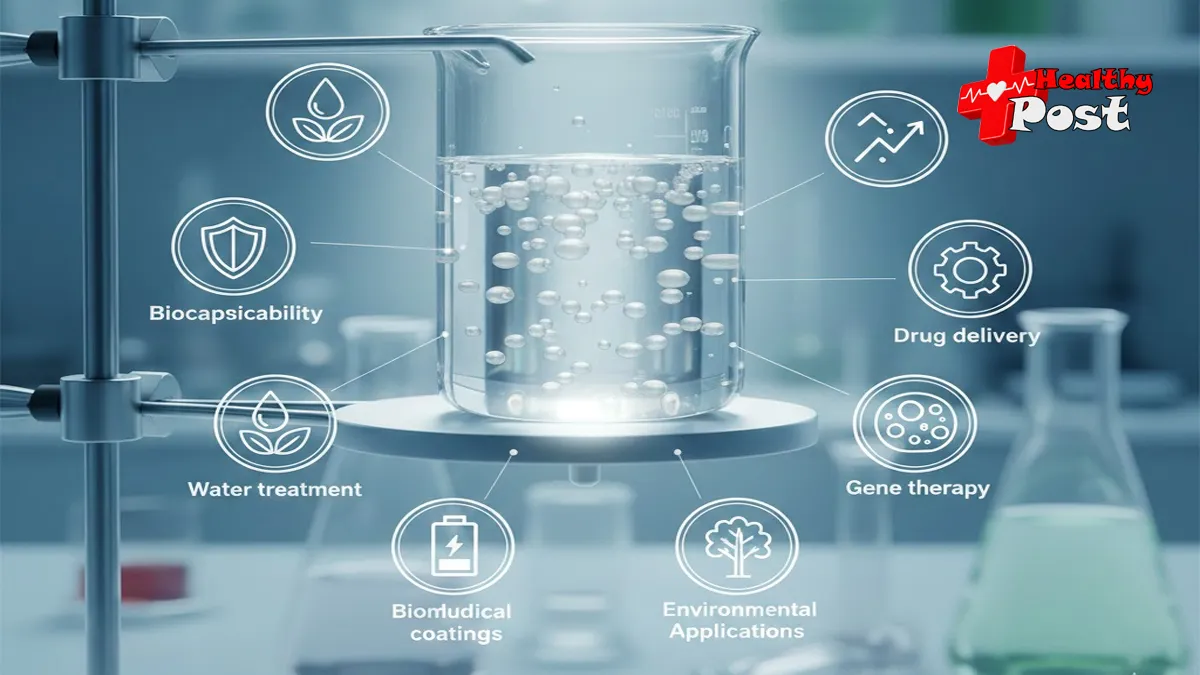
Staying informed about new medical technologies can feel overwhelming. There are so many complex names and ideas. Yet behind those names are tools that may shape how you and your loved ones receive care. 💊 One such tool is poly allylamine hydrochloride. It sounds highly technical. However, this synthetic polymer quietly supports many emerging health solutions. From smarter drug delivery to better diagnostic tests, it plays a growing role in modern medicine.
You will probably never see this ingredient on a pharmacy label. Still, it may influence how safe, precise, and comfortable future treatments become. Understanding what it does can help you feel more confident when you hear about “polymer-based therapies” or “advanced biomaterials” during medical visits.
In this guide, you will learn seven key benefits of this compound. You will also see real-life examples, practical takeaways, and answers to common questions. The goal is simple: help you feel informed, empowered, and hopeful about what science is building for your health. 🌱
1. How Poly Allylamine Hydrochloride Supports Targeted Drug Delivery 🎯
Many medicines work well but affect more than their target. You may know this as “systemic side effects.” Targeted drug delivery aims to send more medicine exactly where it is needed.
This polymer helps scientists design carriers that hold onto drugs until they reach a chosen site.
Why targeted delivery matters for you
Targeted delivery can mean:
- Lower doses for the same effect
- Fewer side effects
- More comfort during long treatment plans
- Better protection for healthy organs
Researchers use this cationic polymer to form tiny complexes with medications. These complexes can:
- Protect drugs from breaking down too early
- Help them move through mucus or tissue barriers
- Release the drug in a controlled way at the target
For example, some experimental cancer therapies use polymer-based carriers. These may direct chemotherapy toward tumor cells, while sparing more healthy tissue. You may never see the polymer, yet its design shapes your experience.
Real-life example
Imagine a patient with a chronic lung condition. Instead of a high-dose oral drug, they receive an inhaled treatment linked to a polymer carrier. This treatment concentrates more drug in the lungs. Less reaches the rest of the body. Side effects like nausea and fatigue may decrease.
Research in polymer-based drug delivery supports this direction. It suggests polymers can improve how precisely medicines act in the body.
2. Improves Absorption and Bioavailability of Sensitive Drugs 💡
Some medicines struggle to reach the bloodstream in useful amounts. They may break down in the stomach. They may have trouble crossing membranes. Their “bioavailability” is low.
This polyamine-based compound can help increase absorption for certain drugs. It can act as:
- A “mucoadhesive” material that sticks gently to mucus
- A carrier that shields drugs from harsh environments
- A helper that changes local pH or charge, improving uptake
How better absorption affects your care
When a medicine is absorbed more efficiently, you may benefit from:
- Lower required doses
- More stable blood levels of the drug
- Fewer peaks and crashes in symptom relief
- Reduced risk of dose-related side effects
Pharmacists and formulation scientists explore this polymer for oral, nasal, and other delivery routes. The goal is to help delicate molecules survive long enough to do their job.
Table: How this polymer can support drug absorption
| Challenge | How the polymer helps | Potential benefit for patients |
|---|---|---|
| Drug breaks down in stomach acid | Forms a protective matrix around the drug | More active medicine reaches the intestine |
| Drug has trouble crossing mucus layers | Mucoadhesive properties increase contact time | Higher chance of absorption where needed |
| Uneven drug levels in the blood | Enables controlled or slower release profiles | Smoother symptom control during the day |
| Delicate biological molecules are unstable | Stabilizes proteins or peptides in the formulation | More reliable therapeutic activity |
Simple example
Think of a patient taking a peptide-based medication that usually requires injections. With smart polymer carriers, oral versions may become possible in the future. That could mean less needle use and more independence.
3. Supports Cleaner Blood in Dialysis and Blood Purification 🩸
For people with kidney failure, blood purification can be life-saving. Hemodialysis removes waste products and excess fluids. Yet even modern systems have limits. Some toxins and inflammatory molecules are hard to remove.
This is where advanced polymers can help.
Researchers have tested poly allylamine hydrochloride as part of membranes and resins. These materials can bind negatively charged toxins in the blood. They act like tiny magnets, attracting unwanted molecules.
Potential benefits for people on dialysis
More selective binding materials may:
- Help remove a wider range of toxins
- Reduce inflammation between sessions
- Improve overall comfort and energy
- Support better heart and blood vessel health over time
A patient who feels drained after every dialysis session may one day benefit from improved membranes. These membranes may use functional polymers to work more efficiently and gently.
Trustworthy information from the National Kidney Foundation hemodialysis resources highlights how crucial membrane design is for treatment quality. Polymers are key parts of this design.
Example from clinical life
Picture a person who has dialysis three times a week. Over time, improved toxin removal may help them feel less foggy, more active, and more present with family. Even small gains in filter performance can translate into meaningful daily improvements. 💙
4. Enhances Biosensors and Diagnostic Tools 🔬
Fast, accurate diagnosis can change the course of disease. The earlier a problem is found, the more options you may have. Polymers like this one support many new biosensor and diagnostic platforms.
This cationic polymer can:
- Bind strongly to negatively charged biomolecules
- Form thin coatings on sensor surfaces
- Help organize enzymes, antibodies, or DNA on chips
These features support devices that detect very small amounts of markers. That includes signals of infection, inflammation, or cancer.
How better diagnostics help you
Improved diagnostic tools can mean:
- Earlier detection of disease
- Faster test results, sometimes at the bedside
- Less invasive sampling in some cases
- More tailored treatment choices from your clinician
For example, a point-of-care device might check for specific cardiac markers after chest pain. Polymers on the sensor surface help capture those markers from a tiny blood sample. Rapid results can guide life-saving decisions.
Research on biocompatible polymers describes how such materials support sensor stability and sensitivity. This makes devices more reliable in real clinical settings.
Daily-life scenario
Imagine a parent in an emergency room with a child who has a high fever. A compact diagnostic device uses polymer-assisted sensors. It quickly distinguishes between bacterial and viral causes. The care team chooses the right treatment sooner, easing worry and avoiding unnecessary antibiotics.
5. Helps Stabilize Vaccines and Biologic Therapies 💉
Many modern medicines are delicate. They may be proteins, peptides, or nucleic acids. These “biologics” can be very powerful, yet also fragile.
This polymer can help stabilize such molecules during storage and delivery. It may:
- Protect proteins from unfolding
- Reduce aggregation or clumping
- Provide a supportive microenvironment in formulations
- Help control how fast the active ingredient is released
Why stability matters for your protection
When vaccines and biologic drugs are stable, you gain:
- More reliable dosing from each injection
- Longer shelf life, improving access worldwide
- Better safety profiles, with fewer degraded byproducts
- More confident storage in clinics and pharmacies
Some experimental vaccine platforms use polymer-based carriers to shield antigens. The polymer does not replace the vaccine. It simply helps keep the active parts safe and effective.
Studies in nanomedicine applications highlight the role of polymers in creating stable, targeted systems for complex biological drugs.
Real-world impact example
Consider remote clinics with limited refrigeration. More stable vaccine formulations can reduce waste and stockouts. That means fewer missed vaccination opportunities and better community protection. A polymer that supports vaccine stability contributes quietly to this success. 🌍
6. Supports Research in Gene and RNA Delivery Therapies 🧬
Gene therapy and RNA-based treatments are transforming medicine. They offer new options for conditions once thought untreatable. Yet delivering genetic material safely into cells is challenging.
Positively charged polymers can bind to negatively charged DNA or RNA. They form “polyplexes” that protect genetic material and guide it toward cells. This compound is one such cationic polymer used in research.
How this affects future treatment options
Better gene delivery systems may someday help:
- Correct faulty genes in inherited conditions
- Silence harmful genes in chronic diseases
- Boost the body’s own healing signals
- Personalize treatment based on genetic profiles
Right now, much of this work remains in labs and early trials. Still, the progress is real and growing. Every improvement in polymer design can increase efficiency and reduce toxicity.
What this might mean for patients
Imagine a person with a rare genetic disorder. Today, their care may only manage symptoms. In the future, gene therapies could target the underlying cause. Safe, effective delivery systems will be essential for that shift.
Polymers help protect sensitive genetic material during that journey. They lessen damage from enzymes and help guide entry into cells.
7. Enables Safer Antibacterial Coatings and Wound Care Materials 🩹
Infections remain a major concern in hospitals and clinics. Surgical sites, catheters, and chronic wounds are especially vulnerable. Materials that resist harmful bacteria can protect patients.
Polycationic materials show promise as components of antibacterial surfaces. They can disrupt bacterial membranes or prevent attachment.
This synthetic polymer can be combined with other ingredients to create:
- Coatings for medical devices
- Films or dressings for wounds
- Surfaces that are less friendly to bacteria
Benefits for infection control
Better antibacterial materials may:
- Reduce risk of hospital-acquired infections
- Protect surgical implants from contamination
- Support cleaner wound healing
- Lower reliance on systemic antibiotics
For a person with diabetes and a chronic foot ulcer, such innovations matter. A dressing that limits bacterial growth can support healing and reduce the chance of severe infection. That may help prevent more serious interventions.
Example from everyday care
Think of a patient with a long-term catheter. Traditional plastic surfaces can attract bacteria. A catheter coated with carefully designed polymers may resist colonization. This can offer more comfort and peace of mind during treatment.
Frequently Asked Questions about This Polymer
1. Is poly allylamine hydrochloride safe for humans?
Safety depends strongly on how it is used. On its own, this polymer is not a consumer supplement or over-the-counter ingredient. It is mainly a research and industrial material.
When used in medical devices or formulations, safety is evaluated through strict testing. Regulators review toxicity, dosing, and long-term effects before approval. You should never try to obtain or use this compound on your own. Always follow your healthcare team’s guidance.
2. Can I take it as a vitamin or health supplement?
No. This is not a vitamin, mineral, or nutritional supplement. It is a synthetic polymer developed for technical and medical applications.
If you see products claiming to contain this compound for direct human consumption, be very cautious. Discuss such claims with a licensed healthcare professional.
3. How might this polymer affect my current medications?
In routine clinical practice, you are unlikely to receive it as a named ingredient. Instead, it may be part of device coatings or advanced drug formulations, if approved.
Any approved product that uses this polymer must be tested with relevant medicines. Your doctor or pharmacist can advise you about interactions for specific products, if they become available. Never combine experimental materials with prescriptions without professional oversight.
4. Who benefits most from technologies using this polymer?
Many groups may eventually benefit, including:
- People undergoing dialysis
- Patients receiving complex biologic drugs
- Individuals needing advanced diagnostic tests
- Those with chronic wounds or implanted devices
You might not hear the polymer mentioned directly in your care. Yet you may benefit from increased safety, comfort, and accuracy through its behind-the-scenes role.
5. Is this material environmentally friendly?
Like many synthetic polymers, environmental impact depends on production methods, use, and disposal. Researchers are working to design materials that are both effective and more sustainable. Regulatory agencies and manufacturers must follow guidelines on handling and waste.
If you care deeply about environmental aspects, ask your healthcare providers about eco-conscious options when choosing devices or treatments.
6. How is it different from other biocompatible polymers?
This compound carries positive charges and belongs to a group called polyamines. Other polymers may be neutral, negative, or structured differently.
These differences influence:
- How strongly they bind to drugs or biomolecules
- How they interact with cells and tissues
- Their use in membranes, coatings, or carriers
Scientists compare many materials to find the best match for each clinical need. No single polymer is perfect for everything.
Conclusion: Why This Quiet Polymer Deserves Your Attention 🌟
Even if you never handle a lab material, what happens in laboratories can shape your health journey. Poly allylamine hydrochloride is one of those quiet players. It helps researchers design smarter, safer, and more precise medical tools.
You have seen seven key ways it may touch your life, often without you knowing:
- Supporting targeted drug delivery
- Improving absorption and bioavailability
- Enhancing blood purification in dialysis
- Powering more sensitive diagnostic tools
- Stabilizing vaccines and biologic medicines
- Enabling gene and RNA therapy research
- Contributing to antibacterial coatings and wound care
Every advance in these areas can translate into less pain, fewer side effects, and more tailored care. Resources on medical devices show how materials science shapes healthcare quality worldwide. Polymers are central to that story.
As you think about your own health, remember this: progress often comes from many small, careful steps. You do not need to grasp every chemical detail. Staying curious, asking questions, and partnering with informed professionals is enough.
If your clinician mentions polymer-based drug delivery, advanced membranes, or novel biomaterials, you now have a clearer picture. You can ask how these tools might improve your comfort, safety, or long-term outcomes. Your voice and choices remain at the heart of any treatment plan. ❤️
If you are interested in related topics, you may want to explore more about biocompatible polymers, dialysis technology, or nanomedicine advances. These fields, supported by materials like this polymer, are shaping the future of compassionate, effective care.