


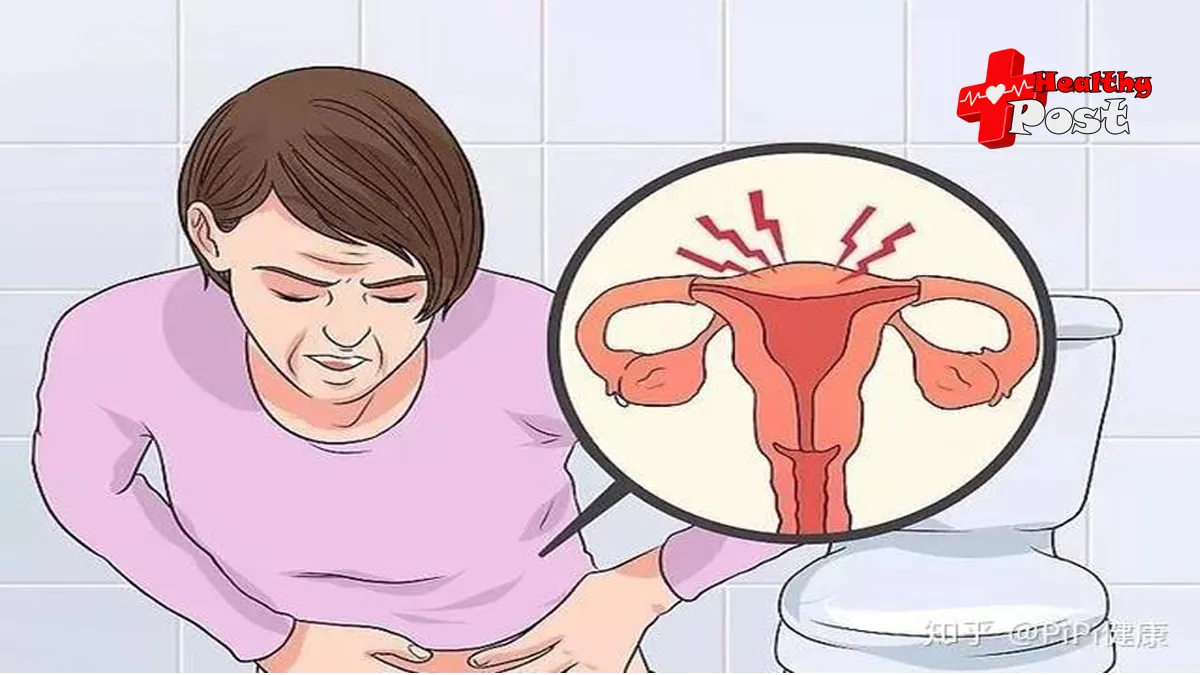
Menopause is a topic many women are reluctant to face. Once a woman goes through menopause, her body ages rapidly, which means she will truly begin to enter old age. Sometimes, in a short period of time, she seems to have become a completely different person. Therefore, many women do not want to go through menopause
This is because menopausal women no longer have the hormones (estrogen) that can better maintain their physiological functions. The lack of these substances leads to a series of menopausal symptoms, such as mood swings, irritability, dull hair, loose skin and pigmentation.
However, aging is a natural phenomenon and a stage that everyone must go through in life. We cannot stop the passage of time, but we can slow down aging by adjusting our daily habits or diet.
Eating these 6 types of food after menopause can help women slow down aging!
1. Kudzu root
Kudzu root is known as “thousand-year ginseng” because it is rich in nutrients such as puerarin and genistein, and also contains essential substances for our bodies, such as selenium and iron.
In addition, it contains a lot of isoflavones . Long-term consumption of kudzu root can promote the secretion of estrogen and play a certain role in delaying aging! Therefore, postmenopausal women can often eat some kudzu root, and drinking kudzu root infusion can also improve sleep
2. Soybeans
Postmenopausal women may benefit from eating more foods containing phytoestrogens, such as beans, especially soybeans.
Studies have found that one cup of soybeans contains approximately 300 milligrams of isoflavones, which have a pharmacological effect equivalent to 0.4 milligrams of estrogen. Moreover, the isoflavones in soybeans can play a bidirectional role in regulating estrogen levels.
3. Longan
Longan is also excellent for its warming and nourishing properties, helping to replenish blood, relieve insomnia, and protect the ovaries, making it very suitable for women. Furthermore, longan contains many nutritious substances that have calming, forgetfulness-relieving, and palpitation-relieving effects. Therefore, women can benefit from regularly consuming longan.
4. Black goji berries
Black goji berries contain a large amount of proanthocyanidins , making them the natural wild plant with the highest proanthocyanidin content discovered to date. This gives them a strong anti-aging effect. Since people age faster after menopause, eating more black goji berries is a good idea.
5. High-calcium foods
Milk, dried shrimp, and beans are all high in calcium. Adequate intake of calcium-rich foods can effectively reduce the risk of gynecological diseases in women, enhance their immunity, protect their ovaries, and slow down aging.
6. Vegetable oil
In addition, postmenopausal women can supplement their bodies with a large amount of lignans by eating more vegetable oils, pine nuts, wheat, walnuts, black rice and other whole grains. Although lignans themselves do not have estrogen effects, they can be converted into estrogen compounds after entering the human intestines, thereby exerting the effects of estrogen.
Women who have gone through menopause can benefit from regularly consuming the foods listed above, as this can help slow down the aging process. While these foods are beneficial, it’s important to control the amount consumed and avoid eating too much at once.
After menopause, it’s best to eat less of these 4 types of food!
- Eat less fatty meat: Reduce consumption of foods high in cholesterol such as fish roe, chicken skin, and duck skin;
- Reduce your intake of caffeine-containing foods and drinks: such as drinking less coffee, alcohol, and strong tea;
- Salt intake should be controlled: This is because menopausal women experience endocrine changes and water and salt metabolism disorders, which can easily cause edema and even further increase blood pressure. Therefore, salt intake should be controlled as much as possible.
- Eat less sweets: Because menopausal women often experience disordered sugar and fat metabolism, they are prone to high blood sugar, high blood lipids, obesity, and diabetes. Therefore, they should control their sugar intake and eat less sweets.
How should women maintain their ovaries after menopause?

1. Pay attention to hygiene and have regular checkups.
Pay attention to the cleanliness and hygiene of the private parts to prevent vaginitis and urethritis; in addition, as the body’s functions begin to decline after menopause, it is more susceptible to some diseases, especially gynecological diseases. Therefore, it is important to have regular check-ups on the breasts, vagina, uterus, fallopian tubes, ovaries, etc.
2. Regulate your mood
Menopause is a time of great mood swings. It’s important to stabilize your emotions and maintain a healthy and positive mindset to boost your confidence, look younger, and benefit your ovarian health.
3. Moderate exercise
Exercise is a very beneficial way to control weight, but it should be noted that postmenopausal women are not suitable for overly strenuous exercise, nor should they exercise for too long at a time. Each exercise session should be enough to make the body sweat slightly. Try to exercise for 30 minutes every day, such as Tai Chi, yoga, jogging, walking, etc.
1 Comment
Pingback: How Diet Affects Sexual Health in Women: Complete Guide by Dr. Rachana Bhoite