


This article has been written by Dr. Himanshu Gupta (Orthopedics & Robotics, Amicare Hospital ↗), specializing in orthopedic surgery, spinal disorders, nerve compression care, and musculoskeletal rehabilitation.
Medical Disclaimer: The information provided regarding L5 nerve compression, sciatica pain relief methods, spinal health, and at-home management strategies is for educational and informational purposes only. Nerve impingement and back conditions require professional clinical evaluation and diagnostic imaging. Always consult a licensed orthopedic specialist, physical therapist, or qualified healthcare provider before starting any new exercise routine or treatment plan for severe or chronic pain.

🏥 Medical Review Board Member
Dr. Himanshu Gupta
Orthopedic Specialist | Amicare Hospital (Ghaziabad, India)
Dr. Himanshu Gupta is a distinguished medical professional with over 20 years of expertise in orthopedics and joint replacement surgery. As the Chief Orthopedic and Director at Amicare Hospital, he specializes in advanced robotic-assisted procedures and sports injury management, dedicated to enhancing mobility and quality of life for his patients. Dr. Gupta is committed to bridging the gap between complex surgical clinical practice and accessible, evidence-based patient education. His rigorous approach to medical oversight ensures that every piece of content he reviews meets the highest standards of clinical accuracy, safety, and reliability.
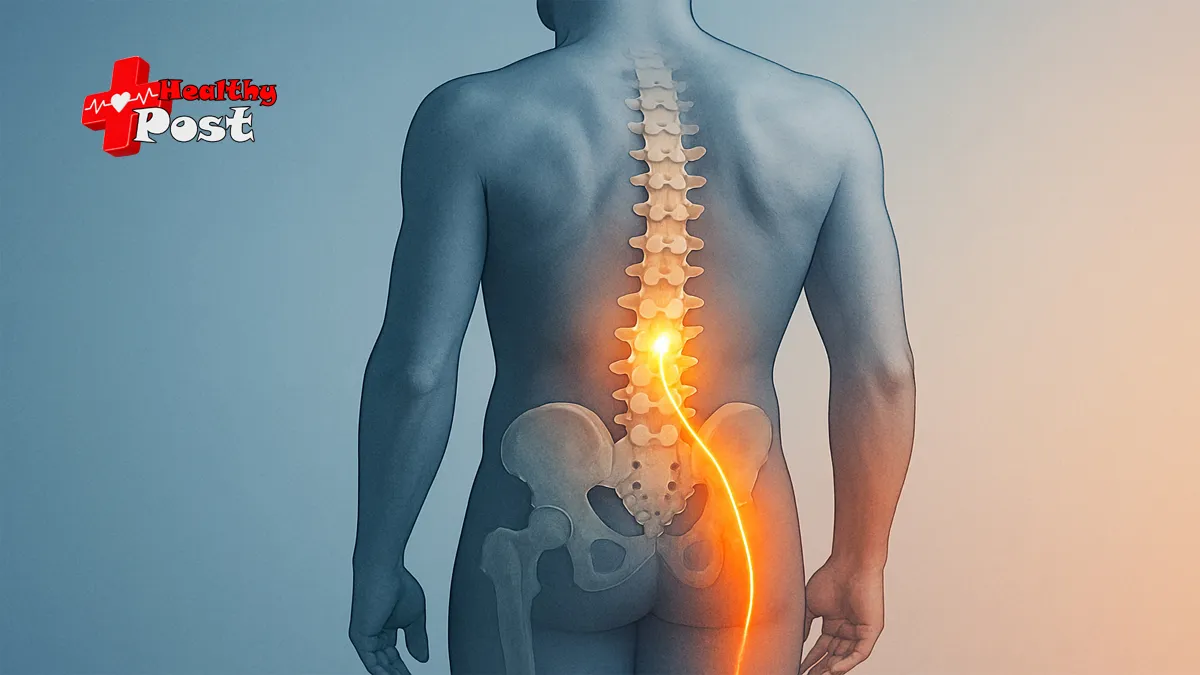
Living with l5 nerve compression can feel overwhelming. The burning, shooting, or tingling pain down your leg can disrupt work, sleep, and even simple walks. You may worry that you will never feel “normal” again.
You are not alone, and you are not helpless. With the right steps, many people feel relief much faster than they expect. This guide walks you through practical, science-based ways to calm your irritated L5 nerve and support healing 💆♂️.
1. Get an Accurate Diagnosis as Soon as Possible
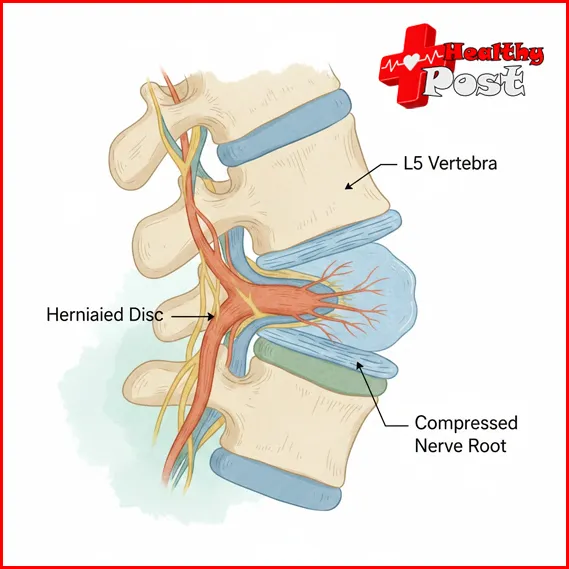
Before you try many remedies, it helps to know exactly what is happening. Pain near the L5 nerve root can come from:
- A herniated lumbar disc
- Spinal stenosis (narrowing of the spinal canal)
- Degenerative disc disease
- Spondylolisthesis (slipped vertebra)
- Muscle spasms pressing on the nerve
A healthcare professional can:
- Examine your reflexes, strength, and sensation
- Ask about pain patterns, numbness, or foot weakness
- Order imaging, such as MRI, if needed
This step may not feel like “fast relief,” yet it prevents wasted time. The right treatment plan depends on the true cause of your nerve root compression.
Real-life example:
Maria, 42, tried stretching videos for weeks with little benefit. An MRI showed a herniated disc at L4-L5. Once she began targeted physical therapy, her leg pain dropped within two weeks.
2. Use Positions of Relief and Gentle Movement 🧘♀️
When the L5 nerve is irritated, certain positions can ease pressure quickly. Others can make pain worse. Notice how your back and leg respond.
Common positions that may relieve pain:
- Lying on your back with knees bent and feet flat
- Lying on your side with a pillow between your knees
- Reclining in a semi-seated position with support under knees
Try short, frequent “relief breaks” during the day:
- Rest 5–10 minutes in your best position
- Focus on slow breathing to relax tense muscles
- Stand up and walk gently after each break
Avoid complete bed rest. Too much rest can stiffen joints and weaken muscles. Light walking, within your pain limits, often reduces stiffness and nerve irritation.
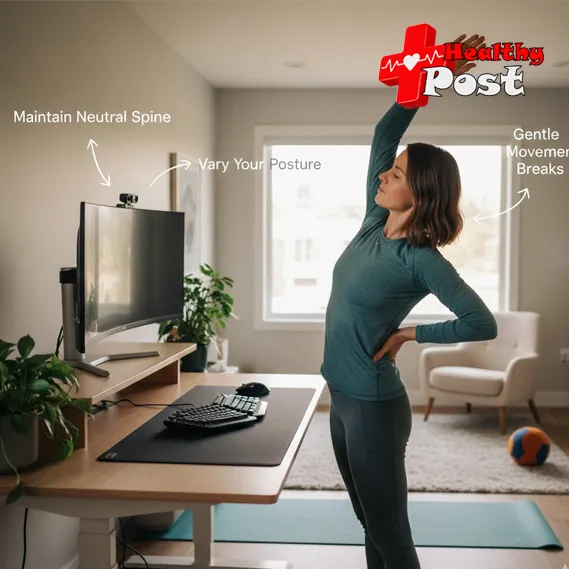
Tip: If sitting increases leg pain within 10 minutes, change your setup. Raise your screen, use a small lumbar roll, or alternate sitting and standing.
3. Ease L5 Nerve Compression with Gentle Stretches and Core Work
Once your pain is somewhat under control, specific exercises can help reduce L5 nerve compression over time. Always start slowly, and stop if pain shoots sharply down your leg.
Helpful gentle stretches
Try these only after your provider or physical therapist approves:
- Knee-to-chest stretch
- Lie on your back.
- Gently pull one knee toward your chest.
- Hold 10–15 seconds. Switch sides.
- Piriformis stretch
- Lie on your back.
- Cross one ankle over the opposite knee.
- Gently pull the uncrossed leg toward your chest.
- Hamstring stretch (lying)
- Use a strap or towel around your foot.
- Gently straighten your leg toward the ceiling.
Core and hip stability exercises
Stronger core and hip muscles support your lumbar spine:
- Pelvic tilts
- Partial dead bug variations
- Side-lying leg lifts
- Gentle bridges, if tolerated
Perform movements slowly and within a comfortable range. Aim for consistency instead of intensity.
Real-life example:
James, 50, did a 10-minute routine each morning. Within three weeks, his sciatic-like pain from L5 nerve irritation dropped from 8/10 to 3/10.
Comparison of Fast Relief Strategies
| Strategy | When It Helps Most | How Fast It May Help | Key Caution |
|---|---|---|---|
| Positions of relief | Flare-ups, acute pain spikes | Minutes | Avoid staying in one pose all day |
| Cold therapy | First 48-72 hours of sharp pain | 10-20 minutes | Protect skin from direct ice contact |
| Heat therapy | Ongoing stiffness, muscle tightness | 15-20 minutes | Do not sleep on a heating pad |
| Gentle stretching | After pain calms slightly | Days to weeks | Stop with sharp leg pain |
| Over-the-counter medication | Mild to moderate pain episodes | 30-60 minutes | Follow label, check with your doctor |
| Guided physical therapy | Persistent or recurrent nerve pain | Weeks | Choose a licensed professional |
4. Use Cold and Heat Therapy the Right Way ❄️🔥
Cold and heat can offer quick comfort when used correctly. They work in different ways.
The cold therapy (ice)
Cold can reduce inflammation and numb sharp pain:
- Use an ice pack wrapped in a thin towel
- Apply for 10–15 minutes at a time
- Use up to 3–4 times daily during acute flare-ups
Cold is especially useful in the first days of intense pain.
Heat therapy
Heat relaxes tight muscles that may be guarding your painful back:
- Use a warm (not hot) heating pad or warm shower
- Apply for 15–20 minutes
- Great before stretching or exercise
Avoid placing heat directly over areas that feel inflamed, hot, or very swollen. Do not sleep with a heating pad on, due to burn risk.
Tip: Many people rotate cold and heat during the day. Start with cold after activity, then use gentle heat before stretching.
5. Reduce Inflammation with Medication and Lifestyle Choices
Inflammation around the nerve root often drives much of your pain. Reducing that inflammation can ease L5 nerve compression symptoms fairly quickly.
Medication options (always with medical guidance)
Common options may include:
- Over-the-counter NSAIDs, such as ibuprofen or naproxen
- Acetaminophen for pain relief without anti-inflammatory effects
- Prescription medications if over-the-counter options fail
- Short steroid tapers or injections in selected cases
Never mix medications or exceed doses without speaking to your healthcare provider. They will consider your medical history and current medications.
Anti-inflammatory lifestyle habits 🥗
Medication works best when supported by daily choices:
- Choose whole foods: vegetables, fruits, lean proteins, healthy fats
- Limit sugary drinks and ultra-processed snacks
- Stay hydrated
- Avoid smoking, which reduces blood flow to spinal discs
Even small changes, repeated daily, can gradually calm nerve irritation.
6. Support Your Spine with Smart Daily Habits
Everyday movements can either help or hinder recovery from l5 nerve compression. The goal is to reduce repeated strain on your lower back.
Sitting and standing
- Keep both feet flat on the floor when sitting
- Use a chair with lumbar support
- Stand with weight evenly distributed, not mostly on one leg
- Take movement breaks every 30–45 minutes
Lifting and bending
- Bend at your hips and knees, not at your waist
- Hold objects close to your body
- Avoid twisting while lifting
- Ask for help with heavy items
Sleep habits 😴
- Try side-lying with a pillow between your knees
- Use a medium-firm mattress or mattress topper
- Avoid sleeping on your stomach if it worsens pain
Real-life example:
After adjusting his desk height and adding a lumbar cushion, Aaron noticed his daily leg tingling decreased within one week.
7. Know When L5 Nerve Compression Needs Urgent Care
Most cases improve with time and conservative care. However, some warning signs require prompt medical attention.
Contact your healthcare provider right away if you notice:
- Sudden, severe weakness in your leg or foot
- Foot drop (tripping because you cannot lift your foot)
- Loss of bladder or bowel control
- Numbness in the groin or inner thighs
- Pain that worsens steadily, despite rest and treatment
These red flags can signal serious compression of the spinal nerves. Urgent evaluation helps protect long-term function and nerve health.
FAQs About L5 Nerve Pain
1. How long does L5 nerve compression usually take to heal?
Many mild to moderate cases improve within 6–12 weeks. Recovery time depends on the cause, your overall health, and how consistent you are with treatment.
2. Is walking good or bad for L5 nerve pain?
Gentle walking is often helpful. It promotes blood flow and reduces stiffness. Stop or slow down if sharp leg pain increases.
3. Can L5 nerve compression cause permanent damage?
Severe or ignored compression can cause lasting weakness or numbness. Early assessment and treatment greatly lower this risk.
4. Do I need surgery for L5 nerve compression?
Most people do not need surgery. Surgery is usually reserved for severe weakness, loss of function, or pain that does not respond to months of guided conservative care.
5. Are there specific exercises I should avoid?
Avoid heavy lifting, deep forward bends, and high-impact activities during a flare. If a movement causes sharp, shooting leg pain, stop and consult a professional.
6. Can stress make my L5 nerve pain worse?
Yes. Stress can increase muscle tension and pain sensitivity. Relaxation techniques, breathing exercises, and good sleep habits can support healing.
Conclusion: You Can Take Back Control from L5 Nerve Pain 💪
Living with L5 nerve compression can be frightening and exhausting. Yet many people experience solid relief by combining several approaches:
- Smart positions and gentle movement
- Targeted stretching and strengthening
- Cold, heat, and appropriate medication
- Daily habit changes that protect the lumbar spine
You do not need to tackle everything at once. Choose one or two strategies from this guide and begin today. Then, build your plan with your healthcare provider or physical therapist over time.
With patience, informed choices, and consistent care, you can reduce pain, protect your nerve, and return to the activities that matter most to you.