


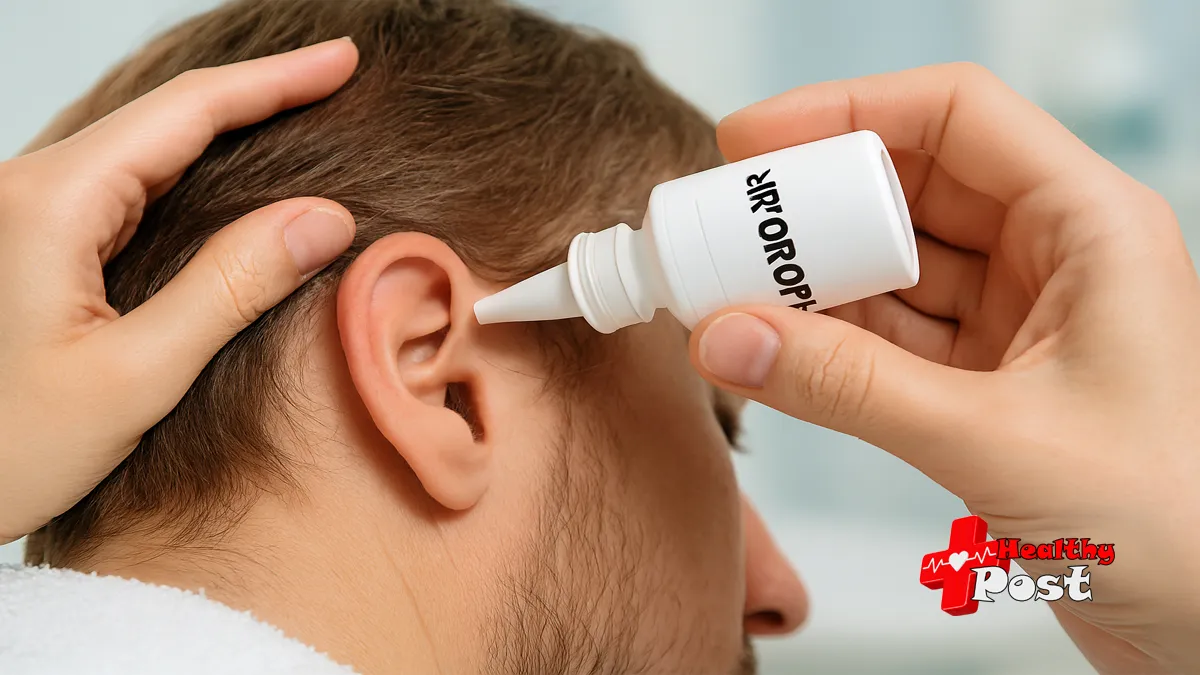
Ear pain can stop your day in its tracks.
Simple tasks feel harder when every sound or movement hurts.
Many people are prescribed lidosporin ear drops to ease pain and treat infection safely.
Used correctly, these prescription drops can support healing and bring steady comfort.
This guide explains how these drops may help, what to expect, and how to use them safely.
You will also learn about typical lidosporin ear drops composition, side effects, and when to call your doctor.
And You will not find quick fixes here.
You will find calm, practical advice you can use today. 💙
What are lidosporin ear drops?
Lidosporin ear drops are usually prescribed for inflamed, painful outer ear conditions.
This often includes swimmer’s ear or other forms of outer ear infection.
They are not simple “painkillers.”
Most products in this category combine several types of medicine in one bottle.
Because brands and countries differ, the exact formula can vary.
Always check your own package leaflet or ask your pharmacist.
The information below is general and may not match your exact product.
Common elements in lidosporin ear drops composition
Most combination ear drops for pain and infection include some of the following:
- A local anesthetic to reduce pain
- An antibiotic to fight bacteria
- Sometimes an antifungal agent
- Sometimes a mild steroid to reduce swelling
- A soothing base solution for the ear canal
Always confirm the lidosporin ear drops composition printed on your own medicine.
Never rely on online information alone for exact ingredients.
Typical components and their roles (general overview)
Table below is a general example.
It does not describe every product or brand exactly.
| Possible Component Type | What It May Be (Example Class) | Main Role in the Ear | What That Means for You |
|---|---|---|---|
| Local anesthetic | Lidocaine‑type drug | Numbs the area | Less pain and burning |
| Antibiotic | Aminoglycoside or similar | Fights bacteria | Helps clear infection |
| Antifungal | Azole‑type agent | Fights fungus | Useful in fungal otitis |
| Mild steroid | Corticosteroid | Reduces swelling | Less redness and itch |
| Carrier solution | Sterile liquid base | Delivers medicine | Spreads drops evenly |
Because composition varies, your own bottle may not contain all these.
Ask your doctor to explain what your specific prescription is designed to treat.
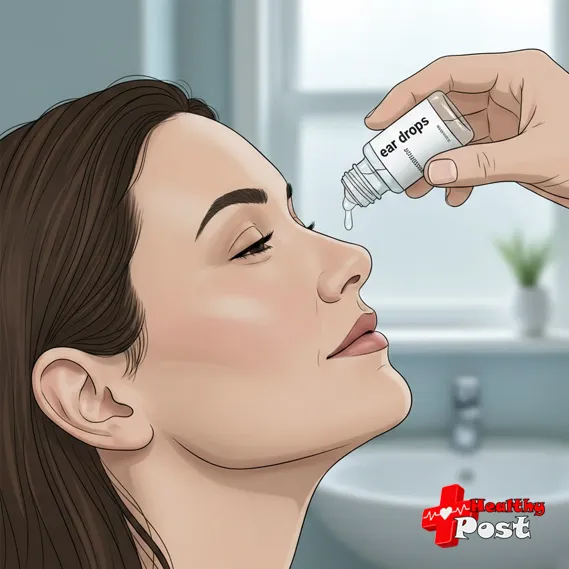
1. Gentle, targeted pain relief with lidosporin ear drops 💧
Ear pain can feel sharp, throbbing, or burning.
It can disturb sleep and make concentration difficult.
Many products in this group contain a local anesthetic.
This medicine works directly on the nerve endings in the ear canal.
How this helps
- The anesthetic numbs the irritated tissue.
- Pain signals from the ear to the brain are reduced.
- Relief can begin within minutes for many people.
Because the medicine is placed directly in the ear, it acts close to the problem area.
That means less need for high doses of oral pain tablets in some cases.
Real‑life example
You wake at night with a painful, itchy outer ear.
Your doctor has already examined you and prescribed these drops.
You use the prescribed number of drops.
Within a short time, the sharp sting softens, and you fall asleep more easily. 😌
Pain relief is not the only benefit, though.
These drops often do more than simply numb the area.
2. Helps tame infection at the source 🦠
Many ear problems involve infection of the outer ear canal.
Doctors often call this otitis externa.
Learn more about otitis externa from a trusted medical source.
When bacteria or fungi grow in the moist ear canal, the skin becomes:
- Swollen
- Red
- Painful
- Sometimes filled with discharge
How lidosporin‑type combinations can help
When your product contains an antibiotic or antifungal medicine, it may:
- Reduce the number of harmful germs in the ear canal
- Help control the spread of infection
- Support the body’s own defenses as they clear the infection
Because these medicines are applied directly, a focused dose reaches the affected skin.
This is different from pills, which travel through the whole body.
Why this targeted approach matters
- Less medicine needs to circulate in your bloodstream.
- The concentration at the infection site can be higher.
- This may support quicker control of local infection.
Important note: You should still complete the full prescribed course.
Stopping too early may allow infection to return or worsen.
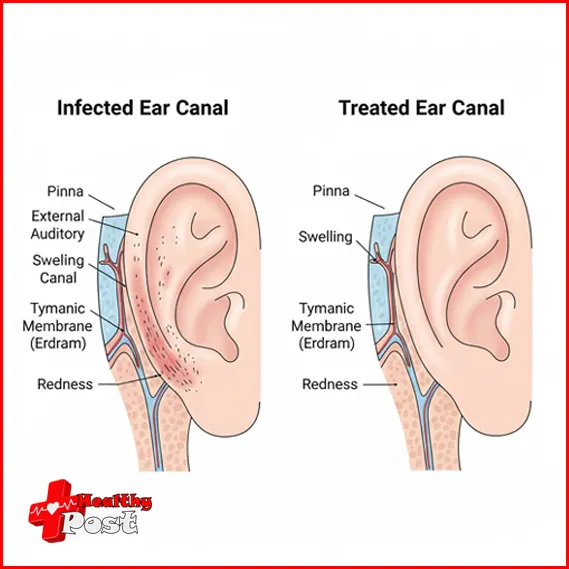
3. Reduces swelling and inflammation for easier healing
Inflamed ear tissue can cause many symptoms:
- A “blocked” or full feeling
- Reduced hearing
- Throbbing pain
- Sensitivity to touch or chewing
Some prescribed ear drops in this category include a mild corticosteroid.
This medicine is designed to reduce inflammation in the ear canal.
Potential benefits of reduced inflammation
- Less redness and heat in the tissue
- Less pressure against surrounding structures
- More comfort when chewing or touching the ear
- Improved drainage of fluid or discharge
When swelling decreases, medicine can also reach deeper areas more easily.
This can support more even treatment across the whole canal.
Simple example
You have a hot, swollen ear after several days of pain.
After using your drops as directed for two days, the ear feels less tight.
You still have some discomfort, but the pressure is not as intense.
This kind of gradual easing is common as inflammation settles.
4. Supports a calmer, less itchy ear canal
Itching inside the ear can be relentless.
You may feel a strong urge to scratch with cotton buds or fingers.
That scratching can damage the delicate skin even more.
It may push wax and debris deeper and increase infection risk.
Many doctors prescribe this type of drop to help calm:
- Itching from infection
- Irritation from eczema or dermatitis of the ear
- Discomfort after swimming or moisture exposure
How the drops may reduce itch
- Local anesthetic can dull the itchy sensation.
- Anti‑inflammatory components can settle overactive skin responses.
- Treating the infection removes a key cause of irritation.
Try to avoid putting anything inside your ear while using the drops.
Let the medicine do the work instead of scratching.
Everyday example
A child keeps rubbing and pulling their ear from constant itch.
After medical assessment, the doctor prescribes drops.
Within a couple of days of correct use, itching decreases.
The child sleeps and plays more peacefully. 🌙
5. Designed for safe use in the ear canal (with the right guidance) ✅
Ear tissue is delicate.
It also lies close to the eardrum and middle ear structures.
Lidosporin‑type prescription drops are designed for use in the outer ear canal.
However, they must be used only under proper medical guidance.
Key safety points
- Your doctor should check for a perforated eardrum first.
- Some formulas are not safe if the eardrum is torn or has tubes.
- Always follow the exact dose and schedule your doctor gives.
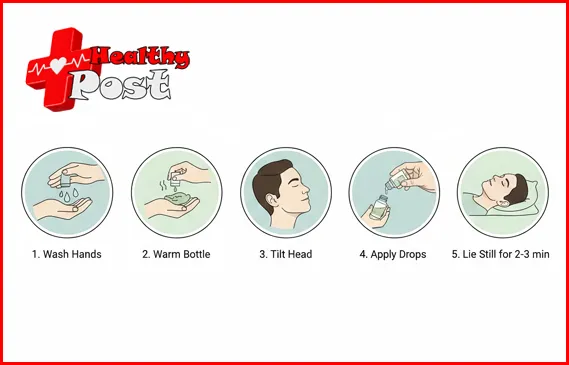
To use them more safely:
- Wash your hands before and after applying drops.
- Warm the bottle in your hands for a minute.
- Tilt your head so the affected ear faces up.
- Gently pull the outer ear to straighten the canal.
- Apply the prescribed number of drops.
- Stay in that position for several minutes.
Avoid pushing the dropper tip deep into the ear canal.
This can damage fragile skin or introduce more germs.
If you feel strong burning, worsening pain, or dizziness, stop and call your doctor.
Those symptoms may mean the drops are not suitable for you.
6. Fits smoothly into your daily routine
When you already feel unwell, complicated treatments feel overwhelming.
Ear drops like these are usually quick to apply and easy to carry.
Everyday convenience benefits
- Small bottle fits into a pocket or bag.
- Application usually takes only a few minutes.
- No need for special equipment or clinic visits for each dose.
You may only need to use them a few times a day.
Your prescriber will choose a schedule that suits your condition.
Tips to keep treatment on track
- Set phone reminders for each dose.
- Keep the bottle in a visible, safe place.
- Link doses to regular habits, like brushing teeth.
Consistent use often matters more than a single early dose.
Steady treatment supports steady improvement.
7. Often works well with other treatments and self‑care steps
Ear conditions rarely exist in isolation.
You may also use:
- Oral pain relief
- Antibiotic tablets
- Allergy medicines
- Nose sprays or decongestants
Many people safely use these drops alongside other therapies.
Your doctor balances all your medicines to avoid interactions.
Helpful self‑care steps alongside treatment
These steps often support comfort and healing:
- Keep the ear dry while treatment continues.
- Avoid swimming unless your doctor approves.
- Do not insert cotton buds or fingers in the ear.
- Protect the ear from hair spray or harsh chemicals.
You may also be advised to manage allergies or sinus issues.
These can sometimes affect the ears and slow recovery.
For general guidance about ear infection symptoms, reliable sites like the NHS can help:
ear infection symptoms.
Always follow your own doctor’s advice first.
When to see a doctor urgently ⚠️
Ear pain is sometimes a sign of a more serious problem.
Do not rely on any ear drops alone if:
- Pain is severe or sudden
- You notice blood or thick green discharge
- You feel strong dizziness or spinning
- You have a high fever or feel very unwell
- Hearing drops suddenly in one or both ears
- Ear pain starts after a blow to the head
Seek urgent care if a baby or young child seems very unwell.
This is especially important if they have fever and ear symptoms.
If you are pregnant, breastfeeding, or have immune problems, ask before using any prescription ear drops.
Your doctor may choose a different option or adjust your plan.
Possible side effects and precautions
Every medicine can cause side effects, even when used correctly.
Many people tolerate these drops well, but problems can occur.
Possible side effects
Contact your doctor if you notice:
- Worsening pain or burning after each dose
- New rash around the ear or on the neck
- Swelling of the face, lips, or tongue
- Ringing in the ears or change in hearing
- Headache or unusual dizziness
Stop using the drops and seek urgent help for any signs of severe allergy.
This includes breathing difficulty or swelling of the throat.
Important precautions
- Do not share your bottle with anyone.
- Do not use past the expiry date.
- Store as advised, usually below a set temperature.
- Keep out of reach of children.
If you have known allergies to antibiotics, steroids, or anesthetics, tell your doctor.
They may choose a different medicine that suits you better.
FAQs about lidosporin ear drops
1. How long should I use lidosporin ear drops?
Follow the exact course your doctor prescribes.
Treatment often lasts from several days up to two weeks.
Do not stop early unless your doctor tells you to.
2. Can I use these drops for any ear pain?
No.
Ear pain has many causes, including jaw problems and middle ear disease.
Use these drops only for the condition your doctor diagnosed.
3. Are they safe for children?
Many ear drops are used safely in children.
However, dose and suitability depend on age and diagnosis.
A doctor should examine the child before starting treatment.
4. What if I miss a dose?
Use it as soon as you remember, unless it is almost time for the next one.
Do not double the dose.
Return to your normal schedule.
5. Can I use lidosporin with hearing aids or earplugs?
Usually you remove hearing aids before applying drops.
Keep the ear canal open for the time your doctor suggests.
Ask your audiologist or doctor about safe timing for reinserting devices.
6. Is it safe to use lidosporin during pregnancy?
Safety depends on your specific product and health situation.
Always discuss pregnancy and breastfeeding with your doctor or pharmacist.
They will weigh benefits and risks for you.
Safe relief with lidosporin: key takeaways 🌿
Ear problems can feel disruptive and worrying.
With proper assessment and guidance, lidosporin can offer focused relief and support healing.
To get the most from your treatment:
- Use the prescribed number of lidosporin ear drops at the correct times.
- Keep the ear dry and avoid inserting objects in the canal.
- Watch for side effects and seek help if anything feels wrong.
- Complete the full course unless your doctor advises otherwise.
If you are unsure whether these drops are right for you, talk with a healthcare professional.
Bring your bottle to the appointment and ask about every ingredient.
You deserve calm, confident care for your ears.
With the right support and informed use, lidosporin can be one helpful step toward comfortable hearing again. 👂💙