

Clinical Review & Medical Authorship
This article accompanying “What are urinary tract infection? How prevent and treat” was written and clinically verified by Dr. Chiara Del Prete (Urology & Oncology, AST Pesaro Urbino), ensuring precise urological context and evidence-based care guidelines.
Medical Disclaimer: The clinical information, prevention strategies, and treatment overviews detailed below are intended strictly for educational and informational purposes. This guide does not replace professional medical advice, diagnostic evaluations, or direct antimicrobial prescriptions from a licensed urologist or primary care physician. Always consult a qualified healthcare provider immediately if you experience severe flank pain, high fever, or persistent urinary symptoms.

🏥 Medical Review Board Member
Dr. Chiara Del Prete, MD
Urologist | Clinical Reviewer
Dr. Chiara Del Prete is a registered medical doctor and specialist in Urology (Dirigente Medico in Urologia) based in Italy, with clinical affiliations including AST Pesaro Urbino and Ospedale San Salvatore di Pesaro. She completed specialized training in advanced urological and robotic-assisted surgical techniques, earning a certificate of excellence from the ERUS curriculum. Dr. Del Prete actively contributes to peer-reviewed medical literature and clinical research focusing on urological oncology, stone disease, and reconstructive urology, ensuring all content maintains the highest standards of medical accuracy and clinical integrity.
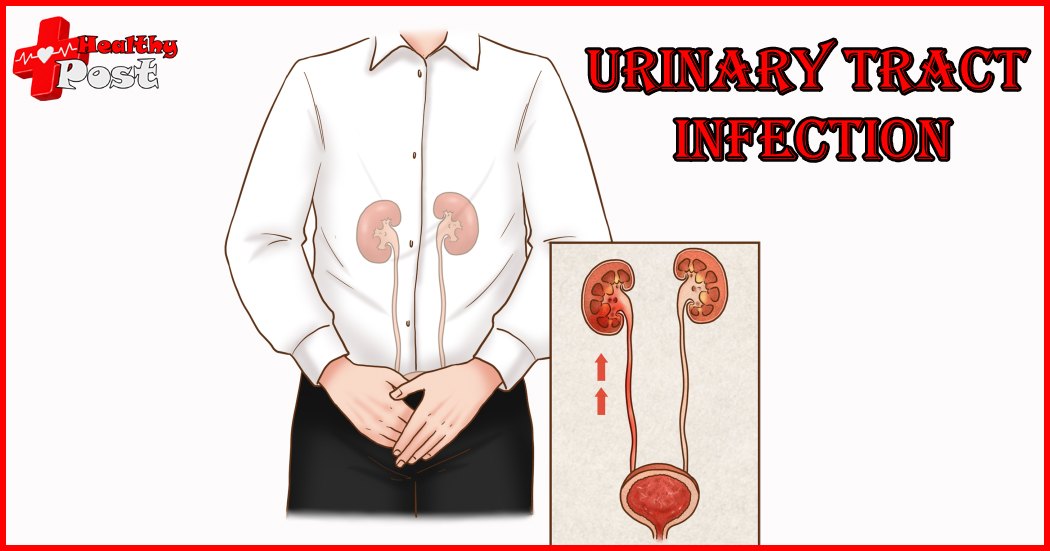
Urinary tract infection diseases refer to diseases that occur in various organs of the urinary system, including the kidneys, ureters, bladder, urethra, etc.
Diseases of the urinary system may be unique to this system or may be cause by diseases of other systems in the body.
Urinary system diseases are classified according to their causes and pathology, including congenital malformations, injuries, infections, tuberculosis, tumors, as well as urinary system obstruction, urinary tract stones, nephroptosis, renovascular hypertension, renal failure, etc.
The main symptoms of urinary system diseases include pain, lower urinary tract irritation symptoms (frequency, urgency, dysuria), lower urinary tract obstruction symptoms (difficulty urinating, interruption of urinary flow, urinary retention), urinary incontinence, enuresis, and abnormal urine ( Changes in traits, smell, etc.), etc. In addition, when the disease involves other systems, it may have systemic manifestations, such as nausea, vomiting, hypertension, anemia, bone pain, etc.
The treatment of urinary system diseases varies depending on the disease, treatment methods, effects, and prognosis. Specific treatment methods can refer to each specific disease.
Most diseases can achieve ideal results with active and formal treatment.
How to treat urinary system infection more effectively?
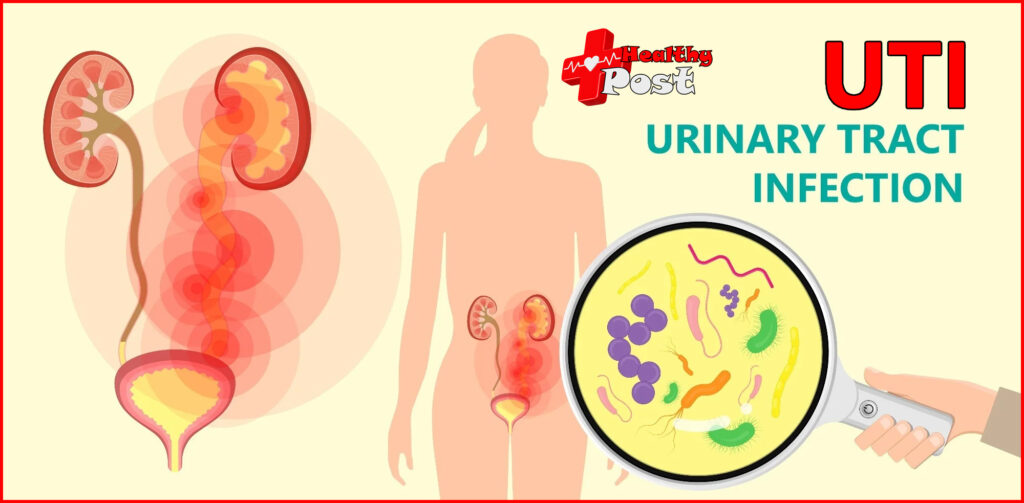
Urinary system infection is a very common clinical disease. This disease not only does great harm to the patient’s health, but also has a great impact on the life and work of patients with urinary system infection. Therefore, timely treatment of urinary system infection is very important. , there are many ways to treat urinary system infections at present, so how to treat urinary system infections more effectively? Below we will introduce this issue in detail.
Urinary tract infection acute pyelonephritis:
It is an upper urinary tract infection. In addition to urinary tract symptoms, most of them have systemic symptoms such as high fever. Urine culture should be do before administration. For those with mild symptoms, oral quinolones can be use. For those with severe symptoms, norfloxacin, ampicillin plus gentamicin, ampicillin plus sulbactam, or cephalosporins can be use. Antibiotics such as triazine are give intravenously. After the urine culture report comes out, adjust the medication according to the drug sensitivity.
To treat acute pyelonephritis, antibiotics should be given continuously for 10-14 days. Urine cultures should be taken 1 week and 1 month after the end of the treatment. If bacteriuria persists, antibiotics should be continued for 4-6 weeks. If the fever does not subside after 72 hours of antibacterial treatment, in addition to adjusting the medication, a urinary tract B-ultrasound and an isotope renogram can be performed to rule out urinary tract obstruction.
Urinary tract infection in the elderly:
The elderly are more likely to suffer from urinary tract infections than young adults. Among the elderly, about 60% are cause by Escherichia coli infection. In recent years, more and more elderly patients are using urinary catheters and other catheterization devices. Therefore, many elderly patients are also susceptible to gram-negative bacteria such as Proteus, Klebsiella, Serratia and Pseudomonas. Infect.
For the treatment of urinary tract infections in the elderly, it is best to conduct bacterial examination. And drug sensitivity testing to select highly targeted and sensitive antibiotics to improve, the efficacy and shorten the course of the disease. Elderly patients who require indwelling urinary catheters must strengthen aseptic procedures. And reduce the indwelling time to reduce the chance of infection.
Urinary tract infection in men
Urinary tract infections in men should be take more seriously. This is because male urinary tract infections are often more complicated. Especially prostatitis and prostatic hyperplasia, which are common causes of male urinary tract infections. In addition to E. coli, the pathogenic bacteria are sometimes accompanied by chlamydia and mycoplasma infections.
Therefore, for the treatment of male urinary tract infection, we must first check whether there is prostatitis and prostatic hyperplasia. If so, it should be treat together with the urinary tract infection. Regarding the choice of antibiotics, if there is no prostatitis, quinolones should be use as the basic medication. Cephalosporins or sulfa drugs should be add for about 14 days.
If patients with urinary tract infection are complicate by acute prostatitis, they need to choose antibacterial drugs with higher penetration into prostate tissue, such as doxycycline, norfloxacin, ciprofloxacin, ofloxacin, and trimethoprim. – Sulfamethoxazole, etc., take medication for about 4 weeks. If it is chronic prostatitis, the medication time should be extend to 6-12 weeks.
The above is a detailed introduction on how to treat urinary system infections with better results. I believe everyone has already understand that as long as all patients with urinary system infections actively cooperate with the treatment. Adhere to the treatment, and follow the doctor’s instructions. Then the effects of treating urinary system infections will be relatively good. .
Frequently Asked Questions:
- What are the most common symptoms of a urinary tract infection (UTI)? Common symptoms include a strong, persistent urge to urinate, a burning sensation when urinating, passing frequent and small amounts of urine, cloudy or strong-smelling urine, and pelvic discomfort or lower abdominal pressure.
- How do doctors typically diagnose a urinary tract infection? Urologists and primary care physicians usually diagnose a UTI through a urinalysis and urine culture test to check for white blood cells, red blood cells, and bacteria in the urine sample.
- Can lifestyle changes help prevent recurrent urinary tract infections? Yes. Effective preventive measures include drinking plenty of water daily, wiping from front to back after using the restroom, urinating promptly after sexual activity, and avoiding irritating feminine products or harsh chemical sprays.
- When should a urinary tract infection be treated as a medical emergency? You should seek immediate medical evaluation if a UTI progresses to cause high fever, chills, severe lower back or flank pain, nausea, and vomiting, as these can be signs that the infection has spread to the kidneys.
4 Comments
Pingback: kidney transplantation and Life guideline after kidney transplantation
Pingback: What diseases may cause bladder distension and pain?
Pingback: How I Knew I Had Bladder Cancer: The Subtle Signs
Pingback: Intermittent Catheter: 7 Proven Benefits for Male & Female Patients