

Expert Authorship
This article exploring “Reverse Nordic curl, exercise for improving quadriceps strength and flexibility” is written by Harpreet Kaur (Physiotherapist), providing expert biomechanical guidance on advanced lower-body conditioning and joint protection.
Medical Disclaimer: The physical therapy insights, biomechanical explanations, and exercise progression techniques detailed below are intended strictly for educational and informational purposes. This content does not replace professional physical evaluations, individualized rehabilitation programs, or medical exercise prescriptions. Always consult a qualified physiotherapist or healthcare provider before attempting high-intensity eccentric movements, especially if you have a history of knee, patellar tendon, or lower-extremity injuries.

🏥 Medical Review Board Member
Harpreet Kaur
Physiotherapist | Clinical Specialist at Anatomie
Harpreet Kaur is a dedicated physiotherapist with extensive clinical expertise in musculoskeletal health, physical rehabilitation, and joint mobility. Practicing at Anatomie, she is committed to translating evidence-based physical therapy and wellness strategies into clear, authoritative guidance. Harpreet ensures that health and movement content meets the highest standards of medical accuracy, clinical integrity, and patient safety.
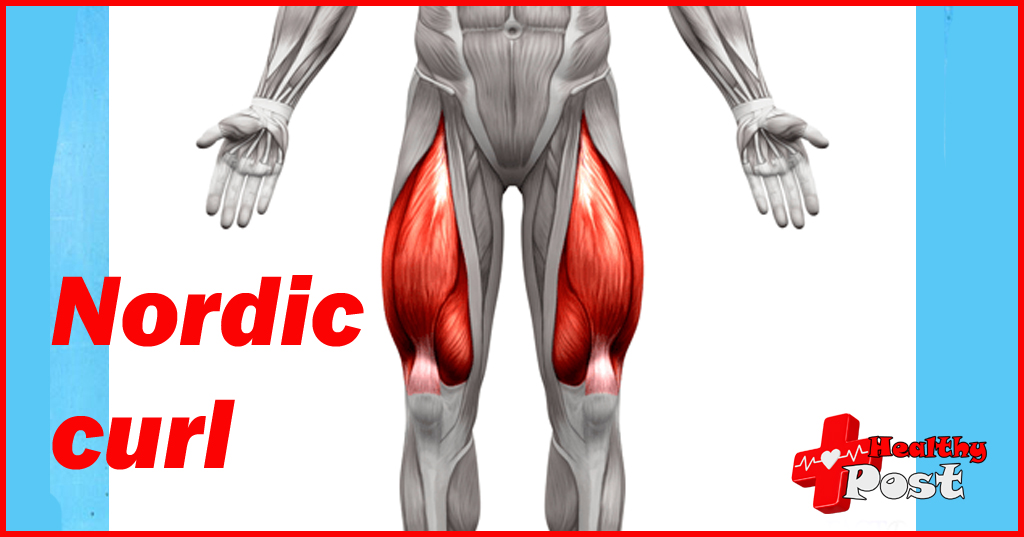
There are several details to pay attention to when doing the reverse Nordic curl. The quadriceps are located on the front of the thigh and are one of the largest muscles in the lower extremity. In traditional sports anatomy, the quadriceps are considered to be the knee extensors (all parts of the quadriceps) and the hip flexors (the rectus femoris in the quadriceps).
From the perspective of fascial anatomy, the quadriceps femoris, as part of the anterior superficial myofascial chain of the lower limb (i.e. the anterior surface line in the anatomical train), and together with the posterior superficial myofascial chain (i.e. the posterior surface line in the anatomical train), participates in the control of flexion and extension of the lower limb joints.
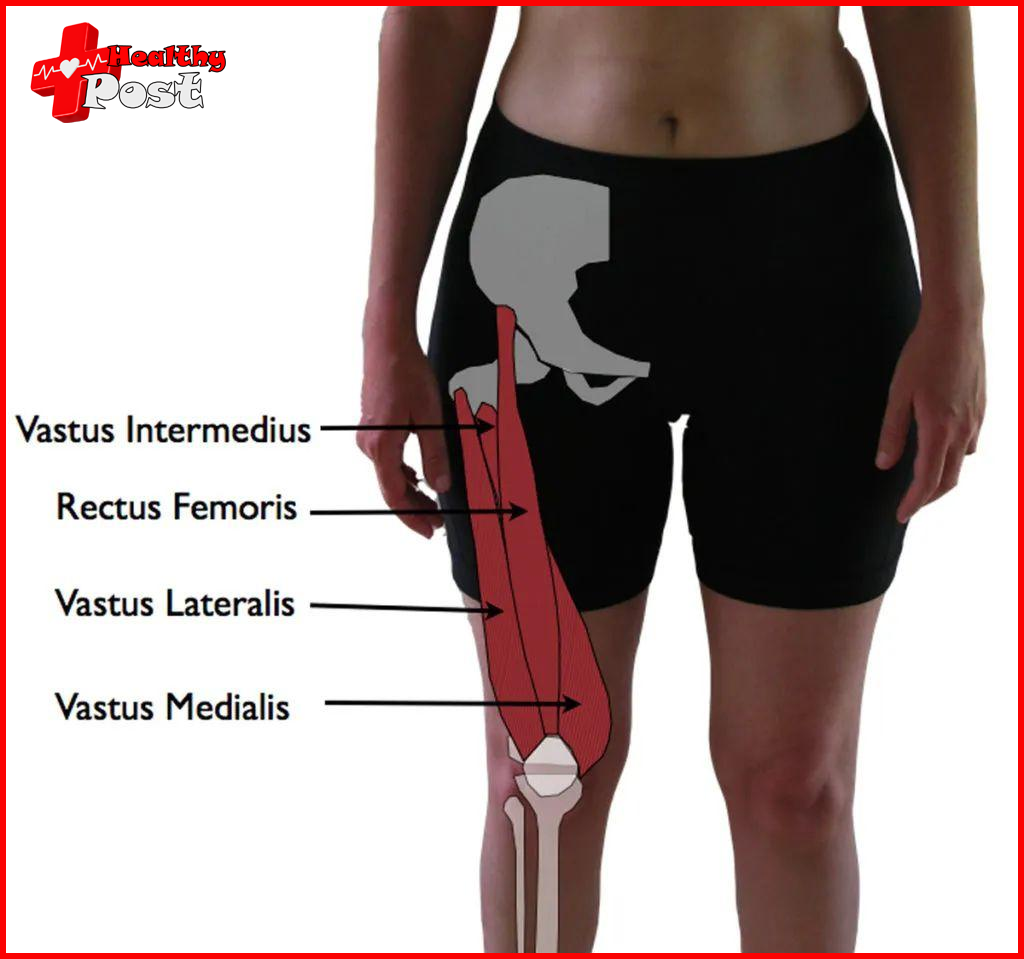
In walking, running, squatting and other exercises, the lower limb joints alternate between flexion and extension. In the process of lowering the center of gravity, the lower limb joints (ankle joints, knee joints and hip joints) flex, and the front and back lines of the lower limbs contract together to improve joint stability and control the speed of joint flexion, that is, to control the speed of the center of gravity falling.
For example, during the squat phase of a squat exercise.
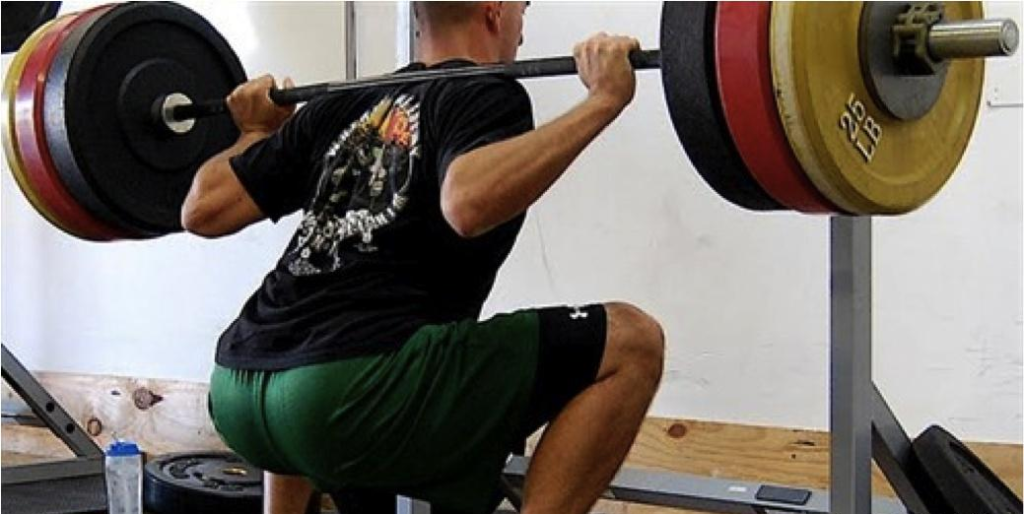
When squatting, the direction of movement is consistent with the direction of the load generated by the body’s own gravity and weight. At this time, if we do not control the body at all, we will fall at the speed of free fall. In fact, we can complete the squat at the speed we want and control the squat range, all thanks to the coordinated contraction of the lower limb muscles.
The contraction here is actually eccentric contraction, that is, the direction of muscle contraction is opposite to the direction of force, and the muscle is stretched while generating force.
If the quadriceps lack good eccentric contraction ability and cannot withstand eccentric load well, it may lead to a decrease in knee flexion range of motion. During the movement, the knee joint may be locked prematurely and can only be compensated by other adjacent joints.
The distal end of the quadriceps muscle wraps around the patella, which puts more pressure on the patellofemoral joint and increases the risk of patellofemoral syndrome. At the same time, when the quadriceps muscle cannot contract eccentrically well, its tendon will bear a greater load, leading to patellar tendon-related injuries.
In my previous article, ” Is knee hyperextension caused by tight quadriceps? “, I introduced the relationship between knee hyperextension and quadriceps. In fact, knee hyperextension, limited ankle dorsiflexion, and anterior pelvic tilt may all be related to the lack of good eccentric contraction ability of the quadriceps.
Good eccentric contraction ability includes two elements: one is muscle strength, and the other is muscle flexibility. That is to say, the muscle can withstand both a larger eccentric load and a larger range.
Eccentric contraction ability
Balanced development of the eccentric contraction ability of the lower limb flexors and extensors is necessary for both posture and movement, and the quadriceps is an important part of it.
So, how can we strengthen the eccentric contraction ability of the quadriceps? The reverse Nordic Curl recommended in this article is a good choice of action.
The move itself is very simple, using your own body weight as a load and requiring almost no tools (you can place a mat under your knees if necessary).
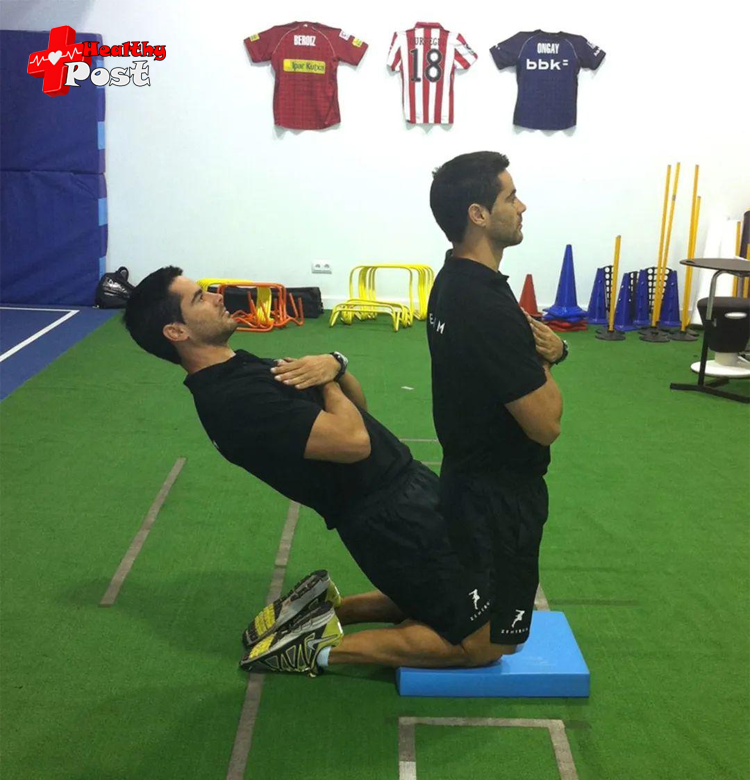
Kneel high with the instep touching the ground, the thighs and torso upright, and the calves parallel on both sides. Slowly fall backward within a controlled range. At this time, the quadriceps begin to contract eccentrically, control the speed of falling, stop before you feel out of control, and then return to the starting position. Note that when returning to the starting position, you should pull up the body by contracting the quadriceps and stretching the knee joints. Do not raise your head or bend your torso first.
The rhythm of slow descent and fast ascent should be adopt, especially for people with tight quadriceps. Descending too quickly may cause muscle strain.
Beginners can also prepare an elastic band, hold one end with both hands, and tie the other end high in front of the body.
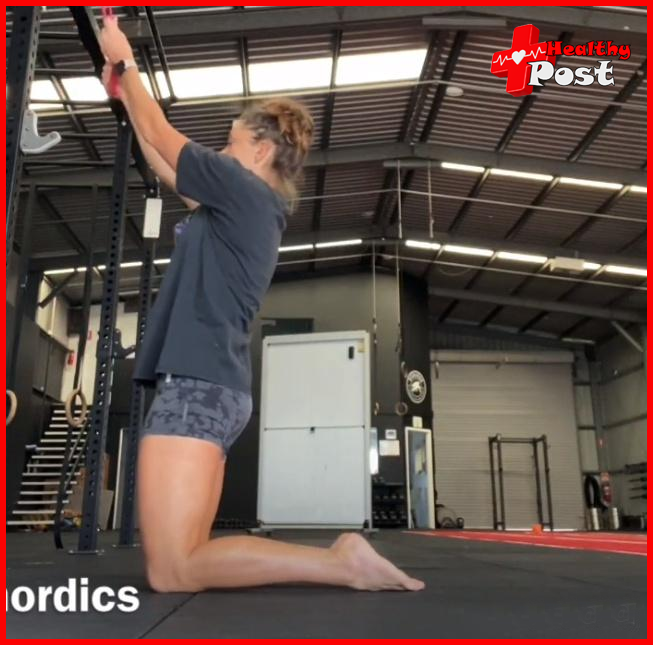
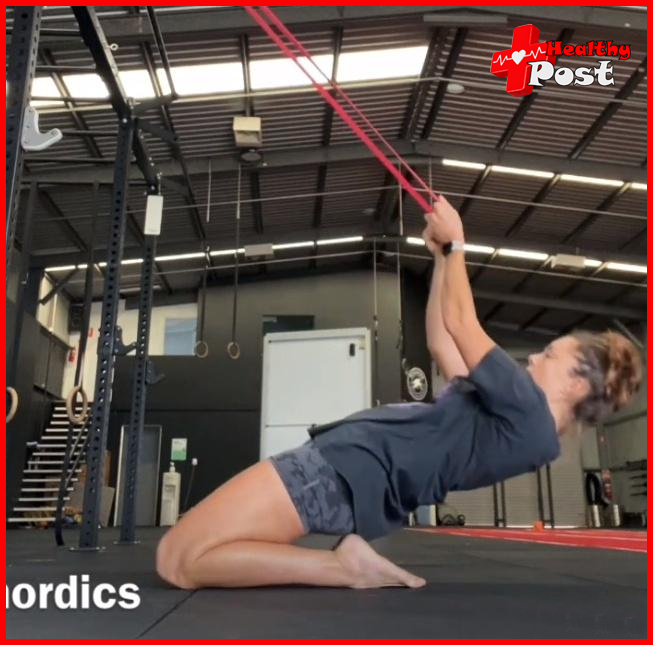
Use the strength of your upper limbs to assist in lowering your body.
when doing the reverse Nordic curl.
- Some people like to practice this exercise with their toes on the ground , but I recommend the instep method because it can include the entire front line of the lower limb, including the tibialis anterior, extensor hallucis longus and extensor digitorum longus in addition to the quadriceps femoris.
- Hip position. The entire movement can be perform with the hip joint in a neutral position or in an extended position, the latter of which requires more flexibility from the rectus femoris. It is important to avoid tightening the buttocks to actively extend the hip, and only use gravity as a source of resistance.
- Spine and head position. Eccentric exercises targeting the quadriceps keep the torso in a neutral position, but if you want to include the entire frontal line of the body in the movement, you can increase trunk extension, especially when descending to a lower position.
As you train, the ultimate goal is to be able to touch the ground with your head and upper back.
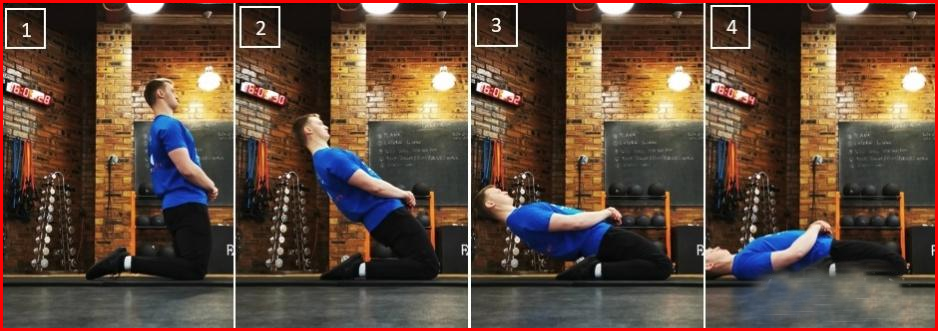
If your own bodyweight isn’t enough for you, you can add intensity by holding dumbbells, kettlebells, or weight plates in both hands.
Reverse Nordic curls are very effective for eccentric training of the quadriceps. Studies (Diego Alonso-Fernandez et al., 2019) have shown that 8 weeks of reverse Nordic curls can significantly increase the length, thickness, circumference and feather angle of the quadriceps.
Frequently Asked Questions
What is a Reverse Nordic curl and which muscles does it target?
A Reverse Nordic curl is a body-weight movement performed from a kneeling position by leaning your torso backward in a controlled manner. It primarily targets the quadriceps (particularly the rectus femoris) through eccentric loading, while simultaneously engaging the core, glutes, and stretching the hip flexors.
How does eccentric strengthening benefit the quadriceps and knees?
Eccentric strengthening involves loading a muscle while it lengthens. This helps improve tendon resilience, enhances joint stability around the knees, builds lower-extremity flexibility, and aids in injury prevention for high-impact activities like running, sprinting, and jumping.
Can beginners perform Reverse Nordic curls safely?
While the exercise is minimalist and requires no equipment, it places high demand on the quads and lower back. Beginners should start with a limited range of motion (partial leans) and focus heavily on keeping the core braced and the hips fully extended before attempting a full descent.
When should you avoid doing Reverse Nordic curls?
You should avoid or modify this exercise if you have acute knee pain, patellar tendinopathy flare-ups, severe lower back discomfort, or restricted ankle mobility. Always consult a physiotherapist or healthcare professional to scale the movement to your current physical condition.
1 Comment
Pingback: What will happen to those who took long baths?