

Medical Disclaimer: This content is for informational and educational purposes only and does not constitute professional medical advice, cardiovascular diagnosis, or treatment. Always seek the advice of your cardiologist or other qualified healthcare provider with any questions regarding a medical condition or cardiovascular health.
Written by Dr. Sarita Rao (Interventional Cardiology, Apollo Hospitals).

🏥 Medical Review Board Member
Dr. Sarita Rao, FACC, FESC
Senior Interventional Cardiologist | Apollo Hospitals (Indore, India)
Dr. Sarita Rao, FACC, FESC, is a renowned Senior Interventional Cardiologist with over 25 years of distinguished clinical experience in advanced cardiac sciences. Widely recognized as the first female Interventional Cardiologist in Central India, her commitment to evidence-based medicine ensures the highest standards of heart health tracking, diagnostic accuracy, and patient safety.
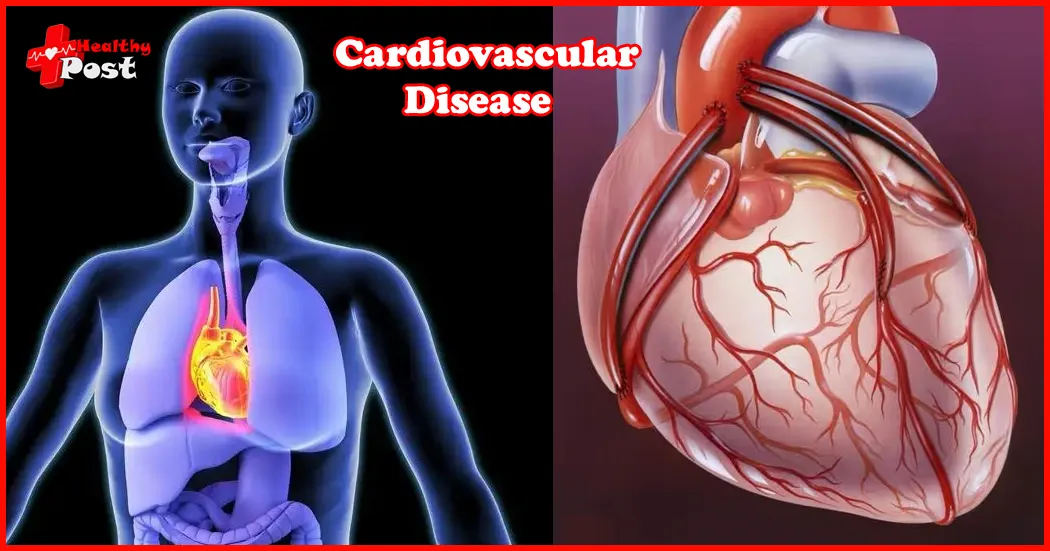
The occurrence of cardiovascular disease has claimed many lives and destroyed many families. It is a frightening disease.
At present, the occurrence of cardiovascular disease is very common, especially for middle-aged and elderly people. The risk of cardiovascular disease is gradually increasing, which seriously threatens people’s health. For us, we must Protect your own blood vessel health and fight this “defense battle”. So what can we do every day to prevent the occurrence of cardiovascular diseases?
Do not stay up all night
Staying up late will increase the burden on the human heart and reduce the activity of various organs of the human body. Not only will the blood pressure of a person significantly increase, but it will also lead to a decrease in immune function and increase the risk of cardiovascular disease, so it must be avoided as much as possible. stay up.
Reasonable exercise
Reasonable exercise has many benefits for human health and can also prevent the occurrence of cardiovascular diseases. Exercise methods that are more suitable for most people include: brisk walking, jogging, etc. When a person exercises, the speed of blood flow will accelerate. The faster blood circulation throughout the body will improve the body’s function. It can also play a role in dredging blood vessels and has certain benefits in improving heart function. However, overly intense exercise should be avoided. .
Reduce salt intake
The scientific amount of salt intake is generally within 6 grams. You can buy a salt-limiting spoon. You can use the spoon to control the amount of salt used every time you cook.
Here I would like to remind everyone that reducing salt intake is not just about adding less salt in cooking. Many foods and seasonings in daily life contain a lot of salt, such as pickles, ham, soy sauce, sauces, etc. , these foods are hidden “high-salt” foods, and your daily intake needs to be reduced.
Quit smoking and limit alcohol consumption:
Smoking is harmful but not beneficial. Smoking will increase bad cholesterol in the blood and reduce good cholesterol, which can easily lead to cardiovascular disease. Therefore, to protect cardiovascular disease, you must quit smoking.
When it comes to drinking, many people will say that drinking less alcohol is good for the body. However, this benefit has been scientifically proven to be non-existent. It is also unscientific to say that drinking wine can soften blood vessels. Therefore, quitting drinking is a good way to protect blood vessels. If you really can’t quit drinking, you need to reduce your alcohol intake. It is recommended that your weekly alcohol intake should not exceed 100 grams.
Frequently Asked Questions (FAQ)
- What is the primary cause of cardiovascular disease? Cardiovascular disease is primarily caused by atherosclerosis, a condition where plaque (composed of fat, cholesterol, and calcium) builds up inside the arteries, narrowing them and restricting blood flow.
- How do blood vessels age, and can that process be reversed? Over time, blood vessels lose their elasticity and become stiffer due to aging, oxidative stress, and poor lifestyle habits. While you cannot completely reverse biological aging, adopting heart-healthy habits can significantly improve vascular elasticity and keep vessels functionally younger.
- What are 4 key things to keep blood vessels young and healthy? Maintaining vascular health typically involves eating a nutrient-rich diet (like the Mediterranean diet), engaging in regular aerobic exercise, managing stress levels effectively, and avoiding smoking or excessive alcohol consumption.
- How does regular exercise protect against cardiovascular disease? Physical activity helps lower blood pressure, reduces LDL (“bad”) cholesterol, improves insulin sensitivity, and enhances blood vessel dilation, which collectively decreases strain on the heart.
- When should I consult a doctor regarding my cardiovascular health? You should seek medical evaluation if you experience persistent symptoms such as chest pain, shortness of breath, unexplained fatigue, heart palpitations, or if you have major risk factors like hypertension, diabetes, or a family history of heart disease.
30 Comments
Pingback: What kind of chest pain is more "dangerous"?
Pingback: Black rice can protect the heart and brain blood vessels
Pingback: What are the early symptoms of myocardial infarction? -
Pingback: What Is Sonography and Its Benefits: The Ultimate Guide
Pingback: let's know some facts about Poisonous Scorpionfish
Pingback: What are the symptoms of congestive heart failure?
Pingback: A brief discussion on the factors causing falls in the elderly and the strategies to prevent falls
Pingback: The Mystery of Royal Jelly: Why is it So Popular?
Pingback: Oxidized and reduced coenzyme Q10, which one is better for protecting the heart?
Pingback: Best Ways to Lower Triglyceride Levels
Pingback: Here's everything you need to know about painkiller
Pingback: What are the benefits of skipping rope to the body?
Pingback: The real effect of Coenzyme Q10, the most detailed introduction
Pingback: Health benefits of omega-3 fatty acids that many people don’t know
Pingback: High blood pressure, sometimes no symptoms, be careful of heart disease! - Health Page
Pingback: 5 types of "hypertension", don't rush to take antihypertensive drugs to avoid causing low blood pressure!
Pingback: When should you start taking antihypertensive drugs
Pingback: Normal and lower heart beat means longer life! Learn 3 ways to control your heart beat
Pingback: If your blood lipids are not up to standard after taking statins, you can try Category 2 drugs
Pingback: Atrial Fibrillation—10 Key Facts You Must Know
Pingback: These 8 diseases are all caused by anger.
Pingback: Let's know garlic benefits for health
Pingback: universal nutrition animal advanced omega 30 pack
Pingback: The ICD 10 Code for SOB: Guide to Accurate Medical Coding
Pingback: How Useful Is the Summers Cardio Core Machine for Heart Patient
Pingback: 3 Dangerous Health Risks Detected Early by Homocysteine Test
Pingback: Fenofibric Acid Tablets: What Diseases They Treat
Pingback: KitchenAid Food Processor: 7 Ultimate Benefits Every Cook Must Know
Pingback: Eating black sesame regularly has 7 benefits
Pingback: Caffeine Effects on Heart Rate: How Coffee Impacts Your Cardiac Health