

Clinical Review & Medical Authorship
This article accompanying “Synthetic Urine: 7 Shocking Facts About Quick Fix Synthetic Urine Risks” was written and clinically reviewed by Dr. Chiara Del Prete (Urology & Oncology, AST Pesaro Urbino), ensuring accurate toxicological and medical screening context.
Medical Disclaimer: The facts, toxicological insights, and regulatory risks detailed below are provided strictly for educational and informational purposes. This content does not endorse, encourage, or provide instructions for bypassing drug screenings or medical tests, nor does it replace professional legal, toxicological, or medical advice. Always consult with qualified healthcare or legal professionals regarding substance screening regulations and clinical health concerns.

🏥 Medical Review Board Member
Dr. Chiara Del Prete, MD
Urologist | Clinical Reviewer
Dr. Chiara Del Prete is a registered medical doctor and specialist in Urology (Dirigente Medico in Urologia) based in Italy, with clinical affiliations including AST Pesaro Urbino and Ospedale San Salvatore di Pesaro. She completed specialized training in advanced urological and robotic-assisted surgical techniques, earning a certificate of excellence from the ERUS curriculum. Dr. Del Prete actively contributes to peer-reviewed medical literature and clinical research focusing on urological oncology, stone disease, and reconstructive urology, ensuring all content maintains the highest standards of medical accuracy and clinical integrity.
If you are searching for synthetic urine, you are probably feeling stressed.
Maybe you are worried about a drug test.
Maybe a friend told you that quick fix synthetic urine is an easy solution.
You are not alone.
Many people feel intense pressure about employment, probation, or insurance screening.
In those moments, fake urine kits can seem tempting and harmless.
Yet the reality is very different.
These products carry serious risks for your health, your freedom, and your future.
This article breaks down seven surprising facts that most ads never mention.
You will not find judgment here.
You will find clear science, compassionate support, and healthier options. 💛
What Is Synthetic Urine, Really?
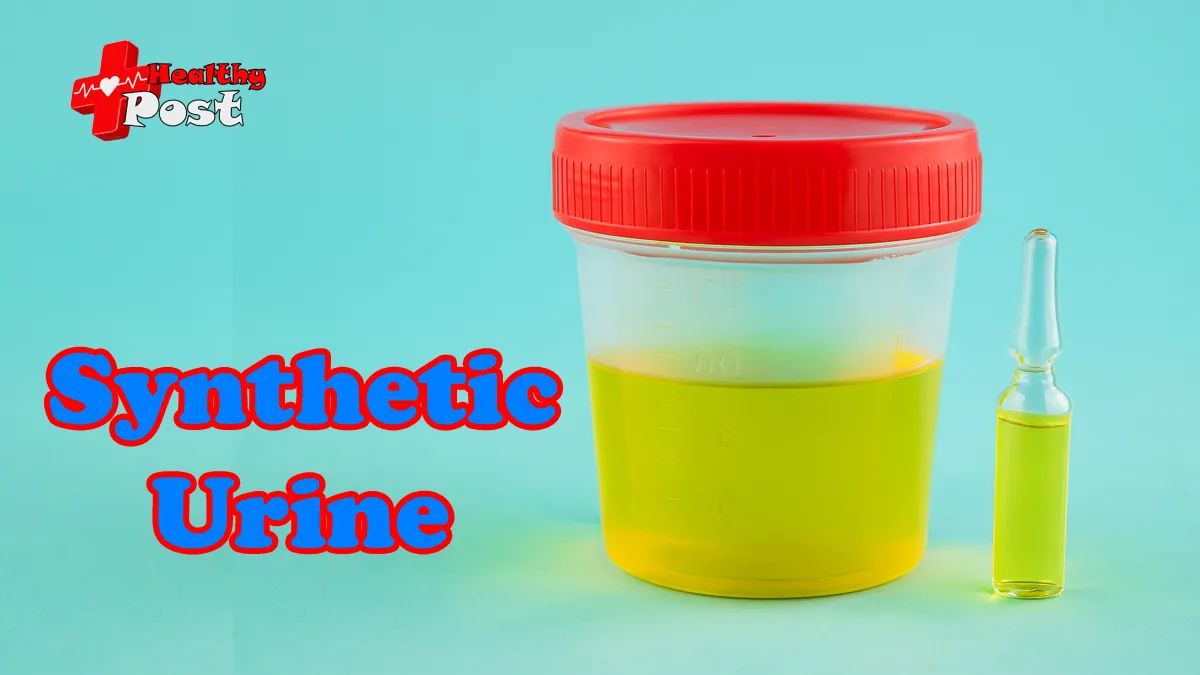
Synthetic urine is a man‑made liquid designed to look like real human urine.
It usually contains:
- Water
- Urea or uric acid
- Creatinine
- Salts and sometimes colorants
- Preservatives and stabilizers
Brands like quick fix synthetic urine package this liquid with:
- Heating pads or temperature strips
- Small bottles or pouches
- Instructions that promise “clean” tests
Some people even search “synthetic urine near me” to find local smoke shops.
Others look online for the “best synthetic urine” brands.
Most marketing focuses on passing tests.
Very few sites discuss health or legal consequences.
That silence puts many people at risk.
7 Shocking Facts About Quick Fix Synthetic Urine Risks
1. Modern Labs Are Built to Catch Fake Urine 🧪
Drug testing technology has changed a lot in recent years.
Many people still picture simple strip tests from years ago.
Today, labs use far more sensitive tools and strict protocols.
Here are some ways labs detect fake or altered samples:
- Measuring temperature within a few minutes of collection
- Checking pH, specific gravity, and creatinine levels
- Looking for preservatives not found in natural urine
- Comparing color, smell, and even foam characteristics
- Testing for synthetic additives with advanced instruments
Many laboratories follow strict federal guidelines.
An example is the U.S. Department of Transportation drug and alcohol testing requirements.
These rules are designed to detect tampering and substitution.
What this means for you:
- A product sold as the “best synthetic urine” may still fail basic checks.
- If a lab flags your sample as fake, they may report it as “refused.”
- In many workplaces, refusal equals a positive result.
Being caught using fake urine can lead to job loss.
It can also cause probation violations or contract termination.
The risk is much higher than many people expect.
2. Quick Fix Products Are Not Medical‑Grade or Sterile 🧴
Most people assume any packaged liquid is safe on skin.
That is not always true.
Synthetic urine products are not approved medical devices.
They are not sterile like IV fluids or wound solutions.
They are not produced with hospital‑level hygiene standards.
Common issues include:
- Unknown preservatives and stabilizers
- Possible contamination during bottling or handling
- Unclear storage instructions and expiration dates
If you spill fake urine on broken skin, irritation can occur.
If a pouch leaks under clothing, bacteria can grow in warm moisture.
Real life example:
Someone wears a urine belt during a long commute.
The packet leaks, stays trapped against skin, and causes a rash.
While many reactions are mild, some can be more serious.
Potential health issues:
- Skin irritation or contact dermatitis
- Worsening of eczema or psoriasis
- Local infections in moist, warm areas
Your skin is your body’s first defense system.
Trapping a non‑sterile liquid against it is never ideal.
3. Burns, Spills, and Equipment Accidents Can Happen 🔥
Quick fix synthetic urine kits often include heating elements.
These devices aim to keep the fake urine “body temperature.”
Common heating methods:
- Chemical heat pads
- Microwaving the bottle
- Electric warmers or hand warmers
Each method carries physical risks.
Possible accidents include:
- Burns from overheated liquid against sensitive skin
- Blisters from heat pads attached for too long
- Microwaved containers melting or bursting
Short example:
Someone overheats the bottle in a microwave.
The plastic warps, leaks, and hot fluid burns the inner thigh.
Even a mild burn in the groin area can be very painful.
In some cases, people feel too embarrassed to seek care.
Delaying medical attention can cause:
- Infection
- Scarring
- Increased pain and anxiety
Your safety is more important than passing any single test.
4. Legal and Employment Consequences Are Often Severe ⚖️
Many people think fake urine sits in a legal “gray area.”
In several places, that is no longer true.
Some U.S. states have laws against:
- Selling synthetic urine for test fraud
- Possessing it with intent to defraud a test
- Helping someone else cheat a drug screen
Penalties can include fines and, in some cases, jail time.
Even without a specific statute, other laws may apply.
For example, fraud or falsifying records.
In the workplace, consequences can be life‑changing:
- Immediate job termination
- Loss of professional licenses
- Being marked as “not eligible for rehire”
- Difficulty finding work in regulated industries
Employers may also require observed collections after suspicion.
That experience can feel very invasive and humiliating.
In legal settings, like probation or custody cases, stakes are higher.
A tainted test could affect your record or your family.
The emotional cost is heavy too.
Shame, fear, and regret often follow.
5. Fake Urine Can Delay Real Help for Substance Use 💔
Many people reach for synthetic urine because they feel trapped.
They may worry about losing a job or housing.
They may feel unable to stop using a substance on their own.
Using fake urine can create a dangerous cycle:
- Feel stress about a drug test.
- Use quick fix synthetic urine to avoid detection.
- Pass or think they passed.
- Continue substance use without support.
- Stress returns before the next test.
This pattern keeps you stuck in fear and secrecy.
It can also hide important health problems from professionals.
Organizations like the National Institute on Drug Abuse explain how addiction changes the brain.
Substance use is not a simple “willpower issue.”
It is a complex medical condition that deserves real care.
When fake urine “works,” it reinforces avoidant coping.
It tells your mind that hiding is safer than healing.
Over time, this can:
- Worsen mental health symptoms
- Increase feelings of isolation
- Delay treatment until a crisis hits
You deserve more than constant fear of being caught.
You deserve support, respect, and evidence‑based care. 🌱
6. Health Professionals May Miss Serious Conditions 🩺
Urine tests are not only about drugs.
Doctors use them to check many health conditions.
Examples include:
- Kidney disease
- Diabetes
- Urinary tract infections
- Dehydration or electrolyte issues
- Liver problems and muscle breakdown
If a person uses synthetic urine before a medical visit, the result is misleading.
The lab may see “normal” values from the fake sample.
This can cause:
- Missed early signs of kidney or liver disease
- Delayed diagnosis of diabetes or infection
- Wrong assumptions about medication levels
Imagine this scenario.
You have burning urination and back pain.
You panic about a possible drug screen at the clinic.
The doctor sees a clean report.
They may send you home without treatment.
Meanwhile, an untreated kidney infection can spread and become severe.
Accurate information helps doctors help you.
Hiding behind fake urine blocks that partnership.
For mental health and substance use treatment, honest tests can guide care.
They help clinicians choose safer medications and therapies.
Faking tests removes that safety net.
7. Online “Best Synthetic Urine” Searches Open Doors to Scams and Unsafe Products 💻
Typing “best synthetic urine” or “synthetic urine near me” into a search bar can feel desperate.
The results often include:
- Unregulated online shops
- Fake review sites
- Copycat products mimicking popular brands
- Sellers outside your country’s safety standards
These products may:
- Contain unknown chemicals
- Use misleading labels or ingredients
- Be expired or poorly stored
- Fail basic lab screens
Some websites also collect sensitive data.
For example, names, addresses, or payment details.
This information can be exposed in data breaches or misused.
There is also an environmental cost.
Most kits use single‑use plastics, chemical heat packs, and batteries.
Improper disposal can harm water and soil quality.
Health organizations like the Centers for Disease Control and Prevention emphasize safer behaviors.
They encourage risk reduction, not risky shortcuts.
Before you trust any online promise, ask:
- Who regulates this product?
- What are the health and legal risks to me?
- What could I do instead that supports my long‑term health?
Often, the safer path is reaching out for help.
Not searching for the next hidden trick.
Comparison Table: Real Urine vs Synthetic Products
| Feature | Real Human Urine | Quick Fix Synthetic Urine / Other Fake Kits |
|---|---|---|
| Source | Produced by kidneys from your blood | Factory-made mixture of chemicals and water |
| Sterility | Usually low bacteria when fresh, natural components | Not sterile, may contain preservatives or contaminants |
| Health Information | Shows kidney, liver, infection, and metabolic status | Provides no real medical information |
| Legal Status | Normal bodily fluid | Restricted or illegal in some regions for test fraud |
| Detection Risk | Matches your body’s profile | Can be flagged by modern lab checks and temperature |
| Long-Term Effect | Supports accurate diagnosis and treatment | Can delay care, harm trust, and increase stress |
Healthier Alternatives to Synthetic Urine Use 🌿
If you feel tempted to use synthetic urine, it usually means something deeper.
Maybe you are afraid of losing your job.
Maybe you feel trapped in a pattern of substance use.
Here are safer, more supportive steps:
- Talk with a trusted health professional
- Be honest about your use and your fears.
- Ask about confidential help and treatment options.
- Learn about substance use treatment
- The Substance Abuse and Mental Health Services Administration offers helplines and resources.
- Many programs are low‑cost or supported by insurance.
- Ask about workplace policies
- Some employers offer Employee Assistance Programs.
- These can include counseling and treatment referrals.
- Focus on harm reduction
- Even small changes can protect your health.
- Examples: cutting down use, avoiding mixing substances, improving sleep.
- Build emotional support
- Talk with a trusted friend, family member, or support group.
- Connection reduces shame and isolation.
You deserve compassionate care, not punishment.
You also deserve honest information to make safer choices.
FAQs About Synthetic Urine and Your Health
1. Is synthetic urine safe to keep against my skin?
No product is completely risk‑free.
Fake urine is not sterile and may contain irritants or contaminants.
Leaking pouches or spills can cause rashes, irritation, or infection.
If you notice redness, pain, or blisters, seek medical advice.
2. Can quick fix synthetic urine still pass modern drug tests?
There is no reliable guarantee.
Modern labs check temperature, pH, creatinine, and other markers.
Many can detect common substitution products.
If a lab flags your sample as fake, consequences can equal a positive test.
3. Is it illegal to buy or use synthetic urine?
Laws vary by country and state.
Some places restrict selling or possessing fake urine for test fraud.
Even without a specific law, using it can violate workplace or legal rules.
Always check local regulations and consider long‑term risks.
4. What should I do if I already used fake urine?
You can still move toward safer choices today.
Consider these steps:
- Book an honest visit with a health professional.
- Discuss any substance use and your test history.
- Ask about screening for kidney, liver, and mental health.
You might feel ashamed, but professionals see these issues often.
Their role is to help, not judge.
5. How can I manage anxiety about upcoming drug tests?
Anxiety about testing is very common.
Helpful strategies include:
- Talking with a therapist or counselor
- Practicing breathing or mindfulness exercises
- Learning your rights and workplace policies
- Creating a realistic plan for reducing or stopping substance use
Support reduces panic.
It also builds confidence that does not depend on fake urine.
6. Are there medical reasons to use synthetic urine?
In most everyday situations, no.
Research labs sometimes use artificial urine for equipment testing.
However, that is very different from personal use to alter drug screens.
For medical care, real samples are always more helpful and safer.
Conclusion: Choosing Health Over Synthetic Urine 🧡
Synthetic urine may look like an easy shortcut.
Especially when jobs, relationships, or legal situations feel fragile.
Yet the hidden costs are heavy.
You have seen seven key risks:
- Increasing detection by modern laboratories
- Non‑sterile products and possible skin problems
- Burns and injuries from heating devices
- Serious legal and employment consequences
- Delayed support for substance use or mental health
- Missed diagnoses of real medical conditions
- Scams, unsafe products, and environmental harm
When you step back, the picture is clear.
Quick fix synthetic urine does not offer real safety.
It often deepens stress, secrecy, and health risks.
You deserve a future built on stability and wellness.
Not constant fear of being caught.
If you feel stuck, reaching out is a brave first step.
A healthcare professional, counselor, or support line can guide you.
Resources from places like the National Institute on Drug Abuse and Substance Abuse and Mental Health Services Administration can help you explore options.
Choosing honest care over synthetic urine is not weakness.
It is a strong investment in your body, mind, and future. 💫

1 Comment
Pingback: Calorie Calculator: 10 Powerful Reasons for Easy Maintenance & Chipotle Meals