

This article has been written by Dr. Priyanka Agarwal (Dermatologist, Dakai Skin Clinic), specializing in clinical dermatology, skin texture concerns, and therapeutic moisturization treatments.
Medical Disclaimer: The information provided on Healthy Post regarding keratosis pilaris, skin texture concerns, and specialty moisturizer solutions is for educational and informational purposes only and does not constitute formal medical or dermatological advice. Keratosis pilaris is a harmless genetic condition causing rough bumps, but persistent or severely inflamed skin requires a professional clinical evaluation. Always consult a qualified dermatologist or healthcare provider for personalized skincare and treatment recommendations.

Dr. Priyanka Agarwal
Dermatologist | Dakai Skin Clinic
Dr. Priyanka Agarwal is an experienced Dermatologist dedicated to providing advanced medical and aesthetic skin care solutions. Practicing at Dakai Skin Clinic, Dr. Agarwal combines evidence-based dermatological care with a patient-centered approach, ensuring optimal skin health, advanced clinical treatments, and the highest standards of safety and diagnostic precision.
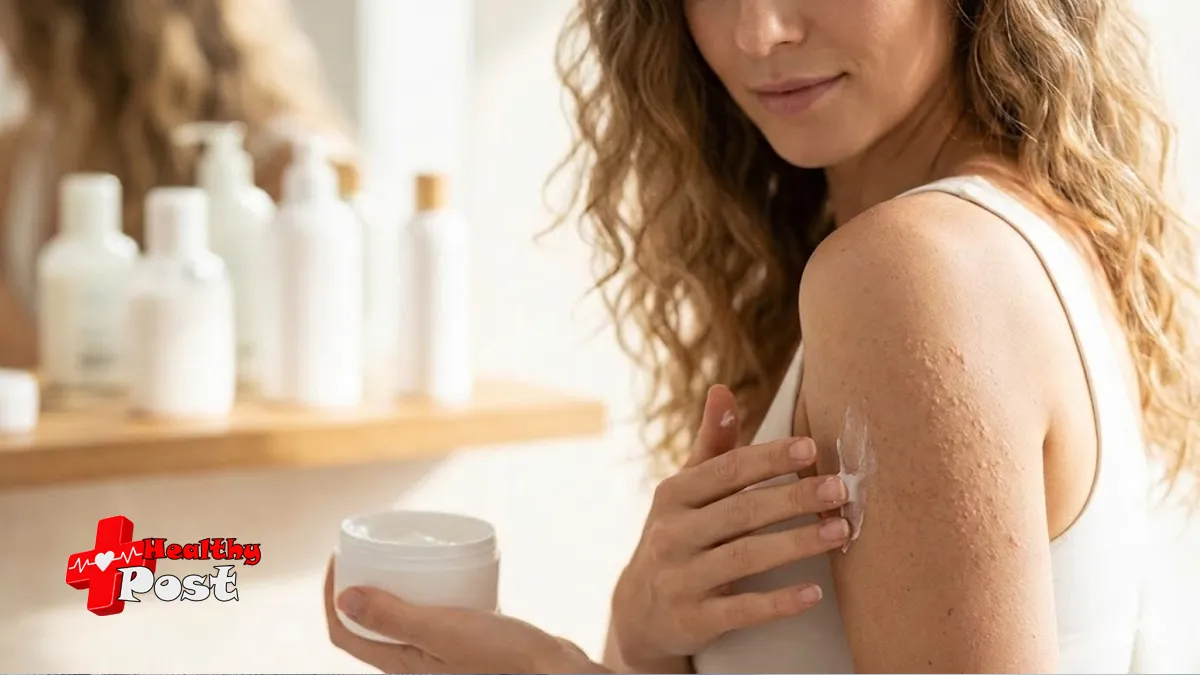
If you live with those tiny, rough bumps often called “chicken skin,” you are not alone. Keratosis pilaris can feel frustrating, especially when every new product promises miracles. The right keratosis pilaris moisturizer, however, can genuinely soften bumps and calm redness over time.
Keratosis pilaris happens when keratin plugs your hair follicles. Your skin feels rough, looks dotted, and may appear red or uneven. It is harmless, yet it can affect confidence and comfort.
Many people try harsh scrubs or strong treatments first. That often makes things worse. Your skin barrier becomes irritated, and the bumps look even more noticeable.
This guide walks you through five proven moisturizer-based solutions that support smoother, calmer skin. Each step is practical and realistic, not perfection focused. This article is also written with Rank Math SEO optimization in mind, so you can easily return to it when needed. 😊
1. Rebuild Your Skin Barrier With Rich, Fragrance‑Free Creams
Before exfoliating, your skin needs comfort and protection. A strong barrier helps every other keratosis pilaris treatment work better.
When choosing a daily body cream, look for:
- Ceramides
- Glycerin or hyaluronic acid
- Petrolatum or dimethicone
- Shea butter or similar emollients
- Fragrance‑free, dye‑free formulas
These ingredients hydrate deeply and prevent water loss. They also help repair the damaged barrier that often comes with KP and dry skin.
A thick, fragrance‑free ceramide cream is ideal on most days. It locks in moisture and reduces that tight, scratchy feeling. A well-formulated ceramide moisturizer supports smoother, more resilient skin over time.
Real‑life example:
Sara, 29, used to exfoliate her arms daily. Her bumps stayed red and sore. Once she switched to a simple ceramide cream twice a day, her skin became less angry. Only then did exfoliating lotions start to help.
How to use barrier creams for KP
- Apply within three minutes after showering.
- Use more on rough zones: outer arms, thighs, buttocks.
- Reapply at night on problem areas.
- Pair with gentle cleansers, not harsh soaps.
This simple step may feel basic, yet it creates the foundation every keratosis pilaris moisturizer routine needs.
2. Use Exfoliating Moisturizers With Lactic Acid or Urea
Once your barrier is calmer, you can introduce gentle exfoliating moisturizers. These are lotions or creams that hydrate while dissolving the keratin plugs.
Two of the most researched ingredients are lactic acid and urea.
- Lactic acid: a mild alpha hydroxy acid. It smooths texture and adds moisture.
- Urea: softens and loosens rough skin while attracting water.
Dermatologists often recommend lactic acid concentrations around 5–12 percent for body use. Urea creams may range from 10–20 percent for KP. A well‑chosen lactic acid lotion can gently refine texture without aggressive scrubbing.
Why these exfoliating moisturizers help keratosis pilaris
- They reduce buildup in the follicle opening.
- They smooth the “sandpaper” feel.
- They can fade redness with consistent use.
- They hydrate at the same time, reducing irritation risk.
Real‑life example:
James, 35, used a 12 percent lactic acid lotion on his arms every evening. He followed it with a plain moisturizer on very dry spots. After six weeks, his bumps felt flatter, and the redness softened.
How to start exfoliating moisturizers safely
- Begin every other night on key areas.
- If no stinging or peeling occurs, increase to nightly.
- Avoid using on freshly shaved skin at first.
- Always follow with a bland, rich cream if your skin is dry.
If your KP is very sensitive, patch test a small area first. It is normal to feel a mild tingle, but burning or intense redness means the product is too strong.
3. Add Targeted Salicylic Acid Lotions for Stubborn Bumps
Some KP bumps stay firm and clogged, even with lactic acid or urea. For those spots, salicylic acid can help.
Salicylic acid is a beta hydroxy acid. It penetrates inside the pore and helps dissolve the plug. It also has mild anti‑inflammatory properties, which can reduce redness.
You will usually see salicylic acid body lotions in strengths around 1–2 percent. They are often labeled as “rough and bumpy skin” or “body smoothing.”
When to try a salicylic acid body lotion
- Your KP bumps feel very firm and plugged.
- Lactic acid or urea helped, but results plateaued.
- You do not have an aspirin allergy.
- Your skin is not extremely sensitive or broken.
Salicylic lotions can be very effective, but they require respect. Use them as part of a structured keratosis pilaris moisturizer routine, not on every inch of your body at once.
Safe routine idea with salicylic acid
- Morning: gentle body wash, rich ceramide cream.
- Evening (three nights weekly): salicylic acid lotion on roughest areas.
- Other evenings: lactic acid or urea lotion, then barrier cream.
Real‑life example:
Maya, 23, had KP on her thighs that stayed very bumpy. She used a 2 percent salicylic acid lotion three nights a week. On off nights, she applied lactic acid lotion. After two months, the texture of her “chicken skin” looked noticeably smoother.
4. Choose the Right Keratosis Pilaris Moisturizer for Your Skin Type
No single product fits everyone. Your perfect keratosis pilaris moisturizer depends on your skin type, sensitivity, and lifestyle.
Here is a quick comparison to guide your choice.
| Type | Best For | Main Benefits | Potential Drawbacks |
|---|---|---|---|
| Ceramide cream | Dry, sensitive KP | Repairs barrier, deeply hydrates | May feel heavy in hot climates |
| Lactic acid lotion | Rough, dull KP | Smooths texture, hydrates | Can sting on broken or freshly shaved skin |
| Urea cream | Very thick, scaly KP | Softens and loosens bumps | Higher strengths may irritate some users |
| Salicylic acid lotion | Clogged, stubborn KP | Clears plugs, calms redness | Not for aspirin‑sensitive or very reactive skin |
| Lightweight lotion | Oily or acne‑prone body skin | Non‑greasy moisture | May not be enough for severe dryness |
For many, a layered approach works best. That might look like this:
- Use an exfoliating lotion on problem patches.
- Seal with a richer cream on dry zones.
- Keep a lighter lotion for warm weather or sweaty days.
Anchoring your routine around one or two key products prevents overwhelm. You do not need ten bottles in your bathroom to see progress.
For a deeper overview of symptoms and triggers, the American Academy of Dermatology explains keratosis pilaris in clear medical terms. You can also learn more about specific keratosis pilaris symptoms and related issues.
Signs your current moisturizer is not right
- Stinging that lasts more than a few minutes.
- Worsening redness or new itchy patches.
- Peeling or burning sensations.
- No improvement after six to eight weeks of regular use.
If you notice any of these, scale back. Return to a very simple, fragrance‑free moisturizer until your skin settles. Then reintroduce active ingredients slowly.
5. Build a Gentle, Consistent Routine Around Your Moisturizer
A great product can only do so much if your overall habits fight against it. The most effective keratosis pilaris moisturizer plan is part of a calm, predictable routine. 🌿
Shower habits that support smoother skin
- Keep showers lukewarm, not hot.
- Limit shower time to 10 minutes.
- Use gentle, fragrance‑free body wash.
- Avoid harsh scrubs, loofahs, or pumice on KP areas.
Rough scrubbing can break the skin’s surface and worsen bumps. Gentle pressure with your hands or a very soft cloth is enough.
The ideal moisturizing order
- Pat skin dry; leave it slightly damp.
- Apply exfoliating lotion on KP areas, if using.
- Wait a few minutes if the product instructions suggest.
- Add a rich, fragrance‑free moisturizer on top or on other body parts.
This layering keeps the active ingredients close to the skin, while also preventing dryness. Over time, consistency wins over intensity.
Helpful lifestyle tweaks
- Use a humidifier in very dry climates or during winter.
- Wear soft fabrics like cotton instead of rough wool on KP areas.
- Avoid picking or scratching the bumps.
- Protect your skin from sun exposure with SPF on exposed areas.
A simple, gentle skin care routine often does more for KP than constant product changes. Give your new routine at least six to twelve weeks before judging results.
Putting It All Together: A Sample Keratosis Pilaris Moisturizer Routine
Here is a realistic sample routine many people with KP find manageable. You can adjust it with your own products.
Morning
- Short, lukewarm shower with gentle, fragrance‑free cleanser.
- Pat arms and thighs dry.
- Apply lactic acid lotion on bumpy areas.
- Follow with ceramide cream on drier zones or over the lotion if needed.
- Add sunscreen to exposed areas if wearing short sleeves.
Evening
- Rinse with lukewarm water if needed; avoid over‑cleansing.
- Apply salicylic acid lotion on the most stubborn bumps, three nights weekly.
- On other nights, use urea cream instead.
- Seal with a rich, fragrance‑free moisturizer before bed.
Weekly check‑in
- Notice how your skin feels, not only how it looks.
- If you feel irritated, reduce exfoliating nights.
- If you feel dry, increase barrier cream use.
This structure guides you, but you do not need perfection. Missing a night sometimes will not erase your progress. The key is returning gently to your routine without guilt. 💙
Frequently Asked Questions
Is keratosis pilaris curable with moisturizer alone?
Keratosis pilaris is usually long‑term, but symptoms can improve a lot. Moisturizers with exfoliating and barrier‑repair ingredients can soften bumps and even out tone. However, KP often returns if you stop treatment, so ongoing care helps maintain results.
How long does it take for a keratosis pilaris moisturizer to work?
Most people need at least four to six weeks of steady use. Texture often improves first, followed by redness. Give new products about three months before deciding if they help, unless you feel irritated or uncomfortable.
Can I use face acids on my KP?
Sometimes, but caution is important. Facial acids can be stronger than needed for body skin. Look for products labeled for “body roughness” instead. If you choose to use a facial product, test a small patch first and monitor for irritation.
Should I exfoliate with a scrub as well as an exfoliating lotion?
Physical scrubs are usually unnecessary for KP and can cause micro‑tears. Chemical exfoliating lotions with lactic acid, urea, or salicylic acid are usually safer and more effective. If you still want a scrub, choose a very gentle one and use it rarely.
Do children with KP need special moisturizers?
Children often have sensitive skin. Use very gentle, fragrance‑free creams on them. Many pediatric dermatologists prefer lower strengths of lactic acid or urea, or sometimes only barrier creams. Always check with your child’s doctor before using active treatments.
When should I see a dermatologist about my KP?
See a dermatologist if your skin is very itchy, painful, or bleeding. Also seek help if you feel unsure about ingredients or have tried over‑the‑counter options without improvement. A dermatologist can confirm the diagnosis and suggest prescription treatments if needed.
Conclusion: Finding Your Best Keratosis Pilaris Moisturizer
Living with KP can feel discouraging, especially when every product promises instant miracles. Sustainable progress rarely happens overnight. It grows from a thoughtful routine, the right keratosis pilaris moisturizer, and kind habits toward your skin.
To recap the five key solutions:
- Strengthen your barrier with rich, fragrance‑free creams.
- Use lactic acid or urea exfoliating moisturizers for smoother texture.
- Add salicylic acid lotions carefully for stubborn bumps.
- Match each product to your skin type and comfort level.
- Build a gentle routine that supports, not stresses, your skin.
With patience and consistency, many people see their “chicken skin” soften, their redness fade, and their confidence grow. You deserve skin care that feels comforting, not punishing.
Start with one small change today. Maybe that is switching to a fragrance‑free cream, or adding a gentle keratosis pilaris moisturizer a few nights a week. Your skin does not need perfection. It needs steady, supportive care from you. 🌟
