


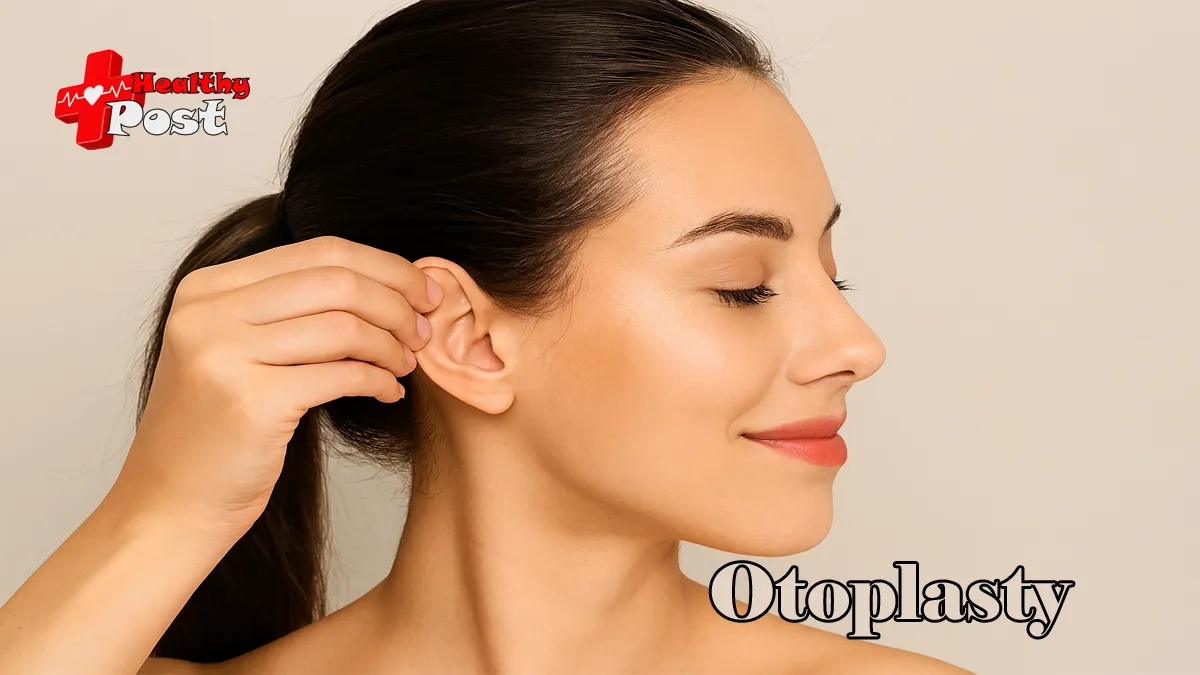
If you feel self‑conscious about prominent or asymmetrical ears, you are not alone. Many adults and teenagers quietly struggle with the way their ears look.
Over the last decade, more people have started choosing Otoplasty in Turkey to reshape their ears. They want safe, natural results performed by experienced surgeons, without paying the very high prices seen in some countries.
Patients often describe ear surgery as life changing. They finally feel comfortable wearing their hair up, taking photos, or meeting new people. Yet the decision to have surgery abroad can feel overwhelming at first.
This guide breaks everything down in clear, honest language. You will learn:
- Why Turkish otoplasty surgeons are in such high demand
- How clinics keep procedures safe and patient‑focused
- What affects otoplasty in turkey cost
- Practical tips to decide if travelling is the right choice for you
Let’s explore the seven proven reasons many people now see Turkey as a leading destination for ear reshaping surgery. 💫
1. Surgeons With High Levels of Training and Experience 👨⚕️👩⚕️
Choosing a surgeon is the most important decision you will make.
In Turkey, many plastic and ENT surgeons have:
- Long, structured medical training
- Subspecialty training in ear and facial procedures
- Significant experience with international patients
Rigorous Education and Certification
Turkish plastic and reconstructive surgeons complete:
- Six years of medical school
- Five or more years of residency
- Additional fellowships or advanced courses, often abroad
Many are members of international bodies like:
- The International Society of Aesthetic Plastic Surgery (ISAPS)
- The European Academy of Facial Plastic Surgery
These memberships usually require proof of training, experience, and ethical standards.
Focus on Cosmetic Ear Surgery
Because Turkey is a well known hub for cosmetic tourism, surgeons often perform cosmetic ear surgery and related procedures every week.
Frequent procedures lead to:
- A refined eye for natural ear shape
- Familiarity with different cartilage types and healing patterns
- Better handling of complex or revision cases
This experience matters. The more otoplasty cases a surgeon has performed successfully, the more comfortable you can feel.
2. Modern Hospitals and Clinics with International Standards 🏥
People often worry most about safety when considering surgery abroad. That concern is valid and healthy.
Many reputable Turkish clinics now meet or exceed international standards for:
- Sterilization and infection control
- Anaesthesia safety
- Emergency protocols
- Post‑operative monitoring
International Accreditation
Some private hospitals in major cities, like Istanbul and Ankara, hold:
- Joint Commission International (JCI) accreditation
- National health authority certifications
These accreditations require:
- Regular audits
- Documented safety procedures
- Continuous quality improvement
You should always ask a clinic:
- Whether its hospital has any international accreditation
- How often it performs otoplasty
- What their policy is if complications occur
Advanced Equipment and Techniques
Well established centres use:
- Modern operating theatres
- High quality anaesthesia machines
- Surgical microscopes and fine instruments
This technology supports more precise work and smoother recovery.
3. Transparent and Competitive Otoplasty in Turkey Cost 💸
Cost plays a big role in choosing where to have surgery. Many people ask early on:
“How much is otoplasty in Turkey?”
Prices vary between clinics, but they are often much lower than in Western Europe, the UK, or the United States.
You are not only paying for the operation. You are paying for:
- The surgeon’s skill
- Anaesthesia
- Hospital or clinic fees
- Aftercare and follow‑up
Typical Cost Ranges (Approximate)
These figures are general estimates. They may change over time and vary by clinic.
| Country / Region | Typical Otoplasty Price Range* | What’s Usually Included |
|---|---|---|
| Turkey | €1,500 – €2,800 | Surgeon, anaesthesia, facility, basic aftercare |
| UK | £3,000 – £5,000+ | Surgeon, hospital, basic follow‑up |
| Western Europe (avg.) | €3,000 – €5,500+ | Varies by country and private vs public sector |
| United States | 4,000–4,000–7,000+ | Surgeon, anaesthesia, facility, follow‑up visits |
*These are broad, illustrative ranges, not exact quotes.
Because of this difference, many find that even with flights and accommodation, the cost of otoplasty in turkey is still more manageable than at home.
What Affects Otoplasty in Turkey Cost?
Several factors influence your final quote:
- Surgeon’s experience and reputation
- City and clinic status
- Whether both ears or one ear need correction
- Complexity of your case
- Type of anaesthesia used
Always ask for a detailed breakdown of costs before booking. Clear pricing is a sign of a trustworthy clinic.
4. Natural‑Looking Results and Customized Planning 🎯
The best otoplasty in turkey focuses on subtle, balanced improvements. The goal is not “perfect” ears. The goal is ears that fit your face and look natural.
Thorough Consultation and Ear Analysis
A good surgeon will:
- Listen carefully to what bothers you
- Examine your ear cartilage and skin
- Evaluate face and ear symmetry
- Discuss realistic outcomes and limits
They might use:
- Photographs from several angles
- Digital simulations in some clinics
This helps you understand what is achievable and what is not.
Individualized Surgical Techniques
There is no single “standard” otoplasty method. Surgeons may:
- Place sutures to reshape cartilage
- Remove small amounts of cartilage where needed
- Set back prominent ears closer to the head
- Combine techniques for the best balance
The approach depends on:
- Your ear shape
- Cartilage strength
- Skin elasticity
- Any previous surgeries
A personalized plan reduces the risk of ears looking over‑pinned, uneven, or unnatural.
Brief Real‑Life Example
A 26‑year‑old woman from Germany felt her ears stuck out in photos. Her Turkish surgeon used hidden sutures and a small cartilage reshaping. After swelling settled, her ears looked softer and more symmetrical. Friends knew something was different but could not spot what. She felt comfortable tying her hair up in public for the first time. 😊
5. Smooth Patient Experience from Arrival to Recovery ✈️🤝
Travelling for surgery can feel intimidating. Many Turkish clinics now build full support systems around international patients.
Pre‑Trip Communication
Most reputable clinics offer:
- Online consultations via video call
- Review of your photographs and medical history
- Clear information about your options and risks
This helps you decide whether to proceed before booking flights.
Help with Travel Logistics
Some centres assist with:
- Airport transfers
- Recommended hotels near the clinic
- Translators or English‑speaking coordinators
This can reduce stress and confusion in a new country.
Aftercare and Follow‑Up
Post‑surgery care often includes:
- A head bandage for the first days
- Pain relief medication
- Instructions for sleeping and washing hair
- Follow‑up checks before you fly home
Many clinics also provide online follow‑up once you return home. You can send photos and ask questions about swelling or healing.
6. Short Recovery Time and Lasting Results 💪
Another reason people choose ear reshaping is the relatively short recovery. Most patients return to work or study within one to two weeks, depending on the job.
The First Week
You can expect:
- Some mild to moderate pain or discomfort
- Swelling and bruising around the ears
- A protective bandage or special headband
Pain is usually well controlled with prescribed medication. Keeping the head elevated and following all instructions is important.
Returning to Daily Life
Most people can:
- Walk gently from day one
- Return to desk work within a week or so
- Resume light exercise after about two weeks
Contact sports or activities that may bend the ears should wait longer. Your surgeon will give personalized advice.
Long‑Term Outcome
Otoplasty changes the position and shape of the cartilage. Once healed, results are usually long lasting.
You should still:
- Protect scars from strong sun
- Avoid trauma to the ears
- Follow up if you notice any unusual changes
According to general facial plastic surgery guidance, cartilage‑reshaping procedures often remain stable for many years, especially when properly performed. You can explore broader facial plastic surgery resources for more context.
7. A Boost in Confidence and Quality of Life 💖
The most important outcome of any cosmetic procedure is how you feel afterward.
People who have Otoplasty often report:
- Less anxiety about being photographed
- Greater confidence in social or professional settings
- Comfort wearing hairstyles they avoided for years
Emotional Impact
Children and teenagers who were teased about their ears may feel:
- Relieved once the teasing stops
- More willing to join group activities
- Happier at school
Adults who lived with embarrassment for years often describe a sense of “lightness” after surgery. The feature that once dominated their self‑image fades into the background.
Real‑Life Example
A 34‑year‑old man from the UK avoided swimming because he hated how his ears looked when wet. After surgery in Istanbul, he waited a few months for complete healing. Then he joined a local swimming group back home. He said the surgery did not change his personality. It simply removed a constant source of self‑criticism. 🏊
Is Otoplasty in Turkey Right for You? Key Points to Consider 🧭
Choosing to travel for surgery is a personal decision. Take time to weigh the pros and cons.
Advantages
- Lower overall costs than many Western countries
- High levels of surgeon expertise
- Modern hospitals with international standards
- Experience with diverse, international patients
Things to Research Carefully
- The surgeon’s individual experience with otoplasty
- Independent reviews and patient photos
- Hospital accreditation and emergency protocols
- Communication quality before you commit
Ask every clinic about how much is otoplasty in turkey in your specific case and what is included.
If a price seems extremely low compared with other clinics, be cautious. Very cheap quotes can signal corners being cut on safety, staff, or aftercare.
Frequently Asked Questions About Ear Surgery in Turkey ❓
1. Is Otoplasty in Turkey safe?
It can be very safe when performed by a trained, experienced surgeon in an accredited clinic. Your job is to choose carefully, verify credentials, and ask detailed questions about safety and aftercare.
2. Am I a good candidate for ear reshaping?
You may be a good candidate if:
- Your ears stick out more than you like
- You have asymmetry or deformities from birth or injury
- You are healthy, a non‑smoker, and have realistic expectations
Children are usually considered from around age five or older, once ears are near adult size.
3. Will I have visible scars?
Surgeons usually place incisions behind the ear or in natural folds. Scars tend to be thin and fade over time. They are often hard to see in daily life, especially when fully healed.
4. How long do I need to stay in Turkey after surgery?
Most patients stay about seven to ten days. This allows time for the first healing phase and for your surgeon to check early results, remove or adjust bandages, and ensure you are fit to travel.
5. Will my results look natural?
In the hands of a skilled surgeon, results are typically natural and balanced. Bring reference photos if helpful, but remember that your ears must suit your own face, not someone else’s.
6. What if I have complications after going home?
Minor issues are often managed through online follow‑up and local care. Before booking, ask the clinic how they handle complications for international patients and whether they coordinate with doctors in your home country if needed.
Final Thoughts: Making a Confident, Informed Choice 🌟
Choosing where to have ear surgery is deeply personal. Otoplasty in Turkey offers a compelling combination of skilled surgeons, modern clinics, competitive costs, and supportive patient care.
To summarize the seven proven reasons many people choose Turkey:
- Highly trained, experienced surgeons
- Modern, accredited hospitals and clinics
- Competitive and transparent pricing
- Customized surgical planning and natural results
- Structured support for international patients
- Manageable recovery and long‑lasting change
- A powerful boost in confidence and quality of life
If you are seriously considering surgery, take your time to:
- Research several clinics
- Compare the cost of otoplasty in turkey with prices at home
- Ask for before‑and‑after photos and verified patient feedback
- Have a detailed consultation where you feel heard and respected
Your ears are a small part of your body, yet they can have a big impact on how you feel. With careful planning and the right medical team, ear reshaping in Turkey can be a safe, positive step toward feeling more at ease in your own skin. 💖
When you feel ready, reach out to a few reputable clinics, ask thorough questions, and let your decision be guided by both facts and your own comfort.

1 Comment
Pingback: Brow Lift Before and After – 10 Stunning Results You’ll Love