


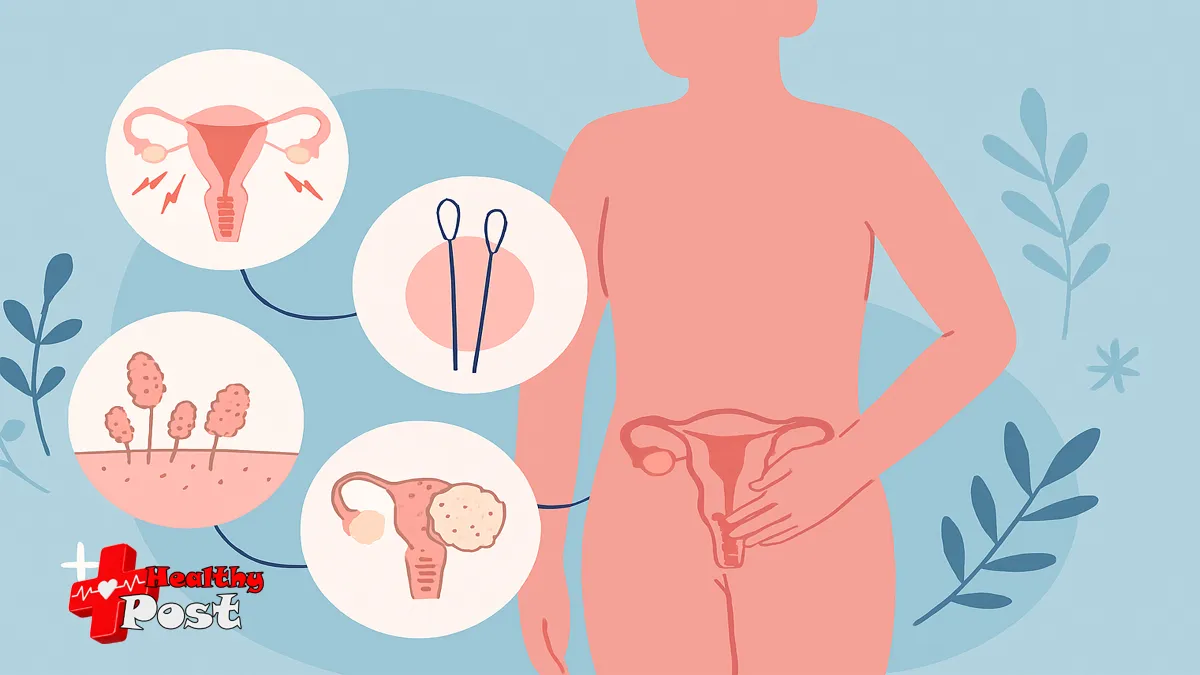
Gynecological diseases refer to illnesses affecting the female reproductive system, encompassing a wide range of conditions including vulvar diseases, vaginal diseases, uterine diseases, fallopian tube diseases, and ovarian diseases. These diseases not only affect women’s physical health but can also cause distress in their daily lives and mental well-being. Therefore, understanding and preventing gynecological diseases is crucial for every woman.
Common gynecological diseases
Gynecological inflammation
Vaginitis: Caused by bacterial, fungal, or trichomonal infections, it manifests as vulvar itching, abnormal discharge, and odor. Common types include bacterial vaginosis and candidal vaginitis.
Cervicitis : Inflammation of the cervix, divided into acute and chronic types. Acute cervicitis manifests as increased vaginal discharge, purulent or bloody leukorrhea, and cervical congestion; chronic cervicitis may have no obvious symptoms, or may manifest as lower back pain, a feeling of heaviness in the pelvis, etc.
Pelvic inflammatory disease (PID) : an inflammation of the female upper reproductive tract and surrounding tissues, mainly manifested as lower abdominal pain, fever, and increased vaginal discharge. PID may be related to sexually transmitted diseases, infections following intrauterine procedures, and other factors.
Irregular menstruation
Irregular menstrual cycles, excessive or insufficient menstrual flow, and changes in menstrual blood color are all symptoms of menstrual disorders. Long-term menstrual irregularities may lead to problems such as anemia and infertility.
Neoplastic diseases
Uterine fibroids are benign tumors formed by the proliferation of uterine smooth muscle tissue. They mainly manifest as increased menstrual flow, prolonged menstrual periods, and a mass in the lower abdomen. Uterine fibroids may be related to factors such as excessively high estrogen levels and genetics.
Malignant tumors include cervical cancer, endometrial cancer, fallopian tube cancer, and ovarian cancer. Treatment mainly involves surgery, radiotherapy, and chemotherapy; the specific treatment plan depends on the individual’s condition.
Endocrine-related diseases
Polycystic ovary syndrome (PCOS ): A common endocrine and metabolic disorder in women of reproductive age, mainly characterized by symptoms such as infrequent menstruation, acne, hirsutism, and obesity.
Perimenopausal syndrome : Menopausal women experience hot flashes, night sweats, mood swings, and sleep disturbances due to a sudden drop in estrogen levels.
Endometriosis
Endometrial tissue with growth function appears outside the uterine cavity lining mucosa, mainly manifesting as symptoms such as dysmenorrhea, dyspareunia, and infertility.
Preventive measures
Keep the vulva clean and hygienic: Gently wash the vulva with warm water daily and keep the area dry.
Choose cotton, breathable underwear and change it frequently. Avoid using irritating washes to rinse the vagina to prevent disrupting the vaginal microecological balance.
Sexual activity management: Both partners should wash their external genitalia before and after intercourse. Having a fixed sexual partner can reduce the risk of sexually transmitted diseases. Avoid unsafe sex and use condoms.
Regular gynecological screening: Women of appropriate age should have a gynecological examination once a year. Women over 30 years of age are advised to undergo cervical cancer screening by combining TCT (liquid-based cytology test) and HPV testing.
Menopausal women should undergo gynecological tumor-related examinations every 1 to 2 years.
Maintaining a healthy lifestyle: Eat a balanced diet rich in vitamins and protein, and engage in moderate exercise to improve physical fitness. Maintain a regular sleep schedule, avoid staying up late for extended periods, and help stabilize your endocrine system.
Special attention to special groups
Adolescent girls: After menarche, they need to pay attention to changes in their menstrual cycle and flow, and avoid strenuous exercise and tub baths during menstruation.
Women of childbearing age: Complete a preconception gynecological examination before trying to conceive, have regular prenatal checkups during pregnancy to monitor gynecological conditions, and focus on pelvic floor muscle rehabilitation training after childbirth.
Menopausal women: Pay close attention to changes in menstruation. If irregular vaginal bleeding occurs, be highly vigilant for gynecological tumors. At the same time, due to the decline in estrogen levels, they are prone to osteoporosis, which can be prevented by supplementing with calcium and vitamin D and engaging in moderate weight-bearing exercise.
By understanding these common gynecological diseases and their prevention, women can better protect their physical and mental well-being. Regular gynecological checkups, and the timely detection and treatment of potential health problems, are crucial for maintaining women’s reproductive health.

2 Comments
Pingback: Pap Smear: 7 Powerful Reasons It’s Essential (What Is a Pap Smear & Tool Explained)
Pingback: The Future of Menopause Longevity Medicine: A 2026 Guide to Ovarian Healthspan - Healthy Post