

If you love herbs with long histories and strong personalities, the rue plant will fascinate you. For centuries, people have turned to this pungent, slightly bitter herb for health, protection, and even spiritual rituals. Today, modern readers are rediscovering traditional rue plant uses with a more cautious and informed approach.
Rue is not a gentle, everyday herb like chamomile. It is strong, aromatic, and potentially irritating or toxic in high doses. Yet, when handled carefully and respectfully, many people value the rue plant benefits for digestion, mood, and natural home care.
This guide explores 10 remarkable ways rue has been used, what research and tradition say, and how to stay safe. It is educational and not a substitute for medical advice. Always speak with a qualified professional before using medicinal herbs.
What Is Rue? A Quick Overview
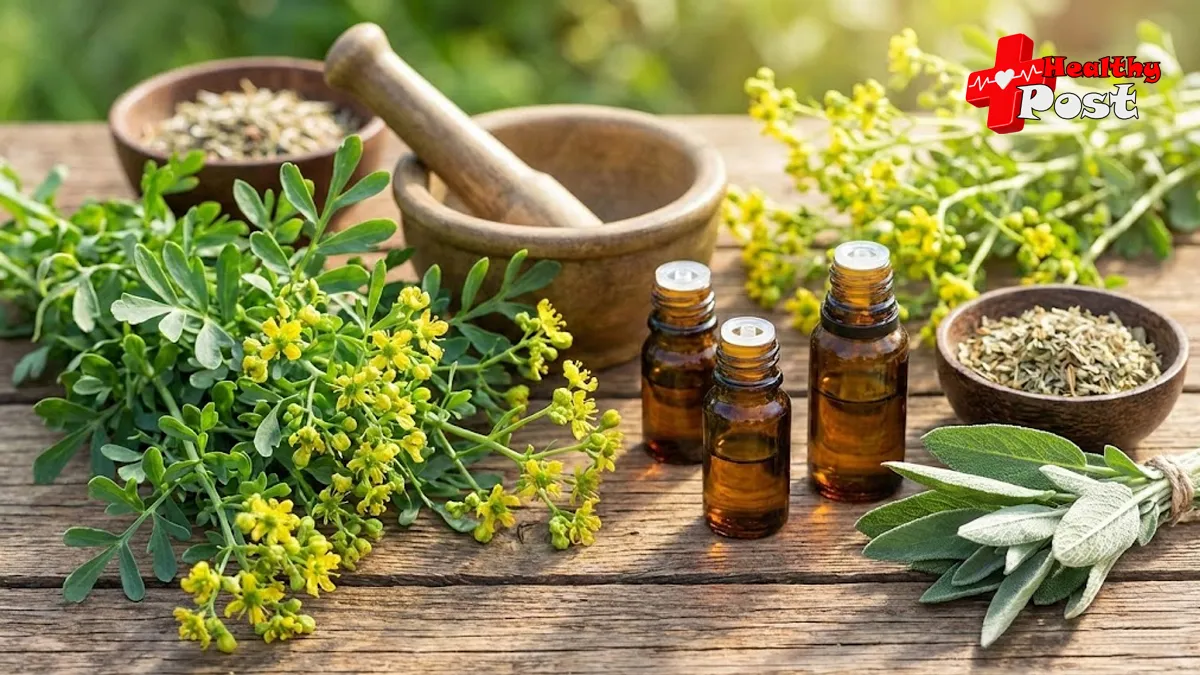
Rue, or Ruta graveolens, is a small evergreen shrub. It has blue‑green leaves and tiny yellow flowers. Many people grow it for its fragrance and striking color contrast in the garden.
Historically, herbalists in Europe, North Africa, and the Middle East valued rue. It appeared in writings from ancient Greece and Rome. Priests, healers, and midwives surrounded it with stories of protection and cleansing.
Today, the rue plant is still used in some traditional medicine systems. It is also found in certain liqueurs, folk remedies, and protective rituals. However, safety concerns limit its internal use, especially for children, pregnant people, and those with medical conditions.
1. Digestive Comfort and Cramp Relief
Many traditional healers used rue to support the digestive system. Its strong aroma signals a bitter, stimulating action on digestion.
Traditional digestive uses
Rue has been used to:
- Support sluggish digestion
- Ease gas and bloating
- Calm intestinal spasms
In some traditions, a very small amount of rue tea was taken after heavy meals. The goal was to trigger digestive secretions and reduce discomfort.
Modern perspective
Today, many herbal practitioners consider rue a “last‑line” digestive herb. Gentler options exist, like peppermint or ginger. However, in very low doses and under professional guidance, rue may still be used for:
- Occasional cramping
- Functional digestive discomfort
- Feelings of fullness after meals
Because of possible toxicity, you should always consult a qualified herbalist or healthcare provider before internal use. Respect the strength of this plant. 🌱
2. Menstrual Support in Traditional Medicine (With Strong Caution)
One of the most well‑known rue plant uses has been in women’s health. Traditional healers often used rue to influence the menstrual cycle.
Historical use
In folk medicine, rue was used to:
- Stimulate delayed menstruation
- Ease menstrual cramping
- Address feelings of pelvic congestion
Rue was sometimes combined with other herbs, such as ginger or chamomile, in small doses.
Why caution is essential
Rue is known as an “emmenagogue” herb. That means it can stimulate blood flow in the pelvic area. Because of this action, it has a serious risk:
- Rue can cause miscarriage and may harm pregnancy.
- It should never be used by pregnant people or those trying to conceive.
Modern medical references, including the WebMD herbal monograph on rue, strongly warn against its use in pregnancy or in high doses:
https://www.webmd.com/vitamins/ai/ingredientmono-800/rue
If you experience menstrual irregularities or pain, work with a licensed healthcare professional. Do not self‑dose with rue for this purpose.
3. Natural Insect and Pest Repellent 🐜
One of the safest and most practical rue plant benefits is its role as a natural pest repellent. This is where the plant truly shines for everyday use.
In the garden
Rue’s strong scent discourages many pests. Gardeners often:
- Plant rue near roses to deter Japanese beetles
- Use rue borders to discourage cats from digging
- Place small bunches near windows to discourage flies
The leaves can irritate skin, so handle them with gloves. The plant visually enhances herb borders and rock gardens while helping protect nearby plants.
In the home
Some people dry rue sprigs and place them:
- In linen closets
- Near windows
- Around kitchen entry points
The goal is to discourage moths, certain insects, and even rodents. While research on all species is limited, many gardeners share positive experiences with this practical use.
4. Emotional Grounding and Traditional “Protection” Rituals ✨
Herbal practices are not only physical. They also touch emotions, symbolism, and cultural traditions. Rue has a long history as a “protective” plant against negative energies.
Folk and spiritual uses
In various cultures, the rue plant has been:
- Worn as a small sprig for protection
- Hung above doors to “ward off evil”
- Used in cleansing baths or rituals
People believed rue cleared heavy, anxious, or envious energy from spaces. Some still use it in ritual baths or smudging‑style practices, often combined with salt, rosemary, or sage.
Emotional well‑being today
From a modern psychological view, the greatest value may lie in ritual itself. Simple rituals can:
- Offer a sense of control and comfort
- Mark a transition or new beginning
- Create a mindful moment of self‑care
For example, someone feeling emotionally drained might:
- Place a small vase of fresh rue and lavender on a desk
- Take a moment to breathe deeply and set an intention
- Use that ritual to “reset” a stressful day
If you choose to handle the plant, avoid direct sun afterward and wash your hands. Rue can cause skin irritation when combined with sunlight.
5. Support for Circulation and Muscle Tension
Some herbal traditions use rue for circulation and muscle comfort.
Folk use
Historically, herbalists sometimes prepared:
- Very diluted rue tea
- Oil infusions or liniments with rue leaves
- Compresses soaked in weak rue preparations
These preparations were used externally to support:
- Aching joints
- Minor muscle tension
- Feelings of heaviness in the legs
What modern sources say
Modern references like the Mount Sinai herb database emphasize caution with any internal use:
https://www.mountsinai.org/health-library/herb/rue
Still, some trained practitioners may use very low doses, or topical applications, for:
- Localized discomfort
- Circulatory support in specific cases
Never apply undiluted essential oil of rue to the skin. It can cause severe irritation and burns, especially in sunlight.
6. Antioxidant and Antimicrobial Potential 🧪
Scientists have begun studying the chemical compounds in rue. Early research suggests the plant contains interesting phytochemicals.
Potential actions
Extracts of rue have shown, in laboratory and animal studies:
- Antioxidant activity
- Antimicrobial effects against some bacteria and fungi
- Possible antispasmodic effects on smooth muscle
These findings hint at possible rue plant benefits for health. However, lab studies do not equal safe or proven human treatments. Dosage, preparation, and toxicity all matter greatly.
Why more research is needed
There is not enough high‑quality human research to confirm specific medical uses. Safety concerns further limit clinical trials. Because of this, most responsible practitioners recommend:
- Considering rue mainly as a topical or external ally
- Using gentler herbs internally for similar benefits
- Treating promising lab data as “interesting,” not as proof
If you see bold claims about rue curing serious diseases, be skeptical. Evidence does not support those strong claims.
7. Careful Use in Skin and Hair Care
You may find references to rue in traditional beauty recipes. These recipes often aimed to support skin clarity or scalp health.
Traditional external uses
Historically, weak rue infusions or diluted oils were used for:
- Oily or blemish‑prone skin
- Scalp irritation
- Occasional dandruff
People sometimes added a few leaves to:
- Herbal hair rinses
- Facial steams
- Homemade salves
Modern safety guidelines
Here, caution is critical. Rue can cause photodermatitis. That means the skin can react badly when rue touches it and then meets sunlight. Reactions can include:
- Redness
- Blistering
- Dark patches
If you wish to experiment with rue plant uses for skin or hair, follow these strict rules:
- Use only highly diluted products
- Patch test on a small area first
- Avoid sun exposure on treated skin for at least 24 hours
- Prefer professionally formulated products, if available
For most people, safer herbs exist for cosmetic use, such as calendula, chamomile, or rosemary.
8. A Protective Companion in the Garden 🌱
Not all rue plant benefits involve direct contact with the body. As a garden herb, rue can support a healthier, more balanced ecosystem.
Companion planting
Gardeners often plant rue near:
- Roses
- Figs
- Raspberries
- Certain ornamental plants
Benefits may include:
- Reduced pest populations
- Less damage from beetles or aphids
- More biodiversity by attracting beneficial insects
Rue’s strong scent and bitterness help discourage some plant‑eating insects. Its small flowers also feed pollinators like bees and beneficial wasps.
Garden design and mood
Beyond pest control, rue adds:
- Blue‑green texture to borders
- Year‑round visual interest in mild climates
- A “mystical” accent in herb gardens
A healthy, balanced garden can support mental well‑being. Time spent outdoors, caring for plants, often reduces stress and improves mood. Rue can play a small role in creating that healing space.
9. Culinary Tradition in Very Small Amounts 🍽️
In some regions, chefs and home cooks use tiny amounts of rue as a flavoring. This practice is controversial due to toxicity concerns.
How rue is used in food
Historically, rue has been used to:
- Flavor certain Italian grappa liqueurs
- Add a bitter note to some Mediterranean dishes
- Appear in traditional Ethiopian blends, often in minuscule amounts
The flavor is:
- Strongly bitter
- Resinous
- Slightly citrusy and medicinal
Because of its intensity, cooks use only a leaf or two for an entire dish.
Safety notes for culinary use
If you are curious about culinary rue plant uses, please:
- Start with reputable traditional recipes
- Use the smallest possible amount
- Avoid use if pregnant, breastfeeding, or ill
- Consider skipping internal use entirely if unsure
Many herbal experts recommend enjoying rue mainly as an ornamental and protective plant, not as a routine cooking herb.
10. Symbolism, Tradition, and Cultural Meaning 💫
Beyond physical health, the rue plant has rich symbolic meaning. Understanding this aspect can deepen your appreciation of the herb.
Symbolism across cultures
Rue has represented:
- Repentance and humility in Christian tradition
- Protection against envy and the “evil eye” in Mediterranean cultures
- Cleansing of heavy or stagnant energy in spiritual practices
Some people still use rue in:
- Home blessing rituals
- Seasonal altars
- Ceremonies for release and forgiveness
Emotional and cultural health
These practices highlight an important truth. Emotional and spiritual well‑being also affect health. When used respectfully, symbolic herbs can:
- Support cultural identity
- Provide comfort during transitions
- Offer a sense of connection to ancestors
You do not need to ingest rue for it to support your life. Even simply growing it as a symbolic plant can be meaningful.
How to Use Rue Safely: Practical Guidelines
Because rue is such a potent herb, safety must come first. Here are key guidelines to keep your experience positive.
General safety rules
- Avoid internal use unless supervised by a qualified professional
- Do not use during pregnancy or while trying to conceive
- Keep away from children and pets
- Always wash hands after touching the plant
- Avoid sun exposure on skin that touched fresh rue
Safe focus: external and environmental uses
For most people, the safest rue plant uses include:
- Growing it in the garden as a repellent
- Hanging dried sprigs in closets and entryways
- Using it symbolically on altars or in vases
- Including it in non‑contact rituals or decor
You can still enjoy many rue plant benefits without placing it in or directly on your body.
Rue at a Glance: Uses and Safety Levels
| Use Category | Example Preparation | Typical Approach Today | Safety Notes |
|---|---|---|---|
| Digestive support | Very weak tea, tincture (supervised) | Rare; under professional supervision | High risk if self‑dosed or overused |
| Menstrual support | Tea, tincture (historical) | Generally not recommended | Can cause miscarriage; avoid entirely |
| Pest repellent | Fresh or dried plant in garden | Widely used | Wear gloves; avoid touching eyes or face |
| Emotional / ritual use | Sprigs, bouquets, symbolic rituals | Common in some cultures | Limit skin contact; avoid burning indoors |
| Circulation / muscle relief | Diluted oil, liniment (topical) | Used rarely by professionals | Risk of irritation and photosensitivity |
| Skin / hair care | Weak infusions, steams (historical) | Mostly replaced by safer herbs | High risk of photodermatitis |
| Culinary use | Single leaf in dishes or spirits | Rare and controversial | Avoid if pregnant, ill, or unsupervised |
| Garden companion | Live plant in beds and borders | Very popular | Safe if not ingested; supervise children |
Who Should Avoid Rue Completely
Some people should avoid internal and topical rue entirely, even in small amounts.
You should avoid rue if you:
- Are pregnant or trying to become pregnant
- Are breastfeeding
- Have liver or kidney disease
- Take medications that stress the liver
- Have very sensitive skin or a history of severe allergies
- Have a history of miscarriage or reproductive issues
If you belong to any of these groups, enjoy rue only as a garden or decorative plant. Do not use it as a remedy.
For medical questions, consult evidence‑based resources like the National Center for Complementary and Integrative Health and your healthcare provider:
https://www.nccih.nih.gov/
Practical Ways to Add Rue to Your Life (Safely) 🌼
You can still enjoy many rue plant benefits without risking harm. Here are practical, lower‑risk ideas.
1. As a garden ally
- Plant rue near roses or susceptible ornamentals
- Use it to edge herb beds or rock gardens
- Combine with lavender, thyme, and sage for a classic Mediterranean look
2. As a natural deterrent at home
- Dry small bunches and place them in cloth bags
- Hang in closets or near doors to discourage insects
- Replace every few months for best aroma
3. As a symbolic or emotional support
- Place a small vase with rue and rosemary on your desk
- Use it as a visual reminder of boundaries and protection
- Include it in home blessing rituals, without direct skin contact
4. As part of herbal study
Rue is an excellent “teacher plant” for learning about:
- The line between medicine and poison
- The importance of dosage and preparation
- How cultural meaning shapes herbal practice
Reading about rue deepens respect for plant power. It reminds us why careful guidance matters with strong herbs.
Frequently Asked Questions About Rue
1. Is rue safe to drink as tea?
Rue tea can be toxic, especially in moderate or high doses. It may damage the liver and kidneys and can cause miscarriage. Do not drink rue tea unless supervised by a qualified professional. Many practitioners avoid internal rue entirely.
2. Can I use rue while pregnant to “bring on” my period?
No. Rue can strongly stimulate the uterus and may cause miscarriage and severe complications. Pregnant people and those trying to conceive should avoid all internal and topical use of rue.
3. Can I grow rue if I have children or pets?
Yes, but with precautions. Grow the rue plant in an area where young children and pets cannot easily chew the leaves. Teach older children not to touch or eat it. Supervise play in the garden.
4. Why does rue burn or stain the skin?
Fresh rue contains compounds that interact with sunlight and cause photodermatitis. This reaction may cause redness, blisters, or dark patches. Always wear gloves, wash your skin after contact, and avoid sun exposure on affected areas.
5. Are there safer alternatives to rue for similar benefits?
Yes. For digestion, consider gentler herbs like ginger or peppermint. For menstrual comfort, many practitioners use chamomile or cramp bark. As for pest control, you can try lavender, mint, or citronella. For emotional protection rituals, rosemary or sage are common alternatives.
6. Can I use rue essential oil in a diffuser?
Rue essential oil is very strong and can irritate mucous membranes. Many aromatherapists avoid it or use it only in extremely low dilutions. If you choose to diffuse it, do so very sparingly and never around pregnant people, children, or pets.
Conclusion: Respecting the Rue Plant and Its Many Gifts 🌿
The rue plant is intense, complex, and deeply rooted in human history. From digestive support and menstrual rituals to pest control and spiritual protection, its story is rich and sometimes controversial. When you study rue plant uses, you quickly see how thin the line can be between help and harm.
Handled with respect, rue offers clear benefits:
- A beautiful, protective garden companion
- A natural deterrent for certain pests
- A meaningful symbol in emotional and spiritual practices
At the same time, serious risks demand caution. Internal and strong topical use require expert guidance, and many people should avoid them entirely. This balance captures the essence of many traditional herbs: powerful, but not casual.
If you feel drawn to explore rue plant benefits, start gently. Grow it in your garden, learn its history, and listen to how your body and intuition respond. Always prioritize safety, consult reliable medical sources, and discuss any herbal plans with a qualified healthcare professional.
Your relationship with herbs can be both inspiring and safe when guided by respect, information, and care. 🌼