


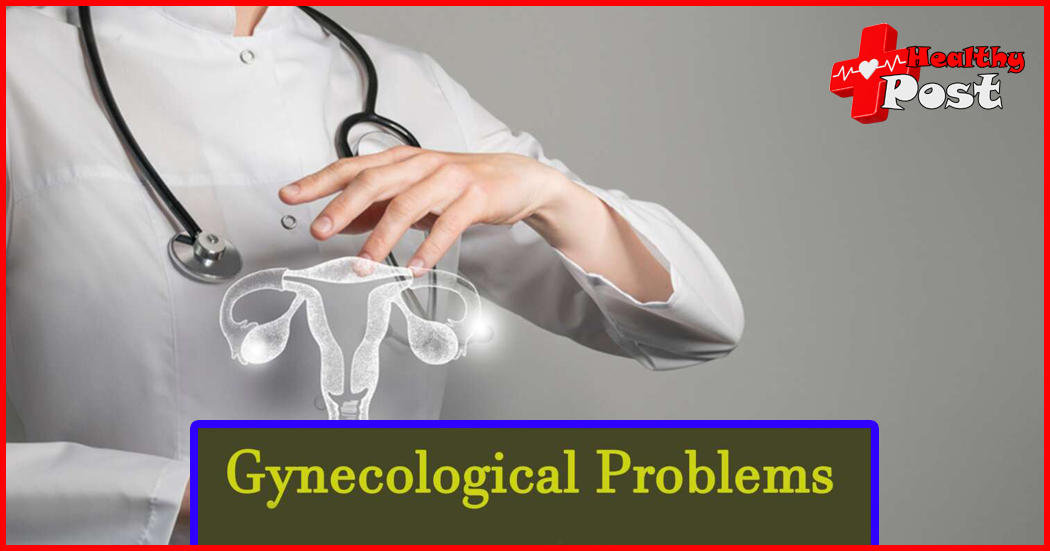
Every woman hopes to have healthy gynecology, but in fact, many women frequently experience various gynecological problems, such as irregular menstruation, dysmenorrhea, abnormal leucorrhea, etc.
These problems have brought troubles to their lives and health. So why are so many women prone to gynecological problems? This article will delve into this issue and list 5 important reasons.
Bad lifestyle habits
Bad lifestyle habits are one of the important causes of gynecological problems in women. Here are some common unhealthy lifestyle habits that can negatively impact a woman’s gynecological health:

1. Irregular eating habits:
Bad eating habits, such as high-sugar, high-fat, high-salt diets, and not eating enough vegetables and fruits, may lead to weight gain, endocrine disorders, and insulin resistance, which may lead to irregular menstruation. , polycystic ovary syndrome (PCOS) and other issues.
2. Insufficient water intake:
Insufficient drinking water may lead to concentrated urine, which can easily lead to urinary tract infection, and urinary tract infection may also extend to gynecological organs, causing infections such as vaginitis.
3. Lack of exercise:
Lack of physical exercise may lead to weight gain, poor circulation, and endocrine disorders, thereby increasing the risk of irregular menstruation, infertility and other problems.
4. Irregular daily routine:
Staying up late, long-term work pressure and irregular daily routine may interfere with the normal biological clock and affect the body’s endocrine rhythm, leading to menstrual disorders, insomnia and other problems.
5. Excessive emotional stress:
Long-term emotional stress and anxiety may lead to endocrine disorders in the body, damage to the immune system, and increase the risk of gynecological diseases.
6. Smoking and excessive drinking:
Smoking and excessive drinking will have a negative impact on the body’s health, including possibly leading to gynecological cancers such as cervical cancer and breast cancer.
7. Not paying attention to personal hygiene:
Bad personal hygiene habits such as not changing sanitary napkins regularly, not bathing frequently, and not paying attention to vulva cleaning may lead to bacterial infections, vaginitis and other infectious gynecological problems.
8. Excessive weight loss or overeating:
Excessive weight loss or overeating may affect the normal menstrual cycle, leading to irregular menstruation and fertility problems.
These bad lifestyle habits may have an adverse impact on women’s gynecological health. Therefore, women should strive to improve these unhealthy habits and adopt a healthy lifestyle to maintain their gynecological health.

This includes a balanced diet, moderate exercise, a regular schedule, effective emotional management, quitting smoking and limiting alcohol intake. Through these healthy lifestyle practices, women can reduce their risk of gynecological problems and improve their quality of life.
neglect personal hygiene
Neglecting personal hygiene is a bad lifestyle habit that may have a negative impact on a woman’s gynecological health. Here are some of the problems that neglecting personal hygiene can cause:
1. Bacterial infection:
Improper personal hygiene habits such as not changing sanitary napkins regularly, not bathing frequently, and not paying attention to vulva cleaning may lead to bacterial growth and increase the risk of vaginal infections, urinary tract infections and other problems.
2. Odor and discomfort:
Neglecting personal hygiene can lead to stench and discomfort in the vaginal and vulvar areas, which not only affects quality of life but may also cause psychological discomfort.
3. Skin problems:
Not bathing or improper cleaning may cause skin problems, such as itching, eczema, rash, etc., affecting skin health.
4. Infectious gynecological problems:
Failure to pay attention to personal hygiene may increase the incidence of infectious gynecological problems, such as vaginitis, fungal infections, etc.
5. Cervical Health:
Failure to pay attention to personal hygiene may have a negative impact on cervical health and increase the risk of cervical disease.
To maintain gynecological health, women should develop good personal hygiene habits, including:
Bath frequently: Clean your vulva daily, use a mild cleanser, and avoid using too much soap or skin care products to avoid damaging the skin’s natural balance.
Change sanitary napkins and sanitary protectors regularly:
During menstruation, replace sanitary napkins or sanitary protectors promptly to prevent bacterial growth.
Avoid harsh products : Avoid using harsh vaginal sprays, lotions, or treatments that can trigger sensitivity or infection.
Stay dry: Especially in humid weather, keep the vulva area dry and avoid wearing wet clothing for long periods of time.
Regular physical examinations: Get regular gynecological examinations to ensure gynecological health and to detect and treat potential problems early.
Through good personal hygiene habits, women can reduce the risk of gynecological health problems and keep their bodies clean and healthy. If any discomfort or problem related to gynecological health occurs, it is recommended to consult a doctor for further diagnosis and treatment.
long-term use of birth control pills or hormonal medications
Long-term use of birth control pills or other hormonal-containing medications may have some effects on women’s health. Here are some possible questions and considerations:
1. Effects of birth control pills:
Birth control pills are drugs containing synthetic hormones used to control pregnancy. Long-term use of birth control pills may cause side effects such as nausea, breast tenderness, and mood swings . Some women may be sensitive to the hormonal ingredients in birth control pills and may experience more serious side effects.

2. Fertility plan:
Long-term use of birth control pills may affect a woman’s fertility plan. Although most women’s fertility returns after stopping birth control pills, in some cases it may take some time to become pregnant. If you plan to become pregnant, talk to your doctor before stopping birth control pills.
3. Hormone drugs and health problems:
Hormone drugs may be associated with some health problems. For example, long-term use of estrogen-containing medications may increase the risk of health problems such as breast and ovarian cancer and blood clots.
These risks vary from person to person and depend on the individual’s health, family medical history, and medication dosage.
4. Monitor health:
Women who use hormonal drugs for a long time should receive regular health checkups and gynecological examinations to monitor potential health problems. Doctors can help evaluate the risks and benefits of medications and provide recommendations based on individual circumstances.
5. Hormone replacement therapy :
Some women may receive hormone replacement therapy during menopause or for other reasons. This treatment may help relieve menopausal symptoms, but it may come with some risks. Women should discuss the risks and benefits with their doctor when considering hormone replacement therapy.
Long-term use of birth control pills or other hormonal drugs may have an impact on women’s health, so before using these drugs, you should consult your doctor to understand your health risks and follow your doctor’s recommendations for monitoring and management.
Doctors can provide customized medical advice to each woman based on her individual circumstances.
Ignore body signals
Ignoring your body’s signals is a bad health habit that can lead to neglect or worsening of health problems. Here are some common body signals that can have negative health consequences if ignored:
1. Pain:
Pain is your body’s way of telling you that something is not normal. Ignoring pain can worsen underlying health problems. Prompt medical advice should be sought to understand the cause of pain and to institute appropriate treatment.
2. Fatigue:
Persistent fatigue may be a sign of a medical problem, such as anemia, thyroid problems, or chronic illness. Ignoring fatigue may lead to more problems in the body. If you feel tired frequently, you should consult your doctor.
3. Digestive issues:
Digestive issues, such as stomach pain, acid reflux, constipation, or diarrhea, may be a sign of gastrointestinal issues. Ignoring these issues can lead to long-term discomfort. A doctor should be consulted for appropriate diagnosis and treatment.
4. Unusual weight changes: Significant weight gain or loss may be a sign of health problems, including metabolic problems, nutritional deficiencies, or chronic disease. Ignoring weight changes may prevent early treatment.
5. Skin problems:
Any unusual changes in your skin, such as new moles, rashes, itching, or ulcers, may be signs of skin problems, including skin cancer. Skin problems should get your doctor’s attention.
6. Abnormal bleeding:
Any unusual bleeding, including persistent nosebleeds, hematuria, intestinal bleeding, or irregular menstruation, may be a sign of a medical problem. These problems may require medical evaluation.
7. Persistent cough or breathing problems:
Persistent coughing, wheezing, or shortness of breath may be a sign of lung or heart problems. These problems may require prompt treatment.
Ignoring these body signals can lead to worsening health problems, so you should seek medical advice if you feel unwell or develop unusual symptoms.
Early detection and treatment of health problems often improves the chances of successful treatment and preventing the problem from worsening. At the same time, maintaining regular physical exams and medical check-ups can also help detect potential health problems early.
suffering from emotional stress
Experiencing emotional stress is a common life experience, but if it is ignored or not handled appropriately over time, it can have negative effects on physical and mental health. Here are some health problems that may arise from long-term emotional stress:
1. Mental health issues:
Ongoing emotional stress can lead to anxiety disorders, depression, and other mental health issues. Chronic anxiety and stress may alter the brain’s chemical balance, negatively affecting mood.
2. Impaired immune system:
Ongoing emotional stress can weaken the immune system, making a person more susceptible to illness and disease.
3. Cardiovascular issues:
There is a link between chronic emotional stress and high blood pressure, heart disease, and stroke. Chronic stress can cause inflammation in the body and worsen cardiovascular problems.

4. Gut problems:
Emotional stress can trigger or worsen intestinal problems, such as irritable bowel syndrome (IBS) or indigestion.
5. Sleep problems:
Continuous emotional stress may lead to insomnia or poor sleep quality, further affecting physical health.
6. Weight management issues:
Some people may adopt unhealthy eating habits under emotional stress, leading to weight gain. In addition, stress may also cause hormonal changes that affect appetite and metabolism.
7. Pain symptoms:
Emotional stress may worsen chronic pain symptoms such as headaches, back pain, or muscle tension.
Conclusion
Maintaining healthy gynecology is vital to a woman’s overall health. In order to reduce the occurrence of gynecological problems, women need to pay attention to good lifestyle habits, maintain personal hygiene, use hormonal drugs with caution, seek medical treatment in a timely manner , and actively manage emotions.
Only in this way can women have a healthier and happier life. I hope every woman can cherish her gynecological health, pay attention to problems in a timely manner, and actively take measures to improve her quality of life.

1 Comment
Pingback: What Is Sonography and Its Benefits: The Ultimate Guide