

Clinical Authorship & Verification
This article has been written and verified by Dra. Ana Escobar (Pediatrician, FMUSP / Official ↗), specializing in pediatric gastrointestinal health, viral gastroenteritis, and children’s wellness.
Medical Disclaimer: The information provided on Healthy Post is for educational and informational purposes only and does not constitute formal medical advice, diagnosis, or treatment. Stomach bugs and viral gastroenteritis can quickly lead to dehydration, especially in young children and toddlers. Always consult a qualified pediatrician or healthcare provider for professional diagnosis, rehydration strategies, and clinical care.

🏥 Medical Review Board Member
Dra. Ana Escobar, MD
Pediatrician | Professor, Faculty of Medicine FMUSP
Dra. Ana Escobar is a prominent pediatrician, medical doctor, and professor in the Department of Pediatrics at the Faculty of Medicine of the University of São Paulo (FMUSP). With an extensive background in clinical practice and mainstream health communication, she is dedicated to translating evidence-based pediatric medicine and family wellness into clear, accessible guidance. Dra. Escobar ensures that health content meets the highest standards of medical accuracy, clinical integrity, and patient safety.
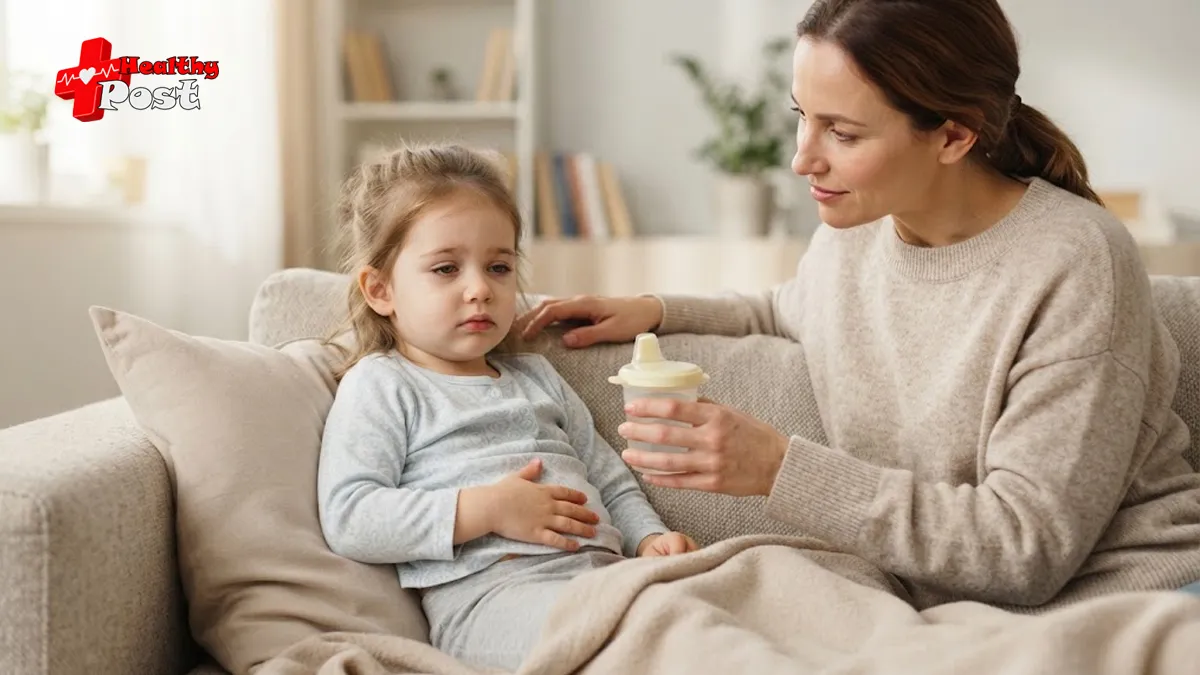
When a child suddenly starts vomiting or having diarrhea, parents often wonder whether it is simply a passing stomach illness or something that needs medical attention. The most common stomach bug symptoms include vomiting, watery diarrhea, nausea, abdominal cramps, fever, poor appetite and tiredness. In babies and toddlers, however, the biggest concern is often dehydration because young children can lose fluids relatively quickly.
A “stomach bug” usually refers to acute gastroenteritis, inflammation of the stomach and intestines caused by an infection. Viruses are common causes, including norovirus, but bacteria and parasites can also cause gastroenteritis. It is also worth clearing up one common misconception: a stomach bug is not influenza (“the flu”). Influenza primarily affects the respiratory system, while gastroenteritis affects the digestive tract.
Most uncomplicated cases improve without specific treatment. The priority at home is replacing lost fluids and electrolytes, continuing appropriate nutrition, and watching closely for warning signs.
What Are the Most Common Stomach Bug Symptoms in Kids?
The stomach bug symptoms in kids can vary depending on the organism causing the infection and the child’s age. Vomiting and diarrhea are particularly characteristic, but children may have several other symptoms at the same time.
Common symptoms include:
- Vomiting or repeated nausea
- Loose or watery stools
- Stomach cramps or abdominal discomfort
- Fever
- Reduced appetite
- Tiredness or weakness
- Headache
- Body aches
- Chills in some children
- Increased thirst
- Signs of dehydration
Norovirus is a common example. Symptoms typically begin 12–48 hours after exposure and can include sudden vomiting, non-bloody diarrhea, nausea and abdominal cramps, sometimes with a low-grade fever or body aches. Most people recover within about 1–3 days, although illness can vary between children.
A child does not need to have every symptom. One child might vomit several times but have little diarrhea, while another may mainly have watery stools and abdominal cramps.

Stomach Bug Symptoms in Toddlers: What Parents May Notice
Recognizing stomach bug symptoms toddler parents should watch for can be harder than recognizing symptoms in an older child. Toddlers may not be able to explain that they feel nauseated or have cramping.
Instead, parents may notice changes in behavior.
Typical stomach bug symptoms in toddlers include:
- Sudden vomiting
- Frequent loose or watery stools
- Refusing food
- Drinking less than usual
- Irritability or unusual crying
- Low energy
- Sleeping more than usual
- Fever
- Holding or rubbing the stomach
- Dry mouth
- Fewer tears when crying
- Fewer wet diapers or trips to the toilet
For toddlers, urination and behavior are particularly useful clues. A child who is urinating much less than usual, has a dry mouth, produces few or no tears, or becomes unusually sleepy or fussy may be becoming dehydrated.
Parents should look at the whole picture rather than relying on a single symptom. A toddler who has diarrhea but continues drinking, urinating normally and interacting between episodes is different from a toddler who refuses fluids and becomes increasingly difficult to wake.
How Symptoms Differ in Babies, Toddlers and Older Children
Age changes how gastroenteritis appears and how quickly dehydration can become a concern.
| Age | What parents may notice | What to monitor closely |
|---|---|---|
| Babies | Vomiting, diarrhea, poor feeding, irritability, fewer wet diapers | Feeding, wet diapers, alertness and hydration |
| Toddlers | Vomiting, diarrhea, stomach discomfort, fever, refusing drinks, low energy | Fluid intake, urination, behavior and tears |
| Older children | Nausea, cramps, vomiting, diarrhea, headache, aches and fever | Hydration, severity of pain and ability to drink |
Babies cannot tell you that they are dizzy or nauseated, and their fluid reserves are smaller. Toddlers can communicate a little more but may simply become clingy, irritable or unusually quiet.
Older children are more likely to describe what they are feeling, which can make symptoms such as nausea, cramping or dizziness easier to recognize.
What Causes a Stomach Bug?
Not every episode of vomiting and diarrhea is caused by the same organism.
Viruses
Viral gastroenteritis is common in children. Norovirus is an important cause of acute vomiting and diarrhea, while rotavirus and other gastrointestinal viruses can also cause illness.
Norovirus spreads easily through contaminated hands, food, surfaces and contact with vomit or stool.
Bacteria
Bacterial gastroenteritis can result from contaminated food or water. Some bacterial infections cause diarrhea, abdominal pain, fever or vomiting and may require medical evaluation, particularly when diarrhea is bloody or the child appears significantly unwell.
Parasites
Parasites such as Giardia can also cause gastrointestinal illness. These infections may have a different course from a short viral illness and can sometimes cause longer-lasting diarrhea, bloating or abdominal discomfort.
The cause matters because treatment is not interchangeable. Antibiotics do not treat viral gastroenteritis. They are used only when a healthcare professional determines that an appropriate bacterial infection is present.
How Long Does a Stomach Bug Last?
Parents often ask, how long does a stomach bug last in children?
There is no single answer because “stomach bug” describes a group of infections rather than one disease. Many uncomplicated viral illnesses improve within several days. Norovirus, for example, commonly resolves in about 1–3 days.
A child may still have a reduced appetite or feel tired after vomiting has stopped. That does not necessarily mean the infection is getting worse.
What matters is the direction of the illness. A child who gradually begins drinking, urinating and becoming more active is generally more reassuring than one whose vomiting, diarrhea, pain or lethargy is intensifying.
Persistent or worsening symptoms deserve medical advice rather than being automatically attributed to a stomach virus.
The Biggest Risk: Dehydration
Vomiting and diarrhea remove both water and electrolytes from the body. Young children are especially vulnerable because they have smaller fluid reserves and depend on adults to provide drinks.
Signs of dehydration in toddlers and children
Watch for:
- Less frequent urination
- Fewer wet diapers
- Dry mouth or lips
- Few or no tears when crying
- Unusual sleepiness
- Increasing fussiness or irritability
- Weakness
- Dizziness or lightheadedness in an older child
- Difficulty drinking
- Increasing lethargy
A child who is becoming dehydrated may not simply say, “I am thirsty.” Behavioral changes can be an early clue.
Stomach Bug Treatment: What Parents Can Do at Home
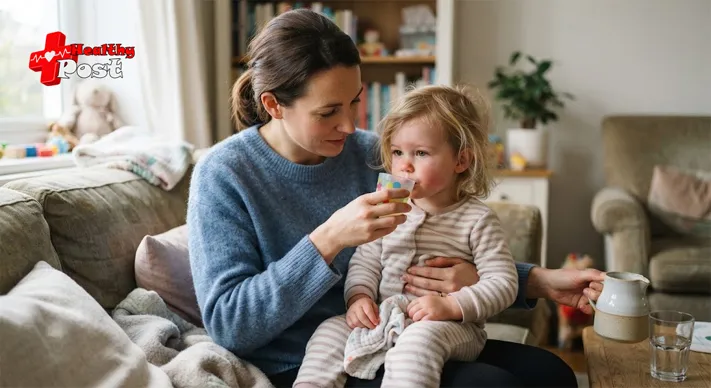
For most uncomplicated viral gastroenteritis, stomach bug Treatment is mainly supportive. There is no medication that eliminates a typical norovirus infection. The goal is to keep the child hydrated and maintain nutrition while the illness runs its course.
1. Prioritize fluids
An oral rehydration solution for kids can be especially useful when vomiting and diarrhea are causing fluid and electrolyte losses.
ORS is different from ordinary water because it contains an appropriate combination of water, glucose and electrolytes designed to help replace losses.
If your child is vomiting, do not assume that a large drink will be better. A large amount at once can trigger another episode of vomiting.
2. Give small amounts frequently
Small, frequent amounts are often easier to tolerate.
For example, a child who keeps vomiting after drinking half a cup may do better with small spoonfuls or sips offered repeatedly. Pediatric guidance describes using small volumes of ORS at short intervals and gradually increasing the amount as tolerated.
If vomiting continues despite repeated attempts at oral fluids, or the child cannot keep fluids down, contact a healthcare professional.
3. Continue breastfeeding and appropriate milk feeds
Breastfeeding generally should continue during gastroenteritis. Infants who are formula-fed can generally continue their usual formula when tolerated rather than automatically switching to diluted formula.
4. Return to normal food as tolerated
Once vomiting settles enough for the child to eat, there is usually no need for a prolonged restrictive diet.
Offer familiar, age-appropriate foods in small portions. Depending on the child’s age and tolerance, this might include:
- Rice
- Toast
- Crackers
- Potatoes
- Bananas
- Yogurt
- Fruit
- Vegetables
- Lean meat
The goal is not to force a large meal. Hydration comes first, followed by a gradual return to normal nutrition.
Parents looking for broader guidance about eating after vomiting may also find this Healthy Post resource on what to eat after vomiting useful.
What Should Children Drink?
A commercially prepared oral rehydration solution is often the most useful option when diarrhea or vomiting is causing meaningful fluid loss.
Depending on age and circumstances, children may also continue breast milk, formula and appropriate regular fluids.
Avoid relying heavily on very sugary drinks, undiluted fruit juice or soft drinks. Their composition is not the same as ORS, and large amounts of sugary beverages may worsen diarrhea in some children.
The practical goal is simple: replace what the child is losing without making vomiting worse.
Should Parents Give Medicine?
Usually, the focus should be on hydration rather than trying to stop every symptom.
Antibiotics
Do not give leftover antibiotics or start an antibiotic simply because a child has diarrhea or vomiting. Antibiotics do not treat viral gastroenteritis and are not routinely required for uncomplicated viral illness.
Anti-diarrheal medicines
Parents should not routinely give anti-diarrheal medicines to children unless their healthcare professional specifically recommends one. Some medicines used by adults are not appropriate for young children.
Fever or pain medicine
If your child is uncomfortable with fever or pain, ask a pediatrician or pharmacist about an age- and weight-appropriate medicine. Follow the product directions carefully.
Extra caution is appropriate when a child is dehydrated. Some medicines can be harder on the kidneys or otherwise less suitable when significant fluid loss is present.
When Should You Call a Doctor?
Knowing when to call a doctor for vomiting and diarrhea is just as important as knowing how to manage mild illness at home.
Contact your child’s healthcare professional if your child:
- Cannot keep fluids down
- Is drinking very little
- Is urinating substantially less than usual
- Has signs of dehydration
- Has repeated or worsening vomiting
- Has persistent or worsening diarrhea
- Has blood in the stool or vomit
- Has significant or worsening abdominal pain
- Has a persistent fever or appears increasingly unwell
- Becomes unusually sleepy, weak or difficult to wake
Blood in stool deserves particular attention because bloody diarrhea can have causes that require medical assessment rather than simple home treatment.
For babies, the threshold for seeking advice may be lower because dehydration can develop quickly.
Emergency warning signs
Seek urgent medical care if a child has severe dehydration, markedly reduced responsiveness, cannot keep fluids down and is deteriorating, has severe abdominal pain, blood in vomit or stool, or appears seriously ill.
Do not wait for a child to develop every possible warning sign before seeking help.
When Vomiting and Diarrhea May Be More Than a Stomach Bug
Vomiting and diarrhea are not proof of gastroenteritis.
Children can develop vomiting, fever or diarrhea with illnesses outside the digestive system, including urinary tract infections and pneumonia. Vomiting can also occur with other medical problems that need assessment.
This is why the child’s overall condition matters.
A mild stomach virus is more plausible when symptoms begin suddenly, other family members or classmates have a similar illness, the child remains reasonably alert and symptoms gradually improve.
On the other hand, severe localized abdominal pain, unusual lethargy, breathing problems, persistent symptoms or a child who is getting worse rather than better should prompt medical evaluation.
How Contagious Is a Stomach Bug?
Many stomach viruses spread very easily, particularly in households, schools and daycare settings.
Norovirus can spread through tiny particles of vomit or stool, contaminated hands, surfaces, food and direct contact with an infected person. Good hygiene is therefore part of treatment—not just a way to protect other family members.
How to reduce the spread
- Wash hands thoroughly with soap and water.
- Clean contaminated surfaces carefully.
- Wash soiled clothing and bedding.
- Avoid sharing food and utensils during illness.
- Clean up vomit and diarrhea promptly and carefully.
- Pay close attention to hand hygiene after diaper changes and bathroom use.
- Keep children home while they are actively vomiting or having significant diarrhea.
- Follow your child’s school or daycare illness policy before returning.
For norovirus specifically, CDC emphasizes soap-and-water handwashing because hand sanitizer alone does not work as well against the virus.
Frequently Asked Questions
What are the most common stomach bug symptoms in kids?
Vomiting and diarrhea are among the most recognizable symptoms. Children may also experience nausea, abdominal cramps, fever, reduced appetite, tiredness and body aches.
What are stomach bug symptoms in toddlers?
Toddlers may vomit, have watery diarrhea, develop a fever, refuse food or drinks, become irritable or unusually tired, and urinate less frequently. Fewer wet diapers, dry mouth and fewer tears can signal dehydration.
How can I tell if my toddler is dehydrated?
Look for noticeably reduced urination, fewer wet diapers, dry mouth, few or no tears, unusual sleepiness, weakness or increasing irritability. A child who is difficult to wake or appears severely unwell needs urgent medical attention.
How long does a stomach bug usually last?
Duration varies by cause. Many uncomplicated viral gastroenteritis illnesses improve within several days. Norovirus commonly lasts around 1–3 days.
What is the best stomach bug treatment for children?
For viral gastroenteritis, the main approach is replacing fluid and electrolyte losses, preferably with an appropriate oral rehydration solution when needed, while continuing breastfeeding and returning to age-appropriate foods as tolerated.
Should I give my child antibiotics for a stomach virus?
No. Antibiotics do not treat viruses such as norovirus. A healthcare professional should determine whether a bacterial infection is present and whether antibiotic treatment is appropriate.
Conclusion
Most childhood stomach illnesses are short-lived, but parents should not focus only on the number of vomiting or diarrhea episodes. The more useful question is whether the child is staying hydrated, urinating, becoming more alert and gradually improving.
The most important stomach bug symptoms to recognize are vomiting, diarrhea, abdominal discomfort, fever and reduced appetite, while the most important complication to watch for is dehydration. In toddlers and babies, fewer wet diapers, dry mouth, few tears and unusual sleepiness can provide important clues.
For a typical viral illness, the foundation of stomach virus treatment for children is fluids, electrolyte replacement when needed, continued appropriate feeding and careful observation. Antibiotics and anti-diarrheal medicines should not be used routinely.
If your child cannot keep fluids down, is urinating much less than usual, has blood in vomit or stool, develops severe pain, becomes unusually sleepy or is getting worse rather than better, seek medical advice promptly.
References
- Centers for Disease Control and Prevention (CDC) — About Norovirus View CDC source
- National Institute of Diabetes and Digestive and Kidney Diseases (NIDDK) — Symptoms & Causes of Viral Gastroenteritis View NIDDK source
- National Institute of Diabetes and Digestive and Kidney Diseases (NIDDK) — Treatment of Viral Gastroenteritis View NIDDK treatment guidance