

Expert Authorship
This article exploring “Life Expectancy After Compression Fracture: What Patients & Caregivers Need to Know” is written by Dr. Himanshu Gupta (Orthopedics & Robotics, Amicare Hospital), providing expert clinical guidance on spinal health, fracture prognosis, and orthopedic care.
Medical Disclaimer: The orthopedic insights, prognostic survival breakdowns, and spinal recovery guidelines detailed below are intended strictly for educational and informational purposes. This content does not replace professional medical evaluations, clinical diagnoses, or individualized treatment plans prescribed by a qualified orthopedic surgeon or physician. Always consult a licensed healthcare provider regarding spinal fractures, bone density health, or post-injury management.

🏥 Medical Review Board Member
Dr. Himanshu Gupta
Orthopedic Specialist | Amicare Hospital (Ghaziabad, India)
Dr. Himanshu Gupta is a distinguished medical professional with over 20 years of expertise in orthopedics and joint replacement surgery. As the Chief Orthopedic and Director at Amicare Hospital, he specializes in advanced robotic-assisted procedures and sports injury management, dedicated to enhancing mobility and quality of life for his patients. Dr. Gupta is committed to bridging the gap between complex surgical clinical practice and accessible, evidence-based patient education. His rigorous approach to medical oversight ensures that every piece of content he reviews meets the highest standards of clinical accuracy, safety, and reliability.
A diagnosis of a vertebral compression fracture can be frightening, especially when it happens to an older parent, spouse, or loved one. One of the first questions families often ask is whether life expectancy after compression fracture is significantly reduced.
A compression fracture does not automatically mean that a person has a short life expectancy. Many people, including older adults with osteoporotic vertebral fractures, recover with appropriate pain management, gradual mobility, rehabilitation, and treatment of the underlying bone disease. However, vertebral fractures are also associated with higher long-term mortality in older populations. That association does not mean the fracture itself is always the direct cause of death. Age, frailty, cancer, cardiovascular or respiratory disease, other illnesses, mobility, infection, and overall physical condition can substantially influence outcomes.
The most useful way to think about a spinal compression fracture is therefore as both an injury and, in many older patients, a possible warning sign of broader health vulnerability.
What Does a Compression Fracture Mean for Life Expectancy?
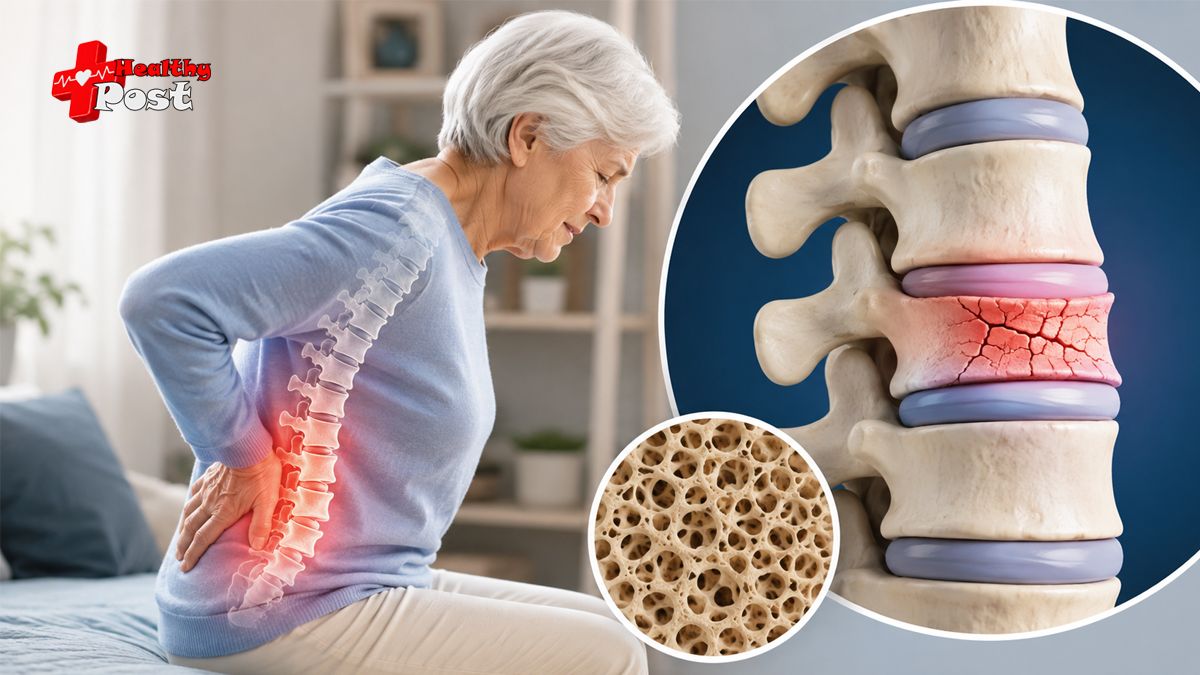
A vertebral compression fracture occurs when one of the bones of the spine partially collapses. Osteoporosis is a common cause, particularly when the fracture follows little or no significant trauma. Other causes include major injury, cancer affecting the vertebra, and infection.
Importantly, the outlook differs enormously between individuals.
For example, an otherwise independent 70-year-old who develops a single osteoporotic fracture and remains mobile is very different from an 85-year-old who already has severe frailty, several chronic illnesses, cancer, poor nutrition, and difficulty walking.
That distinction matters when interpreting survival statistics.
A 2023 retrospective study followed 492 patients older than 65 with acute, non-pathologic vertebral compression fractures. Overall mortality during a median follow-up of about 50.5 months was 36.2%. The estimated survival was 97.4% at one month, 93.9% at three months, 91.7% at six months, 86.6% at one year, 78.0% at two years, 64.4% at four years, and 59.4% at five years.
Those figures are population-level estimates, not a personal countdown. The study population was selected from one clinical center, and individual risk varies considerably.
A 2026 study of 440 adults aged 65 and older similarly found that age, sex, previous fracture, cancer history, and comorbidities were important predictors of long-term mortality.
The key message
A vertebral fracture can be associated with reduced long-term survival, but it does not determine how long one particular person will live.
Vertebral Compression Fracture Survival Rate: What Research Shows
The phrase vertebral compression fracture survival rate can sound more precise than the evidence actually allows. Survival statistics describe what happened to a particular group of patients; they cannot tell you exactly what will happen to an individual.
Here is the survival pattern reported in the 2023 study:
The study included adults over 65 with acute, non-pathologic thoracic or lumbar compression fractures. It found higher mortality associated with older age, male sex, a history of cancer, a non-traumatic fracture mechanism, and comorbidities during hospitalization.
A newer 2026 prediction study reached a similar general conclusion while using machine-learning models. Its five leading predictors included age, sex, previous fracture, cancer history, and comorbidity. The researchers emphasized that the model requires further external validation before it can be treated as a general clinical prediction tool.
This is an important distinction: association is not the same as causation. A fracture may occur in someone who is already medically vulnerable. Reduced mobility after the fracture can then add another burden.
Why Can a Spinal Compression Fracture Affect Long-Term Health?
The effect often develops through several connected problems rather than one single event.
Pain may make a person afraid to stand or walk. Less movement causes muscle weakness and physical deconditioning. Weakness can make everyday activities harder and increase the risk of falls. Further loss of independence can make it even harder to stay active.
The cycle can look like this:
Pain → reduced movement → muscle weakness → deconditioning → reduced independence → greater vulnerability
This does not happen to everyone, and appropriate rehabilitation can help interrupt the cycle.
A vertebral fracture may also change posture. Repeated or severe fractures can cause loss of vertebral height and increased forward curvature of the spine, sometimes called kyphosis. This can affect balance, mobility, and daily function. Osteoporosis-related vertebral fractures are also a strong warning sign for additional fractures.
For broader background on osteoporosis, fractures, and other musculoskeletal conditions, HealthyPost’s guide to osteoporosis and fragility fractures provides useful related information.
Complications of Spinal Compression Fractures in Elderly Patients
The complications of spinal compression fractures in elderly patients can be more significant because older adults may have less physical reserve.
Pain and reduced mobility
Acute pain can make standing, walking, turning in bed, or changing position difficult. Persistent pain can also interfere with sleep and normal activities.
The goal is not necessarily complete inactivity until the pain disappears. Treatment commonly focuses on controlling symptoms while gradually restoring safe movement.
Muscle weakness and deconditioning
Prolonged inactivity can cause loss of muscle strength. For an older adult who was already physically vulnerable, even a relatively short period of reduced activity can make returning to independent living harder.
Postural changes and kyphosis
A collapsed vertebra may permanently change the shape of the spine. Multiple fractures can produce a more pronounced stooped posture and may contribute to difficulty with balance and physical function.
Loss of independence
Some patients temporarily need help with bathing, dressing, cooking, shopping, walking, or household tasks. In more severe cases, rehabilitation or additional home support may be necessary.
Respiratory and other complications
Severe spinal deformity and prolonged immobility can contribute to broader physical problems. More importantly, older patients may have underlying conditions that make complications such as infection or respiratory illness more difficult to tolerate.
The 2023 survival study found infection was the leading recorded cause of death in its cohort, illustrating why the overall health of the patient matters when considering prognosis.
Osteoporotic Fracture Prognosis: What Improves the Outlook?
The osteoporotic fracture prognosis depends on much more than the appearance of the fracture on an X-ray.
Factors generally associated with a more favorable recovery include:
- Good pre-fracture physical function
- Ability to mobilize safely
- Effective pain management
- Appropriate rehabilitation
- Adequate nutrition
- Fall prevention
- Evaluation and treatment of osteoporosis
- Control of other chronic illnesses
- Avoidance of additional fractures
A more concerning situation may involve advanced frailty, severe immobility, multiple chronic illnesses, cancer, recurrent falls, poor nutritional status, or neurological problems.
One of the most important long-term steps is addressing the underlying bone fragility. A vertebral fracture caused by minimal trauma can be an indication of osteoporosis even when a previous bone-density diagnosis has not been made. Current osteoporosis guidance emphasizes evaluating fracture risk and using appropriate bone-protective treatment when indicated.
Recovery Timeline for Back Compression Fracture
The recovery timeline for back compression fracture varies. There is no single date when every vertebral fracture is completely healed and every patient returns to normal.
First days to 2 weeks
The initial priorities are diagnosis, assessment of fracture stability, pain control, and identifying the likely cause.
Doctors may also consider whether the fracture is osteoporotic, traumatic, cancer-related, or associated with another condition.
Unnecessary prolonged bed rest is generally undesirable. The patient’s medical team can determine when and how movement should begin.
Around 2–6 weeks
For an uncomplicated fracture, pain may begin settling and daily movement can gradually increase.
Rehabilitation may focus on walking, safe transfers, posture, strength, balance, and practical activities.
The exact program should be individualized. Exercises that are appropriate for one patient may be unsuitable for another, especially soon after a fracture.
Around 6–12 weeks
Many uncomplicated vertebral fractures improve substantially during this period, but recovery is not identical for everyone. Some people regain function relatively quickly, while others continue to have pain, weakness, or mobility limitations.
The Royal Osteoporosis Society emphasizes progressive physical activity, muscle strengthening, balance work, and safe spinal movement after vertebral fracture.
Three months and beyond
Persistent symptoms are possible, particularly after multiple fractures or in people with severe osteoporosis and other health problems.
Long-term recovery may therefore involve more than waiting for the bone to heal. Restoring strength, confidence, mobility, balance, and independence can be equally important.
Does Compression Fracture Treatment Affect Life Expectancy?
Patients sometimes assume that kyphoplasty or vertebroplasty will automatically improve survival. Current evidence does not support making that promise.
In the 2023 cohort of 492 older patients, overall survival did not differ significantly between vertebral augmentation and conservative treatment.
Recent evidence continues to show that treatment decisions are more complicated than simply choosing surgery versus no surgery. A 2026 network meta-analysis examined conservative treatments for osteoporotic vertebral compression fractures and assessed longer-term pain and quality-of-life outcomes, reinforcing the need to consider symptom relief and function rather than assuming an intervention will extend life.
Kyphoplasty or vertebroplasty may have a role for selected patients with significant persistent symptoms, but these procedures should not be described as proven life-extending treatments.
When a Compression Fracture May Be More Serious
Not every vertebral compression fracture is caused by ordinary osteoporosis.
Possible causes include:
- Osteoporosis
- Significant trauma
- Cancer or metastatic disease
- Infection
A fracture occurring without substantial trauma deserves appropriate medical evaluation, particularly in an older adult. Clinicians may need to determine whether osteoporosis or another underlying condition is responsible.
Seek prompt medical assessment if a patient develops new or worsening:
- Leg weakness
- Numbness or significant loss of sensation
- Difficulty walking
- Loss of bladder or bowel control
- Severe or rapidly worsening pain
- Fever
- Unexplained weight loss
- Symptoms following major trauma
- New spinal pain in someone with a history of cancer
These symptoms do not automatically mean that a life-threatening problem exists, but they can indicate a condition requiring urgent evaluation.
How Caregivers Can Support Recovery
Caregivers can have an important role in preventing a temporary fracture from turning into a prolonged loss of independence.
Practical support includes:
- Encourage safe movement according to the patient’s medical plan rather than unnecessary prolonged bed rest.
- Help the patient follow prescribed rehabilitation.
- Remove loose rugs, clutter, and other fall hazards.
- Watch for changes in pain, mobility, alertness, or medication side effects.
- Support adequate food, fluids, and protein intake.
- Help organize medical appointments and follow-up.
- Ask whether osteoporosis evaluation and treatment are needed.
- Encourage gradual return to appropriate daily activities.
- Watch for new neurological or systemic symptoms.
- Support social interaction and emotional well-being.
A caregiver should not try to push a patient through severe pain or independently prescribe exercises. The rehabilitation plan should come from the patient’s healthcare team.
Preventing Another Compression Fracture
Recovering from the current fracture is only part of the job.
A vertebral fracture can be a marker of weakened bone and substantially increased future fracture risk. Bone-health assessment, appropriate osteoporosis medication when indicated, adequate nutrition, strength and balance training, and fall prevention all deserve attention.
Physical activity should be adapted to the individual’s condition. The Royal Osteoporosis Society recommends approaches that combine strength, balance, and safe spinal movement, including back-muscle strengthening and appropriate movement techniques.
For nutrition, focus on an adequate overall diet rather than assuming that one supplement can repair a fractured vertebra. Calcium and vitamin D are important components of bone health, while osteoporosis medication may be appropriate for people at sufficiently high fracture risk.
What Really Determines Life Expectancy After a Compression Fracture?
Rather than asking only, “How long will someone live after this fracture?”, it is more useful to look at the person’s complete clinical picture.
Important factors include:
Age: Mortality risk generally rises with advancing age.
Frailty: Someone who was independent before the fracture usually has a different recovery potential from someone who was already severely frail.
Other illnesses: Heart, lung, kidney, metabolic, neurological, and other chronic diseases can affect recovery.
Cancer: A compression fracture caused by metastatic disease has a very different prognosis from an uncomplicated osteoporotic fracture.
Mobility: The ability to stand and walk safely is important for maintaining function.
Complications: Infection, respiratory problems, blood clots, and other complications can change the course of recovery.
Previous fractures: A history of vertebral or other fragility fractures suggests greater skeletal vulnerability and increased risk of future fractures.
Recent research also highlights walking ability as a potentially meaningful prognostic factor. A 2026 study reported that reduced walking speed at hospital discharge was associated with mortality after clinical osteoporotic vertebral fracture. This does not mean walking speed alone determines survival, but it reinforces the broader importance of functional recovery.
Frequently Asked Questions
Does a compression fracture shorten your life expectancy?
It can be associated with lower long-term survival, particularly among older adults, but it does not determine an individual’s life expectancy. Age, frailty, cancer, comorbidities, mobility, and complications all matter.
What is the survival rate after a vertebral compression fracture?
In one 2023 study of adults over 65, estimated survival was 86.6% at one year, 78.0% at two years, and 59.4% at five years. These figures should not be used as an individual prediction.
How long does a compression fracture take to heal?
Pain and function often improve over several weeks, but recovery varies. Some patients continue to experience pain or mobility problems beyond the early healing period.
Can elderly people recover from a spinal compression fracture?
Yes. Many older adults improve with appropriate pain control, safe mobilization, rehabilitation, and management of underlying osteoporosis. The degree of recovery depends strongly on overall health and pre-fracture function.
Can a compression fracture cause death?
A compression fracture is not necessarily an immediate cause of death. However, vertebral fractures are associated with increased mortality in older populations, and complications or serious underlying diseases may contribute to that risk.
Is a compression fracture a sign of osteoporosis?
A vertebral fracture occurring after minimal trauma can be an important sign of osteoporosis and should prompt appropriate evaluation of bone health and future fracture risk.
Conclusion
A vertebral compression fracture should not be viewed as a countdown to death.
The evidence does show an association between vertebral fractures and increased long-term mortality, particularly in older adults. But survival statistics describe groups, not individual patients. A person’s age, frailty, mobility, cancer history, other medical conditions, nutrition, complications, and underlying bone health can all influence the outcome.
For patients and caregivers, the most productive focus is therefore not simply calculating life expectancy after compression fracture. It is identifying the factors that can be addressed: controlling pain, restoring safe mobility, preventing falls, treating osteoporosis, maintaining strength and nutrition, and recognizing complications early.
A compression fracture deserves medical attention, but it does not by itself define the future. For many people, recovery is a gradual process measured not only by X-rays, but by being able to stand, walk, sleep, perform daily activities, and regain independence.
References
- PubMed — Survival following vertebral compression fractures in population over 65 years old — 2023 retrospective cohort study reporting long-term survival and mortality-associated factors.
- NCBI Bookshelf — New Osteoporotic/Vertebral Compression Fractures — Updated July 2026 clinical reference covering osteoporotic and vertebral compression fractures.
1 Comment
Pingback: 8 Back Spasm Symptoms That Could Be Warning Signs