

This article has been written by Dr. Michelle Uzor (OB-GYN, Southern Crescent), specializing in obstetrics, gynecology, and comprehensive prenatal care.
Medical Disclaimer: The information provided on Health Page regarding fetal development week by week is for educational and informational purposes only and should not be considered formal medical advice, diagnosis, or prenatal care instructions. Every pregnancy is unique, and developmental milestones can vary. Always consult a qualified board-certified OB-GYN, midwife, or healthcare provider regarding any questions, concerns, or medical decisions related to your pregnancy and health.

🏥 Medical Review Board Member
Dr. Michelle Uzor, MD
Board-Certified Obstetrician-Gynecologist | Southern Crescent Women’s HealthCare
Dr. Michelle Uzor, MD, is a board-certified Obstetrician-Gynecologist with extensive clinical experience dedicated to comprehensive women’s healthcare, obstetrics, and reproductive medicine. Practicing with Southern Crescent Women’s HealthCare, she is committed to providing evidence-based patient guidance and clinical oversight. Dr. Uzor ensures that every piece of women’s health content she reviews meets the highest standards of medical accuracy, safety, and clinical integrity.
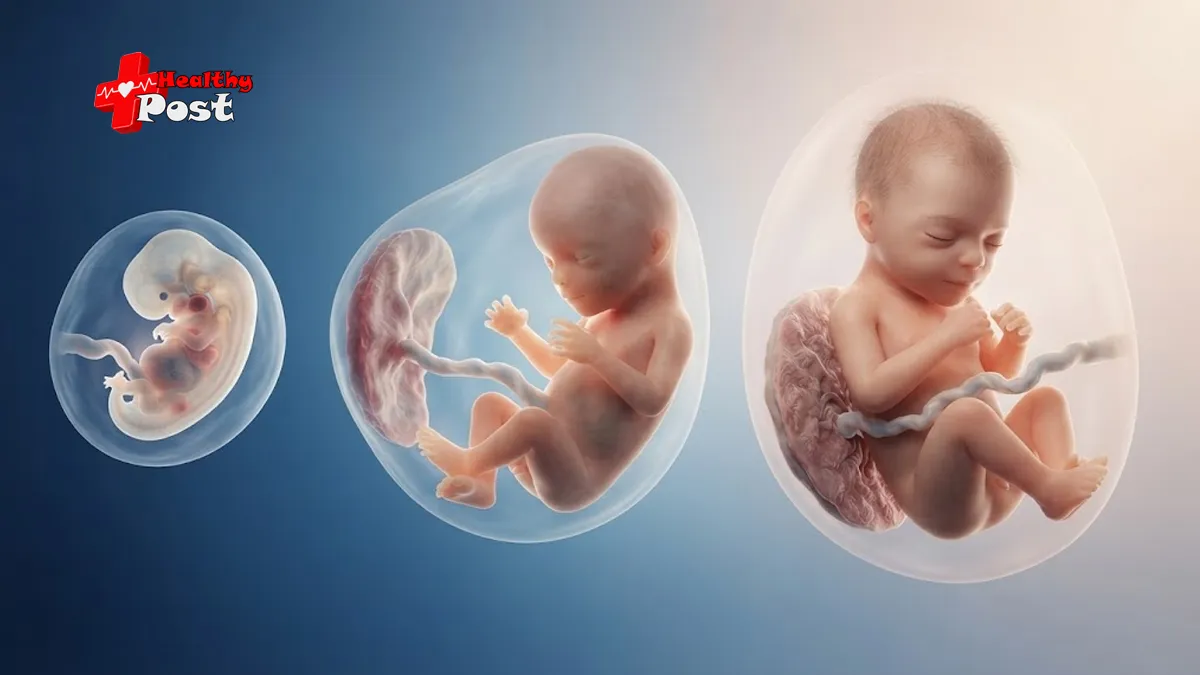
Pregnancy changes remarkably from one week to the next. Fetal development week by week begins with a pregnancy timeline that actually starts before conception, then progresses through fertilization, implantation, formation of the major organs, coordinated movement, rapid growth, and preparation for birth. Although every pregnancy develops at its own pace, knowing the typical milestones can make prenatal appointments and ultrasound findings easier to understand.
Pregnancy is conventionally dated as 40 weeks from the first day of the last menstrual period (LMP). That means weeks 1 and 2 usually occur before conception. A developing baby is generally called an embryo during the early stages and a fetus from about week 11 onward.
This guide follows the major week by week pregnancy milestones from week 1 through week 40, with a practical fetal growth chart and trimester overview.
How Pregnancy Weeks Are Counted
One of the most confusing parts of pregnancy dating is that the first two weeks are counted even though conception has usually not happened yet.
Healthcare professionals calculate gestational age from the first day of the last menstrual period. Ovulation and conception generally occur about two weeks later in a typical cycle, although the exact timing varies.
This distinction matters when comparing pregnancy information online. A baby described as being “8 weeks pregnant” is usually about six weeks from conception.
ACOG defines the first trimester as ending at 13 weeks and 6 days, the second trimester as 14 weeks through 27 weeks and 6 days, and the third trimester as beginning at 28 weeks.
First Trimester: Weeks 1–12
The first trimester contains some of the fastest changes in baby development stages in pregnancy. The basic body plan emerges, the nervous system develops, and the foundations of major organs are established.
Week 1: Pregnancy Dating Begins
There is usually no developing baby yet. Week 1 begins on the first day of the menstrual period used to calculate the estimated due date.
The uterus is preparing for another cycle, while hormonal changes eventually lead toward ovulation.
Week 2: Ovulation and Possible Conception
Ovulation commonly occurs around this time in a typical 28-day cycle, although timing varies considerably.
If sperm meets an egg around ovulation, fertilization can occur. This begins the biological process that eventually produces an embryo.
Week 3: Fertilization and Cell Division
During week 3, the sperm and egg may unite in the fallopian tube to form a zygote.
The zygote rapidly divides as it travels toward the uterus. It progresses through stages including the morula and then the blastocyst, a structure prepared for implantation.
Week 4: Implantation
The blastocyst reaches the uterus and attaches to the uterine lining. This process is called implantation.
Cells begin taking on different roles. The inner cell group develops into the embryo, while other cells contribute to the placenta. The placenta will eventually provide oxygen and nutrients and remove waste products from the developing pregnancy.
If you’re interested in what bleeding can mean around this early stage, HealthyPost has a related guide explaining bleeding during early pregnancy and how it differs from a menstrual period.
Week 5: Three Primary Cell Layers Form
The embryo develops three important cell layers:
- Ectoderm contributes to the nervous system, skin, eyes, and inner ears.
- Mesoderm contributes to the heart, blood vessels, bones, kidneys, and reproductive structures.
- Endoderm contributes to structures including the lungs and digestive tract.
The early heart and circulatory system also begin developing during this period.
Week 6: Neural Tube and Early Organs Develop
The neural tube, which eventually forms the brain and spinal cord, develops and closes during this stage.
Small structures that will become the arms appear, while the eyes and ears begin taking shape. The embryo has a characteristic curved or C-shaped appearance.
Week 7: Brain and Face Development
The brain grows rapidly, while facial structures become more defined.
Lower limb buds appear, and the arm buds become more recognizable. Structures that will eventually form the nostrils and eyes are also developing.
Week 8: Fingers and Facial Features Appear
The limbs become more distinct and fingers begin forming. The nose, upper lip, eyes, and developing ears are increasingly recognizable.
By the end of week 8, crown-to-rump length may be around 11–14 mm, although individual measurements vary.
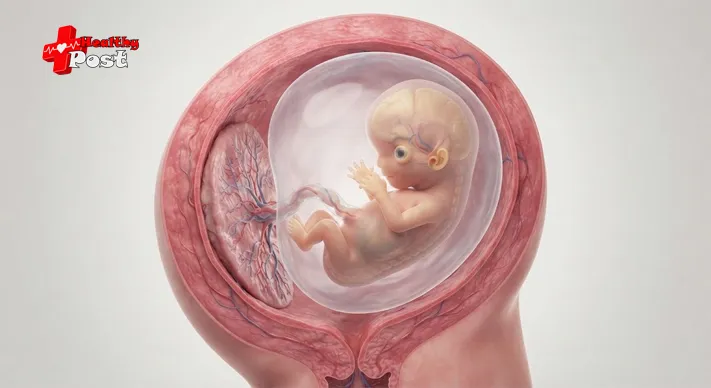
Week 9: Toes and Eyelids Develop
The arms lengthen and elbows form. Toes become visible, and eyelids begin developing.
The head remains proportionally large because brain development is progressing rapidly.
Week 10: Fingers and Toes Separate
The fingers and toes become longer and more distinct as the earlier webbing disappears.
The elbows can bend, while the eyelids and outer ears continue developing. The overall body shape is becoming increasingly recognizable.
Week 11: The Embryo Becomes a Fetus
Around week 11, the developing baby is generally referred to as a fetus rather than an embryo.
The face continues maturing, early tooth buds appear, and the external genital structures begin developing. Red blood cells also begin forming in the liver.
Week 12: Fingernails Begin Developing
Fingernails begin forming, the facial profile becomes more developed, and the intestines have moved into the abdomen.
Mayo Clinic gives an approximate crown-to-rump length of 61 mm and weight of about 14 g at this point. These are reference measurements, not a required size for every pregnancy.
Second Trimester: Weeks 13–27
The second trimester is a period of continued organ maturation, skeletal development, movement, and sensory development. Many pregnant people begin feeling fetal movement during this part of pregnancy, although the timing varies.
Week 13: Bones Begin Hardening
The bones, especially those in the skull and long bones of the arms and legs, begin becoming harder.
The skin remains thin and relatively transparent.
Week 14: Neck and Facial Features Develop
The neck becomes more defined, while red blood cells are forming in the spleen.
Mayo Clinic estimates a crown-to-rump length of about 87 mm and weight of approximately 45 g at week 14.
Week 15: Bone and Scalp Development Continue
Bone formation continues, and the pattern of scalp hair begins developing.
The skeleton is becoming increasingly visible during ultrasound examination.
Week 16: Movements Become More Coordinated
The eyes can move slowly, and the ears are approaching their eventual position.
Limb movements are increasingly coordinated and can sometimes be seen during an ultrasound, although they may still be too subtle to feel.
Mayo Clinic lists an approximate crown-to-rump length of 120 mm and weight of 110 g at this stage.
Week 17: More Active Movement
Toenails begin developing. The fetus can roll and move within the uterus.
Small jerking movements may occur with fetal hiccups, although these sensations may not yet be noticeable to the pregnant person.
Week 18: Hearing Develops
The ears become more prominent, and the fetus may begin responding to sounds.
The digestive system is also becoming functional. An approximate crown-to-rump measurement is 140 mm, with a reference weight of about 200 g.
Week 19: Vernix Protects the Skin
A greasy protective coating called vernix caseosa begins covering the skin. It helps protect the developing skin from prolonged exposure to amniotic fluid.
The fetus also begins producing urine, which contributes to the amniotic fluid.
Week 20: Around Halfway Through Pregnancy
Week 20 represents approximately the midpoint of the conventional 40-week pregnancy timeline.
Fetal movement may become noticeable around this time. The fetus also develops increasingly regular periods of sleep and activity.
At week 20, Mayo Clinic gives an approximate crown-to-rump length of 160 mm and weight of about 320 g.
Week 21: Sucking Reflex Develops
The fetus is covered with fine, downy hair called lanugo.
The sucking reflex is developing, and thumb-sucking movements may occur.
Week 22: Hair and Eyebrows Become Visible
Eyebrows and hair become more visible, while the reproductive organs continue developing.
Mayo Clinic lists an approximate crown-to-rump length of 190 mm and weight of 460 g.
Week 23: Fingerprints and Footprints Begin
Ridges develop on the palms and soles that will form the foundations of fingerprints and footprints.
Rapid eye movements also occur, while the lungs begin producing surfactant, a substance important for keeping the air sacs open after birth.
Weeks 24–25: Sensory Development Continues
The nervous system continues maturing and fetal responses to external sounds become more developed.
At around week 25, some fetuses may move in response to familiar sounds, although individual responses differ.
Week 26: Eyebrows and Eyelashes Form
The eyebrows and eyelashes have formed, and the eyes are developed even though the eyelids may remain closed.
Mayo Clinic gives an approximate crown-to-rump length of 230 mm and weight of about 820 g.
Week 27: Second Trimester Ends
At week 27, the nervous system continues maturing and the fetus begins accumulating more body fat.
This week marks the end of the second trimester under the commonly used three-trimester framework.
Third Trimester: Weeks 28–40
The third trimester emphasizes continued brain and nervous-system maturation, increasing body fat, weight gain, muscle development, and preparation for birth.
Week 28: Eyes Can Partially Open
The eyelids can partially open. The central nervous system is becoming capable of helping regulate body temperature and initiating breathing movements that can be observed on ultrasound.
A reference measurement from Mayo Clinic is about 250 mm crown-to-rump length and 1,000 g.
Week 29: Kicking and Stretching
The fetus can kick, stretch, and make grasping movements.
Movement patterns may become increasingly noticeable as the pregnancy progresses.
Week 30: Eyes Open More Widely
The eyes can open widely, hair may be more noticeable, and red blood cells are being produced in the bone marrow.
Mayo Clinic estimates more than 270 mm crown-to-rump length and nearly 1,300 g at this stage.
Week 31: Rapid Weight Gain
By week 31, most major structural development has already occurred. The emphasis increasingly shifts toward growth, weight gain, and continued maturation.
Week 32: Lanugo Begins Disappearing
Toenails are visible, while lanugo begins to disappear.
A reference measurement is approximately 280 mm crown-to-rump length and 1,700 g.
Week 33: Eyes Respond to Light
The pupils can change size in response to light.
Bones continue hardening, although the skull remains relatively flexible because this flexibility helps accommodate passage through the birth canal.
Week 34: Fingernails Reach the Fingertips
The fingernails have reached the fingertips, and additional fat continues accumulating beneath the skin.
Mayo Clinic estimates approximately 300 mm crown-to-rump length and more than 2,100 g.
Week 35: Less Room for Large Movements
The fetus occupies much of the amniotic space. There may be less room for dramatic movements, but stretching, rolling, and other movements can still be felt.
Week 36: More Body Fat
More fat accumulates beneath the skin, giving the limbs a fuller appearance.
Many babies are head-down by this point, although not every fetus is positioned this way.
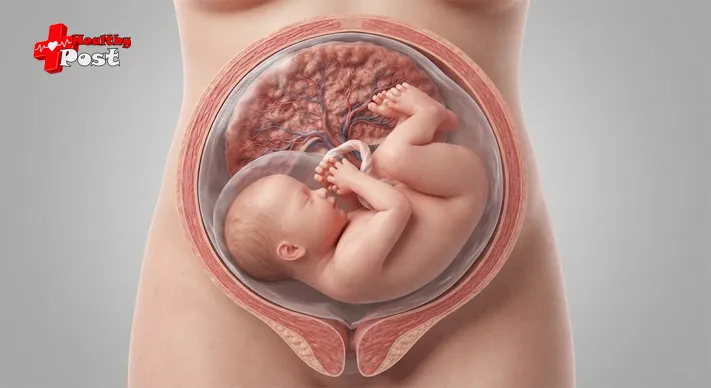
Week 37: Early Term
At 37 weeks, pregnancy enters the early-term period.
The fetus can grasp objects firmly, and the head may move downward into the pelvis as the body prepares for birth.
Week 38: Final Growth Continues
The toenails reach the tips of the toes, and most lanugo has disappeared.
Mayo Clinic gives a reference weight of approximately 2,900 g, while emphasizing that fetal size varies considerably.
Week 39: Full Term
At 39 weeks, the fetus is considered full term.
Additional body fat continues accumulating, helping the newborn regulate body temperature after birth. The chest also continues developing.
Week 40: Estimated Due Date
Week 40 corresponds to the conventional estimated due date calculated from the first day of the LMP.
However, the due date is an estimate rather than a guaranteed delivery date. ACOG notes that only about 1 in 20 pregnant women give birth on the exact estimated due date.
Mayo Clinic gives a reference week-40 measurement of approximately 360 mm crown-to-rump length and 3,400 g, but healthy babies can be considerably smaller or larger.
Fetal Growth Chart by Week
A fetal growth chart by week is useful for understanding broad developmental trends, but it should not be used to diagnose whether an individual baby is growing normally.
| Pregnancy stage | Approximate reference | Major milestone |
|---|---|---|
| Week 4 | Implantation stage | Blastocyst implants |
| Week 8 | 11–14 mm | Fingers and facial features develop |
| Week 12 | 61 mm, 14 g | Fingernails begin forming |
| Week 16 | 120 mm, 110 g | Coordinated limb movement |
| Week 20 | 160 mm, 320 g | Around halfway through pregnancy |
| Week 24 | 210 mm, 630+ g | Sensory and nervous-system development |
| Week 28 | 250 mm, 1,000 g | Eyes partially open |
| Week 32 | 280 mm, 1,700 g | Lanugo begins disappearing |
| Week 34 | 300 mm, 2,100+ g | Fingernails reach fingertips |
| Week 38 | —, about 2,900 g | Late fetal growth |
| Week 40 | 360 mm, about 3,400 g | Estimated due date |
These measurements are examples from Mayo Clinic’s pregnancy-development references rather than universal targets.
Ultrasound measurements are interpreted alongside gestational age, growth patterns, medical history, and other findings. A baby’s estimated size can differ from actual birth size.
First, Second and Third Trimester Fetal Growth at a Glance
| Trimester | Weeks | Main pattern of development |
|---|---|---|
| First trimester | 1–13+6 | Fertilization, implantation and major organ formation |
| Second trimester | 14–27+6 | Rapid growth, skeletal development, movement and sensory maturation |
| Third trimester | 28–40+6 | Increasing weight, brain and organ maturation, and preparation for birth |
ACOG uses these trimester boundaries, while the NHS week-by-week guide similarly groups weeks 13–27 as the second trimester and week 28 onward as the final trimester.
What Baby Development Inside the Womb Looks Like Over Time
The overall pattern of baby development inside the womb is easier to understand when viewed as a progression rather than 40 isolated weeks.
Early pregnancy: cells divide, implantation occurs, and the foundations of the placenta and embryo develop.
Weeks 5–12: major structures such as the brain, spinal cord, heart, limbs, face, and other organs undergo rapid development.
Middle pregnancy: the skeleton strengthens, movement becomes more coordinated, and sensory systems become increasingly functional.
Late pregnancy: the fetus gains substantial weight and body fat while the brain, lungs, nervous system, and other organs continue maturing.
This is why the first trimester is dominated by structural development, while later pregnancy increasingly emphasizes growth and functional maturation.
Why Your Baby May Not Match an Online Size Chart Exactly
Online comparisons such as “your baby is the size of a fruit” can be fun, but medical assessment relies on more meaningful measurements.
Fetal size naturally varies. Gestational age may also be adjusted when early ultrasound findings suggest that the pregnancy is further along or earlier than estimated from the LMP.
ACOG notes that first-trimester ultrasound can be used to estimate gestational age when the LMP is uncertain, with crown-rump length being an important measurement.
For that reason, a single number from an internet fetal growth chart by week should not be interpreted as a pass-or-fail measurement.
If you have questions about nutrition during pregnancy, a related HealthyPost article discusses omega-3 fatty acids and fetal development. Use it as general educational information rather than as a substitute for individualized prenatal nutrition advice.
When to Discuss Fetal Growth With Your Healthcare Provider
Routine prenatal care provides a much more complete picture of fetal development than an online chart.
Your healthcare professional may consider:
- Gestational age
- Ultrasound measurements
- Fetal anatomy
- Growth over time
- Placental findings
- Amniotic fluid
- Maternal health conditions
- Symptoms and pregnancy history
The pattern of growth can be more informative than a single estimated weight.
Contact your maternity team promptly if you notice a significant change in fetal movement after you have established a usual movement pattern, or if you experience symptoms that your prenatal team has told you require urgent assessment.
Frequently Asked Questions
What happens during fetal development week by week?
The developing baby progresses from fertilization and implantation through organ formation, skeletal and sensory development, increasing movement, rapid weight gain, and final preparation for birth. The pace and exact timing of individual milestones can vary.
When does an embryo become a fetus?
The developing baby is generally referred to as a fetus from around the 11th week of pregnancy. Before that point, the term embryo is commonly used.
When can you usually feel the baby move?
Many people begin noticing fetal movement during the second trimester, often around the middle of pregnancy, but timing varies. Factors such as whether this is a first pregnancy and placental position can influence when movement is noticed.
Is a fetal growth chart by week accurate for every pregnancy?
No. Growth charts provide reference ranges and trends rather than exact predictions. Healthcare professionals interpret ultrasound measurements in the context of gestational age and the overall pregnancy.
What is considered full term?
A pregnancy reaches full term at 39 weeks through 40 weeks and 6 days. Week 37 is classified as early term, while 41 weeks is late term.
Does reaching 40 weeks mean labor will start that day?
No. Forty weeks is the conventional estimated due date, not a guaranteed delivery date. Birth can occur before or after that date, and the timing is assessed according to the individual pregnancy.
Conclusion
Fetal development week by week is a progression from a few rapidly dividing cells to a mature fetus prepared for life outside the uterus. The first trimester establishes the basic body structures, the second trimester brings increasingly coordinated movement and sensory development, and the third trimester emphasizes growth, body-fat accumulation, and continued maturation of the brain, lungs, and other organs.
The most useful way to follow pregnancy week by week is to combine general developmental milestones with your own prenatal assessments. Online size charts can provide helpful context, but they cannot replace ultrasound findings or advice from your maternity care team.
Every pregnancy has its own timeline. A milestone may occur slightly earlier or later without necessarily indicating a problem, which is why your healthcare professional looks at the complete clinical picture rather than one measurement in isolation.
References
- American College of Obstetricians and Gynecologists (ACOG) — How Your Fetus Grows During Pregnancy. ACOG explains trimester definitions, estimated due dates, gestational-age assessment, and major fetal development milestones. ACOG: How Your Fetus Grows During Pregnancy
- Mayo Clinic — Fetal Development: The First, Second and Third Trimesters. These current clinical guides provide week-by-week developmental milestones and reference fetal measurements. Mayo Clinic: Fetal Development Week by Week
- NHS — Week-by-Week Guide to Pregnancy. The NHS provides a pregnancy timeline covering fetal development and pregnancy changes throughout the three trimesters. NHS: Week-by-Week Guide to Pregnancy
2 Comments
Pingback: What Is Lightning Crotch? Causes, Relief & When to Call
Pingback: Baby Behavior While Breastfeeding: 7 Odd Habits Explained