


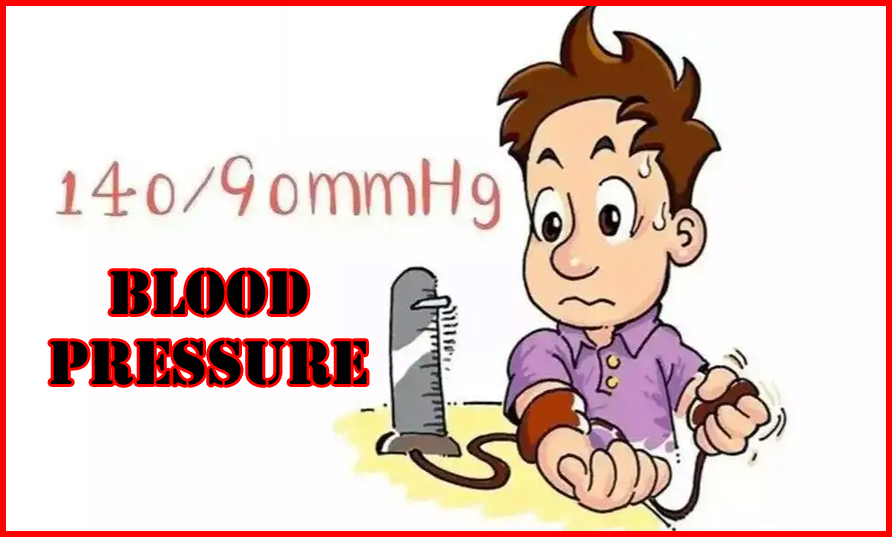
People only know that high blood pressure is harmful, but they don’t know that low blood pressure can also have adverse effects on the body. We know that low blood pressure is a manifestation of lowered blood pressure, with obvious symptoms such as dizziness , weakness in the hands and feet, etc. It is most common in adolescents, people with weak constitutions, and the elderly during growth and development, especially those with serious cardiovascular and cerebrovascular diseases (such as myocardial infarction, heart failure ). Severe low blood pressure may cause shock to the body and affect health.
What are the causes of low blood pressure?
1. Congenital hypotension
Some people are born with low blood pressure due to genetic reasons, or their physical condition is not very good when they are born, resulting in very poor physical constitution. Later on, it can be improved through nutritional supplements, physical exercise and other methods.
2. Postural hypotension
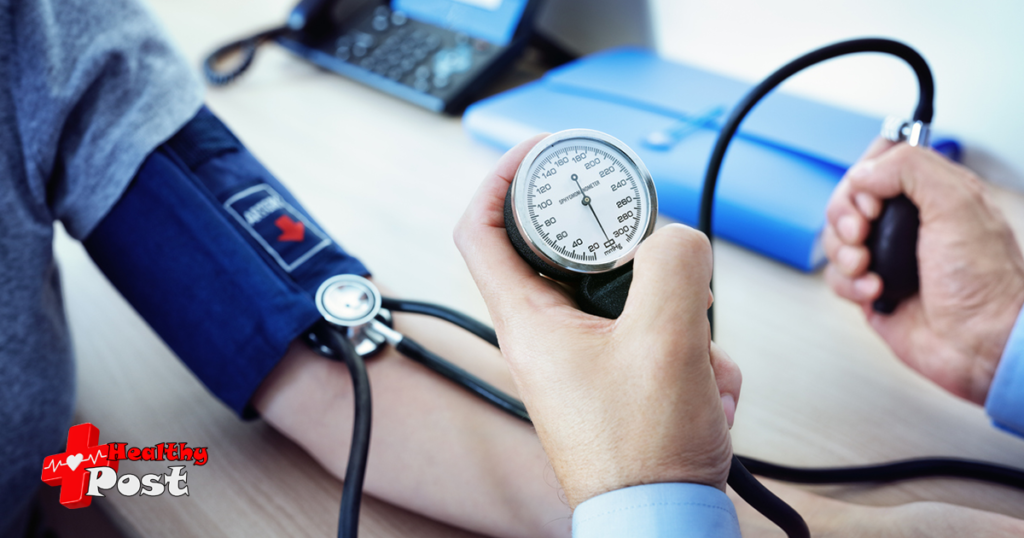
When we stand up suddenly, we feel dizzy and our blood pressure drops. When people move from a sitting position to a standing position or from a lying position to a standing position, their blood pressure drops. For example, if you stand up suddenly after squatting for a long time, the brain is prone to insufficient blood supply, which leads to symptoms of hypotension. The diagnostic criteria for postural hypotension are a decrease in systolic blood pressure of ≥20 mmHg or/and a decrease in diastolic blood pressure of ≥10 mmHg within 3 minutes from lying to standing.
3. Treatment of hypertension
If a patient with hypertension experiences low blood pressure or suspected hypotension during antihypertensive drug treatment, he or she should consult a doctor to adjust the treatment plan and reduce the type of medication or dosage as appropriate. Patients with coronary heart disease should pay more attention to the problem of low blood pressure, because diastolic blood pressure below 60 mmHg may reduce myocardial blood supply and have adverse effects on patients.
4. Lack of nutrition leads to physical weakness
A healthy body requires a lot of nutrients to maintain. If vitamins, proteins and other nutrients are lacking for a long time, it is easy to have symptoms of low blood pressure. People with weak constitutions, teenagers, people who lack exercise and women are more likely to have low blood pressure. Some may not have any symptoms, while others may experience dizziness, weakness, shortness of breath, lack of energy, fatigue, etc. In order to lose weight, some girls go on excessive diets or have an unreasonable diet structure , which leads to insufficient nutrition supply in the body and symptoms of low blood pressure.
5. Postprandial hypotension
The diagnostic criteria are that the systolic blood pressure drops by more than 20 mmHg within 2 hours after eating compared to before the meal, or the systolic blood pressure before the meal is greater than or equal to 100 mmHg, and the systolic blood pressure after the meal is less than 90 mmHg, or clinical symptoms appear. It is more common in elderly patients with hypertension, diabetes, and Parkinson’s disease . To avoid postprandial hypotension, patients can drink water before meals, reduce carbohydrate intake, lie down for a while after meals, and in severe cases, eat small meals more often.
6. Hypotension after drug effect
Occasionally taking a large amount of antihypertensive drugs may lead to hypotension, so hypertensive patients must follow the doctor’s instructions when taking antihypertensive drugs and take them every day. If you forget to take short-acting drugs, you can take incremental and stable blood pressure changes under the doctor’s advice. If you forget to take long-acting drugs, a few times can be ignored, and if you forget to take them multiple times, you can consult a doctor.
7. Abnormal hormone secretion
When the thyroid gland is hypofunctioning, the secretion of thyroid hormone decreases, and the patient’s basal metabolic rate decreases, which manifests as myxedema. When the adrenal glands are hypofunctioning, the secretion of cortisol and aldosterone decreases, and these two substances play a role in maintaining blood pressure.
8. Seasonal hypotension
It is more common in hot summer. Excessive sweating leads to a decrease in blood volume, and blood vessels dilate, which leads to lower blood pressure. Patients may have temporary headaches, dizziness, chest tightness, shortness of breath, etc. Therefore, everyone should pay attention to drinking more water to replenish body water.
What should I do if I have low blood pressure?
1. Strengthen exercise and improve physical fitness.
Exercising every day is an effective measure to prevent and treat hypotension.
2. Eat a balanced diet and improve nutrition.
In life, we should balance our diet properly and avoid picky eating to ensure that we take in comprehensive and adequate nutrients.
3. Follow your doctor’s advice on taking medication to stabilize your blood pressure.
Hypertensive patients must take antihypertensive drugs under the guidance of doctors, and should not change the type and dosage of antihypertensive drugs at will; they should pay attention to the speed of changing body positions, such as not getting up too quickly or too fast from a sitting position. Those with postprandial hypotension can try to drink a moderate amount of water before meals, avoid drinking alcohol during meals, take a proper rest after meals, and eat small and frequent meals.
4. Deal with emergencies calmly.
If you suddenly experience symptoms of hypotension such as palpitations, dizziness, and blackouts, you can immediately lie down and rest. If the patient has fainted, family members should immediately lift the patient to a well-ventilated place, or lower the patient’s head, loosen the collar, and keep the patient warm. The patient will generally wake up quickly.
If the symptoms are not relieved for a long time, you should go to the hospital for diagnosis and treatment in time. Patients with coronary heart disease, angina pectoris , myocardial infarction or heart failure, if their blood pressure is too low, should reduce or avoid the use of drugs that may cause low blood pressure.
9 Comments
Pingback: Dizziness and tinnitus should be alert to 5 types of diseases "lurking"
Pingback: Running can control blood pressure and blood lipids
Pingback: 5 Alarming Truths About Pink Salt and Your Health Risks
Pingback: 7 Shocking Facts About XXXS That Could Harm Your Health
Pingback: Mullein Tea: 10 Powerful Benefits, Side Effects & How to Brew It
Pingback: Oregano Oil Capsules: 10 Powerful Benefits You Can’t Ignore
Pingback: Coronary Stent Surgery – 5 Shocking Risks You Should Never Ignore
Pingback: Buccal Fat Removal: 7 Shocking Facts About Cost and Before & After Results
Pingback: Cardiogenic Shock ICD 10 Explained: a best info