


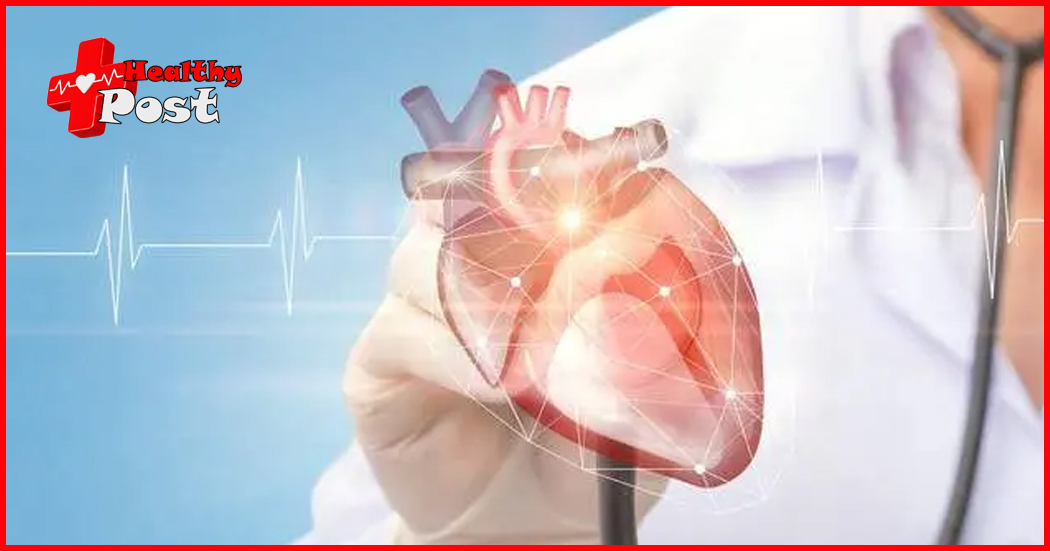
Most heart diseases require long-term medication control, otherwise the disease will relapse and worsen. If the medicine for heart disease is use correctly, the disease can be control. If it is use incorrectly, not only the disease may progress, but also side effects may occur.
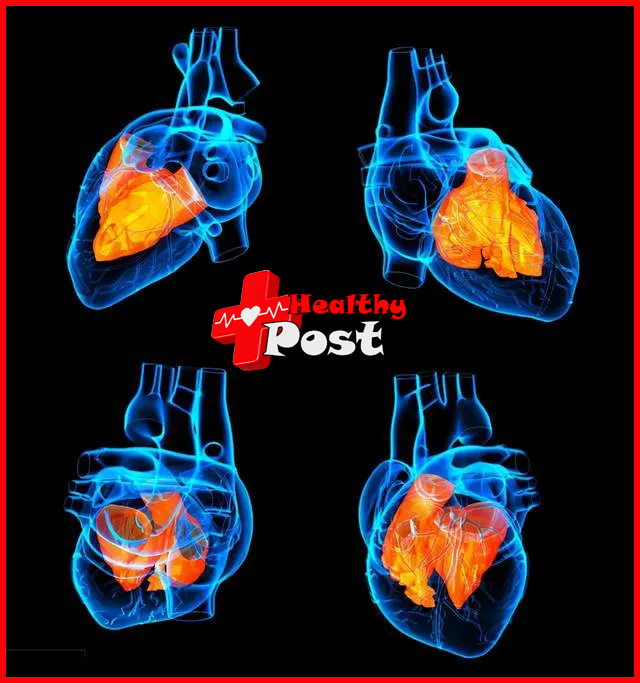
Heart disease includes many specific levels: coronary heart disease, cardiomyopathy, valvular disease, arrhythmia, etc., hypertensive heart disease, congenital heart disease, pulmonary heart disease, rheumatic heart disease, cardiac neurosis, etc.; coronary heart disease is further divided into Asymptomatic coronary heart disease, angina pectoris, myocardial infarction, post-stent, bypass surgery, etc.; cardiomyopathy is further divided into dilated cardiomyopathy, hypertrophic cardiomyopathy, alcoholic cardiomyopathy, syphilitic cardiomyopathy, ischemic cardiomyopathy, etc. ; Valvular diseases are further divided into mitral valve, tricuspid valve, aortic valve, pulmonary valve, stenosis and insufficiency, etc.; Arrhythmias are further divided into rapid and chronic ones, such as atrial fibrillation, atrial tachycardia, supraventricular tachycardia, ventricular tachycardia, ventricular tachycardia, etc. Rapid, chronic such as sick sinus syndrome, atrioventricular block, etc.
A small number of these diseases can be cure. For example, supraventricular tachycardia can be cure by radiofrequency surgery, and sick sinus syndrome can be cured by a pacemaker. These curable heart diseases do not require medication in the future. .
However, the vast majority of heart diseases require medication to control them. We summarize the common medication regimens for heart disease as follows. Because there are no drugs targeting the valves or myocardium for valvular disease, cardiomyopathy, etc., these heart diseases will eventually develop into heart failure. , so we summarize it according to the cardiovascular system, which is coronary heart disease; cardiac functional disease, which is heart failure; and the heart circuit system, which is arrhythmia.
1. Coronary heart disease
Coronary heart disease, simply put, is a heart disease in which the blood vessels in the heart are narrow by more than 50%.
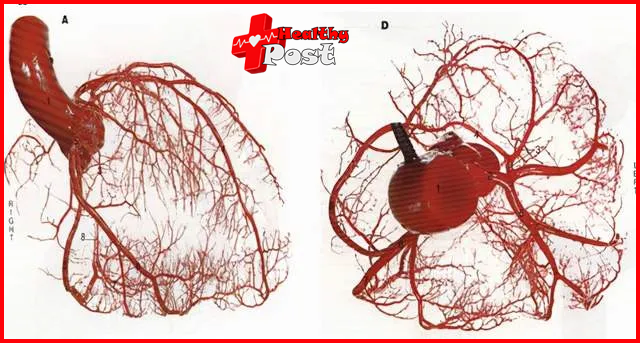
For any coronary heart disease, the basis of drug treatment is to control the three highs. That is to say, for people with coronary heart disease, first check whether they have three high blood pressure. If they have three high blood pressure, they must control their blood pressure, blood sugar, and blood lipids to ideal levels. Fasting blood sugar, postprandial blood sugar, and glycosylated hemoglobin must meet the standards; blood pressure should be as close to 120/80mmHg as possible, and blood lipids, especially low-density lipoprotein cholesterol, should be reduce below 1.8mol/L. Therefore, drugs to control the three highs are the basis for the treatment of coronary heart disease.
1. Asymptomatic coronary heart disease
In some cases of coronary heart disease, although the blood vessels are narrow by more than 50%, the patient does not have any symptoms. Although symptomatic coronary heart disease has no symptoms, it must be control by taking medicine. Otherwise, cardiovascular stenosis will be further aggravate until it develops into angina pectoris or even myocardial infarction.
For any coronary heart disease, no matter whether there are symptoms or not, whether there is angina pectoris or not, whether there is myocardial infarction or not, one should take aspirin + statin for a long time.
Statins can not only reduce low-density lipoprotein cholesterol and increase high-density lipoprotein cholesterol, but also prevent and control the aggravation of plaques and cardiovascular stenosis by adjusting blood lipids. At the same time, statins can fight inflammation, stabilize plaques, and prevent plaque aggravation; at the same time, statins can prevent plaque rupture, prevent thrombosis, and thus prevent myocardial infarction.
Aspirin can prevent platelet aggregation, thereby preventing blood clots and myocardial infarction.
Aspirin + statin is the basis of drugs for the treatment of coronary heart disease. During the medication, pay attention to observe whether there is bleeding, regularly review blood routine, liver function, creatine kinase, blood sugar, etc., and observe whether there are any side effects.
2. Angina pectoris
If it is coronary heart disease with angina pectoris, then the episodes of angina pectoris must be control. Medications to control angina need to be determine on a case-by-case basis for each patient. (Aspirin and statins remain the basis.)
For example, if the heart rate is too fast , it is easy to induce angina pectoris. At this time, you must consider using lorol drugs to control the onset of angina pectoris by lowering the heart rate and reducing myocardial oxygen consumption.
For example, if you have a fast heart rate and high blood pressure, or have experienced vasospasm , you should consider using diltiazem drugs to control angina attacks by lowering blood pressure, lowering heart rate, and relieving spasm.
For example, if the blood vessel stenosis is obvious , you can consider using nitrate drugs to dilate the blood vessels to control the onset of angina.
For example, if you have an angina pectoris attack , you can consider using nitroglycerin at the time of the attack. If your blood pressure is low or you cannot use nitroglycerin , you can consider using Jiuxin Pills.
For example, if there are repeat angina pectoris attacks and myocardial hypoxia is consider, trimetazidine can be use to control angina pectoris.
For example, if you cannot use the above drugs due to heart rate and blood pressure problems , you can consider using nicorandil to control angina. This drug does not have much impact on heart rate and blood pressure.
3. Myocardial infarction
After a myocardial infarction is diagnose, aspirin, clopidogrel/ticagrelor, and statins must be give immediately.
Those who have had a stent need to take clopidogrel/ticagrelor for one to one and a half years, and then stop taking the medicine under the guidance of a doctor.
Patients with myocardial infarction, in addition to long-term use of aspirin + statin, if there are no contraindications, should also take long-term lorol drugs to prevent heart failure, prevent arrhythmia, and reduce mortality; they should also take long-term use of prolin/sartan drugs to prevent heart failure. , reduce mortality.
2. Heart failure
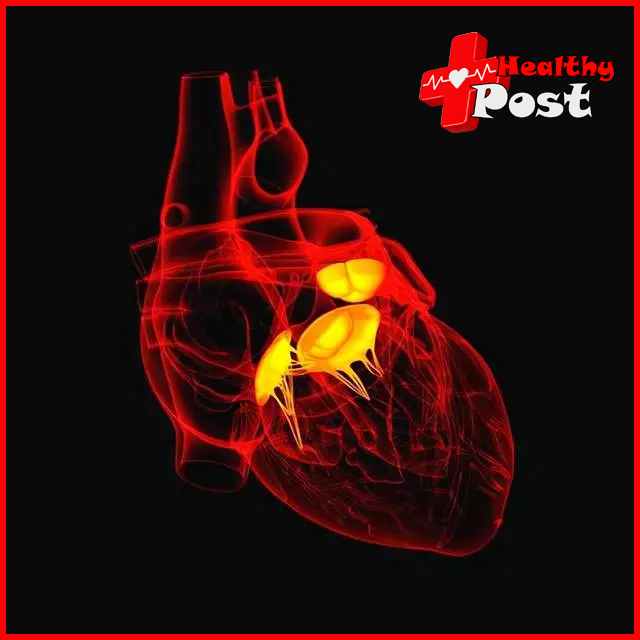
The Heart failure is not a name for a heart disease. Heart failure is a group of syndromes in which the heart develops to a certain stage. Almost all heart diseases may eventually develop into heart failure if not treated promptly and properly.
For example, hypertensive heart disease, coronary heart disease, myocardial infarction, valvular disease, cardiomyopathy, etc. may eventually develop into heart failure.
For this type of disease, the primary disease must be treat first. As example, hypertension must be control first, coronary heart disease must be treat first, and surgery must be consider for valvular disease.
Once it develops into the stage of heart failure, the drugs for treatment are generally the same: the four cornerstones!
1. Lorol drugs, including bisoprolol, metoprolol, etc., can reduce heart failure mortality by about 30%;
2. Drugs such as Prilim/Sacubitril/Sacubitril/Valsartan can reduce heart failure mortality by about 30%;
3. Spironolactone can reduce heart failure mortality by about 30%;
4. Liflozin drugs, this is the latest type of drug to treat heart failure added to the heart failure guidelines. Although it is a hypoglycemic drug, it is also the basic drug for the treatment of heart failure. This drug can also reduce the mortality of patients with heart failure.
These four major categories of drugs should theoretically be take for a long time by any patient with heart failure as long as there are no contraindications.
3. Arrhythmia
If the heartbeat is too slow, that is, bradycardia. If it is irreversible, or has caused black eyes or syncope, then generally there is no drug that can increase the heart rate.
Currently, the drugs commonly use to treat bradycardia are not drugs that directly treat bradycardia, but are side effects of some drugs use to treat lung diseases. Therefore, severe bradycardia cannot be control by long-term medication, and pacemaker treatment is require if necessary.
Tachycardia, or premature heart beats, generally depends on the specific situation, or to be precise, it is call a tachyarrhythmia. Drugs for this disease are divide into 4 major categories:
Commonly used Class I drugs : mexiletine, propafenone, etc.
Commonly used Class II drugs : atenolol, metoprolol, etc.
Commonly used Class III drugs : amiodarone, sotalol, etc.
Commonly used Class IV drugs : verapamil, diltiazem, etc.
Medication for arrhythmias is more complicated, and once again I won’t go into further science, that’s a matter for doctors. Everyone needs to remember that all drugs for treating arrhythmias may induce new arrhythmias, so you cannot take them casually, and it does not mean that you take them all the time. You must review them regularly.
In short, it is a very complex disease, and the drug treatment for this disease is even more complicated. Whether you are taking medicine or stopping medicine, you must listen to your doctor, and never make your own decisions!
This Article is just for your info. For better treatment contact your Doctor

23 Comments
Pingback: What are the effects of smoking on the lungs?
Pingback: What are the signs before a heart attack?
Pingback: Bradyarrhythmia symptoms, causes, and treatment
Pingback: What are the symptoms of sinus arrhythmia
Pingback: what is Low blood pressure, cause, symptoms and treatment
Pingback: Let's know garlic benefits for health
Pingback: Hypokalemia ICD 10: Understanding the Code and Condition
Pingback: best methylated multivitamin
Pingback: Enantyum: Guide to Uses, Benefits, Dosage, and Side Effects
Pingback: CPT Code 93306 Explained: Echocardiogram Billing & Coding
Pingback: G47.33 Diagnosis Code: Symptoms, Causes & Treatment
Pingback: Facts That Answer: Are Sock Marks a Sign of Heart Disease?
Pingback: Corn flour: What It Is, Nutrition, and Health Benefits
Pingback: Hypertriglyceridemia ICD 10: 5 Proven Ways to Beat the Risk
Pingback: Hemostat Uses: 5 Essential Ways This Tool Saves Lives in Surgery
Pingback: FUPA: 7 Shocking Facts, Symptoms, Causes, and Best Treatment Tips
Pingback: Apple watches ecg can help diagnose heart problem research - jully poca
Pingback: Celery Juice: 10 Powerful Benefits and Side Effects You Must Know
Pingback: Glimepiride: 7 Powerful Facts About Its Drug Class, Uses, and Side Effects
Pingback: What Is Hypomagnesemia? Causes, Symptoms & Treatment
Pingback: CPT Code 93306: Step-by-Step Explanation for Medical Practitioners
Pingback: Invokana Generic: 5 Proven Benefits for Safer, Smarter Diabetes Care
Pingback: Atrial Fibrillation ICD 10: Complete Code List & Updates