



Many people experience knee pain, which can affect daily activities. When both knees hurt, it is called bilateral knee pain (bilateral knee pain icd 10). This condition can result from aging, injuries, arthritis, or other medical issues. Understanding the cause is essential for effective treatment.
Importance of Accurate Diagnosis – Bilateral Knee Pain ICD 10
Doctors use a coding system called ICD 10 to classify diseases. The code helps healthcare providers document and diagnose knee conditions properly. This code allows for accurate medical records, insurance claims, and treatment planning.
Why Do ICD 10 Codes Matter?
ICD 10 codes are international medical classification codes. They help doctors track diseases, plan treatments, and streamline healthcare documentation. The right code ensures that patients get the best care for their condition.
| ICD 10 Code | Condition |
|---|---|
| M17.0 | Bilateral primary osteoarthritis of the knee |
| M25.561 | Pain in right knee |
| M25.562 | Pain in left knee |
| M25.569 | Pain in unspecified knee |
Purpose of This Article
This article will explain everything about bilateral knee pain ICD 10. You will learn about common causes, symptoms, diagnosis, and treatment options. By the end, you will understand how doctors classify knee pain and the best ways to manage it.
Understanding Bilateral Knee Pain
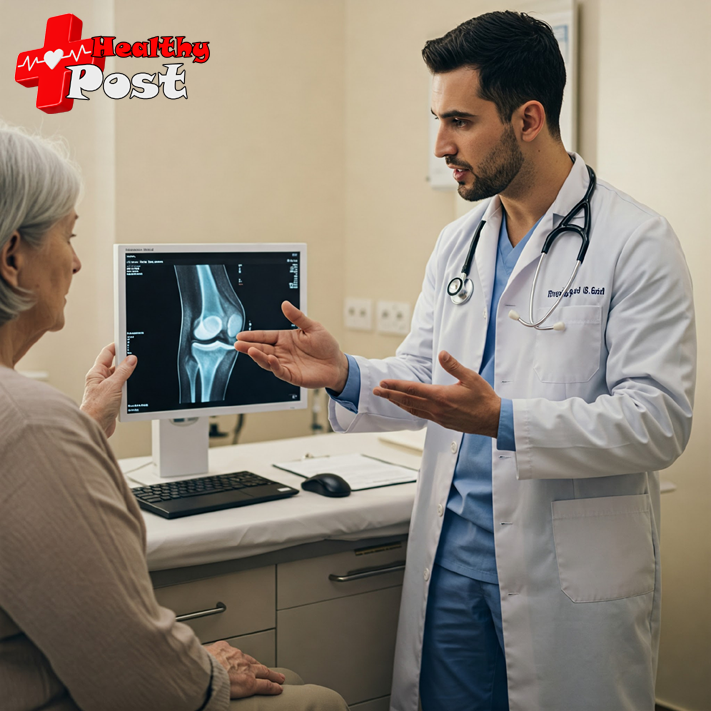
What Is Bilateral Knee Pain?
Bilateral knee pain means pain in both knees at the same time. It can result from injuries, medical conditions, or overuse. The pain may be temporary or chronic, depending on the cause.
Common Symptoms of Bilateral Knee Pain
People with bilateral knee pain ICD 10 often experience:
- Swelling in both knees
- Stiffness and difficulty bending or straightening the legs
- Pain that worsens with movement or prolonged sitting
- A feeling of weakness or instability
- Limited range of motion in the knees
Pain Intensity and Its Impact on Daily Life
The severity of knee pain ICD 10 varies. Some people feel mild discomfort, while others experience severe pain that affects mobility. Simple tasks like walking, climbing stairs, or standing for long periods can become difficult. This can reduce overall quality of life.
Common Causes of Bilateral Knee Pain
Several factors can lead to knee pain ICD 10, including:
| Cause | Description |
|---|---|
| Osteoarthritis | Wear and tear of knee joints over time |
| Rheumatoid Arthritis | An autoimmune disease causing joint inflammation |
| Injuries | Ligament tears, fractures, or dislocations |
| Overuse | Repetitive movements leading to strain and pain |
| Obesity | Extra weight increasing pressure on knee joints |
If you experience knee pain ICD 10, understanding its cause can help in finding the right treatment. In the next section, we will explore how doctors diagnose this condition and the best treatment options.
The Role of ICD 10 Codes
What Are ICD 10 Codes?
ICD 10 codes are a standardized system used by doctors to classify diseases and health conditions. These codes help in diagnosing, treating, and documenting medical issues. They are essential for medical records, insurance claims, and treatment planning.
Understanding Bilateral Knee Pain ICD 10 Codes
The knee pain ICD 10 code is used to identify knee pain in both knees. It ensures accurate diagnosis and helps doctors provide the best treatment. Proper coding also helps insurance companies process claims correctly.
Importance of Accurate ICD 10 Coding
Correct ICD 10 coding is crucial in healthcare. It ensures:
- Proper diagnosis and treatment plans
- Accurate medical records for future reference
- Smooth insurance processing and billing
- Effective communication between healthcare providers
Common ICD 10 Codes for Knee Pain
Here are some commonly used ICD 10 codes related to knee pain:
| ICD 10 Code | Condition |
|---|---|
| M25.561 | Pain in the right knee |
| M25.562 | Pain in the left knee |
| M17.0 | Bilateral primary osteoarthritis of the knee |
| M17.2 | Bilateral post-traumatic osteoarthritis |
| M25.569 | Pain in an unspecified knee |
How Doctors Use ICD 10 Codes
Doctors use knee pain ICD 10 codes to:
- Document patient conditions in medical records
- Track disease progression over time
- Determine the best treatment approach
- Communicate effectively with other healthcare providers
Using the correct ICD 10 code ensures patients receive the right care. In the next section, we will discuss the diagnosis and treatment options for bilateral knee pain ICD 10.

Common Causes and Related ICD 10 Codes
Osteoarthritis and Bilateral Knee Pain ICD 10
Osteoarthritis (OA) is a degenerative joint disease that wears down knee cartilage over time. This leads to pain, stiffness, and swelling. OA is a leading cause of knee pain ICD 10 cases, especially in older adults. The knees may feel weak, making it hard to walk or climb stairs.
Related ICD 10 Codes:
- M17.0 – Bilateral primary osteoarthritis of the knee
- M17.2 – Bilateral post-traumatic osteoarthritis
Rheumatoid Arthritis and Bilateral Knee Pain ICD 10
Rheumatoid arthritis (RA) is an autoimmune disease where the immune system attacks the joints. This causes chronic inflammation, pain, and joint deformity. RA often affects both knees, leading to knee pain ICD 10 classification. Symptoms include morning stiffness, swelling, and warmth around the knees.
Related ICD 10 Codes:
- M05.76 – Rheumatoid arthritis with rheumatoid factor of the knee
- M06.06 – Rheumatoid arthritis without rheumatoid factor of the knee
Ligament Injuries and Bilateral Knee Pain ICD 10
Ligament injuries, such as ACL (anterior cruciate ligament) or MCL (medial collateral ligament) tears, can cause severe knee pain. These injuries often result from sports activities or sudden movements. When both knees are affected, they fall under knee pain ICD 10 coding.
Related ICD 10 Codes:
- S83.511 – Sprain of anterior cruciate ligament of the right knee
- S83.512 – Sprain of anterior cruciate ligament of the left knee
- S83.219 – Sprain of the medial collateral ligament of the knee
Meniscus Tears and Bilateral Knee Pain ICD 10
A meniscus tear occurs when the cartilage in the knee joint is damaged. It often happens due to sudden twisting movements or age-related wear and tear. Symptoms include pain, swelling, and difficulty moving the knee.
Related ICD 10 Codes:
- S83.241 – Bucket-handle tear of the medial meniscus of the right knee
- S83.242 – Bucket-handle tear of the medial meniscus of the left knee
Other Causes of Bilateral Knee Pain ICD 10
Other conditions can also lead to knee pain ICD 10, including:
| Cause | Symptoms | ICD 10 Code |
|---|---|---|
| Bursitis | Swelling, warmth, and tenderness | M70.50 |
| Tendinitis | Pain and stiffness with movement | M76.50 |
| Gout | Sudden intense pain and redness | M10.06 |
Each condition has specific symptoms and requires a unique treatment approach. Next, we will explore how doctors diagnose knee pain ICD 10 and the available treatment options.
Diagnosis of Bilateral Knee Pain
Medical History and Symptoms
A thorough medical history is the first step in diagnosing bilateral knee pain ICD 10. Doctors ask about symptoms, pain duration, and any past injuries. They also check for underlying conditions like arthritis or infections. Understanding the patient’s daily activities helps identify possible causes.
Physical Examination
Doctors perform a physical exam to assess knee function. They check for:
- Swelling and redness
- Joint stiffness and range of motion
- Tenderness around the knee
- Walking and balance issues
These tests help determine the severity of knee pain ICD 10 and guide further evaluations.
Imaging Tests for Diagnosis
Imaging tests help doctors see the internal knee structure. Common tests include:
| Imaging Test | Purpose |
|---|---|
| X-ray | Detects bone damage, fractures, and osteoarthritis |
| MRI | Shows soft tissue injuries like ligament or meniscus tears |
| CT Scan | Provides detailed images of bone and soft tissues |
These tests confirm the cause of bilateral knee pain ICD 10 and help plan treatment.
Lab Tests for Arthritis and Other Conditions
Doctors may order lab tests to check for inflammation or infections. Common tests include:
- Blood tests – Detect rheumatoid arthritis or infections
- Joint fluid analysis – Identifies gout, infections, or arthritis
Using Bilateral Knee Pain ICD 10 Codes
Doctors document the diagnosis using bilateral knee pain ICD 10 codes. These codes classify the condition for medical records and insurance claims. Proper coding ensures the patient receives the right treatment and billing.
In the next section, we will discuss the best treatment options for knee pain ICD 10.
Treatment Options for Bilateral Knee Pain
Non-Surgical Treatments
Most cases of knee pain ICD 10 can be managed with non-surgical methods. These treatments focus on reducing pain, improving mobility, and preventing further damage.
Physical Therapy
Physical therapy strengthens the muscles around the knees. It improves flexibility, balance, and joint stability. Therapists design personalized exercises to help patients regain movement.
Pain Medications
Doctors often prescribe medications to relieve pain and inflammation, including:
- NSAIDs (Non-Steroidal Anti-Inflammatory Drugs): Ibuprofen and naproxen reduce swelling and pain.
- Acetaminophen: Helps with mild to moderate knee pain.
Injections for Pain Relief
Doctors may use injections for bilateral knee pain ICD 10 cases that do not respond to oral medications. Common options include:
- Corticosteroid injections: Reduce inflammation and provide temporary relief.
- Hyaluronic acid injections: Improve joint lubrication for osteoarthritis patients.
The RICE Method
The RICE method is a simple way to manage knee pain at home:
- Rest: Avoid activities that worsen pain.
- Ice: Apply ice packs for 15–20 minutes to reduce swelling.
- Compression: Use a knee brace or bandage for support.
- Elevation: Keep the knees raised to decrease swelling.
Surgical Treatments
Surgery is necessary for severe cases of bilateral knee pain ICD 10 that do not respond to other treatments.
Arthroscopy
Arthroscopy is a minimally invasive procedure where a small camera is inserted into the knee. Doctors use this to repair cartilage or remove damaged tissue.
Knee Replacement Surgery
For advanced arthritis, knee replacement surgery may be required. This involves replacing the damaged knee joint with an artificial implant. It improves mobility and reduces pain.
Recovery After Surgery
Post-surgical care includes:
- Physical therapy: Helps restore strength and movement.
- Pain management: Medications and ice packs ease discomfort.
- Gradual activity: Patients start with gentle movements and progress to normal activities.
Lifestyle Changes
Simple lifestyle changes can reduce the risk of bilateral knee pain ICD 10 and improve knee health.
Weight Management
Excess weight puts pressure on the knees. Losing weight reduces strain and lowers the risk of joint damage.
Low-Impact Exercises
Activities like swimming, cycling, and yoga strengthen muscles without stressing the knees.
Proper Footwear
Wearing supportive shoes helps align the knees and prevent pain. Cushioned soles absorb impact and reduce stress on joints.
By following these treatments, patients can manage bilateral knee pain ICD 10 effectively and improve their quality of life.
Prevention and Management of Bilateral Knee Pain
Preventing bilateral knee pain ICD 10 requires a proactive approach to joint health. Simple lifestyle changes can reduce the risk of knee problems and improve long-term mobility.
Strategies to Prevent Knee Pain
- Regular Exercise: Strengthen the muscles around the knees with low-impact activities like swimming and cycling.
- Stretching: Improve flexibility with daily stretches to prevent stiffness and injury.
- Proper Posture: Maintain correct posture when standing, sitting, and exercising to reduce joint strain.
- Weight Management: Maintain a healthy weight to reduce pressure on the knees.
- Supportive Footwear: Wear well-cushioned, properly fitted shoes for better knee alignment.
Managing Chronic Knee Pain
For individuals experiencing ongoing knee pain, effective management strategies include:
- Pain Medications: Use NSAIDs or acetaminophen as prescribed.
- Physical Therapy: Engage in targeted exercises to improve knee strength.
- Assistive Devices: Use braces or supports to reduce stress on the joints.
Early Intervention and Knee Health
Seeking medical advice early can prevent serious complications. If knee pain persists, doctors use bilateral knee pain ICD 10 codes for accurate diagnosis and treatment. Proper coding ensures patients receive the right medical care and support for long-term knee health.
Conclusion
Bilateral knee pain can affect daily life, making movement difficult. An accurate diagnosis is essential for effective treatment. The bilateral knee pain ICD 10 code helps doctors classify the condition and provide the right care.
With proper treatment, including medications, therapy, and lifestyle changes, pain can be managed effectively. Early intervention is key to preventing further complications.
If you experience persistent knee pain, seek medical advice immediately. A doctor can guide you toward the best treatment plan. Don’t wait—take the first step toward pain relief and improved mobility today!
1 Comment
Pingback: Loud Pop in Knee Followed by Pain: Causes, Symptoms