


This article has been written by Dr. Priyanka Agarwal (Dermatologist, Dakai Skin Clinic), specializing in clinical dermatology, cellular skin renewal, and metabolic skin health.
Medical Disclaimer: The information provided on Healthy Post regarding skin metabolism, cellular turnover, and revitalization routines is for educational and informational purposes only and does not constitute formal medical or dermatological advice. Slowed skin metabolism or persistent dullness can sometimes be influenced by underlying health factors or chronic skin conditions requiring professional evaluation. Always consult a qualified dermatologist or healthcare provider for personalized skincare and treatment recommendations.

Dr. Priyanka Agarwal
Dermatologist | Dakai Skin Clinic
Dr. Priyanka Agarwal is an experienced Dermatologist dedicated to providing advanced medical and aesthetic skin care solutions. Practicing at Dakai Skin Clinic, Dr. Agarwal combines evidence-based dermatological care with a patient-centered approach, ensuring optimal skin health, advanced clinical treatments, and the highest standards of safety and diagnostic precision.
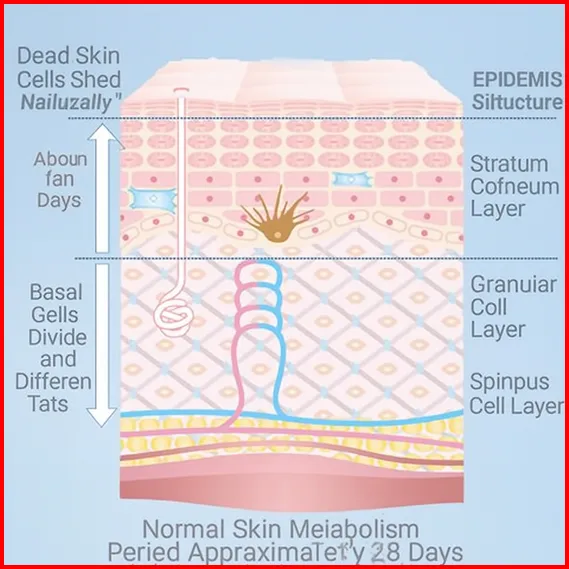
Everyone has heard of skin metabolism. After our epidermal cells are generated in the basal layer, they pass through the stratum spinosum stratum granulosum. And stratum lucidum before finally reaching the stratum corneum. This process of cell exfoliation is part of skin metabolism. How can we improve it? The skin is constantly metabolizing, and a healthy cycle keeps it healthy. Today, let’s take a look at skin metabolism.
What is skin metabolism?
In simple terms, metabolism is the process of constant renewal and replacement of old cells with new ones. New cells are constantly produced in the body, while old cells are eliminated, thus achieving a metabolic balance. A slowdown in this metabolism is a sign of gradual aging, and the same is true for the skin. It is a normal cycle, but our living environment, diet, and habits can affect it. If we’re not careful, certain influences can accelerate skin aging.
What skin problems can a slow metabolism cause?
Accumulation of old dead skin cells: The old dead skin cells of the skin cannot be shed normally, and new cells are generated slowly, resulting in a large amount of lipid and protein accumulation, causing rough skin, enlarged pores and the formation of blackheads and acne.
Dull skin tone: When the oxygen content in the blood is high and the blood circulation is smooth. The skin will appear rosy and shiny; when the metabolism is slow, there is a lack of nourishment from qi and blood, blood stasis and toxin accumulation, and the skin will appear to become dark yellow-brown and uneven in color.
Abnormal pigment metabolism : Melanin itself is good and is used to protect the skin from damage. However, when the skin is damaged by ultraviolet rays, melanin is synthesized too much and cannot be metabolized and precipitated in time, resulting in problems such as spots and dullness.
Skin water-oil imbalance: The process of basal cell formation produces a natural moisturizing factor. Slow skin metabolism reduces the production of moisturizing factors. If the skin is dehydrated and dry, it secretes more oil to protect the skin, ultimately leading to an imbalance in skin moisture and oil levels.

How to improve skin problems caused by skin metabolism?
Age, stress, lifestyle habits, and irregular diet can all cause imbalances in skin metabolism. Even with high-end skincare products, your skin may continue to experience breakouts and acne, develop more spots, and turn yellow, never reaching its ideal state. This is all due to skin metabolism issues. Therefore, maintaining fair and smooth skin requires a healthy metabolism. To improve it, in addition to paying attention to factors like diet and lifestyle, purifying, removing impurities, and repairing the skin are key in skincare.
The Shemai Precision Skincare program incorporates a variety of star ingredients—fullerene, ceramides , niacinamide, papain, peptides, and other multifunctional ingredients—to effectively accelerate the body’s metabolism, improve skin dehydration, balance water and oil levels, and create a cutting-edge detoxification system for two-way management, awakening skin’s health and vitality.
As usual, follow us to avoid getting lost, like to increase your wealth, forward to add the source, and remember to leave a message if you have any questions about skin care!
Frequently Asked Questions About Skin Metabolism
What is skin metabolism and why does it matter?
Skin metabolism refers to the natural biochemical processes and cellular turnover rates that allow your skin cells to renew, repair damage, and shed dead layers. A healthy skin metabolism ensures a strong moisture barrier, balanced oil production, and a radiant complexion.
What causes a slowdown in skin metabolism?
As we age, cellular turnover naturally slows down. Additionally, poor lifestyle habits—such as chronic sleep deprivation, dehydration, smoking, high stress, poor nutrition, and excessive UV exposure—can impair cellular energy and sluggishly affect how efficiently your skin repairs itself.
How can I naturally boost or improve my skin’s metabolism?
You can support your skin’s natural metabolic processes by incorporating targeted active ingredients like gentle chemical exfoliants (AHAs/BHAs) and retinoids to encourage cell turnover, maintaining proper hydration, eating an antioxidant-rich diet, getting adequate sleep, and protecting your skin daily with broad-spectrum sunscreen.
When should I see a dermatologist about dull or sluggish skin?
If you notice persistent dullness, rough texture, or a lack of response to a consistent skincare routine—or if your skin concerns are accompanied by sudden inflammation or fatigue—it is best to consult a qualified dermatologist for a professional evaluation and tailored treatment plan.

3 Comments
Pingback: Honey Water: 5 Amazing Reasons Why This Recipe Boosts Your Health
Pingback: Can I Use Mupirocin Ointment on an Open Wound? 7 Facts You Must Know
Pingback: Are Skin Tag Removal Kits Safe? Dermatologist Guidance, Risks vs. Benefits