

This medical disclaimer applies to the article “Lip Filler Aftercare: 8 Essential Tips for Safe Healing”, written by Dr. Priyanka Agarwal, Dermatologist at Dakai Skin Clinic.
The content provided in this article is for informational and educational purposes only and does not constitute professional medical advice, diagnosis, or treatment. Always seek the advice of your physician or qualified healthcare provider with any questions you may have regarding a medical condition or post-procedure care.

Dr. Priyanka Agarwal
Dermatologist | Dakai Skin Clinic
Dr. Priyanka Agarwal is an experienced Dermatologist dedicated to providing advanced medical and aesthetic skin care solutions. Practicing at Dakai Skin Clinic, Dr. Agarwal combines evidence-based dermatological care with a patient-centered approach, ensuring optimal skin health, advanced clinical treatments, and the highest standards of safety and diagnostic precision.
Your lips feel tight, a little tender and noticeably bigger than you expected. That is a normal first look after treatment, and what you do over the next few days matters. Good lip filler aftercare won’t guarantee a particular cosmetic result, but it helps you manage swelling and bruising, lowers the chance of irritation or infection, and makes it easier to spot the rare symptoms that need urgent attention.
Most lip fillers are made from hyaluronic acid (HA), a gel-like substance the body naturally produces. Swelling, redness, tenderness and bruising are common afterwards, and they usually settle within days to a couple of weeks. The tips below cover what to do, what to skip, and which symptoms mean you should call your injector or seek emergency care.
Lip Filler Aftercare: 8 Essential Tips
Your injector’s written instructions come first. Products, techniques and individual health histories differ, so treat the advice here as general guidance that fits around their plan, not a replacement for it.
1. Use a cold compress, gently and briefly
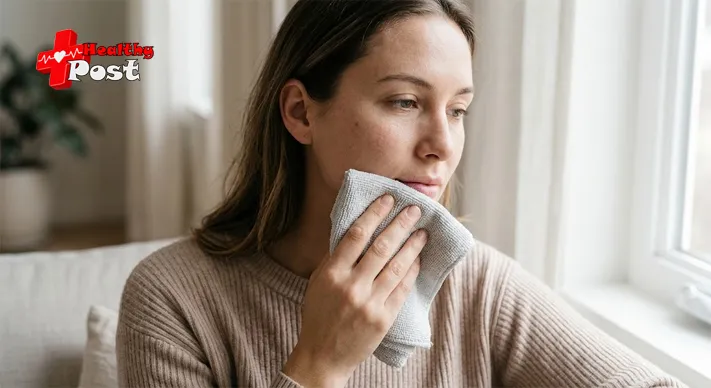
A cold pack held against the lips for a few minutes at a time can ease tenderness and take the edge off swelling. Dermatologist Taryn Murray, MD, speaking to Cleveland Clinic, advises wrapping the pack in a washcloth rather than placing it directly on the skin.
Use a clean cloth each time, keep the pressure light, and stop if the skin becomes uncomfortably cold or numb. Pressing hard can work against you, because the filler stays soft and mouldable for several days.
2. Keep your hands off, including massage
It is tempting to poke, press or check for lumps. Resist that, because unnecessary touching can irritate fresh injection sites and introduce bacteria. Massage is a specific case: some injectors smooth the filler themselves just after treatment, and some give patients precise massage instructions. If yours hasn’t, don’t start self-massaging on your own.
3. Keep the area clean and be deliberate with lip products
Wash your hands before touching your face, and avoid anything that scrapes or irritates the treated area. The tiny puncture sites need time to close. Many injectors ask patients to hold off on lipstick or heavily pigmented products for a short period, while others are relaxed about plain lip balm. Cleveland Clinic’s dermatologist notes there are no restrictions on lip balm, so the right choice depends on your injector’s guidance and how the lips feel. If you do use a lip product, use a clean applicator.
4. Postpone vigorous exercise
The American Society of Plastic Surgeons (ASPS) generally recommends avoiding intense physical activity for the first 24 to 48 hours to limit swelling and bruising. Cleveland Clinic’s dermatologist suggests avoiding vigorous workouts for several days, since higher blood flow can worsen bruising. Gentle activity such as a walk or light yoga is usually fine. Your injector can tell you where on that 24-hour to several-day range you should sit.
5. Consider sleeping with your head slightly raised
Extra pillows may help keep swelling from pooling overnight. This is a common practitioner suggestion rather than an established rule, and the evidence behind it is thin. It costs nothing, though, so if sleeping propped up is comfortable, it is a reasonable precaution. Try to avoid sleeping face-down for the first night or two, mainly because pressing on tender lips is uncomfortable.
6. Stay hydrated and eat comfortably
Drinking enough water supports healing in general. There is no good evidence that extra water makes filler last longer, so don’t expect a guaranteed benefit. As for eating after lip fillers, you can eat and drink normally. If your lips are tender, soft foods and room-temperature drinks tend to be more comfortable than very hot or spicy ones.
7. Ask before using painkillers, supplements or alcohol
Cleveland Clinic’s dermatologist says a standard dose of acetaminophen (paracetamol) can help with discomfort and, unlike NSAIDs such as ibuprofen or aspirin, doesn’t thin the blood in a way that increases bruising. Never stop prescribed medication, including blood thinners, because of lip filler. Talk to the doctor who prescribed it.
Some practitioners also ask patients to avoid alcohol, saunas, hot baths and strong sun exposure for a day or two, since heat and alcohol widen blood vessels and may aggravate swelling. The exact time frame is practitioner-dependent, not a universal rule. Take supplements only on your injector’s advice.
8. Plan around dental work
This tip is easy to overlook. Cleveland Clinic’s dermatologist recommends no dental work for two weeks before or after filler injections to reduce the risk of infection. The FDA also lists inflammation near injection sites after dental procedures among less common risks. If you have a dental appointment coming up, check with both your dentist and your injector before booking filler.
What to avoid after lip fillers
The list of true prohibitions is shorter than many websites suggest. The main concern is irritating the area or increasing blood flow and swelling in the first day or two.
| Activity | General guidance | Notes |
|---|---|---|
| Intense exercise | Avoid for at least 24–48 hours; some injectors advise several days | Raises blood flow and may worsen swelling and bruising |
| Massaging or squeezing | Avoid unless your injector instructs it | Filler stays moldable for several days |
| Heat, saunas, alcohol | Often avoided for a short period | Time frame varies by practitioner |
| Dental work | Avoid for two weeks before and after | Lowers infection risk |
| Kissing, straws, eating | No restrictions per Cleveland Clinic | Adjust to comfort level |
| Self-treating lumps or redness | Don’t | Contact your injector instead |
Kissing and straws are worth a note. Many people assume these will distort the filler. According to Cleveland Clinic, they won’t affect the outcome, though you may want to wait until tenderness eases.
How to reduce swelling after lip fillers
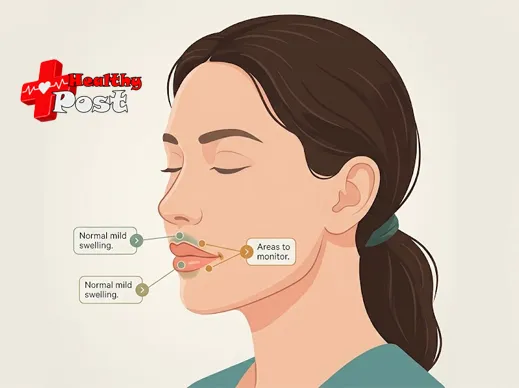
Swelling is the most visible side effect, and the lips can look uneven for a while. One side may swell more than the other, and the lips may look larger than the final result. That is not a sign the treatment went wrong.
A few measures help. Use short, gentle cold compresses in the first day or two, as described above. Keep your head slightly elevated at night if that is comfortable. Avoid strenuous exercise and extra heat early on. And be patient: a swollen lip is still healing, and most of the settling happens without any intervention.
If swelling is increasing after the first couple of days instead of easing, or if it is accompanied by warmth, pain or fever, don’t wait it out. Contact your injector. In some cases a provider can prescribe treatment, which is different from anything you’d try at home.
Lip filler aftercare day by day
Recovery varies with the person, the product, the amount injected and the technique. Treat the timeline below as a rough guide, not a deadline.
| Stage | What is typical | What to do |
|---|---|---|
| First 24 hours | Swelling, tenderness, redness, possible small bruises | Gentle cold compresses, no touching or massage, keep the area clean |
| Days 2–3 | Swelling and bruising may still be obvious and can look worst around now | Continue light care, avoid heat and intense exercise |
| Days 4–7 | Swelling and bruising generally start to improve | Monitor progress and contact your injector about worsening or persistent symptoms |
| Days 7–14 | Lips often look more settled; some mild swelling may remain | Consider a follow-up if you have concerns |
| Weeks 2–4 | Final integration of filler into tissue | Assess the result once swelling has fully resolved |
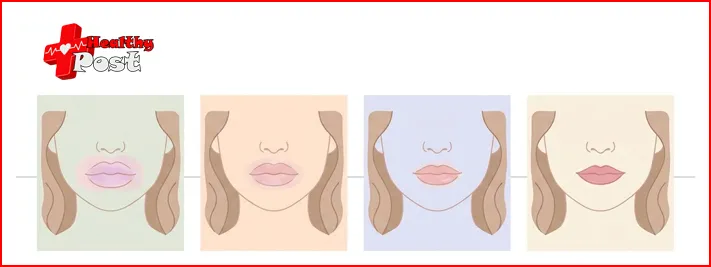
Cleveland Clinic’s dermatologist says it usually takes two to four weeks for swelling to fully resolve and for the filler to integrate into the lip tissue. The ASPS likewise notes that recovery differs from patient to patient and by filler type, and says most reactions improve over hours to a few days.
Lip filler healing stages: what you’re actually seeing
It helps to think of healing as three overlapping phases instead of fixed dates.
The immediate phase. In the first day or two, the lips often look “overfilled” because of swelling, not because of the amount of product alone. ASPS lists an overfilled appearance, swelling or bruising, temporary numbness or redness, and palpable lumps among normal early effects.
The settling phase. As swelling falls, you will see the shape change, often daily. Lips can feel firm, then soft, then slightly lumpy again. This stage is when people tend to worry most, and also when judging the final result is least reliable.
The integration phase. Over the following weeks, the filler works into the tissue and the lips take on their final look. If you’re getting filler before a wedding, photo shoot or similar event, allow enough time for this to happen.
Lumps and bumps
A bit of texture in the first days is common, and you may feel the filler when you press your lips together. Lumps that are large, hard, painful or visible, or that don’t improve after a couple of days, should be checked by your injector. Not every lump is a problem, and not every uneven look means the filler has “migrated.” But your injector is the right person to assess it, and you shouldn’t try to fix it yourself. If you aren’t happy with the look, HA filler can be dissolved with an enzyme called hyaluronidase, which a qualified provider administers.
Normal side effects versus warning signs
This is the most important section of the article. Most side effects of lip fillers are mild, but a small number of symptoms need prompt medical assessment.
| Symptom | What it usually means | Action |
|---|---|---|
| Mild swelling, redness, tenderness | Expected after injections | Routine aftercare |
| Light bruising | Common at needle entry points | Routine aftercare; bruises fade |
| Mild lumpiness in the first days | Often part of settling | Mention at follow-up |
| Increasing redness, warmth, pus, worsening swelling | Possible infection | Contact injector or doctor promptly |
| Hard, large or painful lump that persists | May need assessment | Contact injector |
| Severe or unusual pain; pale, white or gray skin; blue or mottled discoloration | Possible vascular occlusion (blocked blood flow) | Seek immediate medical care |
| Vision changes, facial weakness, difficulty speaking | Possible serious complication | Emergency care now |
The FDA identifies unintended injection into a blood vessel as the most concerning risk of dermal fillers. It is uncommon, but the consequences can be serious. The agency advises seeking immediate medical attention for unusual pain, vision changes, or a white, gray or blue appearance of the skin near the injection site, and for any signs of stroke. If you are in the UK, that means urgent care or 999 for emergencies, and for anything unclear, call your injector’s out-of-hours number.
FAQs
When can I exercise after lip fillers?
ASPS suggests avoiding intense physical activity for roughly 24 to 48 hours, while Cleveland Clinic’s dermatologist advises avoiding vigorous exercise for several days. Light walking is generally fine. Ask your injector what suits your treatment.
Can I wear lipstick or lip gloss afterward?
It depends on your injector and your lips. Some ask patients to wait briefly for the injection sites to settle. If you do apply products, use clean ones and a clean applicator, and stop if anything stings or looks irritated.
Is it safe to kiss or use a straw?
According to Cleveland Clinic, kissing and straws won’t affect the outcome. Your lips may simply be too tender at first, so go by comfort.
How long does lip filler swelling last?
Often a few days, but it can take two to four weeks for swelling to resolve and the filler to fully settle. If swelling is getting worse instead of better, speak to your injector.
When should I seek urgent help?
Seek immediate care for severe pain, pale or blue-gray skin, or any vision or neurological changes. For spreading redness, warmth, pus or a painful lump, contact a qualified clinician promptly.
The takeaway
Solid lip filler aftercare comes down to a handful of habits: gentle cold compresses, hands off, a quiet few days, and patience while swelling settles. Whether it is the first day or the second week, you’re likely to see changes that look dramatic and turn out to be routine. What matters most is knowing the exception. If something feels very wrong, such as intense pain, discoloration or any vision change, don’t wait for the next appointment. Call your injector or seek emergency care at once, and keep the clinic’s out-of-hours number handy before you leave.
References
- Cleveland Clinic, “Lip Filler Aftercare: Dos and Don’ts To Help You Heal”
- American Society of Plastic Surgeons, “Dermal Fillers Recovery”
- U.S. Food and Drug Administration, “Dermal Fillers (Soft Tissue Fillers)”