

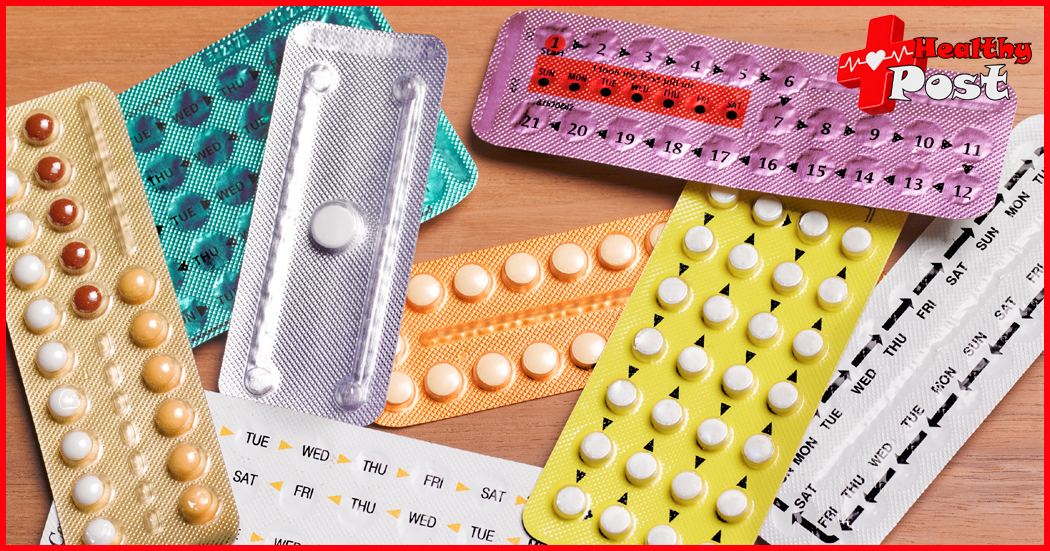
Expert Authorship
This article exploring “Every girl must know these truths about contraceptive pills” is written by Dr. Michelle Uzor (OB-GYN, Southern Crescent), providing expert clinical guidance on hormonal contraception, reproductive health, and medication safety.
Medical Disclaimer: The obstetrical, gynecological, and pharmacological insights regarding contraceptive pills detailed below are intended strictly for educational and informational purposes. This content does not replace professional medical consultations, gynecological examinations, or individualized prescriptions issued by a licensed healthcare provider. Always consult a qualified OB-GYN or physician before starting, stopping, or switching any form of hormonal birth control.

🏥 Medical Review Board Member
Dr. Michelle Uzor, MD
Board-Certified Obstetrician-Gynecologist | Southern Crescent Women’s HealthCare
Dr. Michelle Uzor, MD, is a board-certified Obstetrician-Gynecologist with extensive clinical experience dedicated to comprehensive women’s healthcare, obstetrics, and reproductive medicine. Practicing with Southern Crescent Women’s HealthCare, she is committed to providing evidence-based patient guidance and clinical oversight. Dr. Uzor ensures that every piece of women’s health content she reviews meets the highest standards of medical accuracy, safety, and clinical integrity.
This column is providing a space where readers who have encountered problems but cannot find answers and are deeply anxious and painful can feel free to talk about
Since the launch of the column, we have received many letters from readers every day. In these letters, some people are worried about their own or their family’s health problems, some are wandering on the foggy emotional road, and some are opening up their hearts and confiding their unspeakable thoughts.
The tree hole does not have the function of instant reply, it just listens quietly and keeps all the secrets of everyone. We will select some questions to respond to depending on the situation. We hope that when you shout into the bottomless “tree hole”, you can occasionally get a warm response.
Today’s question comes from a reader who has some doubts about “short-acting contraceptive pills”:
Everyone must know that Yasmin is a short-acting contraceptive pill. Scientists from different countries have been conducting clinical research on short-acting contraceptives for many years. They involve a variety of aspects.
To date, no research has shown that short-acting contraceptive pills have the side effect of increasing the prevalence of uterine fibroids. On the contrary, some studies have shown that the younger the age when you start taking short-acting contraceptive pills and the longer you continue to take them, the lower the incidence of uterine fibroids.
But don’t be too happy too early. This study also shows that after stopping the drug, the incidence of uterine fibroids will gradually converge to the average level. This is also the reason why short-acting contraceptive pills are not used for conservative treatment of uterine fibroids.
In addition, it is not difficult to see from what this friend said that there are still many girls who are worry about using short-acting contraceptive pills. Today we are going to use this tree hole question to help you dispel your worries.
Make people fat?
Many girls are reluctant to use short-acting contraceptive pills for one reason: they heard they will make you gain weight.
This is actually a big misunderstanding. It is true that some hormone drugs can make people gain weight, but this hormone refers to “glucocorticoids”. This hormone is not uncommon in clinical treatment. So it is easy for friends who don’t know much about it to misunderstand it.
The hormones of short-acting contraceptive pills are synthetic estrogen and progesterone, not glucocorticoids. Some friends may say: “I did gain weight after taking short-acting contraceptive pills before. How can I explain this?”
Indeed, the estrogen in the previous short-acting contraceptive pills can cause water and sodium retention in women’s bodies. The direct manifestation of water and sodium retention is that the person looks swollen and has gained weight. But this is actually just swelling. , instead of gaining weight, you can recover after stopping the medicine.
Moreover, the new generation of short-acting contraceptive pills contain drospirenone, which not only does not make people gain weight, but also reduces the retention of water and sodium in the body and reduces weight .
Instead of worrying that taking short-acting contraceptive pills will make you gain weight, it is better to put down the cup of milk tea in your hand.
Low contraceptive success rate?
Some girls are reluctant to use short-acting contraceptive pills because they are worry that their contraceptive success rate is not high.
The contraceptive principle of short-acting contraceptive pills is that they can change the cervical mucus and endometrium, inhibit ovulation, and thus achieve the contraceptive effect. Currently, among the widely used contraceptive methods in our daily life, short-acting contraceptive pills are one of the two most highly effective contraceptive methods. If used correctly, the success rate is as high as 99% .
Therefore, if you choose short-acting contraceptive pills for contraception, be sure to read the instructions for use and try to avoid missing doses.
Affect fertility?
In addition to the above two reasons, “Will taking short-acting contraceptive pills affect fertility?” is probably a big question mark in every girl’s mind.
The answer is of course no . Although short-acting contraceptive pills inhibit ovulation, they do not affect ovarian function or women’s fertility. Ovulation and menstruation can often resume in the first menstrual cycle after stopping the pill. If you have specific plans to prepare for pregnancy, you can stop taking the medicine one month before you are ready.
Does the drug have many side effects?
I have to say that the worries about the side effects of drugs are really worrying. There is an old saying in our country – “A medicine is three parts poison.” Yaota understands that the so-called “poison” is actually a side effect.
Short-acting contraceptive pills are hormonal drugs and will inevitably produce certain side effects. Common side effects include: irregular vaginal bleeding, nausea, breast swelling and pain, weakened or even loss of sexual desire, and impact on mood ; rare adverse reactions include : The formation of thrombosis, damage to liver function, etc.
When we want to use short-acting contraceptive pills, we must carefully consider which of the above side effects are acceptable and which are unacceptable.
For example, short-acting contraceptives may cause irregular vaginal bleeding. Originally, your menstruation was very regular and you never had abnormal bleeding. However, many female friends may experience spotting bleeding in the first 3 months of taking short-acting contraceptives. If this is something you absolutely cannot accept, then simply don’t choose this method of contraception.
It is precisely because of these side effects of short-acting contraceptives that before we use short-acting contraceptives. We must consult a professional doctor to see if you are suitable for using this drug.
Inducing disease?
Now that we know that the main component of short-acting contraceptive pills is synthetic estrogen and progesterone. If long-term use of synthetic hormones cause women to suffer from uterine fibroids, ovarian cysts or breast diseases?
Short-acting contraceptive pills will not increase the incidence of uterine fibroids, and similarly, they will not increase the incidence of ovarian tumors . On the contrary, short-acting contraceptives can even prevent ovarian cancer and endometrial cancer, and the earlier they are taken and the longer they are taken, the lower the risk of cancer.
As for breast diseases, although the instructions mention that “studies have found that the relative risk of breast cancer diagnosis is slightly increased after taking short-acting contraceptives,”. It also mentions that “these studies do not provide conclusive evidence.” Therefore, , if you have no family history of breast cancer, short-acting contraceptive pills can be used.
over
At this stage, short-acting contraceptive pills are widely used in our country. In addition to contraception, doctors also use them to treat diseases.
Yes, you heard it right, short-acting contraceptive pills are often use to treat abnormal uterine bleeding. Also endometriosis, relieve dysmenorrhea, premenstrual syndrome, chronic pelvic pain and polycystic ovary syndrome, and prevent endometrium. It can be used to prevent polyp recurrence and promote endometrial repair after artificial abortion.
I hope that through today’s explanation, everyone can have a deeper understanding of short-acting contraceptive pills. Also understand that they have other uses besides contraception; they can know its side effects. Most importantly, they can dispel your concerns about using short-acting contraceptive pills. concern.
Frequently Asked Questions
How do combined hormonal contraceptive pills work?
Combined oral contraceptive pills typically contain synthetic versions of estrogen and progestin. They primarily prevent pregnancy by stopping ovulation (the release of an egg), thickening cervical mucus to block sperm from reaching the egg, and thinning the uterine lining to prevent implantation.
What are common side effects when first starting birth control pills?
During the first few months of use, some individuals may experience mild side effects as the body adjusts to shifting hormone levels. These can include irregular spotting or breakthrough bleeding, mild breast tenderness, slight nausea, or temporary mood fluctuations, which usually subside after two to three cycles.
Do contraceptive pills protect against sexually transmitted infections (STIs)?
No, hormonal birth control pills do not provide any protection against sexually transmitted infections (STIs), including HIV, chlamydia, or gonorrhea. Barrier methods, such as external or internal condoms, must be used consistently alongside oral contraceptives to reduce the risk of STI transmission.
What should I do if I miss a dose of my pill?
The appropriate steps depend on the specific type of pill you take (combination vs. progestin-only) and how many pills were missed. Generally, you should take the missed pill as soon as you remember and continue taking the remaining pack at your regular time, though backup contraception or consulting your healthcare provider may be necessary depending on the timing.

2 Comments
Pingback: How to choose a condom? 99% of people get it wrong
Pingback: Amanda Bynes' Abortion Story: Headlines to Heartfelt Narratives