
Medical Disclaimer: This content regarding VSD: a disease that does not exist is for informational and educational purposes only and does not constitute professional medical advice, cardiovascular diagnosis, or treatment. Always seek the advice of your cardiologist or other qualified healthcare provider with any questions regarding a medical condition or cardiovascular health.
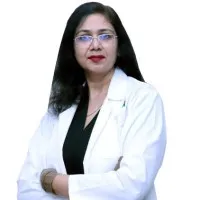
Written by Dr. Sarita Rao (Interventional Cardiology, Apollo Hospitals).
🏥 Medical Review Board Member
Dr. Sarita Rao, FACC, FESC
Senior Interventional Cardiologist | Apollo Hospitals (Indore, India)
Dr. Sarita Rao, FACC, FESC, is a renowned Senior Interventional Cardiologist with over 25 years of distinguished clinical experience in advanced cardiac sciences. Widely recognized as the first female Interventional Cardiologist in Central India, her commitment to evidence-based medicine ensures the highest standards of heart health tracking, diagnostic accuracy, and patient safety.
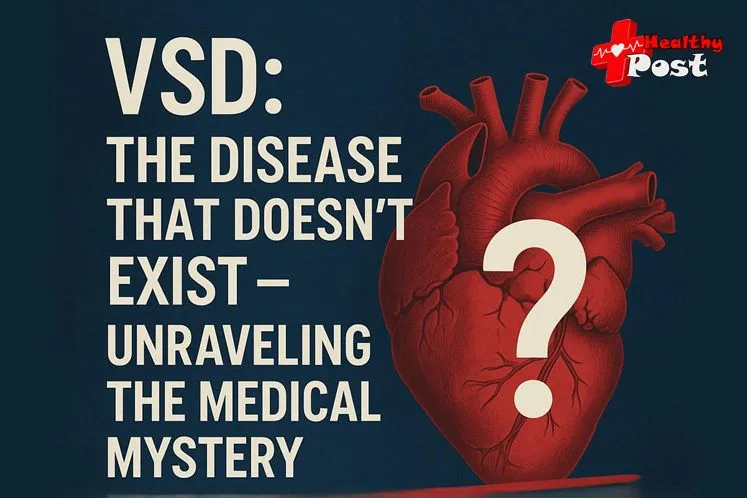
Just as you cannot begin to treat the eye without thinking about the head, or treat the head without thinking about the whole body, so you cannot treat the body without treating the soul,” said Socrates. This catchphrase is very appropriate when you start talking about methods of treating vegetative-vascular dystonia. It is also VSD, neurocirculatory dystonia, vegetoneurosis, “Da Costa syndrome”. And even – “invisible disease”. Many names for a disease that does not exist…
What is VSD?
First of all, it is one of the strangest diseases. Have you ever experienced an unexpected panic attack? This is it – VSD! At the same time, there are no pathologies in the organs. And a lot of painful sensations.
It is generally accepted that vegetative-vascular dystonia is a condition that develops against the background of a malfunction of the autonomic nervous system.
VSD is an outdated diagnosis that is not included in ICD-10 (the international classification of diseases required for diagnosis), but it is still used in the CIS.
Symptoms
VSD is not an independent diagnosis, but a complex of unpleasant symptoms that prevent a considerable number of people from living. VSD diagnostics is aimed primarily not at detecting any changes characteristic of this disease, but at excluding other pathologies.
Symptoms of VSD are combined into groups – syndromes:
- Cardialgic syndrome – pain in the heart area.
- Tachycardia syndrome is an increase in heart rate.
- Hyperkinetic syndrome is an inadequate increase and activation of the heart.
- Asthenic syndrome – chronic fatigue, rapid fatigability, frequent mood swings.
- Vegetative dystonia syndrome is a disorder of autonomic functions (disruption of the cardiovascular system, internal organs, glands).
- Respiratory distress syndrome is a disorder of the respiratory system.
At the very beginning, such symptoms are incredibly frightening for a person. Many people go to a cardiologist, endocrinologist, gastroenterologist, therapist, pulmonologist and other doctors to rule out more serious diseases.
Women suffer from vegetative neurosis more often than men.
How to treat VSD?
Once you have made sure that there are no life-threatening diseases, the main method of treatment is the desire to normalize your lifestyle and eliminate the influence of pathogenic factors.
What should be done?
- Eliminate alcohol, nicotine and coffee
- Normalize sleep
- Do therapeutic exercise
- Eat well
- Spend more time outdoors
- To exaggerate all symptoms to the point of absurdity (if you feel that, for example, shortness of breath is starting, hold your breath or try to breathe more often)
- Buy rubber shock absorbers (sold in almost all sports stores) and secure them in your apartment. Do the exercise 30-50 times a day. After doing the exercise, drink a glass of water. Over time, your muscles will strengthen, your consciousness will clear, and your cerebral circulation will improve.
In mild forms of VSD, these tips will be quite sufficient, then treatment may not be necessary. If the condition does not improve, contact a psychotherapist. He will conduct several sessions, which are beneficial for many patients.
Causes of VSD
- The type of response to stress is inherited
- Stress factors (unfavorable social and/or economic conditions)
- Suppressed emotional sphere
- Features of the structure and functioning of the body
- Personality traits, human psychology
- Hormonal changes (puberty in adolescents, menopause in women)
- Physical impacts and occupational hazards
- Passion for alcohol
Myths about the “invisible disease”:
- “VSD is age-related!” – No, signs of VSD can appear at any age.
- “VSD is normal” – VSD is not normal! All symptoms that bother you need to be studied and treated.
- “There is no point in treating dystonia” – Treatment of problems with the autonomic nervous system is quite possible, and drugs that affect the psyche are not always needed. Do not hope that after a month of taking drugs everything will go away! The myth about the “incurability” of vegetoneurosis, I believe, appeared after improper treatment. Today’s conditions (including modern medicine) can help everyone cope with the unpleasant symptoms of VSD, by the way, here a great responsibility lies with the patients themselves.
Frequently Asked Questions
1. What does “VSD: a disease that does not exist” mean?
This phrasing typically highlights a medical nuance—such as ventricular septal defect (VSD) being a congenital heart defect (a structural anomaly or variation in how the heart formed) rather than a progressive disease, illness, or infection that someone “catches” or develops later in life.
2. What is a Ventricular Septal Defect (VSD)?
A VSD is a hole in the wall (septum) that separates the heart’s two lower chambers (ventricles). This opening allows oxygen-rich blood from the left side of the heart to mix with oxygen-poor blood on the right side.
3. Is VSD always considered a serious condition?
Not necessarily. The severity depends entirely on the size of the hole and its location:
- Small VSDs: Often cause no symptoms, close on their own over time, and may not require treatment.
- Large VSDs: Can allow too much blood to flow into the lungs, leading to complications that typically require medical monitoring or surgical correction.
4. What are the common symptoms of a VSD?
While small VSDs usually have no symptoms, medium to large VSDs in infants can present as:
- Rapid breathing or shortness of breath
- Fatigue during feeding or poor weight gain
- Frequent respiratory infections
- A distinct heart murmur heard during a routine physical examination
5. Can a VSD close on its own without surgery?
Yes. Many small muscular and even some membranous VSDs close spontaneously during infancy or childhood as the heart grows and develops. Regular check-ups with a pediatric cardiologist are essential to monitor natural closure.
6. How is a VSD diagnosed?
Doctors usually detect a VSD by hearing a heart murmur through a stethoscope. To confirm the diagnosis, they use imaging tests such as:
- Echocardiogram (Echo): The primary and most effective test, using sound waves to visualize the heart structure and blood flow.
- Electrocardiogram (ECG): To check the heart’s electrical activity.
- Chest X-ray: To check the size of the heart and the condition of the lungs.
7. What treatments are available if a VSD does not close on its own?
Treatment depends on the patient’s age, symptoms, and the size of the defect:
- Medications: To help manage symptoms of heart failure (e.g., diuretics).
- Catheter Procedure: A minimally invasive procedure where a device is guided through blood vessels to plug the hole.
- Open-Heart Surgery: The traditional surgical approach to patch or sew the hole closed, performed under general anesthesia.
8. Can adults have an undiagnosed VSD?
Yes. Individuals with small VSDs may live into adulthood completely unaware of the condition until a doctor hears a murmur during a routine exam or until minor symptoms develop later in life.