
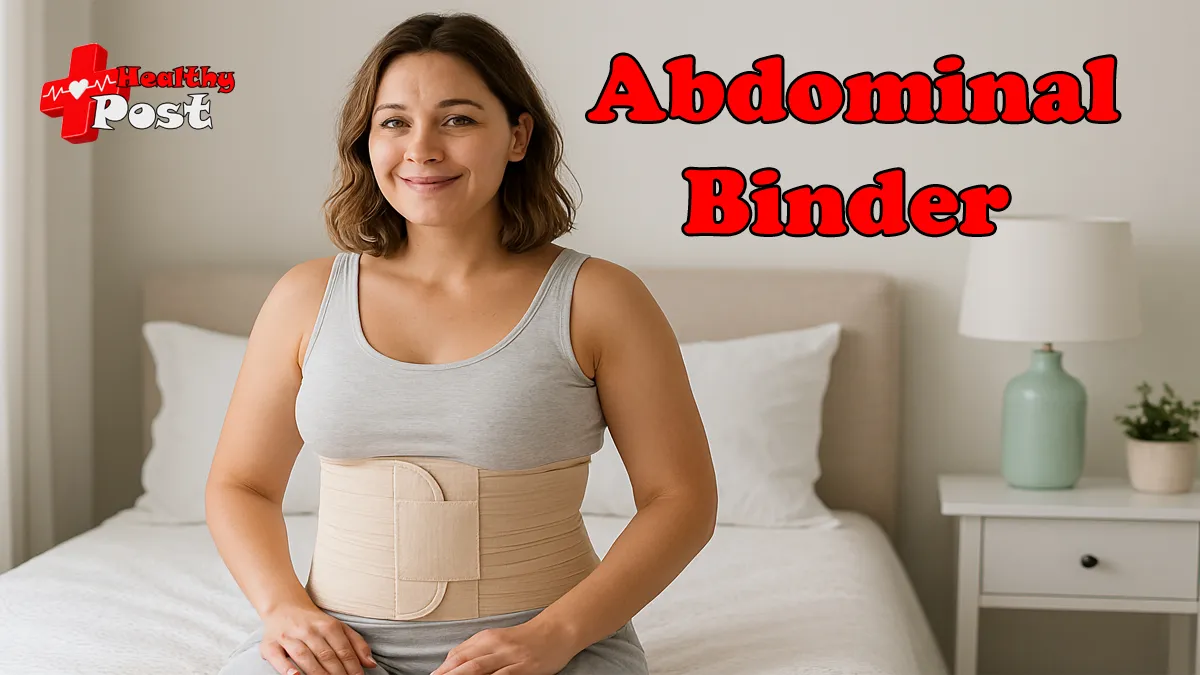
Abdominal Binder: 7 Powerful Benefits After Surgery & C‑Section Recovery
If you are recovering from a major operation, an abdominal binder can feel life changing. This simple, adjustable wrap supports your core, protects your incision, and helps you move with more confidence. For many people, it becomes a quiet companion during some of the toughest weeks of healing. 💛
Here we will walk through how an abdominal binder works, who it helps, and seven evidence informed benefits after abdominal surgery and C section.
What Is An Abdominal Binder?
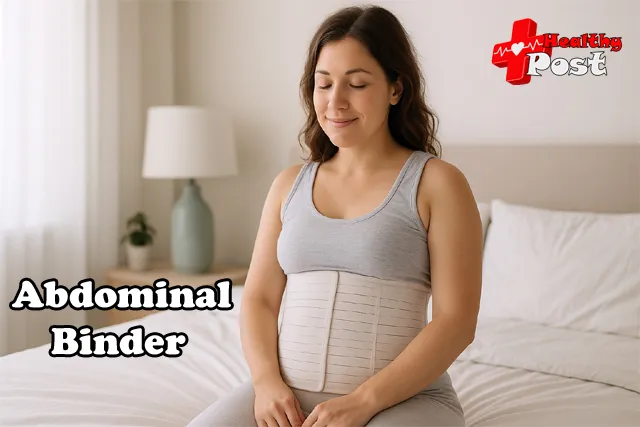
An abdominal binder is a wide, stretchy but firm band. It wraps around your torso, usually from below the ribs to the hips. Most versions close with Velcro, so you can adjust the tightness through the day.
You may hear other names, such as:
- Belly band
- Abdominal support wrap
- Compression binder
- Postpartum abdominal binder
Doctors often recommend an abdominal binder after surgery on the belly. That can include C section, hernia repair, hysterectomy, or other abdominal procedures. Some people also use an abdominal binder for hernia support during recovery or under medical guidance.
The goal is not to “squeeze you smaller.” The goal is comfort, protection, and gentle support while your body heals.
7 Powerful Benefits Of An Abdominal Binder After Surgery & C Section
Below are seven key ways this simple device can support your recovery. Not everyone will need every benefit, but many people notice at least several of them.
1. Less Pain And A “Protected” Feeling Around Your Incision
Right after surgery, even small movements can feel intense. Coughing, laughing, or standing up may pull on your incision. That sensation can be frightening and painful.
An abdominal binder after surgery gives your belly a firm, even hug. This gentle compression can:
- Reduce strain on the incision area
- Limit sudden “tugging” feelings when you move
- Lower tension on stitches or staples
- Help you feel less exposed or vulnerable
Many patients describe the binder as a “shield” over their incision. They feel less worried about bumping the area or tearing something. That emotional relief often reduces muscle guarding, which can also ease pain.
For C section recovery, the uterus and abdominal wall are both healing. A snug but comfortable abdominal binder after C section can reduce the sharp pulling sensation many people feel when standing or walking.
Short example:
Imagine needing to sneeze three days after your C section. Without support, that sudden pressure can feel scary. With a binder holding your belly, many people say the sneeze is manageable, not overwhelming.
2. Better Support For Weak Abdominal Muscles
After surgery, your core muscles are not at full strength. They may be sore, stretched, or partially cut during the procedure. This weakness can make even simple tasks harder.
An abdominal binder acts like temporary, external muscle support. It does not replace your muscles. It simply shares some of their workload while they recover.
This can help you:
- Sit up from bed with less effort
- Stand straighter, without hunching over
- Hold your baby after a C section with more control
- Transition safely from sitting to standing
For new mothers using a postpartum abdominal binder, support can be especially helpful. Pregnancy stretches your abdominal wall and pelvic floor. After delivery, your body needs time to “reorganize.” Gentle compression can offer stability while your muscles start working together again.
It is important to remember one key point. The binder is a short term helper, not a long term brace. Once your doctor clears you, you will gradually shift focus toward core and pelvic floor strengthening exercises. Those restore your own natural support system.
3. Easier Walking And Earlier Mobility 🚶♀️
Early movement after surgery matters. It can lower the risk of blood clots, pneumonia, and constipation. Many hospital teams encourage patients to get out of bed the same day or the next day, when safe.
For many people, this first walk is intimidating. The abdominal area can feel loose, painful, and unsteady.
With an abdominal binder after surgery, you may find walking:
- Feels more secure and less “jiggly”
- Produces less pain with each step
- Causes less fear about harming your incision
- Requires less hand support on the wound area
This sense of stability encourages you to move more often. That can speed functional recovery. A study referenced by institutions like Cleveland Clinic hernia repair surgery resources notes that early mobilization is linked with better outcomes after abdominal operations.
After a C section, walking also supports bowel function and circulation. Many postpartum people notice they can move around the ward more comfortably once a nurse helps them apply a binder.
Short example:
One patient recovering from hernia repair reported that, before the binder, each step felt like her belly would “fall forward.” With a well fitted abdominal binder for hernia, she could walk the hallway and even climb a few stairs, with less fear and pain.
4. May Help With Swelling And Fluid Build Up
Surgery is a controlled trauma to the body. Inflammation and swelling are part of normal healing. After abdominal operations, fluid can collect around the incision and within soft tissues.
Gentle, even compression from a binder can help:
- Limit excessive swelling
- Support lymphatic and venous return
- Reduce the sense of heaviness in the belly
This is similar to the way compression stockings help with leg swelling after certain procedures. The binder does not “squeeze out” all swelling, and it should never be painfully tight. Instead, it offers mild, continuous pressure that works together with your circulation.
Some surgeons also use binders after plastic procedures, such as abdominoplasty. In those cases, compression helps maintain contour while limiting fluid pockets. Your instructions may be more detailed in these situations.
Always follow your surgeon’s specific directions about how long to wear the binder. Over use or incorrect use can cause discomfort or skin irritation.
5. Targeted Support After Hernia Repair, C Section, And Other Procedures
Different operations stress different parts of the abdomen. The way you use an abdominal binder can adapt to those needs.
For example:
- An abdominal binder for hernia repair may focus more on the area of the hernia site.
- An abdominal binder after C section usually sits lower, crossing the pelvis.
- After upper abdominal procedures, like some stomach or liver surgeries, the binder might ride higher.
Your surgical team can help position it correctly. Many will even mark where the top edge should sit on your torso.
Here is a simple comparison of common uses.
| Situation | How The Binder Helps | Typical Wearing Time (Doctor May Adjust) |
|---|---|---|
| C section recovery | Supports incision, reduces pulling pain, aids walking and caring for baby. | Several hours daily for 2–6 weeks. |
| Postpartum vaginal birth | Offers core support, can ease back strain and pelvic heaviness. | As needed for comfort in first 2–4 weeks. |
| Hernia repair surgery | Stabilizes repair area, supports coughing and movement. | Often 1–6 weeks, depending on hernia size and type. |
| Major abdominal surgery | Reduces pain with movement, supports early mobility. | Usually during hospital stay and early home recovery. |
Always ask your surgeon how your specific operation affects binder use. Some minimally invasive procedures may not need one. Others, especially large open surgeries, may benefit greatly.
For postpartum people, the American College of Obstetricians and Gynecologists offers wide guidance on recovery. While not every person needs a postpartum abdominal binder, many find it comforting when used alongside medical advice.
6. Better Posture And Less Back Strain
After surgery or childbirth, many people lean forward. This is a normal response to pain and incision fear. However, prolonged slouching can strain the back, neck, and shoulders.
A well fitting abdominal binder gently encourages a more upright posture. It does this by:
- Supporting the front of the torso
- Reminding you to align ribs, pelvis, and head
- Reducing the feeling that “everything will stretch” if you stand tall
Improved posture can lower back pain, especially in new parents spending hours feeding and holding a baby. A postpartum abdominal binder can help support the lower spine while you learn new baby care positions.
It is important to keep expectations realistic. The binder is not a posture trainer or long term back brace. It is simply one piece of a comfort toolkit that may include:
- Supportive chair or nursing pillow
- Gentle stretching once cleared by your provider
- Gradual return to strengthening exercises
If you have existing spine problems, discuss binder use with your surgeon or physical therapist. They can guide safe positioning.
7. Emotional Comfort, Confidence, And Body Image Support 💗
Surgery and childbirth reshape not only your body, but also the way you feel in your body. Many people describe early recovery as a time of vulnerability. You may feel swollen, sore, and unsure how to move.
An abdominal binder can provide emotional reassurance in several ways:
- It creates a sense of containment, instead of feeling “loose” or unstable.
- It hides dressings and scars from casual view, which some people prefer.
- It becomes a daily ritual of self care and support.
For some new mothers, a postpartum abdominal binder also helps with body image during the intense early weeks. It can smooth clothing lines and help them feel more comfortable in everyday outfits.
However, it is important to avoid unrealistic expectations. A binder is not a weight loss device. It will not “melt fat” or permanently shrink your waist.
Your body has just done something major. It deserves gentle respect. The best use of a binder is as a comfort tool, not as pressure to “bounce back.”
If you struggle with mood or anxiety after surgery or birth, talk with your healthcare team. Resources like World Health Organization postpartum care guidelines emphasize emotional wellbeing as a key part of recovery.
How To Choose And Use An Abdominal Binder Safely
1. Getting The Right Size
Sizing matters. A binder that is too tight can harm circulation or breathing. One that is too loose gives little support.
Measure around the widest part of your abdomen. Use that number to choose a size from the product chart. In some cases, the hospital will provide a binder that staff adjust for you.
Signs your binder fits well:
- You can take deep, comfortable breaths.
- You can sit, stand, and walk without feeling squeezed.
- The binder stays in place without rolling or digging into skin.
2. Putting It On
Your nurse or physical therapist may teach you the easiest way to apply it. Common tips include:
- Start lying down, if possible, when your abdomen is flatter.
- Place the back panel centered on your spine.
- Wrap the ends forward and secure the Velcro at the front.
- Adjust so it is snug, but you can slide a flat hand under it.
After C section, take care not to drag the binder across fresh stitches. Lift and place it gently.
3. How Long To Wear It
Your surgeon should give specific guidance. General patterns often look like this:
- First few days: Worn most of the day, removed briefly for skin checks and hygiene.
- Later weeks: Worn during activity, removed for rest or sleep if comfortable.
Do not sleep in the binder unless your provider says it is safe. Some people find light nighttime support helpful, but others feel restricted.
4. Caring For Your Skin
Daily skin care prevents irritation. Try to:
- Remove the binder at least once a day to inspect skin.
- Keep the area clean and dry.
- Use a thin, cotton layer under the binder if your skin is sensitive.
Avoid creams or oils directly under the binder unless your doctor approves them. Moist skin under pressure can break down more easily.
5. When To Call Your Doctor
Stop using the binder and contact your healthcare provider if you notice:
- New or worsening shortness of breath
- Sharp, unusual pain under the binder
- Numbness, tingling, or color changes in legs or feet
- Skin blisters, open sores, or intense redness
- Increased drainage or bleeding from the incision
Also call if you feel dizzy or faint when the binder is on. You may need a different fit or device.
For more detailed post surgical advice, trusted sources such as Mayo Clinic abdominal surgery recovery offer comprehensive overviews you can review with your doctor.
Frequently Asked Questions About Abdominal Binders
1. Can I sleep in my abdominal binder?
Sometimes, but not always. Many surgeons prefer you remove it for sleep once you are home. This lets skin breathe and prevents unnecessary pressure. If nighttime pain is high, ask your doctor whether partial or full night use is safe for you.
2. How tight should an abdominal binder be?
It should feel snug and supportive, not painful. You must still breathe deeply and talk comfortably. If you cannot slide a flat hand under the binder, it is too tight. If it slides or rolls easily, it may be too loose.
3. How long should I wear an abdominal binder after C section?
There is no single rule. Many people use one for two to six weeks, especially during walking and baby care. Your obstetrician or midwife will adjust this based on your pain level, incision healing, and overall health.
4. Will a postpartum abdominal binder help me lose weight?
No. A binder does not burn fat or cause true weight loss. It can make your torso look smoother under clothes and may encourage gentle posture. Real body changes come from healing, nutrition, breastfeeding for some, and gradual return to activity.
5. Is an abdominal binder for hernia safe without surgery?
Using a binder alone does not fix a hernia. In some cases, doctors use a support garment to manage symptoms before or after repair. However, using strong compression without guidance can worsen certain hernias. Always see a medical professional for a hernia assessment.
6. Can men use abdominal binders too?
Yes. Abdominal binders are not gender specific. Men often use them after hernia repair, abdominal surgery, or trauma. The same principles of fit, comfort, and medical guidance apply.
Conclusion: Giving Your Body Gentle Support With An Abdominal Binder
Recovery after surgery or a C section is demanding, both physically and emotionally. You deserve every safe tool that can ease that journey. An abdominal binder can reduce pain, support weak muscles, encourage early movement, protect your incision, improve posture, manage swelling, and provide emotional reassurance.
Used wisely and under medical guidance, this simple wrap can help you feel more secure in a time of big change. As your strength returns, you will rely on it less and trust your own body more. 🌱
If you think an abdominal binder might help you, talk with your surgeon, obstetrician, or physical therapist. Ask about the best type, size, and wearing schedule for your situation. With the right information and support, you can move through recovery with more confidence, comfort, and hope.