

Clinical Authorship & Verification
This article has been written by Dr. Himanshu Gupta (Orthopedics & Robotics, Amicare Hospital ↗), specializing in bone preservation and joint reconstruction hardware.
Medical Disclaimer: The information on Healthy Post is for educational and informational purposes only and does not constitute medical advice. Avascular necrosis (bone tissue death due to a lack of blood supply) requires early diagnostic imaging and a tailored intervention plan. Always consult your orthopedic specialist or physician for personalized X-ray or MRI reviews, core decompression discussions, or joint-preservation therapeutic options.

🏥 Medical Review Board Member
Dr. Himanshu Gupta
Orthopedic Specialist | Amicare Hospital (Ghaziabad, India)
Dr. Himanshu Gupta is a distinguished medical professional with over 20 years of expertise in orthopedics and joint replacement surgery. As the Chief Orthopedic and Director at Amicare Hospital, he specializes in advanced robotic-assisted procedures and sports injury management, dedicated to enhancing mobility and quality of life for his patients. Dr. Gupta is committed to bridging the gap between complex surgical clinical practice and accessible, evidence-based patient education. His rigorous approach to medical oversight ensures that every piece of content he reviews meets the highest standards of clinical accuracy, safety, and reliability.
Living with unexplained joint pain can feel scary and confusing 😟. You may worry about arthritis, injury, or something more serious. One condition that often hides in the background is avascular necrosis, a problem that can quietly damage your bones long before you realize anything is wrong.
Many people first search for “what is avascular necrosis” only after months of discomfort. By then, the disease may already be advanced. Understanding how this condition works, who it affects, and which treatments can help is essential if you want to protect your joints.
Below are 7 shocking facts about this condition and its treatment options, explained in clear, supportive language so you can take informed action 💡.
1. It Can Destroy Bone Before You Feel Any Pain 😳
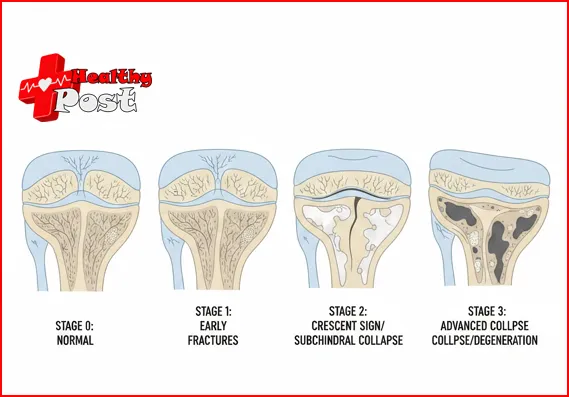
Avascular necrosis (also called osteonecrosis) happens when a bone loses its blood supply. Without enough blood, bone cells start to die. This damage does not happen overnight. It usually develops slowly over months or even years.
In the early stages, many people feel no symptoms at all. You can have ongoing bone damage while living your normal life. During this “silent” period:
- Tiny fractures can form inside the bone.
- The smooth, rounded shape of the bone starts to weaken.
- The joint surface remains mostly intact, so X‑rays may still look normal.
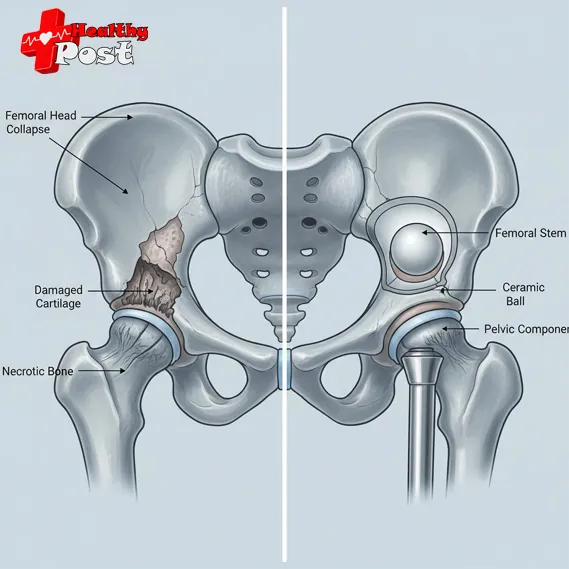
Over time, as more bone tissue dies, the structure becomes unstable. Eventually, the bone collapses. When this happens in a joint like the hip, the once-smooth ball shape flattens. That change leads to:
- Grinding in the joint
- Loss of movement
- Early, severe arthritis
Many trusted sources, such as the Mayo Clinic, describe avascular necrosis as a condition that often progresses silently. This is why waiting for “serious pain” before seeing a doctor can be risky.
Real-life example:
Someone in their 40s might have mild hip discomfort after long walks. They assume it is a muscle strain. Months later, they finally see a doctor, and imaging shows advanced bone collapse in the hip.
Early checking of persistent joint pain can make a major difference in treatment options.
2. Avascular Necrosis Often Targets Young, Active Adults 🏃
Many people imagine serious joint disease as something that only affects older adults. That is one reason this diagnosis can feel so shocking.
Most patients are between 30 and 50 years old. However, children, teens, and older adults can also be affected. It depends more on risk factors than on age alone.
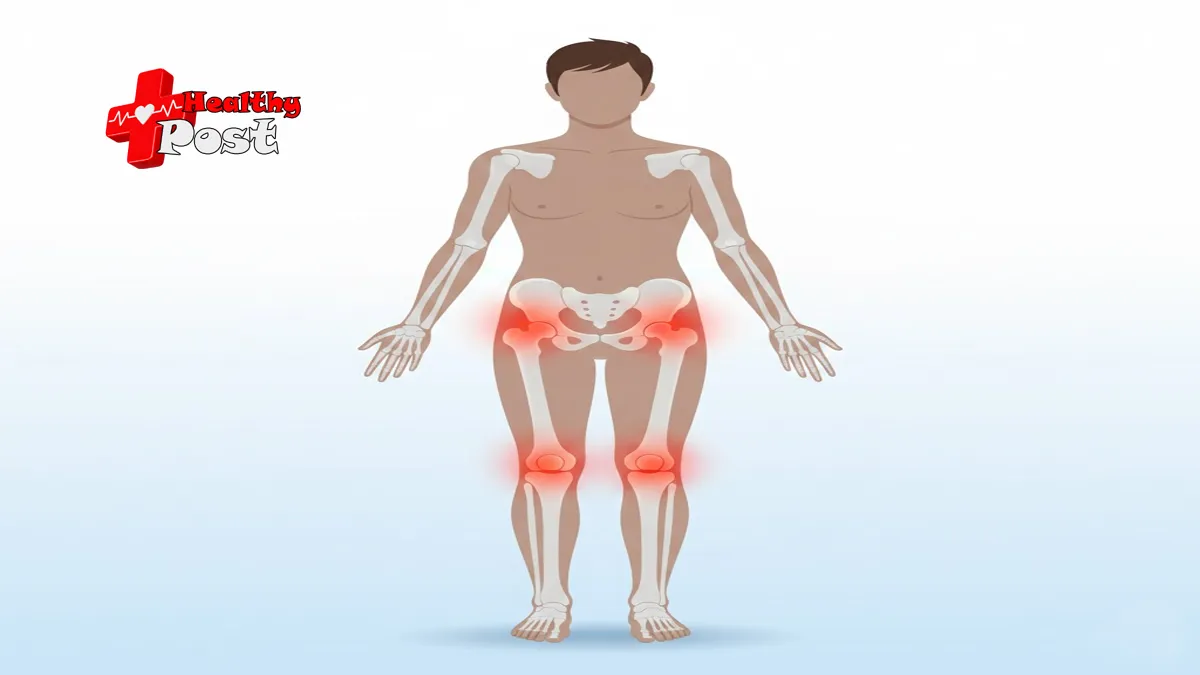
The hip is the most common joint involved. But other joints can suffer too:
- Shoulder
- Knee
- Hand and wrist
- Foot and ankle
Another surprising fact: the condition often affects both sides. For example:
- Both hips
- Both knees
So someone who starts with pain in one hip may later develop symptoms in the other hip as well.
Why the Hip Is So Vulnerable
The hip joint depends on a delicate network of blood vessels. A small injury or blockage can seriously disrupt that supply. When blood flow drops, the head of the thigh bone (femoral head) is at high risk.
Because the hip supports body weight with every step, even small structural changes can cause big problems over time.
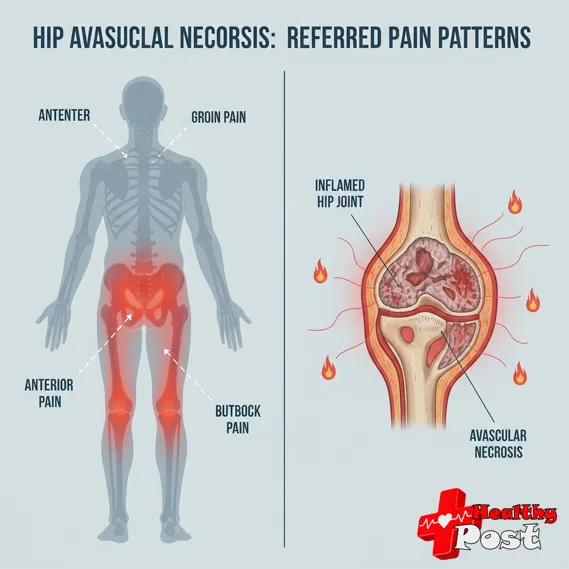
If you notice deep, aching pain:
- In your groin
- In your thigh
- Or in your buttock
especially when walking or standing, it is worth discussing this with a doctor. Early evaluation can help identify problems before the bone collapses.
3. Everyday Medications and Habits Can Raise Your Risk ⚠️
Another surprising reality is that avascular necrosis is not always caused by a dramatic accident. It can be linked to common treatments and lifestyle choices.
Major Risk Factors
Key factors that can interrupt or reduce blood supply to bone include:
- Trauma
- Hip dislocation
- Fractures around a joint
These injuries can directly damage nearby blood vessels.
- High-dose steroid use
- Medications like prednisone used for asthma, autoimmune disease, or after organ transplants
- Long-term or repeated high doses are especially risky
- Heavy alcohol use
- Prolonged, heavy drinking can increase fatty deposits in blood vessels
- These fat particles can block small vessels that feed the bone
- Radiation therapy
- Used in cancer treatment
- Can weaken bone and injure the blood vessels inside it
- Fatty deposits in blood vessels
- High cholesterol or high blood lipids can narrow or block tiny arteries
- Certain diseases
- Sickle cell anemia
- Systemic lupus erythematosus (lupus)
- Gaucher disease
- HIV / AIDS
- Antiphospholipid syndrome
- Certain cancers, such as leukemia
- Decompression sickness (“the bends”)
- Specific medications for bone
- Long-term bisphosphonates (often used in cancer patients)
- Linked particularly to osteonecrosis of the jaw
- Organ transplants
- Especially kidney transplants
- Often involve high-dose steroids and other drugs that change blood flow
In some people, the cause remains idiopathic, meaning unclear. Genetics, alcohol, medications, and other illnesses may combine in complex ways.
What This Means for You
You cannot change every risk factor. But you can:
- Inform each doctor about your past and present steroid use
- Discuss alcohol use honestly
- Ask how treatments might affect your bones
- Get regular monitoring if you have a high-risk condition
For more detailed background, the MedlinePlus page on osteonecrosis treatment provides a useful medical overview.
4. The Pain Often Hides in Surprising Places 🧭
The pain from this condition is not always where you expect it. That can delay diagnosis.
How Symptoms Typically Progress
In the early stage, many people have:
- No pain at all, or
- Very mild discomfort after heavy activity
As the disease progresses:
- Pain appears when you put weight on the joint
- Later, pain can occur even at rest or at night
The pain usually starts gradually and may increase over time. It can range from a dull ache to sharp, stabbing pain during movement.
Pain Patterns by Joint
- Hip:
- Pain often felt in the groin, thigh, or buttock
- May be mistaken for a pulled muscle or lower back problem
- Knee:
- Pain in the inside of the knee
- Worse with stairs or rising from a chair
- Shoulder:
- Pain with lifting the arm
- Discomfort at night when lying on that side
- Hand / Wrist / Foot:
- Localized pain with movement or pressure
- Swelling or reduced grip or push-off strength
Because the pain can be vague or “deep,” people often ignore it or self-treat with rest and over-the-counter pain medicine for many months.
When You Should See a Doctor 🩺
Seek medical evaluation if:
- Joint pain lasts more than a few weeks
- Pain worsens instead of improving
- You have pain plus a history of:
- Steroid use
- Heavy alcohol use
- Sickle cell disease or lupus
- Past hip or shoulder injury
Get immediate medical attention if:
- You suspect a fracture or dislocation
- You cannot put weight on a leg after a fall
- A joint looks visibly deformed
These situations can cut off blood supply quickly and trigger avascular necrosis.
5. Images Can Reveal Damage Long Before X‑Rays Do 🩻
Many people are surprised to learn that early avascular necrosis may not show on a standard X‑ray. The bone can be dying on the inside while the outer shape still looks normal.
That is why doctors often use several imaging tools:
Common Imaging Tests
| Test Type | What It Shows | When It Helps Most |
|---|---|---|
| X‑ray | Bone shape, joint space, late collapse | Later stages of disease |
| MRI | Early bone damage, blood supply changes | Best for early detection |
| CT scan | Detailed bone structure | Planning surgery or complex cases |
| Bone scan | Areas of high or low bone activity | When MRI is not available or possible |
MRI is usually the most sensitive test. It can detect early changes in the bone marrow and blood flow. That means you might get a clear diagnosis before collapse occurs.
Why Early Diagnosis Matters
The earlier the disease is found:
- The more likely joint-preserving treatments may help
- The better the chance of slowing or preventing collapse
- The more options you have before needing major surgery
If your pain is persistent and your X‑ray is normal, it is reasonable to ask your doctor whether an MRI could be helpful.
6. Treatment Ranges from Rest to Joint Replacement 🏥
Many people search for “avascular necrosis treatment” expecting one simple answer. In reality, treatment depends on:
- The stage of bone damage
- The joint involved
- Your age, health, and activity level
- The underlying cause, if known
Here is an overview of common approaches.
Non-surgical Treatments
These methods work best before the bone collapses:
- Activity changes and rest
- Reducing weight-bearing on the joint
- Using a cane or crutches for a period
- Pain relief medications
- Anti-inflammatory drugs like ibuprofen, if safe for you
- Short-term pain control while other treatments take effect
- Treating underlying causes
- Adjusting or reducing steroids when possible
- Managing cholesterol and triglycerides
- Treating conditions like lupus or clotting disorders
- Physical therapy
- Gentle exercises to maintain range of motion
- Strengthening surrounding muscles to protect the joint
- Other medical options
- In some cases, drugs that improve blood flow or bone density may be tried
- Evidence varies, so your specialist will guide these choices
Surgical Options: When Bone Is at Serious Risk
When bone damage is more advanced, or non-surgical care fails, avascular necrosis surgery may be recommended. Common procedures include:
- Core decompression
- A surgeon drills one or more small channels into the affected bone
- This can reduce pressure inside the bone and improve blood flow
- Often used in early stages, especially in the hip
- Bone grafting
- Healthy bone (with or without its own blood vessels) is transplanted
- Supports the weakened area and encourages new bone growth
- Osteotomy
- The bone is cut and repositioned
- Aims to shift weight away from the damaged section
- Joint replacement (arthroplasty)
- The damaged joint surfaces are replaced with artificial parts
- Common for advanced hip or knee destruction
Here is a simple comparison of treatment approaches by stage:
| Disease Stage | Typical Goal | Possible Treatment Options |
|---|---|---|
| Early, no collapse | Preserve bone | Rest, medications, treat causes, core decompression |
| Early collapse, limited damage | Delay arthritis, keep joint | Core decompression, bone grafting, sometimes osteotomy |
| Advanced collapse, arthritis | Relieve pain, restore function | Partial or total joint replacement |
Every case is unique. A young active person with early hip disease may benefit from joint-preserving surgery. An older adult with severe collapse may do best with a total hip replacement.
7. Lifestyle Choices Still Matter, Even After Diagnosis 🌱
One of the most encouraging facts is this: your daily choices can still influence your future, even if you already have this condition.
Key Prevention and Protection Steps
These habits can reduce your risk of developing new areas of bone damage and may support overall joint health:
- Limit alcohol use
- Heavy, prolonged drinking is a major risk factor
- Cutting back can protect blood vessels and bone
- Control cholesterol and blood fats
- High lipids are a common cause of vessel blockage in bone
- Work with your doctor on diet, exercise, and medication if needed
- Avoid smoking and vaping
- Nicotine narrows blood vessels and reduces blood flow
- Quitting can improve circulation throughout the body
- Monitor steroid use carefully
- Never stop steroids suddenly on your own
- But always inform your healthcare providers about past high-dose use
- Ask if lower doses or alternatives exist for long-term treatment
- Manage chronic conditions
- Keep up with treatment for lupus, HIV, sickle cell disease, and other related illnesses
- Regular follow-up can help spot complications early
- Maintain a healthy weight
- Less body weight means less stress on hips and knees
- Even modest weight loss can ease symptoms
Emotional and Practical Support 💬
Facing a diagnosis like this can feel overwhelming. You do not have to manage it alone. Helpful steps include:
- Discuss questions openly with your orthopedic specialist or rheumatologist
- Consider counseling if chronic pain affects your mood or sleep
- Join a support group for people with chronic joint or bone conditions
- Involve family or friends so they understand your limits and needs
Small, consistent changes in habits often matter more than dramatic short bursts of effort.
FAQs About Avascular Necrosis ❓
1. Is avascular necrosis reversible?
In very early stages, some bone healing may occur, especially if blood flow improves. However, once significant collapse happens, the damage usually cannot be fully reversed. Treatment then focuses on pain relief and joint function.
2. How long does it take for the bone to collapse?
The timeline varies widely. In some people, collapse can occur within several months. In others, it may take several years. Factors include the cause, your general health, the joint involved, and how early the disease is detected.
3. Does every case require surgery?
No. Some people manage well for years with non-surgical care. These include pain control, activity changes, and treatment of underlying conditions. Surgery is more likely when pain is severe or imaging shows clear collapse or risk of collapse.
4. What type of doctor should I see?
An orthopedic surgeon, especially one with experience in hip or joint preservation, often manages this condition. You may also see a rheumatologist or other specialist if you have related diseases like lupus or sickle cell anemia.
5. Is all hip or knee pain caused by this condition?
Definitely not. Many other conditions can cause joint pain, such as bursitis, tendonitis, arthritis, or muscle strain. However, persistent or worsening pain, especially with risk factors like steroid use or alcohol abuse, should be evaluated to rule out avascular necrosis.
6. Can exercise make it worse?
High-impact activities, like running and jumping, can stress a weakened joint and may speed damage. Low-impact exercise, such as swimming, cycling, or gentle walking, is usually safer. Your doctor or physical therapist can design a plan that protects the joint while maintaining fitness.
Conclusion: What You Do Next Really Matters ✅
Avascular necrosis is more than just a medical term. It is a condition that can quietly damage bone, trigger early arthritis, and dramatically change how you move through daily life. Yet knowledge and timely action can shift the story.
You now know:
- What is avascular necrosis and how it progresses
- How subtle pain and common risk factors play a role
- Why early imaging and evaluation are so important
- Which avascular necrosis treatment options exist, from lifestyle changes to advanced surgery
- How your habits, medical follow-up, and support system can protect your joints
If you recognize persistent joint pain, especially with known risk factors, do not wait for it to become unbearable. Reach out to a healthcare professional, ask specific questions, and request proper evaluation. Early steps today may help you avoid major joint collapse tomorrow 💙.
Your joints carry you through your life. With informed choices, careful monitoring, and the right treatment team, you can give them the best possible chance to keep doing that well.
Is avascular necrosis reversible?
In very early stages, some bone healing may occur, especially if blood flow improves. However, once significant collapse happens, the damage usually cannot be fully reversed. Treatment then focuses on pain relief and joint function.
How long does it take for the bone to collapse?
The timeline varies widely. In some people, collapse can occur within several months. In others, it may take several years. Factors include the cause, your general health, the joint involved, and how early the disease is detected.
1 Comment
Pingback: Orthopedic Bone Screws: 7 Facts About Titanium Bone Screws and Plates