


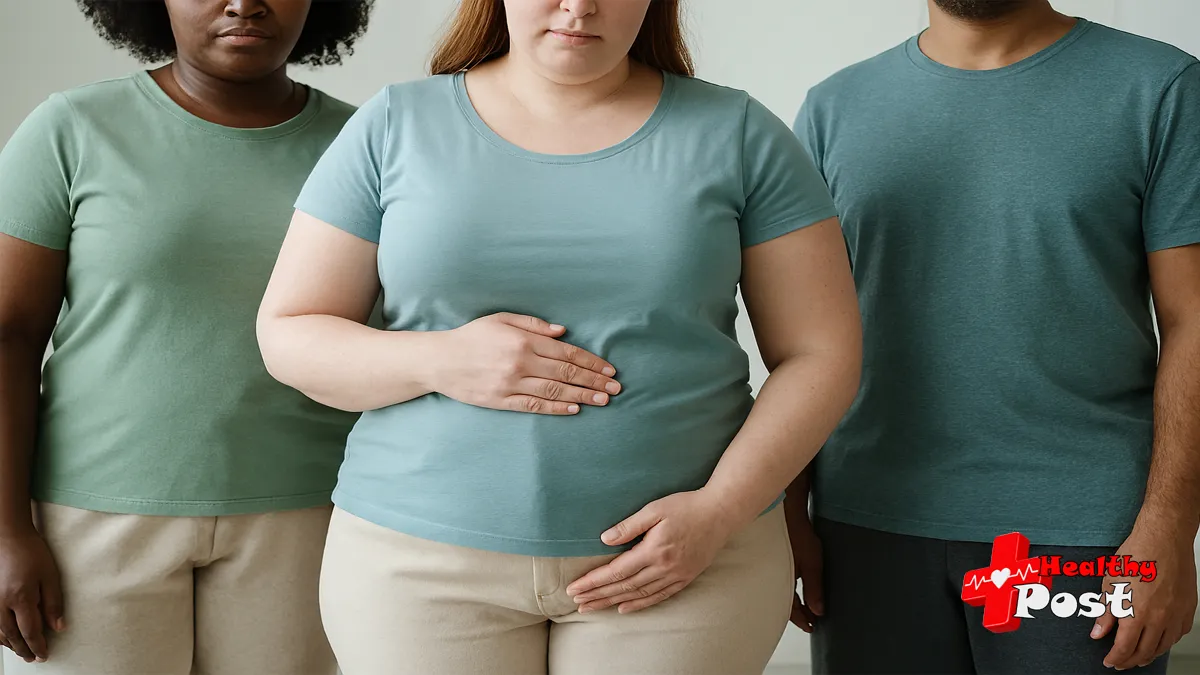
If you have a stubborn lower belly bulge and wonder if it is FUPA, you are not alone. Many people notice extra fullness between the lower abdomen and pubic area and feel confused or embarrassed.
This area can change after:
- Weight gain or loss
- Pregnancy or childbirth
- Aging and hormone shifts
- Abdominal surgery
You might ask yourself:
- “Is this normal?”
- “Did I do something wrong?”
- “Can I actually change this area?”
This article will walk you through seven eye‑opening facts about this lower belly fat pad. You will learn:
- What Are the Symptoms of FUPA
- What Causes FUPA
- What’s the Best FUPA Treatment
The goal is to help you feel informed, less ashamed, and more in control of your next steps. 🌱
Fact 1: FUPA Is More Common Than You Think
You are definitely not the only one
Fact: A lower belly “pouch” is extremely common in both women and men.
Doctors may use other terms, but FUPA remains a popular phrase online. This area often holds fat and loose skin because:
- Gravity pulls tissue downward
- The lower abdomen has less muscle support
- Skin can stretch during weight changes or pregnancy
Many people think they are the only ones struggling with this. In reality, many bodies look similar, even if you do not see it on social media.
It appears at every size
You can see a lower belly bulge in:
- People living in larger bodies
- People at “normal” BMI
- Very fit people with visible abs
Body shape, genetics, and skin elasticity all play a role. So this is not only a “weight issue.”
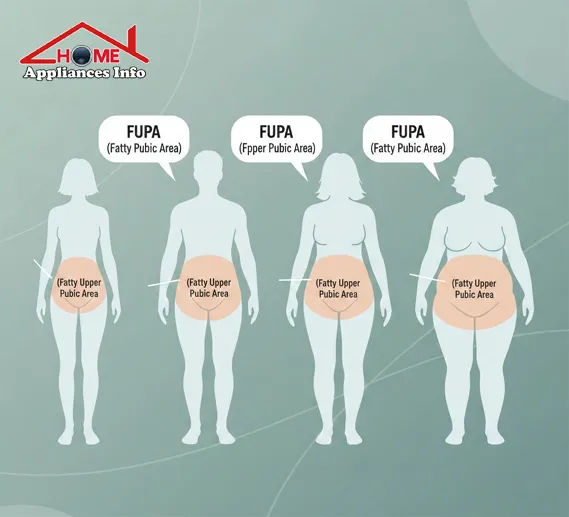
Fact 2: What Are the Symptoms of FUPA?
People often think only about appearance. Yet the question “What Are the Symptoms of FUPA” covers much more.
Physical signs you might notice
You may see or feel:
- A soft bulge between the lower stomach and pubic area
- Skin folding over underwear or waistbands
- Tightness or pressure when you sit or bend
- Difficulty finding comfortable, flattering clothing
Some people also notice skin changes:
- Redness or irritation from friction
- Sweating or chafing in skin folds
- Occasional rash or odor if skin stays moist
These symptoms vary. For some, it is mild. For others, it affects daily comfort.
Emotional and social “symptoms”
The emotional impact can be strong:
- Avoiding certain clothes, swimsuits, or intimacy
- Feeling self‑conscious in photos
- Comparing your body to edited online images
One person might say, “I feel fine; it is just how I am built.” Another might feel deep shame over the same shape. Both responses are valid and deserve compassion. 💛
Fact 3: What Causes FUPA?
You may wonder, “What Causes FUPA” if you already eat fairly well or exercise. The answer is usually a mix of factors, not one single cause.
1. Genetics and body shape
Genetics influence:
- Where your body prefers to store fat
- How your pelvis and hips are shaped
- How your skin and connective tissue stretch
If your relatives carry more weight in the lower belly, you may be more likely to see the same pattern.
2. Weight gain and abdominal obesity
Extra body fat can settle in the lower abdomen. This may be connected to broader abdominal obesity health risks, such as type 2 diabetes and heart disease.
Even small changes in weight can show up strongly in this region because of gravity and posture.
3. Pregnancy and childbirth
Pregnancy stretches:
- Skin
- Muscles
- Ligaments
After birth, the body often keeps:
- A small fat pad for protection
- Loose skin that hangs or folds
If you had a C‑section, scar tissue can also change how this area looks. The scar may “tether” skin, making the area above it bulge more.
4. Aging and hormones
As we age:
- Estrogen and testosterone levels shift
- Metabolism often slows
- Muscle mass can decrease
These changes can direct more fat to the lower abdomen. This happens even if your weight does not change much.
5. Surgery and significant weight loss
Abdominal surgery or major weight loss can leave extra skin. The skin may not “snap back,” especially after years of stretching.
This loose skin can sit like a small apron over the pubic area. Even if your weight is lower, the shape can still bother you.
Fact 4: It Is Not Only Cosmetic – Health and Comfort Matter Too
Many people hear the term and think only of appearance. Yet this lower belly fullness can affect your comfort and health.
Physical discomfort
You may experience:
- Back strain from altered posture
- Groin or lower back soreness after standing long
- Skin irritation in warm or humid weather
The extra weight in front can change how you stand and move. Over time, that may add stress on your back and hips.
Skin health issues
Where skin folds, moisture can collect. This raises the risk of:
- Fungal infections
- Rashes and chafing
- Unpleasant odor
Daily gentle cleansing and thorough drying help. Soft, breathable fabrics also protect the area.
If you notice recurrent rashes, talk with a doctor. Short treatments with medicated creams can prevent deeper infection.
Emotional well‑being
Appearance concerns are not “vain.” Body image links strongly with mental health.
For some people, the lower belly bulge may trigger:
- Anxiety about intimacy
- Avoidance of social events or swimming
- Constant body checking in mirrors
Working with a therapist, support group, or trusted friend can make a real difference. Your feelings deserve respect and care. 💬
Fact 5: Daily Habits Can Help Reduce a Lower Belly Pouch
You cannot control your genes or past pregnancies. However, you can support this area with realistic lifestyle changes. These will not “spot reduce” fat only here. Yet they can reduce overall body fat and improve muscle tone.
1. Gentle but consistent movement
Aim for:
- Brisk walking, cycling, or swimming most days
- Strength training two to three times per week
Focus on:
- Core stability exercises
- Glute and hip strength
- Posture and flexibility
A related article on core exercises for beginners would pair well with this section as an internal link on your site.
2. Nutrition that supports stable weight
You do not need a perfect diet. Aim for patterns you can keep long term:
- Plenty of vegetables and fruits
- Lean proteins and healthy fats
- Whole grains instead of refined carbs
- Limited sugary drinks and alcohol
Notice emotional eating triggers. Stress, boredom, and exhaustion often drive snacking. Small shifts add up.
3. Clothing and posture adjustments
You deserve comfort right now, not only “after” results.
Try:
- High‑waisted, supportive underwear
- Soft, stretchy waistbands instead of stiff ones
- Posture checks during the day
Better posture can slightly change how your lower belly looks. It also reduces back strain.
4. Realistic expectations
Lifestyle changes may:
- Reduce the size of the bulge
- Improve muscle tone under the skin
- Support better health markers
They may not erase loose skin or change bone structure. Accepting some natural shape while still caring for your body is a healthy balance. 🌿
Fact 6: What’s the Best FUPA Treatment?
The question “What’s the Best FUPA Treatment” does not have a single answer. The “best” option depends on:
- Your health
- Your budget
- Your goals
- Your tolerance for downtime or scars
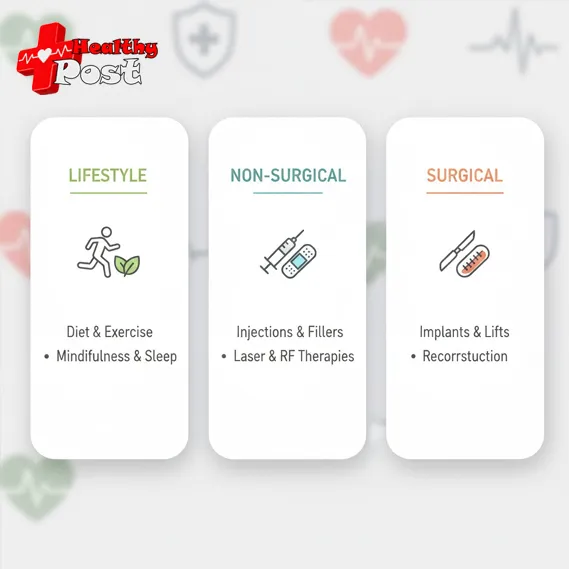
Think of options in three layers: lifestyle, non‑surgical treatments, and surgery.
Lifestyle approaches (always the foundation)
These include:
- Movement and strength training
- Balanced nutrition
- Weight management
- Skin care and hygiene
Even if you choose medical treatment, lifestyle steps protect your results.
Non‑surgical treatments
These cannot replace major surgery. Yet they may help contour the area slightly.
Options may include:
- Radiofrequency skin tightening
- Ultrasound or laser lipolysis
- Cryolipolysis (fat‑freezing)
- Professional lymphatic massage
The American Society of Plastic Surgeons explains non-surgical body contouring in more detail on its non-surgical body contouring page.
These procedures:
- Are less invasive
- Have shorter downtime
- Offer modest, gradual changes
They still carry risks and costs. Always consult a qualified medical professional.
Surgical options
For some people, surgery offers the most visible change. Common procedures include:
- Liposuction of the lower abdomen
- Panniculectomy (removing overhanging lower abdominal skin)
- Abdominoplasty (tummy tuck)
These can:
- Remove excess fat
- Tighten loose skin
- Sometimes repair separated abdominal muscles
However, they also involve:
- Anesthesia risks
- Scars
- Recovery time
- Financial cost
Surgeons often require a stable, healthy weight and non‑smoking status before surgery. Always seek board‑certified plastic or reconstructive surgeons.
Fact 7: Acceptance and Change Can Coexist
You are allowed to both accept your body and want changes. These ideas can live together.
Body respect now, not later
You do not need to earn self‑care by changing your shape. You can:
- Move your body kindly today
- Wear clothes that fit comfortably today
- Treat your skin gently today
Even if you pursue medical treatments, grounding yourself in self‑respect helps decisions feel calmer and clearer.
Helpful ways to cope emotionally
Some people find support through:
- Therapy focused on body image or self‑esteem
- Mindfulness and body neutrality practices
- Supportive communities with similar experiences
Remember: you are more than one area of your body. Your worth is not measured by a waistband. 💗
Quick Comparison: Lifestyle vs. Non‑Surgical vs. Surgical Options
| Approach Type | Main Goal | Typical Results | Recovery / Downtime |
|---|---|---|---|
| Lifestyle changes | Overall health and gradual fat loss | Slow, subtle improvements | Minimal; part of daily life |
| Non‑surgical treatments | Mild contouring and skin tightening | Modest shape changes | Short; days, not weeks |
| Surgical procedures | Major reshaping and skin removal | Dramatic visible change | Longer; weeks to months |
FAQs About the Lower Belly Bulge Area
1. Is this area always caused by being overweight?
No. Genetics, pregnancy, aging, and surgery can all shape the lower belly. Weight can play a role, but it is not the only factor.
2. Can exercise alone remove this lower belly bulge?
Exercise helps reduce overall fat and build muscle. However, you cannot force fat loss from one exact spot. You may see improvement, but not complete removal.
3. Are there specific exercises that help this region?
Core stability, hip and glute strength, and gentle cardio all help. Examples include planks, bridges, and walking. A full routine from a qualified trainer is ideal.
4. Will weight loss make loose skin worse?
Weight loss may reveal loose skin that was already stretched. Many people feel healthier but still notice extra skin. Surgery is the only way to remove significant loose skin.
5. Is it safe to ignore this bulge if it does not hurt?
If you have no pain, rashes, or mobility issues, it may be safe to watch. However, discuss any concerns with your doctor, especially if weight or health markers change.
6. Who should I see if I am worried?
Start with your primary care doctor or gynecologist / urologist. They can check for medical issues and refer you to a dermatologist, dietitian, therapist, or surgeon if helpful.
Conclusion: Understanding FUPA Can Help You Choose Your Next Step
Living with FUPA can feel frustrating, especially in a culture that idealizes flat stomachs. Yet this lower belly area is shaped by many factors, including genetics, pregnancy, aging, and overall health.
You have several layers of support available:
- Lifestyle changes to improve health and comfort
- Non‑surgical options for modest contouring
- Surgical procedures for more dramatic reshaping
- Emotional support to build body respect
You do not have to handle this alone. Consider speaking with a health professional, exploring gentle movement, and choosing clothes that feel kind to your body today.
Most importantly, remember: your value does not depend on one part of your body. You deserve care, comfort, and respect at every stage of your journey. 🌈

1 Comment
Pingback: Early Signs of Lupus: 7 Crucial Symptoms to Watch For (2026 Guide)