
This article has been written by Dr. Mohammad Kamruzzaman (Plastic & Reconstructive Surgery), specializing in aesthetic procedures, reconstructive surgery, and body contouring.
Medical Disclaimer: The information provided on Healthy Post is for educational and informational purposes only and does not constitute formal medical or surgical advice. Surgical procedures like BBL require a comprehensive clinical evaluation of patient health history and anatomical suitability. Always consult a qualified plastic and reconstructive surgeon for personalized treatment planning.

🏥 Medical Review Board Member
Dr. Mohammad Kamruzzaman, MBBS, FCPS
Plastic & Reconstructive Surgeon | Associate Professor, Dhaka Medical College & Hospital
Dr. Mohammad Kamruzzaman is a prominent plastic, reconstructive, and burn surgeon serving as an Associate Professor in the Department of Burn & Plastic Surgery at Dhaka Medical College & Hospital. With extensive clinical expertise and advanced surgical credentials, he is dedicated to providing evidence-based medical oversight and translating specialized clinical care into clear, reliable guidance. Dr. Kamruzzaman ensures that health and surgical content on Healthy Post meets the highest standards of medical accuracy, clinical integrity, and patient safety.
The Brazilian Butt Lift (BBL) has taken the cosmetic surgery world by storm, transforming countless lives through enhanced body contours. This comprehensive guide dives deep into the realities of BBL procedures in 2024, equipping you with essential knowledge for your transformation journey.
Understanding the before and after effects of a BBL isn’t just about admiring dramatic transformations – it’s about making informed decisions for your health and safety. With evolving techniques and safety protocols, BBLs have become safer yet remain a significant medical procedure requiring careful consideration.
Key Guide Highlights:
- Latest surgical and non-surgical BBL options
- Updated safety protocols and mortality rates
- Real patient transformations and experiences
- Essential pre-procedure preparations
- Recovery timeline and expectations
- Professional insights on choosing qualified surgeons
Whether you’re actively planning a BBL or exploring your options, this guide provides crucial information about the procedure’s risks, benefits, and expected outcomes. We’ll walk you through each stage of the BBL journey, from initial consultation to post-recovery care, helping you make educated decisions about your body enhancement goals.
Remember: Your safety comes first. This guide emphasizes the importance of choosing licensed professionals and understanding both the possibilities and limitations of BBL procedures.

Understanding Brazilian Butt Lifts (BBL)
A Brazilian Butt Lift (BBL) is a cosmetic procedure designed to enhance the volume and shape of the buttocks using a technique called natural fat transfer. This innovative method has become increasingly popular because it can produce results that look natural by utilizing the patient’s own body fat.
The Core BBL Process:
- Fat Harvesting: Surgeons extract excess fat from areas like the abdomen, thighs, or flanks using liposuction
- Fat Processing: The collected fat undergoes purification to isolate healthy fat cells
- Strategic Injection: Processed fat gets carefully injected into specific areas of the buttocks to create desired shape and volume
Enhancement Methods in Modern BBLs:
- Traditional Fat TransferUses larger volumes of processed fat
- Creates dramatic transformations
- Requires sufficient donor fat availability
- Micro BBLUtilizes smaller fat quantities
- Perfect for subtle enhancements
- Ideal for lean patients
- Hybrid TechniquesCombines fat transfer with other procedures
- Can include implants for enhanced results
- Allows customization based on patient goals
The procedure typically takes 2-4 hours and is performed under general anesthesia. Surgeons carefully plan where to inject the fat in order to achieve curves that look natural while avoiding important blood vessels and muscle tissue. This careful approach helps keep the patient safe while also getting the best possible aesthetic results.
Key Benefits of BBL:
- Natural-looking results using your own tissue
- Dual benefit of fat removal from problem areas
- Long-lasting enhancement compared to temporary alternatives
- Customizable results based on individual body types
- Improved body proportions and silhouette
The success of a BBL heavily relies on the surgeon’s skill in harvesting, processing, and strategically placing the fat. Modern techniques prioritize patient safety by using precise injection methods and paying close attention to anatomical structures in order to create results that appear natural.
Types of BBL Procedures
BBL procedures fall into two main categories: surgical and non-surgical options. Each method offers distinct advantages and considerations for patients seeking buttock enhancement.
Surgical BBL
The traditional surgical BBL involves fat transfer from other body areas to the buttocks. This procedure creates natural-looking results using your own body tissue.
Benefits:
- Natural-looking and feeling results
- Dual benefit of body contouring through liposuction
- Long-lasting outcomes
- FDA-approved technique
Considerations:
- 4-6 weeks recovery time
- Higher initial cost
- Requires general anesthesia
- Medical clearance needed
Non-Surgical BBL
Non-surgical options use dermal fillers or specialized injectable treatments to enhance buttock volume and shape without invasive surgery.
Benefits:
- Minimal downtime
- Lower initial cost
- No general anesthesia required
- Quick procedure time
Considerations:
- Temporary results (6-24 months)
- Multiple sessions needed
- Limited volume enhancement
- Risk of migration or asymmetry
Current Trends
The demand for both procedures continues to rise, with surgical BBLs maintaining popularity despite higher costs. Recent statistics show:
- 61% increase in surgical BBL procedures since 2020
- Growing interest in non-surgical options among younger patients
- Rise in “mini BBL” procedures – modified surgical technique with smaller fat transfers
- Increased demand for natural-looking results over dramatic transformations
Safety Considerations:
- Surgical BBLs require board-certified plastic surgeons
- Non-surgical procedures need licensed medical professionals
- Verify provider credentials and facility accreditation
- Research thorough before-and-after documentation
Latest Updates on BBL Safety and Regulations
Recent developments in BBL procedures have sparked serious concerns among medical professionals and regulatory bodies. The NHS has issued urgent warnings about the rising risks associated with these cosmetic enhancements, particularly non-surgical alternatives.
A tragic incident involving the death of a 33-year-old mother following a non-surgical BBL procedure has highlighted the critical need for stricter regulations. This case led to arrests on suspicion of manslaughter, bringing attention to the dangerous landscape of unregulated cosmetic procedures.
The British Association of Aesthetic Plastic Surgeons has identified several pressing issues:
- Lack of standardization in non-surgical procedures
- Insufficient screening of practitioners offering these services
- Limited oversight of facilities performing BBL treatments
- Inadequate patient education about potential risks
Non-Surgical BBL Risks
Non-surgical BBL procedures in the UK operate in a concerning regulatory grey area. These treatments often involve injectable fillers, which can lead to severe complications:
- Blood clots
- Tissue death
- Infections
- Permanent deformities
- Allergic reactions
- Migration of filler material
Medical professionals have documented cases where non-surgical BBL complications required emergency interventions. The NHS reports an increasing number of patients seeking medical attention for adverse reactions to unauthorized filler substances.
Professional Qualifications Matter
Selecting a qualified professional is crucial for BBL procedures. Here’s what patients should look for:
- Board certification in plastic surgery
- Extensive experience specifically in BBL procedures
- Proper facility accreditation
- Transparent safety protocols
- Clear emergency procedures
The General Medical Council maintains strict guidelines for surgical BBL procedures. However, non-surgical treatments remain largely unregulated, creating a dangerous gap in patient protection.
Current Safety Measures
Medical authorities have implemented new safety protocols:
- Mandatory pre-procedure health screenings
- Detailed documentation of materials used
- Regular facility inspections
- Enhanced monitoring during procedures
- Comprehensive aftercare programs
The NHS actively discourages patients from seeking non-surgical BBL treatments until proper regulations are in place. They recommend consulting with licensed plastic surgeons who follow established medical guidelines and safety protocols.
Surgical BBL Safety Improvements
The landscape of BBL surgery has transformed dramatically since 2018, when the American Society of Plastic Surgeons established the Task Force for Safety in Gluteal Fat Grafting. This milestone marked a turning point in surgical safety protocols.
Key Safety Innovations:
- Implementation of larger-diameter cannulas (≥4mm) for fat injection
- Advanced ultrasound guidance systems for precise placement
- Strict protocols preventing deep muscle injections
- Real-time monitoring of fat placement locations
The medical community has embraced these revolutionary changes, leading to a significant reduction in complications. Modern BBL procedures now incorporate sophisticated imaging technology, allowing surgeons to visualize fat placement with unprecedented accuracy.
Technical Advancements:
- 3D imaging for surgical planning
- Enhanced fat processing methods
- Improved patient positioning techniques
- Standardized injection angles and depths
These refined approaches have yielded remarkable results. The fatality rate has dropped substantially, now matching other common cosmetic procedures at approximately 1 in 15,000 cases.
Current Safety Protocols:
- Pre-operative patient screening
- Standardized surgical marking systems
- Continuous vital sign monitoring
- Enhanced post-operative care guidelines
Leading surgical facilities now require certification in these updated protocols. Surgeons must demonstrate proficiency in the latest techniques before performing BBLs, ensuring consistent safety standards across practices.
Research continues to drive improvements in surgical methods. Medical professionals collaborate globally to share data and refine techniques, pushing the boundaries of what’s possible while maintaining strict safety parameters.
Current Mortality Rates and Patient Awareness
The landscape of BBL safety has transformed dramatically in recent years. Current statistics show surgical BBL mortality rates at approximately 1 in 15,000 procedures – a significant improvement from previous years. This rate now stands comparable to other common cosmetic procedures like tummy tucks.
Understanding the Numbers
- Historical Context: Pre-2018 mortality rates were as high as 1 in 3,000
- Current Risk Level: 1 in 15,000 procedures
- Risk Comparison: Similar to standard cosmetic surgeries
Patient education plays a crucial role in BBL safety. A comprehensive informed consent process includes:
- Detailed discussion of potential complications
- Recovery timeline expectations
- Alternative treatment options
- Realistic outcome predictions
Societal Pressures and Mental Health Considerations
Social media’s influence on beauty standards has created unprecedented pressure to achieve specific body shapes. A recent survey revealed that 78% of BBL patients cited social media as a primary influence in their decision-making process.
“I felt constant pressure to look a certain way. It wasn’t until I spoke with a mental health professional that I realized I needed to address my motivations before making such a significant decision.” – Sarah, 28
Key Mental Health Factors to Consider:
- Body dysmorphia awareness
- Realistic expectations
- Personal motivation assessment
- Support system evaluation
Professional Screening Process
Reputable surgeons implement thorough screening protocols:
- Psychological Assessment
- Mental health history
- Body image concerns
- Motivation evaluation
- Physical Health Screening
- Medical history review
- Current health status
- BMI considerations
- Lifestyle Factors
- Smoking status
- Exercise habits
- Recovery support plans
Many clinics now require mental health consultations before proceeding with BBL surgery. This approach helps identify patients who might benefit from additional support or those who should postpone their procedure until achieving better mental wellness.
Support Resources Available:
- Pre-surgery counseling services
- Body image support groups
- Post-procedure therapy options
- Online communities for BBL patients
The intersection of physical transformation and mental well-being requires careful consideration.
Preparing for a BBL Procedure
Proper preparation plays a vital role in achieving optimal BBL results. Let’s explore the essential steps and considerations for your BBL journey.
Pre-Surgery Consultation
Your initial consultation sets the foundation for a successful BBL procedure. During this meeting:
- Medical History Review: Share your complete medical background, including medications, allergies, and previous surgeries
- Body Assessment: Your surgeon will evaluate your current body composition and fat distribution
- Goal Discussion: Bring reference photos to communicate your desired results clearly
- Treatment Plan: Receive a customized surgical plan based on your anatomy and goals
Pre-Operative Guidelines
4-6 weeks before surgery:
- Stop smoking and avoid alcohol
- Maintain a stable weight
- Begin taking recommended supplements
- Schedule necessary medical clearances
2 weeks before surgery:
- Avoid blood-thinning medications
- Start a high-protein diet
- Purchase compression garments
- Arrange transportation and aftercare support
Post-Operative Care and Recovery
First Week:
- Wear compression garments 23 hours daily
- Sleep on your stomach or side
- Use specialized BBL pillows when sitting
- Take prescribed medications as directed
- Keep incision sites clean and dry
Weeks 2-6:
- Limited sitting (15-minute intervals maximum)
- Light walking to promote circulation
- Continue wearing compression garments
- Gentle lymphatic massage as recommended
- Regular follow-up appointments
Managing Recovery Expectations
Common Experiences:
- Swelling peaks around day 3-4
- Bruising typically lasts 2-3 weeks
- Numbness in treated areas
- Temporary fluid retention
- Initial results visible after 6 weeks
Long-Term Results:
- Full results emerge at 6-12 months
- Fat survival stabilizes around 3 months
- Maintain stable weight for lasting results
- Regular exercise can begin at 8 weeks
Essential Recovery Items
Make sure you have these items ready for your recovery period:
- BBL pillow for comfortable sitting positions
- Multiple compression garments to support healing
- Loose, comfortable clothing for easy dressing
- Prescribed medications to manage pain and inflammation
- Lymphatic massage tools for promoting fluid drainage
- Support cushions for sleeping in recommended positions
Activity Restrictions
During the first month after your BBL procedure, it’s important to follow these activity restrictions:
- Avoid sitting directly on your buttocks for extended periods of time.
- Limit activities that put pressure on the treated area.
- Refrain from high-impact exercises or strenuous workouts.
- Follow any specific instructions given by your surgeon regarding physical activity.
By adhering to these guidelines, you can optimize your recovery process and achieve the best possible results from your BBL procedure.
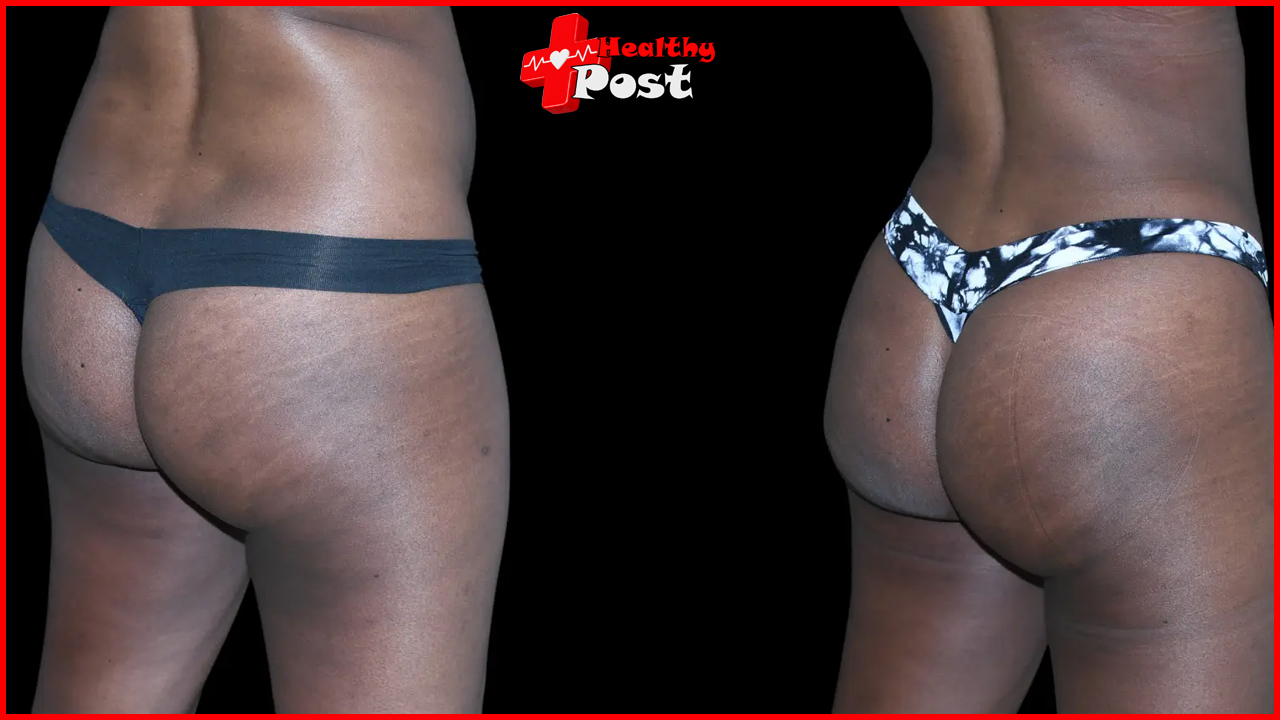
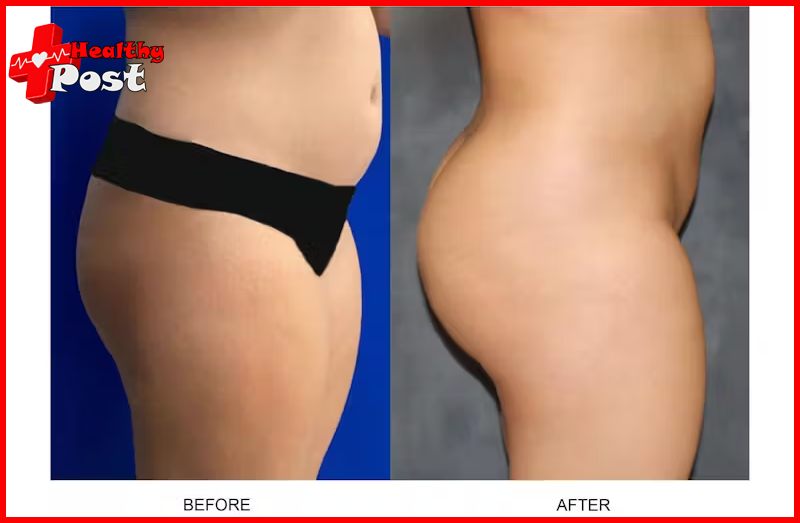
Before-and-After Transformations: Real Results from Patients Who Have Undergone BBLs
Real patient transformations tell powerful stories about BBL results. These carefully documented journeys showcase the procedure’s potential while setting realistic expectations for prospective patients.
Common Physical Changes Post-BBL:
- Enhanced buttock projection and volume
- Improved hip-to-waist ratio
- Smoother body contours
- Reduced appearance of cellulite
- Better clothing fit and proportion
A collection of verified BBL results from certified surgeons demonstrates varied outcomes based on individual body types. Patient A, starting with minimal curves, achieved natural-looking volume through strategic fat transfer. Patient B transformed their athletic build into an hourglass silhouette while maintaining muscle definition.
Key Observations from Patient Photos:
- Results become fully visible 3-6 months post-surgery
- Swelling subsides gradually
- Scars fade significantly
- Fat grafts settle into natural positions
- Body proportions stabilize
Photo Documentation Tips:
- Standard poses (front, back, side views)
- Consistent lighting conditions
- Similar clothing for accurate comparisons
- Multiple time points (pre-op, 3 months, 6 months)
- Natural standing position
Successful transformations highlight the importance of patient selection and surgical expertise. Photos from established clinics show balanced, proportionate results that complement existing body features. These visual records serve as valuable reference points for understanding potential outcomes and setting appropriate expectations for the procedure.
Make Informed Decisions About BBLs In 2024
Making an educated choice about BBL procedures requires thorough research and careful consideration of several key factors:
Safety First Approach
- Research board-certified plastic surgeons with specific BBL experience
- Verify facility accreditation and safety protocols
- Request detailed information about surgical techniques used
- Ask about emergency procedures and aftercare support
Reliable Information Sources
- American Society of Plastic Surgeons
- British Association of Aesthetic Plastic Surgeons
- International Society of Aesthetic Plastic Surgery
Questions to Ask Your Provider
- What is your specific experience with BBL procedures?
- How many BBLs do you perform annually?
- What complications have you encountered?
- What safety measures do you implement?
- Can you show before-and-after photos of your work?
Red Flags to Watch For
- Unusually low prices
- Lack of proper medical credentials
- Pressure to make quick decisions
- Limited information about risks
- Non-surgical alternatives marketed as “safer options”
Your safety should never be compromised for aesthetic goals. Take time to research, ask questions, and understand both benefits and risks. Schedule consultations with multiple surgeons to compare approaches and find the right fit for your needs.
FAQs (Frequently Asked Questions)
What is a Brazilian Butt Lift (BBL) and how does it work?
A Brazilian Butt Lift (BBL) is a cosmetic surgery procedure that enhances the shape and size of the buttocks through fat transfer. The process involves liposuction to remove fat from other areas of the body, which is then purified and injected into the buttocks to achieve desired contours.
What are the different types of BBL procedures available?
There are two main types of BBL procedures: surgical and non-surgical. Surgical BBL involves fat transfer techniques, while non-surgical options often use filler injections. Each method has its pros and cons, with surgical options generally offering more dramatic results but also carrying higher risks.
What are the safety concerns associated with non-surgical BBLs?
Non-surgical BBLs can pose significant risks due to their unregulated nature, especially in regions like the UK. Common complications include adverse reactions to fillers, infections, and unsatisfactory results. It is crucial for patients to choose qualified professionals to minimize these risks.
How have surgical BBL safety measures improved recently?
Recent improvements in surgical BBL safety include advancements in techniques such as the use of cannulas and ultrasound guidance during fat grafting. These innovations have contributed to a reduction in fatality rates and overall complications associated with the procedure.
What should I expect during recovery after a BBL procedure?
Post-operative recovery from a Brazilian Butt Lift typically involves swelling, bruising, and discomfort in the treated areas. Patients are advised to follow their surgeon’s post-operative care guidelines closely to ensure optimal healing and results.
How can I make informed decisions about undergoing a BBL in 2024?
To make informed decisions about a Brazilian Butt Lift, potential patients should prioritize their safety by seeking consultations with qualified surgeons, asking important questions about the procedure, understanding potential risks, and reviewing real patient transformations through before-and-after photos.