


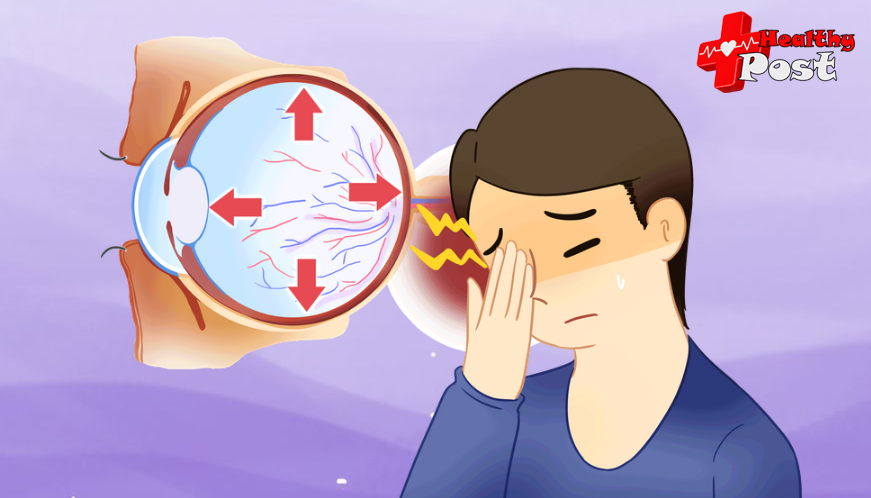
We know that intraocular pressure is an important factor affecting the development of myopia. The eye axis eventually grows under the influence of intraocular pressure. Clinically, it has been found that there is a significant correlation between intraocular pressure and the development of myopia. Especially high myopia. For children with high baseline intraocular pressure, controlling intraocular pressure is also an important part of myopia prevention and control that cannot be ignore.
Have you heard that exercise can also reduce intraocular pressure? The following table shows the effects of different exercises on intraocular pressure found in current research. Parents can use it as a reference when designing exercises for their children:
| Type of exercise | Influence | Impact | Duration |
| running | reduce | 5.64mmhg | ≤ 30 mins |
| Cycling | reduce | 2.70mmhg | 10 minutes |
| Swimming (eye socket goggles) | Elevated | 2.32mmhg | 60 minutes |
| Grip exercise | Elevated | 25% | / |
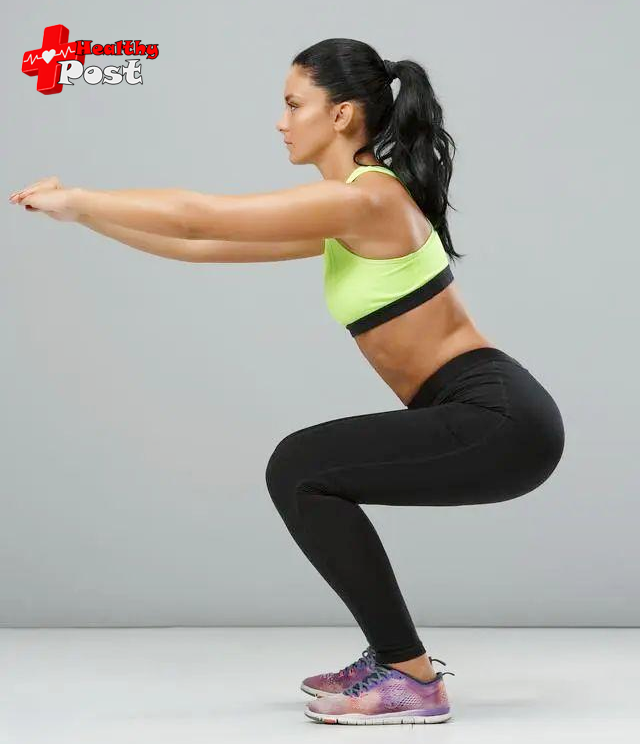
| Squat | Elevated | / | 10 seconds |
| Recommend | Elevated | / | 10 seconds |
| Argument Ling | Elevated | / | 10 seconds |
| Weighted Calf Raise | Elevated | / | 10 seconds |
| Yoga (Head Down Position) | Elevated | 2 times | / |
The above data are derived from previous studies. Please see below for details.
Recently, a review entitled “The Relationship between Exercise and Intraocular Pressure, Ocular Blood Perfusion and Optic Nerve Protection”. It was published in “International Ophthalmology Review”. A large number of previous studies have confirmed that high-intensity aerobic exercise can effectively reduce intraocular pressure.
Cohort study
In 2009, a large cohort study of more than 27,000 male runners from running clubs across the United States showed a strong dose-dependent relationship between the incidence of glaucoma and weekly running habits. That is, those who ran farther, faster, and ran more than 10 kilometers a day had a lower incidence of glaucoma.
Recently, data from the Korean National Health and Nutrition Survey showed that among 10,243 men aged 40 and above who engaged in moderate to high-intensity exercise. The incidence of glaucoma was significantly lower than that of those who did not exercise.
A cohort study in Japan involving 1,871 subjects on changes in intraocular pressure over five years. That showed that increased exercise frequency and increased exercise time were significantly associated with reduced intraocular pressure.
What kind of exercise can lower intraocular pressure?
Exercise can be divided into isometric exercise and isotonic exercise .
Isotonic exercise
Isometric exercise means that during exercise, muscle fibers shorten when muscles contract, but muscle tension does not change significantly.
Such as: running, cycling, swimming, rowing, aerobics, skipping, skiing, etc.
Many previous studies have confirmed that different types of isotonic exercises often have a short-term, mild to moderate effect of lowering intraocular pressure.
Young male volunteers performed high-intensity exercise on a treadmill and stopped exercising when their heart rate reached 85% of the expected heart rate. One minute later, their intraocular pressure dropped by 5.64 mmHg. But this positive effect did not last more than 30 minutes.
30 minutes of cycling exercise can immediately lead to a 2.70 mmHg reduction in intraocular pressure. But the effect only lasts for 10 minutes. —— “Optom Vis SciNajmanova”, Najmanova et al.
After 6 minutes of the step test, the intraocular pressure was significantly lower than before, and the intraocular pressure reduction lasted for 60 minutes. —— “Eye (Lond)”, author Okuno et al.
It should be pointed out that swimming itself is beneficial to intraocular pressure, but the use of goggles and the prone position may increase intraocular pressure.
Immediately after putting on the goggles, the intraocular pressure increased by 2.32 mmHg and remained until the goggles were removed (60 minutes). The vacuum cavity formed by the goggles, the external water pressure, and the pressure of the goggles on the periorbital tissue may be the cause of the increase in intraocular pressure, and the smaller the facial area of the goggles, the greater the increase in intraocular pressure. ——Yonsei Med J, author: Ma et al.
Isometric exercise
Isometric exercise is when the muscles contract and the tension of the muscles increases without shortening the muscle fibers.
Such as: weightlifting, grip strength, plank support, static crunch, handstand, bridge, squat, barbell, clean and jerk, pull-up, etc.
In contrast to isotonic exercise, isometric exercise has a transient effect on intraocular pressure. Experiments in humans and animals have found that the rise in intraocular pressure during isometric exercise is proportional to the rise in blood pressure and is partly influenced by the measurement of carbon dioxide partial pressure.
Continuous and real-time intraocular pressure testing of 9 healthy young volunteers during a 2-minute handgrip exercise found that intraocular pressure gradually increased with the increase in systemic blood pressure, with an amplitude of about 25%.
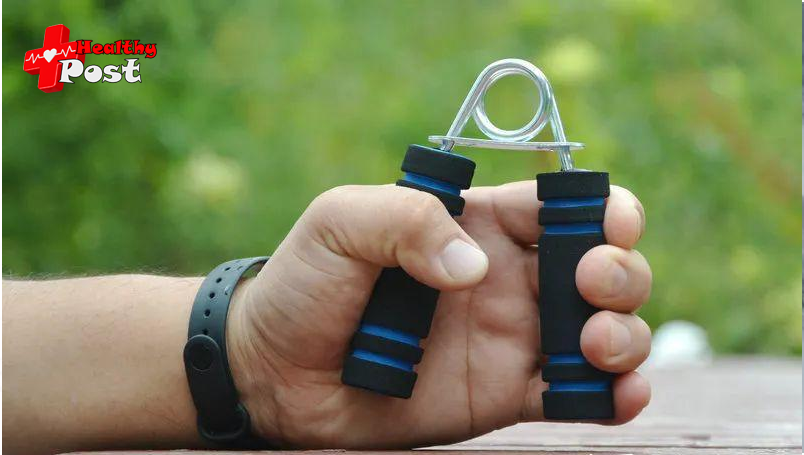
When subjects of different genders performed different types of isometric exercises (squats, presses, barbell raises with forearm curls, and weighted heel raises) for 2 minutes, their intraocular pressure increased rapidly, and returned to baseline levels 10 seconds after the exercise.
( Note: Studies by other researchers have shown that after healthy subjects squatted for 6 minutes, their intraocular pressure did not change significantly despite a significant increase in blood pressure. )
Some researchers believe that the increase in intraocular pressure caused by some isometric exercises that require weight bearing (such as squats, barbell lifting, etc.) may be related to the Valsalva maneuver . This may be because during the Valsalva maneuver, the central venous pressure increases, followed by venous return obstruction, leading to an increase in superficial scleral venous pressure and thus increased intraocular pressure.
The Valsalva maneuver
It is named after an Italian scientist. It means that after taking a deep breath, we hold our breath and do not let the air come out of our mouth or nose. We must hold our breath. While holding our breath, we exhale as much as possible. The main purpose of the Valsalva maneuver is to reduce venous return by increasing the pressure in the human chest cavity.
Some isometric exercises (such as yoga) may involve changes in body position, which may also cause increased intraocular pressure during exercise. In particular, yoga movements with the head facing down can even cause intraocular pressure to rise to twice the baseline level.
Why exercise can lower blood pressure
The mechanism by which exercise changes intraocular pressure is still unclear, and isotonic and isometric exercise may involve different mechanisms.
In most of the past reports, scholars tend to explore that isotonic exercise may stimulate many neurotransmitters and cause more systemic metabolic changes than isometric exercise, such as increased plasma colloid osmotic pressure, decreased norepinephrine concentration, increased blood lactate, and decreased blood pH, which helps to reduce intraocular pressure. At the same time, this effect seems to fade quickly over time.
Will exercise increase intraocular pressure and make glaucoma worse?
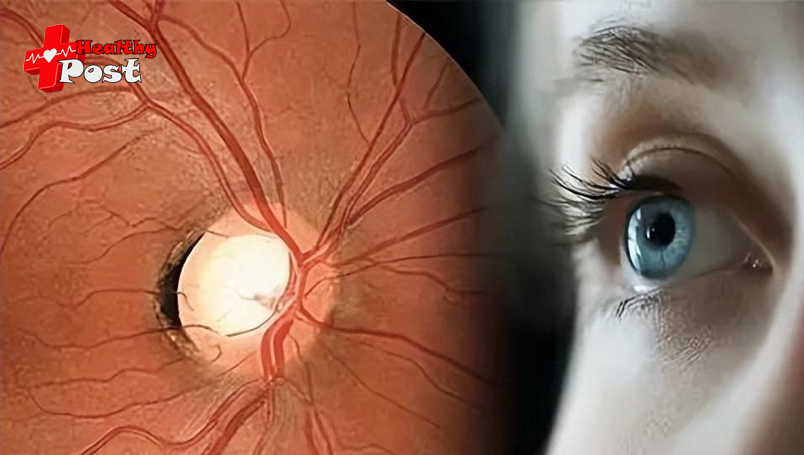
Although there is evidence of an association between isometric exercise and increased intraocular pressure, it is difficult to conclude that isometric exercise does indeed aggravate glaucoma and accelerate vision loss because the increase in intraocular pressure caused by exercise usually returns to normal after a few minutes or even immediately after exercise.
Does exercise intensity and duration have an effect on intraocular pressure?
Lower intraocular pressure
Many previous studies have shown that within a certain range, the degree of intraocular pressure reduction is positively correlated with the intensity of isotonic exercise, but has nothing to do with the exercise time.
As early as 1995, researchers conducted a controlled study on the intraocular pressure-lowering effects of different exercise intensities, and divided them into three groups: light (walking), moderate (jogging) and high-intensity (running). The results showed that the intraocular pressure of the three groups of healthy subjects decreased by 2.43, 3.85, and 4.0 mmHg, respectively, after exercise, and the higher the intensity of exercise at different exercise time points, the more obvious the effect of lowering intraocular pressure.
Similar results were shown in studies on cycling exercises of different intensities: after cycling for 10 minutes at a heart rate of 170 beats/minute, intraocular pressure was significantly reduced by 2.3 mmHg, but extending the exercise time to 20 or 30 minutes did not enhance this effect, indicating that extending the exercise time does not enhance the degree of intraocular pressure reduction.
Increased intraocular pressure
Currently, research on isometric exercise is limited by its short duration. Researchers have observed that squat exercises can cause immediate and cumulative increases in intraocular pressure, which is positively correlated with the load applied. During a 1-minute squat exercise, the average intraocular pressure increases in the low, medium, and high load groups were 24%, 37%, and 41%, respectively, and after 1 minute of exercise, the intraocular pressure in the low, medium, and high load groups increased by 36%, 52%, and 59%, respectively. Other studies have also found that intraocular pressure gradually increases with the accumulation of exercise repetitions.
Okay, that’s all for today’s sharing. I hope it can give you some inspiration and provide some reference when choosing sports for your children.