

Dextrose 10% sounds simple. It is a medical sugar solution used every day in hospitals. Yet, many patients and caregivers feel unsure when they see this fluid hanging on an IV stand.
You might have wondered what it actually does. You may worry about side effects, plastic bags, or how it affects blood sugar. These concerns are understandable, especially if you or a loved one is already unwell.
This article breaks down ten surprising facts about dextrose 10% in clear language. You will learn why it is used, when it can be risky, and how containers matter. We will also discuss price, storage, and what to ask your healthcare team.
The goal is simple. Help you feel more informed and confident when you see this IV fluid used in water or plastic containers.
Fact 1: What Is Dextrose 10% and Why It Exists
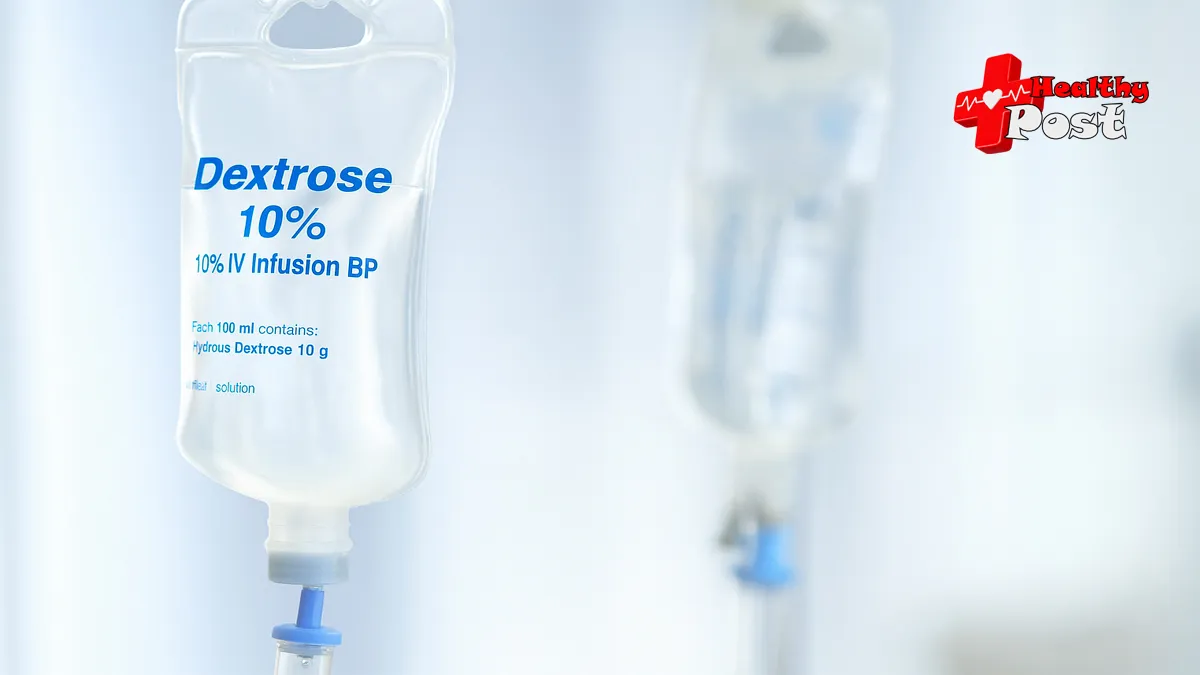
Dextrose is a form of glucose. Glucose is the main sugar your body uses for energy. A 10% solution means there are 10 grams of dextrose in every 100 milliliters of fluid.
So, dextrose 10% is a relatively concentrated sugar solution. It is stronger than the more common 5% dextrose solution. Doctors use it when the body needs more sugar support than usual.
You may hear different terms for the same fluid, such as:
- 10% dextrose solution
- 10% glucose IV
- D10W (dextrose 10% in water)
Each term describes the same basic idea. A sterile liquid that delivers sugar directly into the bloodstream.
Why does this fluid exist at all? Because some situations require quick, controlled energy support. For example:
- When blood sugar drops too low
- When patients cannot eat safely
- When certain medications trigger low glucose levels
It is not a routine drink or home remedy. It is a carefully controlled medical product used under supervision.
Fact 2: Dextrose 10% in Water Is More Than “Sugar Water”
The phrase “dextrose 10% in water” sounds harmless. It can feel like it is just sweet water in a bag. In reality, it acts like a drug and must be treated that way.
Here is why it is different from everyday drinks:
- It enters the bloodstream directly. There is no digestion step.
- It bypasses the body’s usual checks and balances.
- It can raise blood sugar quickly and noticeably.
Pure water with this level of sugar would be dangerous if used inside a vein without proper control. So, the formulation is balanced to reduce harm to blood cells and veins.
In many settings, your team may choose dextrose 10% in water instead of a weaker solution. They may do this when:
- A milder fluid is not correcting low glucose
- The patient is at risk of collapse from hypoglycemia
- There is a short-term need to bridge until eating is possible
Even though the main ingredient is sugar, it must be prescribed and monitored like any other medication.
Fact 3: It Can Push Blood Sugar Up Fast – Sometimes Too Fast
One of the most striking effects of this fluid is how quickly it changes blood sugar. A dextrose 10% infusion can lift glucose levels within minutes.
This speed can save a person who is:
- Confused due to very low blood sugar
- Unconscious from insulin overdose
- Shaky, sweaty, and near fainting from hypoglycemia
However, the same speed can create problems if dosing is not careful. Possible issues include:
- Blood sugar swinging from very low to very high
- Extra stress on the heart and kidneys
- Worsening of existing diabetes control
That is why healthcare teams:
- Check blood sugar frequently while infusing
- Adjust the infusion rate when levels rise
- Stop or change fluids once the crisis passes
If you or your loved one has diabetes, ask how they plan to track sugar levels around this treatment. This question shows you are engaged, not difficult.
Fact 4: It Is Often a “Rescue” Fluid, Not a Daily Drip
Many people assume IV fluids run constantly for days. In reality, a dextrose 10% infusion is often used for short periods.
Typical “rescue” situations include:
- Severe hypoglycemia from insulin or tablets
- Sudden low blood sugar after surgery
- Newborns with unstable glucose levels
In these cases, the fluid acts like an emergency bridge. It supports the body until:
- The person can eat safely
- A weaker glucose solution is enough
- Medications are adjusted
Using this solution for long periods may cause problems such as:
- Fluid overload, especially in heart or kidney disease
- Large swings in blood sugar
- Increased risk of vein irritation
So, if you see this fluid running for many hours, you can respectfully ask why. A simple question like, “Is this still needed or can we step down?” is appropriate.
Fact 5: Plastic vs Glass – Container Choice Changes More Than You Think
Many people notice only the dripping chamber and tubing. Yet the container holding dextrose 10% matters as well.
Today, most hospitals use flexible plastic bags. Glass bottles are less common but still used in some regions. Each option affects stability, safety, and handling.
You may see labels that read “dextrose 10% in plastic container.” That phrase is not just packaging language. It signals how the solution was tested, stored, and approved.
Here is a simple comparison:
| Container Type | Main Pros | Main Cons | Typical Uses |
|---|---|---|---|
| Plastic bag (PVC or non-PVC) | Lightweight, shatter-free, easy to store, less shipping damage | Concerns about chemical leaching, sensitive to heat | Most routine hospital dextrose infusions |
| Glass bottle | No plasticizers, more chemical stability for some drugs | Heavy, breakable, harder to transport | Special medications, some older systems |
| Semi-rigid plastic containers | Hold shape, easier stacking, less air mixing | Less flexible for volume changes | Selected hospital products, specialty fluids |
Regulators require testing of each container type with the fluid inside. That includes:
- How much of the plastic’s chemicals move into the solution
- How stable the sugar level remains over time
- How the pH and sterility hold up during storage
This is why brands specify “for use only in this container type.” Swapping containers without testing would risk safety.
Fact 6: Plastic Chemicals Are a Real Worry – But Heavily Regulated
Patients often fear plastic bags. They have heard about plasticizers such as DEHP. These chemicals can leach into fluids, especially into fatty solutions.
For sugar solutions like this, the risk is lower but still studied. Manufacturers design dextrose 10% in plastic container formats that meet strict safety standards.
Before approval, regulators require data on:
- Levels of leached chemicals under worst case storage
- Impact on vulnerable patients, like newborns
- Long term toxicity in animal and lab models
Many modern bags are DEHP-free or use safer materials. Hospitals may also prefer specific brands for high-risk groups, such as infants.
If you are worried about plastic exposure, you can ask:
- “Is this bag DEHP-free?”
- “Is this container safe for newborns or pregnant patients?”
Your team may not always have an alternative. But your question encourages thoughtful choices and documentation.
Fact 7: Storage, Reuse, and “Leftover” Bags Are Bigger Risks Than Most People Realize
Another hidden concern is how these fluids are stored and handled. Even the best solution can become unsafe if mishandled.
Dextrose 10% should be:
- Stored at recommended temperatures
- Protected from freezing and extreme heat
- Used before the expiry date
Once a bag is opened, sterility is not guaranteed for long. Hanging times vary by policy. But in general, the longer it hangs, the higher the infection risk.
Key safety points include:
- Never reuse partially used bags at home
- Do not “save” leftover fluid for later use
- Do not use bags with cloudy fluid or particles
Some caregivers feel tempted to use an unexpired but opened bag for another patient. This practice is unsafe. Infection risk rises sharply with reuse and poor storage.
If home care is involved, ask your nurse:
- How long can this bag hang safely?
- What signs should make us stop the infusion?
These questions can prevent serious complications like bloodstream infections.
Fact 8: Why Discounts and “Deals” Demand Extra Caution
You may see the phrase “dextrose 10% in plastic container discount” in online listings. Lower prices can feel appealing, especially for clinics on tight budgets.
However, medical fluids are not typical retail items. Several risks appear when chasing the lowest price:
- Counterfeit or substandard products in some markets
- Poor storage during shipping, especially in hot climates
- Short-dated stock sold off cheaply
In a hospital or clinic, purchasing teams usually check:
- Supplier licensing and reputation
- Batch numbers and traceability
- Temperature control during transport
For individual patients, ordering IV fluids directly is rarely advised. IV treatments should be prescribed, supplied, and managed by a regulated service.
If cost is a concern, safer options include:
- Asking about government or insurance coverage
- Requesting hospital social work support
- Discussing cheaper but appropriate alternative treatments
Bargain shopping works for many things. For intravenous fluids, it can backfire badly.
Fact 9: Some Patients Need Extra Care with Dextrose 10%
Not every body responds to this solution in the same way. Some groups need very careful dosing and monitoring.
Examples include:
- People with diabetes
- Patients with kidney or heart failure
- Newborns and premature babies
- Patients with severe malnutrition
For people with diabetes, the problem is obvious. Extra sugar can destabilize control. It can also interact with their usual medication doses.
For kidney or heart failure patients, the concern is fluid overload. Extra volume in the veins can worsen:
- Swelling
- Shortness of breath
- Blood pressure control
In newborns, a dextrose 10% infusion may be life-saving. Yet their tiny bodies react quickly to even small changes. They need frequent blood tests and very accurate pumps.
Severely malnourished patients face a different risk. When nutrition is restarted too fast, a condition called refeeding syndrome can appear. Changes in salts and minerals may stress the heart and other organs.
If you or your loved one belongs to any of these groups, ask:
- “How will you watch for fluid overload?”
- “How often will blood tests be done?”
The answers can reassure you that the team is balancing benefits and risks.
Fact 10: You Are Allowed to Ask About Every Drip and Bag
Many people feel they should not question IV fluids. They worry about delaying care or appearing difficult. In reality, respectful questions improve safety.
Here are helpful, calm questions you can use:
- “Why was this particular glucose strength chosen?”
- “Is there a plan to switch to a weaker solution later?”
- “How do you protect patients with diabetes when using this?”
- “Is the container type important in this situation?”
You can also ask for written information. Many hospitals have patient leaflets about IV fluids and infusions.
If you keep a health journal or app, note:
- When the dextrose 10% infusion started and stopped
- Any symptoms you felt, like headache or dizziness
- Blood sugar readings, if you have access
These records can help future doctors understand your history and reactions.
Frequently Asked Questions About Dextrose 10%
1. What is dextrose 10% used for?
It is mainly used to treat or prevent low blood sugar in patients who cannot eat. It can also support energy needs during certain medical procedures or recovery periods. Doctors choose it when weaker solutions are not enough.
2. Is dextrose 10% safe for people with diabetes?
It can be used in people with diabetes, but only with strict monitoring. Blood sugar may rise quickly, so doses of insulin or tablets often need adjustment. Your healthcare team weighs the short-term benefit against the risk of spikes.
3. Why is it often given in a plastic container?
Plastic containers are lighter, safer to handle, and less likely to break than glass. Dextrose 10% in plastic container formats are tested to meet safety and stability standards. For most patients and situations, these containers are appropriate.
4. Can I receive dextrose 10% at home?
Home infusions are sometimes arranged, but only through supervised programs. A nurse or trained caregiver should manage the line, the rate, and the equipment. Do not attempt to use hospital leftovers or online fluids on your own.
5. Does dextrose 10% cause weight gain?
Short-term use, especially in emergencies, rarely causes lasting weight gain. Long-term or repeated use may contribute to extra calories and fluid retention. Any concerns should be discussed with your doctor or dietitian.
6. What should I watch for during a dextrose 10% infusion?
Tell your nurse or doctor if you feel chest pain, severe headache, swelling, or breathing changes. Also report burning or pain at the IV site. These signs may mean the infusion rate, vein, or fluid choice needs adjustment.
Conclusion: Turning Anxiety into Informed Confidence
Understanding dextrose 10% can transform fear into informed questions and shared decisions. It is a strong medical sugar solution that can rescue patients from dangerous lows. It can also cause problems if dose, timing, or storage are not handled well.
Container type, storage, discount offers, and individual health conditions all matter. When you see dextrose 10% in water or in a plastic bag, you now know what to ask and watch for.
Your next step can be simple. Speak with your healthcare team about any IV fluids you receive. Ask them to explain the purpose, plan, and monitoring for each dextrose 10% infusion. This shared approach supports safer care and a more confident experience for you and your family.