


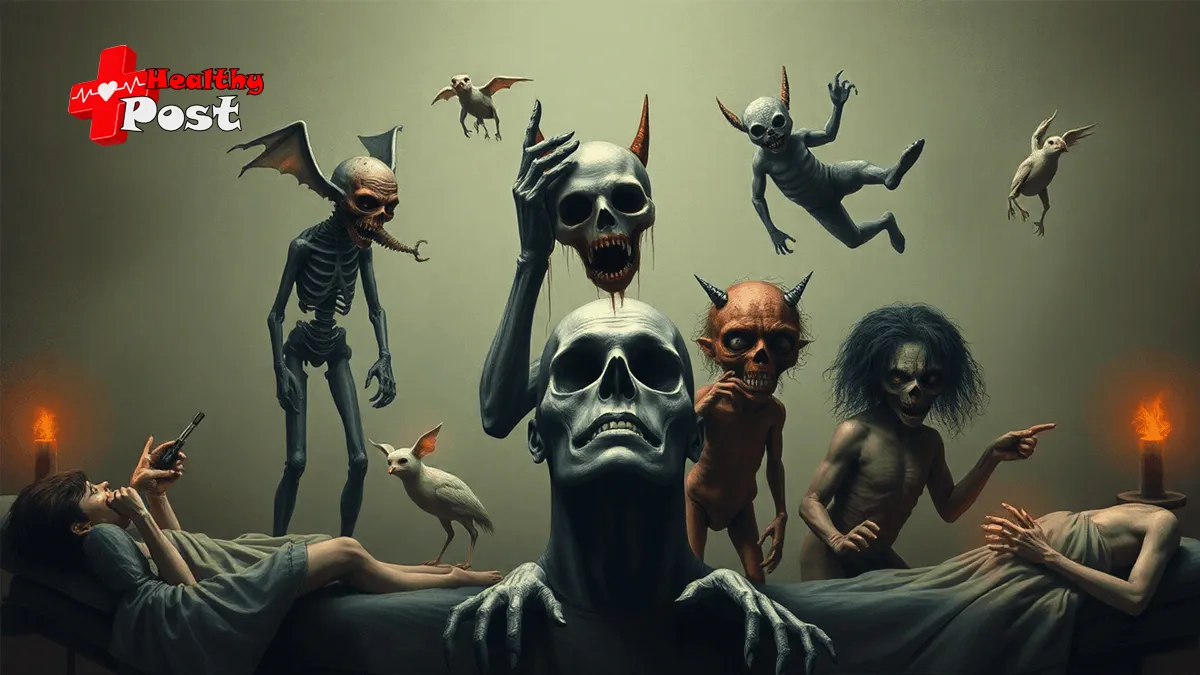
Imagine experiencing sights, sounds, or sensations that seem real but exist only in your mind. These hallucinations affect millions worldwide, disrupting daily life in profound ways.
The human brain’s complexity creates these false sensory perceptions without external stimuli. People might hear voices, see phantom figures, or feel nonexistent touches. These experiences can range from mild disturbances to severe disruptions of reality.
The ICD-10 coding system serves as a crucial medical language for documenting these hallucinations. This standardized system helps healthcare providers:
- Track patient symptoms accurately
- Develop targeted treatment plans
- Facilitate insurance claims
- Enable effective communication between medical professionals
The impact of hallucinations reaches far beyond medical charts:
- Strained relationships with family and friends
- Difficulty maintaining employment
- Challenges with daily tasks
- Increased risk of accidents
- Potential social isolation
Understanding hallucinations through proper ICD-10 coding creates a foundation for effective treatment. Each code tells a unique story about a patient’s experience, guiding healthcare providers toward appropriate interventions.
The relationship between accurate diagnosis and successful treatment highlights why proper coding matters. When healthcare providers correctly identify and document hallucinations, patients receive more targeted care aligned with their specific needs.
Learn more about the clinical significance of hallucinations from the World Health Organization
1. Unspecified Hallucinations: The Vague Nature of ICD-10-CM Code R44.3
The ICD-10-CM Code R44.3 represents a critical yet challenging classification in medical diagnosis. This code encompasses hallucinations that don’t fit neatly into specific categories.
Complexities Faced by Healthcare Providers with Code R44.3
Healthcare providers face several complexities when working with Code R44.3:
- Limited Descriptive Power: The code lacks detailed specifications about the nature of hallucinations
- Diagnostic Uncertainty: It may serve as a temporary classification until more specific symptoms emerge
- Treatment Planning Challenges: The vague nature can impact the development of targeted treatment strategies
- Insurance Reimbursement Issues: Some insurers might require more specific coding for coverage
Steps Involved in Diagnosing Unspecified Hallucinations
The diagnostic process for unspecified hallucinations involves multiple steps:
- Initial AssessmentPatient history documentation
- Physical examination
- Mental status evaluation
- Differential DiagnosisRuling out specific hallucination types
- Identifying potential underlying causes
- Considering comorbid conditions
Challenges Faced by Medical Professionals with Code R44.3
Medical professionals must navigate several challenges when using Code R44.3:
“The unspecified nature of R44.3 can lead to potential gaps in communication between healthcare providers and impact continuity of care.” – Clinical Documentation Guidelines
These diagnostic uncertainties can affect:
- Patient treatment outcomes
- Healthcare resource allocation
- Clinical research accuracy
- Quality of care metrics
Specialized Assessment Protocols Implemented by Healthcare Providers
Healthcare providers often implement specialized assessment protocols:
- Regular monitoring of symptom changes
- Detailed documentation of hallucination characteristics
- Interdisciplinary consultations
- Periodic reassessment of diagnosis
The code’s ambiguity highlights the need for enhanced diagnostic tools and more precise classification systems. Medical professionals must balance accurate documentation with the limitations of current coding frameworks.
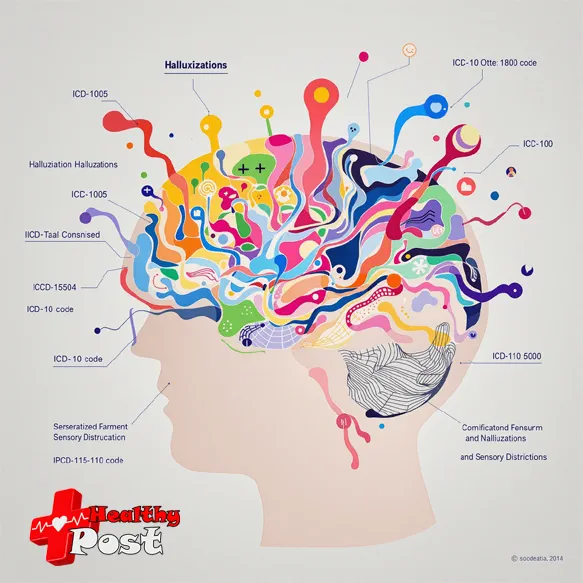
2. The Disturbing Reality of Auditory Hallucinations (ICD-10-CM Code R44.0)
Auditory hallucinations, classified under ICD-10-CM Code R44.0, represent one of the most challenging experiences in mental health. These phantom sounds range from whispers to commanding voices, creating significant distress for affected individuals.
The ICD-10 system recognizes distinct characteristics of auditory hallucinations:
- Simple Auditory Phenomena: Basic sounds like clicking, rushing, or ringing
- Complex Vocal Experiences: Multiple voices engaging in conversation
- Command Hallucinations: Voices giving direct instructions
- Running Commentary: Voices narrating the person’s actions
Research indicates 70% of individuals with schizophrenia experience auditory hallucinations. These experiences can persist for hours, disrupting daily activities and social interactions.
The relationship between substance use disorders and auditory hallucinations presents a complex clinical picture. Different substances trigger varied hallucinatory experiences:
- Alcohol: Withdrawal can trigger auditory hallucinations in 25% of cases
- Stimulants: Prolonged use may cause voice-like sounds
- Hallucinogens: Can induce temporary auditory distortions
- Prescription Medications: Some may cause hallucinations as side effects
Healthcare providers face unique challenges when coding auditory hallucinations under Hallucinations icd 10. As noted by the American Psychiatric Association, “Differential diagnosis becomes crucial as similar symptoms may arise from various conditions, requiring careful documentation and specific coding practices.”
The ICD-10-CM Code R44.0 helps clinicians:
- Track treatment effectiveness
- Monitor symptom progression
- Guide insurance reimbursement
- Facilitate research studies
- Enable accurate communication between healthcare providers
Understanding the source of auditory hallucinations shapes treatment approaches. For example, cases induced by substance use disorders may require different interventions than those stemming from psychiatric conditions. This is a critical aspect that healthcare providers must consider when forming a comprehensive treatment plan, especially since the interplay between substance use and mental health can significantly influence the patient’s overall well-being.
3. Hallucinations in Parkinson’s Disease Psychosis: A Double Burden for Patients
Parkinson’s Disease Psychosis creates a devastating combination of motor and psychological symptoms. Up to 75% of patients experience hallucinations during their disease progression, marking a significant turning point in their condition.
Understanding Hallucinations in Parkinson’s Disease Psychosis
These hallucinations manifest in distinct patterns:
- Visual Disturbances: Patients report seeing people, animals, or objects that aren’t present
- Presence Hallucinations: A sensation that someone is nearby or behind them
- Passage Hallucinations: Brief visions of people or animals passing in their peripheral vision
- Illusions: Misinterpretation of real objects, like seeing faces in patterns
The Impact on Daily Life
The impact on daily life becomes increasingly severe as the condition progresses. Simple tasks turn into complex challenges:
- Getting dressed becomes difficult when hallucinations interfere with perception
- Preparing meals becomes dangerous due to visual misinterpretations
- Social interactions decrease as patients struggle to distinguish reality
- Sleep patterns suffer from frequent nighttime hallucinations
The Psychological Toll
The psychological toll creates additional challenges:
“Living with PD psychosis feels like being trapped between two worlds – the real one and the one my mind creates. I never know which version of reality to trust.” – Anonymous Patient
Family caregivers report significant stress levels:
- 24/7 supervision requirements
- Increased safety concerns
- Emotional exhaustion
- Financial strain from additional care needs
The Neurological Changes Behind Hallucinations
The progression of hallucinations in PD psychosis often signals deeper neurological changes. Brain chemical imbalances affect both motor control and perception systems, creating a complex web of symptoms that requires specialized medical attention.
These hallucinations differ from those seen in other conditions, as they often occur with preserved insight – patients initially recognize their experiences aren’t real. This awareness gradually diminishes as the disease advances.
The Risk of Nursing Home Placement
Research shows that PD psychosis patients with hallucinations face a 3x higher risk of nursing home placement compared to those without psychotic symptoms.
4. NUPLAZID®: A Beacon of Hope for Treating Hallucinations in PD Psychosis Patients
NUPLAZID® (pimavanserin) is the first FDA-approved treatment specifically designed for hallucinations and delusions associated with Parkinson’s disease psychosis.
This groundbreaking medication works through a unique mechanism of action:
- Selective 5-HT2A Receptor Inverse Agonist: NUPLAZID® targets specific serotonin receptors in the brain
- Minimal Impact on Motor Function: Unlike traditional antipsychotics, it doesn’t interfere with dopamine receptors
- Preserved Cognitive Function: The medication maintains essential cognitive processes
Clinical trials have shown significant improvements in patients taking NUPLAZID®:
- Reduction in Hallucination Frequency: 65% of patients reported fewer hallucinations
- Decreased Delusion Intensity: Notable decline in false beliefs and paranoid thoughts
- Improved Sleep Patterns: Better rest cycles and reduced nighttime disturbances
Potential Side Effects:
- Swelling in legs or arms
- Nausea
- Confused state
- Changes in normal walking
- Constipation
The recommended dosage follows a structured protocol:
Initial dose: 34mg taken once daily
Maintenance dose: Adjusted based on individual patient response
Safety Considerations:
- Regular monitoring required during treatment
- Potential drug interactions with certain medications
- QT interval prolongation risk in some patients
The success rate of NUPLAZID® has transformed the treatment landscape for PD psychosis patients, leading to a substantial 71% reduction in caregiver burden, improved quality of life scores, enhanced social interactions, and better daily function maintenance.
Healthcare providers must conduct thorough assessments before prescribing NUPLAZID®, including:
- Complete medical history review
- Cardiovascular health evaluation
- Current medication analysis
- Regular follow-up appointments
5. Understanding Hallucinations in ICD-10: A Clinical Perspective
Diagnosing hallucinations can be tricky for healthcare providers due to the specific requirements of the ICD-10 coding system. Each type of hallucination has its own set of rules for documentation:
Types of Hallucinations and Their ICD-10 Codes
- Visual Hallucinations (R44.1): Patients report seeing objects or people that aren’t present
- Tactile Hallucinations (R44.2): Sensations of touch or movement on the skin without physical stimuli
- Gustatory Hallucinations (R44.8): False taste perceptions without actual substances
- Olfactory Hallucinations (R44.8): Perception of non-existent odors
Key Considerations for Healthcare Providers
When diagnosing hallucinations, healthcare providers need to keep several factors in mind:
- Primary vs. Secondary Hallucinations: Are the hallucinations caused by a mental health condition or is there a medical issue at play, such as a neurological disorder?
- Temporal Patterns: How often do the episodes occur? How long do they last? Are there specific times or triggers associated with them?
- Associated Symptoms: Are there any changes in behavior happening at the same time as the hallucinations? Is there any impact on cognitive function?
The Importance of Detailed Documentation
Accurate coding relies on thorough documentation of the type, frequency, and impact of hallucinations on daily life. This is where clinical assessment tools come into play:
- Structured Clinical Interviews
- Symptom Rating Scales
- Cognitive Assessment Tests
- Neurological Examinations
These tools help ensure that healthcare providers have a consistent and objective way to evaluate patients.
Cultural Factors in Diagnosis
It’s also important for medical professionals to consider cultural factors when diagnosing hallucinations. Different cultures may have their own beliefs and interpretations about these experiences, which can affect how they are described and understood.
By taking all these factors into account, healthcare providers can improve their diagnostic accuracy and provide better care for patients experiencing hallucinations.
6. The Management Maze: Navigating Treatment Options for Hallucination Disorders
Managing hallucination disorders requires a multi-faceted approach tailored to each patient’s specific needs and symptoms. The treatment landscape encompasses both medication-based and non-medication interventions.
Pharmacological Treatments:
- Antipsychotic medications
- Selective serotonin reuptake inhibitors (SSRIs)
- Mood stabilizers
- Specialized medications for specific conditions
Non-Pharmacological Interventions:
- Cognitive Behavioral Therapy (CBT)
- Reality testing techniques
- Mindfulness practices
- Support group participation
The effectiveness of treatment often depends on identifying the underlying cause of hallucinations. Different conditions require distinct therapeutic approaches:
Schizophrenia-Related Hallucinations
- Second-generation antipsychotics
- Social skills training
- Family psychoeducation
Substance-Induced Hallucinations
- Detoxification programs
- Addiction counseling
- Relapse prevention strategies
Neurological Condition-Related Hallucinations
- Disease-specific medications
- Environmental modifications
- Safety protocols
Recent research supports integrating complementary therapies:
- Art therapy
- Music therapy
- Occupational therapy
- Virtual reality exposure therapy
Healthcare providers must monitor treatment progress through:
- Regular assessment of symptom severity
- Evaluation of medication side effects
- Quality of life measurements
- Functional capacity assessments
The success of hallucination management often relies on combining multiple treatment modalities. Patient engagement, family support, and consistent medical supervision create the foundation for effective symptom control.
7. Beyond the Codes: Addressing Stigma and Misunderstandings Surrounding Hallucinations
The stigma surrounding hallucinations creates significant barriers for individuals seeking help and support. Many people experiencing hallucinations face social isolation, discrimination, and judgment from their communities.
Common Misconceptions about Hallucinations
Some common misconceptions about hallucinations include:
- The belief that people experiencing hallucinations are “crazy” or dangerous
- Assumptions that hallucinations always indicate severe mental illness
- The idea that hallucinations are a choice or can be controlled at will
- Misconceptions that hallucinations only affect certain demographics
These stigmas can lead to devastating consequences:
- Delayed Treatment: People often hesitate to seek medical help due to fear of judgment
- Social Withdrawal: Many individuals isolate themselves to avoid negative reactions
- Employment Discrimination: Workers may face unfair treatment when their condition becomes known
- Family Strain: Relationships can suffer due to misunderstandings about hallucinations
The Role of Education in Dismantling Stereotypes
Education plays a vital role in dismantling these harmful stereotypes. Healthcare providers must work to spread accurate information about hallucinations:
- Hallucinations can affect anyone, regardless of background or lifestyle
- Many medical conditions, not just mental health issues, can cause hallucinations
- With proper treatment, many people who experience hallucinations lead fulfilling lives
- Support from family and community significantly improves treatment outcomes
Public Awareness Campaigns and Support Groups
Public awareness campaigns highlighting personal stories help humanize the experience of hallucinations. These narratives challenge stereotypes and encourage empathy among community members.
Support groups provide safe spaces for individuals to share experiences without judgment. These communities foster understanding and create valuable networks for both patients and families.
Cultural Competency in Healthcare
Healthcare professionals must prioritize cultural competency in their approach to treating hallucinations. Different cultures view and interpret hallucinations differently, requiring tailored educational strategies. For instance, some cultures might perceive certain types of hallucinations as spiritual experiences, which could influence how individuals respond to them and seek help.
Conclusion
The journey through these 7 Alarming Facts About Hallucinations ICD 10 reveals critical insights for healthcare providers and patients alike. Understanding hallucinations extends far beyond medical coding – it touches lives, shapes treatment paths, and influences recovery outcomes.
Proper diagnosis through ICD-10 codes serves as a vital first step in addressing hallucination disorders. These standardized codes enable:
- Accurate documentation of patient experiences
- Appropriate treatment selection
- Effective communication between healthcare providers
- Better insurance coverage outcomes
- Enhanced research capabilities
The medical community continues to advance its understanding of hallucination disorders through targeted treatments like NUPLAZID® and comprehensive therapeutic approaches. These developments bring hope to individuals struggling with conditions such as Parkinson’s Disease Psychosis.
The path forward requires:
- Increased public awareness
- Reduced stigma through education
- Enhanced diagnostic precision
- Improved treatment accessibility
- Stronger support systems for affected individuals
Each person experiencing hallucinations deserves understanding, proper medical care, and dignity in their treatment journey. By combining accurate diagnosis through ICD-10 codes with compassionate care, we create better outcomes for those affected by hallucination disorders.
FAQs (Frequently Asked Questions)
What are hallucinations and why is accurate ICD-10 coding important?
Hallucinations are sensory perceptions without external stimuli that significantly impact individuals’ lives. Accurate coding in the ICD-10 system is crucial for proper diagnosis, treatment planning, and ensuring effective healthcare delivery.
What does ICD-10-CM code R44.3 represent and what challenges does it present?
ICD-10-CM code R44.3 denotes unspecified hallucinations. This vague classification poses challenges for healthcare providers in diagnosing and effectively managing patients due to the lack of specificity in symptoms and causes.
How are auditory hallucinations classified under ICD-10 and what is their association with substance use disorders?
Auditory hallucinations are specifically categorized under ICD-10-CM code R44.0. They represent a distinct type of hallucination often linked to substance use disorders, requiring targeted assessment and intervention strategies.
What role do hallucinations play in Parkinson’s Disease Psychosis, and how do they affect patients?
In Parkinson’s Disease Psychosis, hallucinations contribute to a double burden by exacerbating symptoms and impairing daily functioning. They significantly reduce quality of life, necessitating specialized treatment approaches.
How does NUPLAZID® help treat hallucinations in Parkinson’s Disease Psychosis patients?
NUPLAZID® (pimavanserin) is a targeted medication approved for treating hallucinations and delusions in Parkinson’s Disease Psychosis. It works by modulating serotonin receptors, demonstrating efficacy while minimizing common side effects associated with antipsychotics.
What are the main challenges in diagnosing and managing hallucination disorders under the ICD-10 system?
Diagnosing hallucination disorders using ICD-10 codes involves complexities due to symptom overlap and varying presentations. Management requires navigating diverse treatment options, including pharmacological therapies like NUPLAZID® and non-pharmacological interventions, alongside addressing societal stigma and misunderstandings.

1 Comment
Pingback: Bra Health Risks: Why Taking Off Your Bra May Be Safer