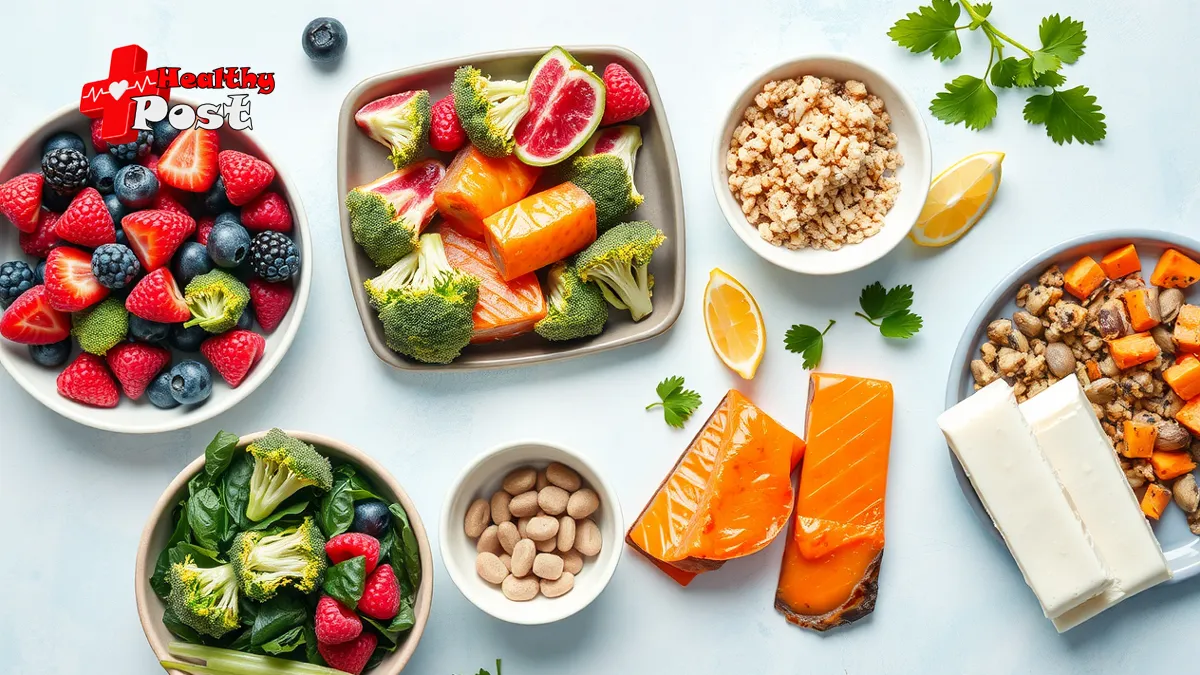
If you’ve ever stood in the freezer aisle wondering which options are actually good for you, you’re not alone. The love-hate relationship we have with frozen foods is real: convenient, yes—healthy… sometimes. The great news? There are genuinely healthy frozen foods that are nutritious, budget-friendly, and delicious enough to rival even the “best frozen foods” you see trending online. In this guide, we’ll walk through seven proven winners, the real benefits of keeping them on hand, and smart ways to enjoy them without guilt or guesswork.
Our focus is on simple swaps and realistic habits, not extremes. Whether you’re meal prepping, feeding kids, or trying to hit your health goals without spending hours in the kitchen, these healthy frozen foods can make your life easier and tastier.
Why Frozen Can Be A Smart Choice (And Not Just a Compromise)
Frozen isn’t a downgrade. In many cases, it’s an upgrade. Produce is often frozen at peak ripeness, locking in vitamins and minerals. Seafood can be fresher frozen than “fresh” options that have traveled for days. And you can control portions more easily, which helps with budget and nutrition.
If you’ve been burned by bland or overly processed frozen meals, this article will help you pivot. We’ll focus on real-food options, how to spot quality, and how to combine frozen staples into satisfying, homemade meals you’ll look forward to.
The 7 Proven Healthy Frozen Foods
Below are seven freezer MVPs that deliver on taste, convenience, and nutrition. They’re the backbone of a freezer that works for your body and your budget—no fancy chef skills required.
1) Frozen Berries (Blueberries, Strawberries, Mixed Berries)
- Why they’re great:
- Picked at peak ripeness and flash-frozen to preserve antioxidants like vitamin C and anthocyanins.
- Affordable year-round and never spoil in the back of your fridge.
- Pre-washed and recipe-ready.
- How to use:
- Blend into smoothies with Greek yogurt and spinach.
- Stir into oatmeal or overnight oats.
- Simmer with a splash of water and a touch of honey for a 5-minute berry compote over pancakes or yogurt.
- Real-life example:
- Busy mornings? Throw 1 cup frozen blueberries, 1 banana, 1/2 cup Greek yogurt, and 1 cup almond milk into a blender. Breakfast in 90 seconds—no chopping, no washing.
- What to look for on the label:
- Ingredients list should say: “Blueberries.” That’s it. No added sugar, syrups, or preservatives.
2) Frozen Vegetables (Broccoli, Cauliflower, Peas, Mixed Veggies)
- Why they’re great:
- Flash-frozen at harvest to lock in nutrients.
- Pre-chopped means less prep and fewer dishes.
- Budget-friendly and cut food waste.
- How to use:
- Steam or sauté with olive oil, garlic, and a pinch of salt—done in 6–8 minutes.
- Toss into stir-fries, soups, and casseroles.
- Roast straight from frozen at 425°F (220°C) for 20–25 minutes with olive oil and spices for crispy edges.
- Real-life example:
- Weeknight stir-fry: Sauté frozen broccoli and carrots with frozen edamame, add a simple sauce (soy sauce, garlic, ginger, and a dash of honey), and serve over microwaveable brown rice.
- What to look for:
- Ingredient list should just be the veggie. Avoid added sauces, butter, or sodium-heavy seasonings unless you control the portion.
3) Frozen Wild Fish (Salmon, Cod, Mahi-Mahi)
- Why they’re great:
- Excellent source of protein and omega-3s for heart and brain health.
- Frozen often means fresher taste, because it’s preserved soon after catch.
- Cooks from frozen in under 20 minutes.
- How to use:
- Bake salmon from frozen: 425°F (220°C) for 20–25 minutes. Brush with olive oil, lemon, salt, pepper; optional paprika.
- Pan-sear cod with a quick spice rub and finish with a squeeze of lemon.
- Real-life example:
- “Sheet pan dinner”: Frozen salmon fillets + frozen green beans + cherry tomatoes (fresh or frozen). Drizzle with olive oil, sprinkle with garlic powder and salt. Roast 20–25 minutes. Dinner, done.
- What to look for:
- “Wild-caught,” minimal processing, and sustainably sourced logos (e.g., MSC).
4) Frozen Whole-Grain Bases (Brown Rice, Quinoa, Farro)
- Why they’re great:
- Ready in minutes; no 45-minute stovetop wait.
- High in fiber to keep you full and support blood sugar control.
- Perfect for balanced bowls and meal prep.
- How to use:
- Microwaveable brown rice packs and frozen quinoa are ideal for quick grain bowls.
- Combine with frozen veggies and a protein, add your favorite sauce, and you’ve got a 10-minute meal.
- Real-life example:
- “Power bowl”: Quinoa + roasted frozen broccoli + leftover chicken + a dollop of hummus + squeeze of lemon + red pepper flakes.
- What to look for:
- Ingredients: just the grain and water. Avoid added oils or sodium.
5) Frozen Edamame (Shelled or in Pods)
- Why they’re great:
- Plant-based protein and fiber in one, plus iron and folate.
- Neutral taste pairs well with many cuisines.
- Great snack alternative to chips.
- How to use:
- Steam, sprinkle with sea salt and sesame seeds, and eat straight from the pod.
- Add shelled edamame to salads, pastas, fried rice, or soups.
- Real-life example:
- 5-minute lunch: Microwave frozen edamame and toss with a drizzle of soy sauce and a squeeze of lime. Pair with a piece of fruit and a yogurt for a balanced plate.
- What to look for:
- “Edamame” only. Avoid sauces with added sugar or sodium.
6) Frozen Greek Yogurt Bars or Plain Frozen Yogurt
- Why they’re great:
- Satisfies sweet cravings with protein and calcium.
- Lower in fat and calories than many ice creams.
- Portion-controlled bars help with mindful indulgence.
- How to use:
- Greek yogurt bars as a post-dinner treat.
- Plain frozen yogurt as a base for fruit, nuts, and a drizzle of honey.
- Real-life example:
- Dessert swap: A 100–150 calorie Greek yogurt bar after dinner hits the spot without derailing your day.
- What to look for:
- Look for options lower in added sugar (aim for <10–12g per serving) and at least 5–8g protein per bar if possible.
7) Frozen Veggie-Forward Meals (Minimal Ingredients, High Veggie Content)
- Why they’re great:
- On days you truly can’t cook, these save you from takeout.
- Can be surprisingly balanced if you choose well.
- Many brands now offer bowls featuring vegetables, legumes, whole grains, and lean proteins.
- How to use:
- Pair with a side salad, steamed frozen veggies, or an egg to boost protein and fiber.
- Add your own sauce (tahini, salsa, pesto) to upgrade flavor without extra sodium.
- Real-life example:
- A frozen “harvest grain bowl” with quinoa, sweet potato, and kale + fried egg on top + salsa = satisfying, 10-minute dinner.
- What to look for:
- 20g+ protein if it’s your main meal, <600mg sodium per serving if possible, >6g fiber, and an ingredient list you can pronounce.
5 Clear, Real-World Benefits of Choosing Healthy Frozen Foods
These benefits aren’t just theory—they show up in your everyday routines. Here’s what makes healthy frozen foods a habit worth keeping.
Benefit 1: Consistent Nutrition Without the Guesswork
- Frozen produce is often just as nutritious as fresh, sometimes more—because it’s frozen at peak ripeness.
- Frozen fish and veggies retain texture and nutrients when cooked properly.
- You get predictable quality and portion control, which helps maintain a balanced diet over time.
Real-life scenario:
- You want a smoothie with berries… but the fresh ones molded. With frozen, you always have berries ready to go—less guilt, more consistency.
Benefit 2: Time Savings That Reduce Stress
- Pre-washed, pre-chopped ingredients cut weekday cook time dramatically.
- A full dinner in 15 minutes or less becomes normal, not special.
- You can batch-cook without spending your entire Sunday in the kitchen.
Real-life scenario:
- You’re home late. Toss frozen salmon and broccoli on a sheet pan, microwave frozen brown rice, and eat within 25 minutes—with minimal cleanup.
Benefit 3: Budget-Friendly and Less Food Waste
- Buy in bulk on sale; use only what you need.
- Frozen foods don’t spoil as quickly, so you throw away less.
- Stretch your grocery dollars with freezer staples that stay fresh for months.
Real-life scenario:
- Instead of tossing wilted spinach every week, keep frozen spinach cubes on hand for omelets, soups, and smoothies.
Benefit 4: Built-In Portion Control and Flexibility
- Cook exactly what you need—no pressure to use up a massive head of broccoli tonight.
- Easier to hit macro targets: choose portions of protein, carbs, and fats that suit your goals.
- Great for singles, couples, and families with different appetites.
Real-life scenario:
- Kid wants pasta; you want a lighter bowl. Boil pasta for them, microwave frozen quinoa for you, and add the same veggie-packed sauce to both.
Benefit 5: Easier Healthy Habits, Fewer “All-or-Nothing” Days
- Healthy frozen foods reduce the “I have nothing healthy at home” problem.
- Supports your goals on busy, tired, or chaotic days.
- Reduces reliance on takeout without adding decision fatigue.
Real-life scenario:
- You didn’t meal prep. A balanced frozen bowl + extra veggies + a yogurt bar for dessert still keeps you on track.
Quick-Reference: Comparing Popular Healthy Frozen Options
Here’s a simple visual aid to help you compare at a glance. Values are typical ranges—always check your label.
| Category | What It Usually Contains | Typical Nutrition Per Serving | Best Uses | What to Watch |
|---|---|---|---|---|
| Frozen Berries | 1 ingredient (berries) | ~60–90 kcal; high vitamin C | Smoothies, oatmeal, sauces, desserts | Added sugars |
| Frozen Vegetables | 1 ingredient (veggies) | ~25–80 kcal; fiber, vitamins | Sides, stir-fries, roasting, soups | Sauces/sodium |
| Frozen Wild Fish | Fillets (salmon, cod, etc.) | ~120–220 kcal; protein, omega-3 | Sheet-pan dinners, pan-sear, grill | Breaded coatings |
| Frozen Whole Grains | Brown rice, quinoa, farro | ~150–220 kcal; fiber | Bowls, sides, meal prep | Added oils/salt |
| Frozen Edamame | Soybeans (shelled or in pods) | ~120–190 kcal; protein + fiber | Snacks, salads, stir-fries | Sauces with sugar |
| Frozen Greek Yogurt Bars | Yogurt + fruit/sweetener | ~100–180 kcal; protein varies | Dessert swaps, snacks | High sugar content |
| Veggie-Forward Frozen Meals | Veg + whole grains + protein | ~300–450 kcal; balanced macros | 10-minute meals, backup dinners | Sodium >600mg |
Tip: Even among the best frozen foods, the simplest ingredient lists usually win.
Smart Shopping Tips for Healthy Frozen Foods
Use these simple guidelines to turn the freezer aisle into your friend:
- Read the ingredient list first. Shorter is often better.
- Check sodium: aim for less than 300mg per side, <600mg per meal.
- Choose plain veggies and add your own seasonings or sauces at home.
- Pick wild-caught fish with sustainability certifications where possible.
- For frozen meals, check:
- Protein: aim for 20g+ for a full meal (10–15g for a light meal).
- Fiber: 6g+ is a good target; more if vegetarian.
- Added sugars: keep it minimal unless it’s a dessert.
- Stock “modular” items:
- Proteins: fish, edamame, shrimp, chicken breast strips.
- Veggies: broccoli, cauliflower rice, mixed peppers, spinach.
- Carbs: brown rice, quinoa, whole-grain blends.
- Flavor boosts: frozen herbs, garlic cubes, chili cubes.
10-Minute Meal Ideas Using Healthy Frozen Foods
No chef skills required—just mix and heat.
- Lemon-Garlic Salmon Bowl
- Frozen salmon + frozen broccoli + frozen brown rice.
- Sauce: olive oil, lemon juice, garlic powder, pinch of salt.
- Optional: sprinkle feta or toasted almonds.
- Veggie Fried Rice Upgrade
- Frozen mixed veggies + frozen edamame + leftover rice or frozen brown rice.
- Scramble in 1–2 eggs, finish with soy sauce and sesame oil.
- Creamy Berry Breakfast Bowl
- Frozen mixed berries + Greek yogurt + chia seeds + granola sprinkle.
- Optional: drizzle of honey or maple (keep light).
- 3-Bean Veggie Chili (Freezer-Friendly)
- Use frozen peppers/onions medley, frozen corn, canned beans, canned tomatoes, chili spices.
- Simmer 20 minutes; freezes beautifully into single portions.
- Pesto Quinoa and Veg Mix
- Frozen quinoa + frozen green beans + frozen peas + store-bought pesto.
- Top with shaved Parmesan and black pepper.
- Protein-Packed Pasta Add-In
- Boil whole-grain pasta; add frozen spinach and frozen shrimp in the last 3–4 minutes.
- Toss with olive oil, garlic, lemon zest, and red pepper flakes.
- Sweet Treat without the Crash
- Greek yogurt bar + a cup of herbal tea for a mindful dessert routine.
How to Prevent Soggy or Bland Results
A few technique tweaks turn good frozen ingredients into great meals:
- Don’t overcrowd the pan when roasting—give veggies space to brown.
- For crispier roasted veggies from frozen:
- Preheat your pan in the oven.
- Toss veggies with oil and spices, then spread in a single layer.
- Pat fish dry after thawing (if you thaw) to get a better sear.
- Add acidity at the end: lemon juice, vinegar, or a splash of hot sauce brightens flavors.
- Finish with texture: toasted nuts, seeds, or crunchy veggies.
Are Frozen Meals Ever a Good Idea?
Yes—if you pick wisely and treat them as a base, not the entire meal.
- Add a side: steamed broccoli, side salad, or a cup of soup.
- Add protein: a fried egg, edamame, or leftover chicken.
- Add color: top with salsa, kimchi, or herbs for freshness.
This keeps things balanced and satisfying while staying within calorie and sodium goals.
Frequently Asked Questions About Healthy Frozen Foods
Are frozen vegetables as nutritious as fresh?
- Often, yes. They’re frozen at peak ripeness, which helps lock in nutrients. Fresh can be great too, but nutrient loss can happen during transport and storage.
Is frozen fish healthy?
- Definitely. Look for wild-caught options without breading or heavy sauces. It’s a clean, lean protein with omega-3s.
What about sodium in frozen foods?
- Plain frozen produce and proteins are usually low in sodium. It’s the sauces and prepared meals where sodium adds up. Read labels and choose wisely.
Do frozen foods contain preservatives?
- Most plain frozen items (berries, veggies, fish) don’t need preservatives—freezing itself is the preservation method. Always check the ingredient list.
Do I have to thaw before cooking?
- Not always. Many items can be cooked from frozen—just follow package directions. For better searing or even cooking, thaw in the fridge when time allows.
A Simple 7-Day “Freezer-First” Meal Framework
Use this plug-and-play plan with your favorite healthy frozen foods. Mix and match based on what you like.
- Breakfasts:
- Berry Greek yogurt parfait
- Veggie omelet with frozen spinach
- Oatmeal topped with frozen berries and nuts
- Lunches:
- Quinoa bowl with roasted frozen veggies + edamame
- Whole-grain toast with avocado + side of frozen mixed veggies (sautéed)
- Leftover sheet-pan salmon over greens
- Dinners:
- Salmon + broccoli + brown rice
- Veggie-forward frozen meal + fried egg + side salad
- Shrimp and veggie stir-fry over cauliflower rice
- Whole-grain pasta with spinach and peas, olive oil, and lemon
- Homemade veggie chili from freezer stash
- Smart snacks and desserts:
- Edamame with sea salt and lime
- Frozen grapes or a Greek yogurt bar
- Smoothie with frozen berries and protein powder
How to Organize Your Freezer So You’ll Actually Use It
- Use clear, labeled bins by category: Proteins, Veggies, Fruits, Grains, Meals.
- Keep a small whiteboard on the freezer door listing what’s inside.
- First-in, first-out: put newer purchases in the back.
- Freeze leftovers flat in zip-top bags to save space and speed thawing.
- Keep herbs and flavor “pucks” (garlic, ginger, cilantro) for instant upgrades.