


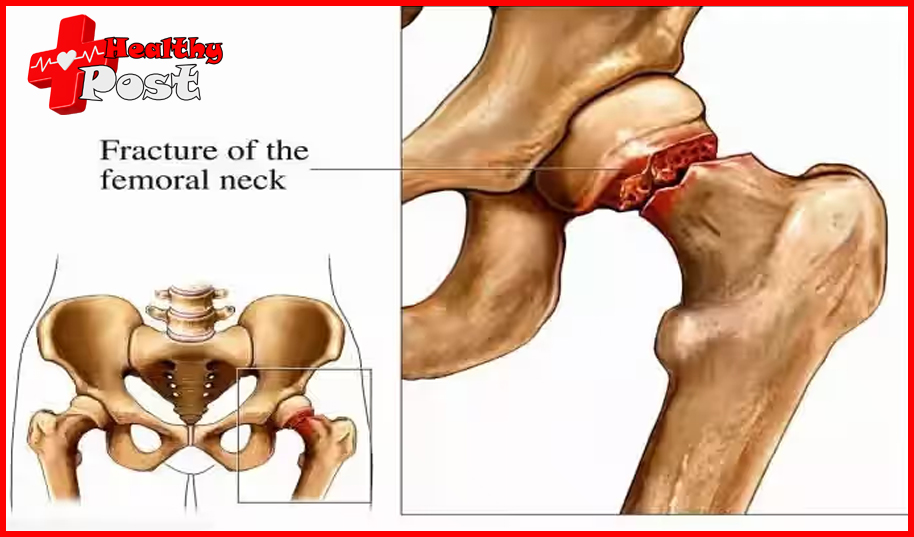
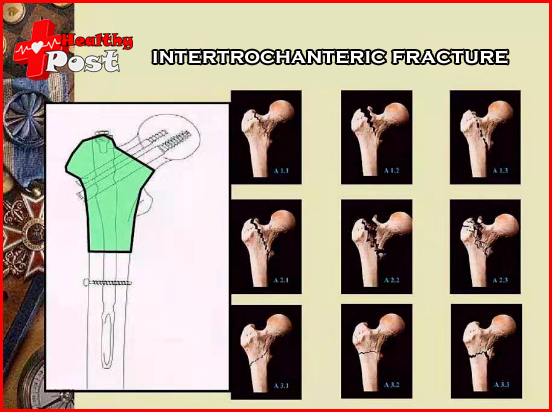
The shape of the femur is like a “cane”. The round and smooth “head” of the femur and the slightly thinner “neck” of the femur together form the handle of the cane. The femoral shaft is below the neck. The starting part of the femoral shaft bulges inward and outward. The outer side is larger, called the greater trochanter, and is located higher; the inner side is smaller, called the lesser trochanter, and is located lower. The so-called intertrochanteric fracture refers to the fracture between the base of the femoral neck and the lesser trochanter. Intertrochanteric fractures are more common in the elderly.
After the injury and fracture, there is obvious local pain and swelling, and subcutaneous ecchymosis can be seen. The distal fracture segment is pulled by the muscles and rotated outward. The patient cannot stand or walk on the ground. X-rays can confirm the diagnosis. Fortunately, due to the sufficient blood supply to the trochanteric part, it is easier to heal and rarely has nonunion. However, it cannot be ruled out that nonunion will not occur. However, if it is not handled properly, it is easy to heal abnormally and form coxa vara .
Treatment
The treatment principle of intertrochanteric fracture is reduction and fixation. Early surgery uses strong internal fixation, and the patient can get out of bed and move around to avoid serious complications caused by long-term bed rest. The older the patient is and the more he cannot tolerate long-term bed rest, the more surgery is needed. Non-surgical treatment is mainly traction therapy , which is most suitable for patients with non-displaced stable fractures or combined with other diseases, weak constitution and inability to tolerate surgery. No matter what treatment method is adopted, the patient will always have to stay in bed for a period of time, whether long or short. Long-term bed rest can cause complications such as bedsores , urinary stones, cerebral thrombosis, aspiration pneumonia , etc., which seriously affect the health of the elderly and even threaten their lives. Therefore, life care and nursing are particularly important.
During traction, it is best for the patient to sleep on a special traction bed, whose bed board can be adjust and equipped with pulleys and levers for easy operation and adjustment. For general rest, a hard bed or a taut brown bed with a medium-thick mat should be use. The injured limb should be properly elevate to promote blood return and reduce swelling. During traction, be careful to prevent hip adduction or foot rotation. X-rays should be perform frequently to understand the alignment and prevent insufficient traction weight or excessive traction. Generally, the joint can be move after 8 weeks of traction, and the fracture can be heal and firmly healed after 3 months before walking with crutches.
Prevent the protruding bones
Turn over frequently to prevent the protruding bones from becoming red and eroded due to long-term pressure, which may lead to bedsores. If necessary, place air cushions or cotton rings on the sacrum, heels, etc. If the injury permits and does not affect the traction or fixation of the injured limb, try to move the unfixed parts of the body. The amount and method of exercise should be in accordance with the doctor’s instructions.
Patients may have their appetite affected in the short term after injury or surgery, especially in elderly patients, those with weak constitution or poor psychological endurance. Therefore, the diet should focus on color, aroma and taste to stimulate appetite. In order to strengthen overall nutrition, you can eat more vegetables rich in vitamin C, such as peppers, tomatoes, amaranth, greens, cabbage, radish, etc., to promote the growth of fibrous callus and wound healing.
Precautions
Patients should learn to use a toilet bowl to defecate in bed. In the early stage of fracture, due to the stagnation of Qi and the inability to move, constipation is common. It is advisable to eat more vegetables, bananas, honey and other foods that promote defecation. If necessary, take laxatives such as Ma Ren Wan, liquid paraffin or senna leaves. Long-term bed rest is prone to urinary tract infection and urinary tract stones. Drink more water to promote diuresis. To prevent aspiration pneumonia, you should practice deep breathing and coughing. When you can’t cough up phlegm, you can pat your back to help.
When you are in bed, in addition to washing your face and brushing your teeth every day, you should also wash your hair regularly to keep your body clean and comfortable. If it is inconvenient to take a bath, you can use a sponge bath instead. Shirts and pants should be change frequently to keep the skin clean. It is inconvenient to wear pants on the injured limb, and the blood supply to the toes is poor. In cold seasons, cotton foot covers can be sew for protection.
2 Comments
Pingback: Arrowhead Orthopedics California: Expert Care & Advanced Tech
Pingback: What Are the 5 Stages of Fracture Healing? A Recovery Guide