


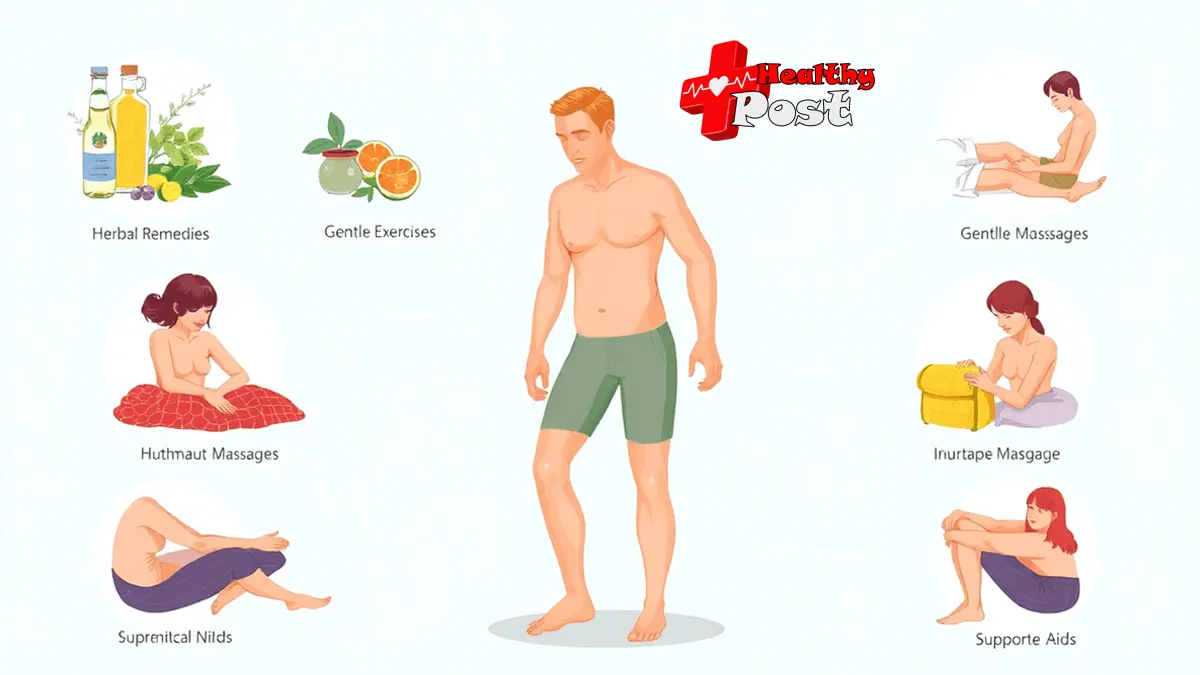
Living with lameness can turn simple daily activities into challenging tasks. This condition affects millions worldwide, impacting their ability to walk, work, and enjoy life to the fullest.
Lameness in humans manifests through various symptoms:
- Difficulty maintaining balance
- Uneven walking patterns
- Pain during movement
- Reduced mobility
- Muscle weakness
- Joint stiffness
These symptoms can stem from multiple causes, ranging from injuries and arthritis to neurological conditions. The impact extends beyond physical limitations – it often affects mental well-being and social interactions.
Natural treatment for lameness offers hope for many seeking relief without heavy reliance on medications. These approaches focus on strengthening the body’s healing capabilities while addressing the root causes of mobility issues.
This guide reveals 7 powerful natural strategies to help manage lameness effectively. Each method has been chosen for its potential to improve mobility, reduce pain, and enhance quality of life.
Ready to discover these natural solutions? Let’s explore practical, science-backed methods that could help you or your loved ones regain confidence in movement and daily activities.
Learn more about the prevalence of lameness in different age groups
1. Exercise and Physical Therapy
Regular exercise is a powerful tool for treating lameness naturally. It strengthens muscles, improves flexibility, and enhances joint function – all essential for reducing limping patterns.
Key Benefits of Exercise for Joint Health:
- Increased blood flow to affected areas
- Enhanced muscle strength around joints
- Better balance and coordination
- Reduced stiffness and pain
- Improved range of motion
Recommended Exercises for Lameness:
Water-Based Activities
- Swimming
- Water aerobics
- Pool walking
Low-Impact Exercises
- Stationary cycling
- Elliptical training
- Gentle yoga
Strength Training
- Resistance band exercises
- Light weightlifting
- Body weight exercises
Physical Therapy Techniques:
Joint Mobilization
- Gentle manual therapy
- Passive range of motion exercises
- Active assisted movements
Balance Training
- Single-leg stands
- Heel-to-toe walking
- Balance board exercises
Gait Training
- Walking pattern correction
- Step-up exercises
- Proper posture education
A structured exercise program should start slowly. Begin with 10-15 minutes daily, gradually increasing duration and intensity based on comfort level.
Physical therapists create personalized exercise plans tailored to specific conditions. These professionals assess movement patterns, identify weaknesses, and guide proper form during exercises.
Regular exercise sessions 3-4 times per week show significant improvements in mobility. Consistency proves more beneficial than intense, sporadic workouts.
Remember to warm up before exercising. A 5-minute walk or gentle stretching prepares joints and muscles for activity.
Listen to your body during exercise. Stop any movement that causes sharp pain or significant discomfort.
2. Weight Management
Your body weight plays a crucial role in managing lameness. Each pound of excess weight adds 4 pounds of pressure on your joints during walking activities. This extra stress can intensify joint pain and worsen existing mobility issues.
Understanding the Weight-Joint Connection
Picture your joints as shock absorbers. When carrying extra weight, these natural shock absorbers face constant strain. This ongoing pressure can:
- Speed up cartilage breakdown
- Increase inflammation in joint tissues
- Create muscle fatigue
- Alter your natural walking pattern
- Lead to chronic pain conditions
Smart Strategies for Weight Management
- Set Realistic Goals
- Aim for a 5-10% weight reduction initially
- Track progress weekly
- Celebrate small victories
- Dietary Modifications
- Replace processed foods with whole foods
- Control portion sizes using smaller plates
- Include protein-rich foods at every meal
- Stay hydrated with water instead of sugary drinks
- Lifestyle Changes
- Stand up every hour during sedentary activities
- Take short walks after meals
- Use a standing desk
- Park farther from entrances
Practical Weight Management Tips
- Keep a food diary to identify eating patterns
- Plan meals ahead to avoid impulsive food choices
- Practice mindful eating – chew slowly and savor each bite
- Get adequate sleep (7-9 hours) to regulate hunger hormones
- Find stress-management techniques that work for you
Research shows that losing just 10 pounds can reduce joint stress by 40 pounds during daily activities. This significant reduction helps improve mobility and decrease pain associated with lameness.
A balanced approach combining dietary changes with gentle movement creates sustainable weight management results. Your joints will respond positively to each pound lost, making movement progressively easier and less painful.
3. Hot and Cold Therapy
Heat and cold therapy are effective methods for managing joint pain and reducing lameness symptoms. This natural treatment approach brings quick relief through simple temperature applications.
Benefits of Heat Therapy
Heat therapy offers several benefits, including:
- Increased blood flow to affected areas
- Relaxation of tight muscles and stiff joints
- Reduction of muscle spasms
- Improvement in flexibility and range of motion
- Decrease in morning stiffness
Benefits of Cold Therapy
Cold therapy also has its own set of benefits, such as:
- Reduction of inflammation and swelling
- Numbing of pain signals
- Slowing down of nerve impulses
- Decrease in tissue damage
- Limitation of muscle spasms
Safe Application Guidelines
Here are some guidelines for safely applying heat and cold therapy:
Heat Application Guidelines
When using heat therapy, follow these guidelines:
- Use heating pads, warm towels, or hot water bottles as your heat source.
- Keep the temperature between 104-113°F (40-45°C) for optimal effectiveness.
- Apply heat for a duration of 15-20 minutes to allow sufficient time for relaxation.
- Never sleep with heating devices to avoid burns or overheating.
- Place a thin towel between the heat source and your skin to prevent direct contact.
Cold Application Guidelines
For cold therapy, adhere to these guidelines:
- Use ice packs, frozen vegetables, or cold compresses as your cold source.
- Maintain the temperature around 32-40°F (0-4°C) for effective cooling.
- Apply cold for a duration of 10-15 minutes to numb the area and reduce swelling.
- Allow your skin to return to its normal temperature between applications to prevent frostbite.
- Wrap ice packs in a thin cloth before applying them directly on your skin.
When to Use Each Therapy
Knowing when to use heat or cold therapy can greatly enhance their effectiveness:
When to Use Heat Therapy
Heat therapy works best for:
- Morning stiffness
- Chronic pain conditions
- Muscle tension
- Joint stiffness
When to Use Cold Therapy
Cold therapy is most effective for:
- Acute injuries
- Recent swelling
- Post-exercise inflammation
- Sharp, intense pain
Safety Tips
Keep these safety tips in mind while using hot and cold therapies:
- Check your skin regularly during application to ensure there are no adverse reactions.
- Stop the treatment if your skin becomes too red or irritated.
- Avoid direct ice-to-skin contact to prevent frostbite.
- If you have circulation problems, consult your healthcare provider before using these therapies.
- Never apply heat to fresh injuries as it may worsen inflammation
4. Joint Supports and Assistive Devices
The right support devices can transform daily mobility for individuals experiencing lameness. These specialized tools distribute weight properly and provide essential stability during movement.
Braces and Supports
- Knee braces stabilize weak joints and reduce pain during walking
- Ankle supports prevent rolling and maintain proper alignment
- Hip braces assist with weight distribution and balance
- Back braces improve posture and reduce strain on lower limbs
Custom Orthotic Shoes
- Deep heel cups absorb shock
- Arch support prevents foot fatigue
- Wide toe boxes reduce pressure points
- Special cushioning minimizes joint impact
Walking Aids
- Canes help redistribute weight from affected limbs
- Walkers provide maximum stability for severe cases
- Crutches offer temporary support during recovery
- Rolling walkers combine stability with easier movement
Smart Technology Devices
- Pressure-sensing insoles track gait patterns
- GPS-enabled mobility aids prevent wandering
- Fall detection systems alert caregivers
- Smart braces adjust support levels automatically
Choosing the Right Device
- Consider your specific mobility needs
- Consult a healthcare provider for proper fitting
- Start with less restrictive options first
- Ensure proper maintenance of devices
Daily Living Aids
- Grab bars in bathrooms enhance safety
- Raised toilet seats reduce joint strain
- Reaching tools prevent overextension
- Non-slip mats minimize fall risks
Professional assessment ensures proper device selection and fitting. Regular adjustments maintain effectiveness and prevent secondary complications from improper use.
5. Herbal Remedies
Nature offers powerful solutions for managing lameness through time-tested herbal remedies. These natural alternatives can help reduce inflammation and ease joint discomfort.
Turmeric: The Golden Healer
This bright yellow spice contains curcumin, a compound with significant anti-inflammatory properties. Research shows turmeric can reduce joint pain and stiffness when taken as:
- Golden milk (mixed with black pepper and warm milk)
- Supplements (1500mg daily)
- Added to meals (1-2 teaspoons)
Ginger: Ancient Pain Fighter
Fresh or dried ginger root delivers potent anti-inflammatory effects. Studies indicate ginger can:
- Reduce joint swelling
- Decrease morning stiffness
- Improve mobility
Willow Bark: Nature’s Aspirin
Traditional healers have used willow bark for centuries to treat pain. The bark contains salicin, which works similarly to aspirin. Available as:
- Tea
- Tincture
- Capsules
Devil’s Claw: Joint Support
This African herb helps reduce inflammation and pain in:
- Hips
- Knees
- Small joints
Essential Oils for Topical Relief
Applied externally, these oils can ease discomfort:
- Eucalyptus
- Peppermint
- Rosemary
- Lavender
Boswellia: Ancient Joint Medicine
Also known as Indian frankincense, Boswellia reduces inflammation and:
- Prevents cartilage loss
- Inhibits inflammatory enzymes
- Improves blood flow to joints
Safety Note: Herbal remedies can interact with medications. Start with small doses and monitor your body’s response. Some herbs might take 2-4 weeks to show noticeable effects.
Recommended Daily Protocol
- Morning: Turmeric golden milk
- Afternoon: Ginger tea
- Evening: Topical application of essential oils
- Regular: Boswellia supplements as directed
These natural remedies work best when combined with proper diet and exercise routines. Regular use can help manage
6. Diet
A balanced diet plays a crucial role in managing lameness symptoms through its direct impact on joint health. The right nutritional choices can reduce inflammation and support healing processes throughout the body.
Anti-Inflammatory Foods to Include:
- Fatty Fish – Salmon, mackerel, and sardines provide omega-3 fatty acids that combat joint inflammation
- Colorful Vegetables – Bell peppers, carrots, and leafy greens deliver antioxidants that protect joint tissue
- Berries – Blueberries, strawberries, and raspberries contain compounds that reduce inflammatory markers
- Nuts and Seeds – Walnuts, chia seeds, and flaxseeds offer essential fatty acids and minerals
- Olive Oil – Rich in healthy fats that help lubricate joints and reduce stiffness
For more on foods that help fight inflammation, check this resource.
Foods to Limit:
- Processed sugars
- Red meat
- Refined carbohydrates
- Artificial additives
- Excessive alcohol
Key Nutrients for Joint Health:
- Vitamin D – Supports bone strength and immune function
- Calcium – Essential for bone density maintenance
- Vitamin C – Aids collagen production for cartilage repair
- Magnesium – Helps reduce muscle tension and pain
- Protein – Necessary for tissue repair and muscle strength
A diet rich in these nutrients can significantly impact lameness symptoms. Many people notice reduced pain and improved mobility within weeks of making dietary changes.
Hydration Tips:
- Drink 8-10 glasses of water daily
- Include herbal teas for added benefits
- Limit caffeine intake
- Monitor urine color (pale yellow indicates good hydration)
Creating a meal plan that incorporates these elements doesn’t require complex recipes. Simple switches like choosing whole grains over refined ones or adding an extra serving of vegetables can make a significant difference in joint health. For more detailed guidance on nutrition and hydration for joint health, consider exploring additional resources.
Remember to introduce dietary changes gradually. This allows your body to adjust and helps identify which foods provide the most benefit for your specific condition. For instance, incorporating the best foods for healthy bones and joints into your diet can lead to noticeable improvements in your joint health.
7. Neurological Care (if applicable)
If lameness is caused by neurological conditions, specialized medical attention is required to treat nerve damage. A neurologist can use diagnostic tests and imaging studies to identify specific issues related to the nerves.
Common neurological causes of lameness include:
- Peripheral neuropathy
- Spinal cord injuries
- Multiple sclerosis
- Stroke aftermath
- Compressed nerves
Natural approaches work best when combined with professional neurological care. Physical therapy focusing on nerve regeneration exercises helps restore function and reduce muscle weakness.
Specialized treatments may include:
- Electrical nerve stimulation
- Targeted muscle rehabilitation
- Balance training programs
- Gait analysis and correction
- Neuroplasticity exercises
Alternative therapies like acupuncture show promise in supporting nerve healing. Some patients benefit from mindfulness practices to manage chronic nerve pain and improve body awareness.
Medical supervision is essential for nerve-related lameness. A healthcare provider can determine the most effective combination of natural and medical interventions.
Regular monitoring helps track progress and adjust treatment plans. Some patients may need additional support through occupational therapy or specialized mobility devices during recovery.
In cases where foot drop is a symptom, targeted rehabilitation strategies focusing on improving gait and restoring normal foot function become crucial. Furthermore, emerging research in the field of neuroengineering rehabilitation offers innovative solutions that can significantly enhance recovery outcomes for patients dealing with complex neurological conditions leading to lameness.
Conclusion
Natural approaches offer powerful solutions for managing lameness without relying on medications. These 7 effective ways to treat lameness in humans naturally provide a comprehensive toolkit for improving mobility and reducing discomfort.
Each method brings unique benefits:
- Exercise strengthens muscles and improves joint function
- Weight management reduces stress on joints
- Hot and cold therapy provides quick pain relief
- Supportive devices enhance stability
- Herbal remedies fight inflammation
- Proper nutrition supports healing
- Specialized care addresses neurological causes
The path to better mobility starts with small steps. Try incorporating one natural treatment at a time, noting what works best for your situation. Listen to your body’s signals and adjust your approach as needed.
Remember: These natural methods work best when combined thoughtfully. A balanced approach might include gentle exercise, dietary changes, and targeted therapies based on your specific needs.
While natural treatments can significantly improve lameness symptoms, professional medical guidance remains essential. Your healthcare provider can help create a personalized plan that combines these natural approaches with appropriate medical care.
Take control of your mobility today. Start with these proven natural methods, stay consistent, and maintain open communication with your healthcare team for optimal results.
FAQs (Frequently Asked Questions)
What are the natural ways to treat lameness in humans?
The article outlines 7 effective natural treatments for lameness in humans, including exercise and physical therapy, weight management, hot and cold therapy, use of joint supports and assistive devices, herbal remedies, a balanced diet, and neurological care if nerve damage is involved.
How does exercise and physical therapy help in treating lameness?
Exercise and physical therapy improve joint function and reduce limping by strengthening muscles around affected joints. Specific exercises and techniques can enhance mobility and alleviate symptoms of lameness naturally.
Why is weight management important for individuals with lameness?
Maintaining a healthy weight reduces stress on joints, which can worsen joint pain and lameness. Practical diet and lifestyle modifications help manage weight to support joint health effectively.
How do hot and cold therapies relieve symptoms of lameness?
Hot therapy helps relax muscles and improve blood flow, while cold therapy reduces inflammation and numbs painful areas. Both provide temporary relief from joint pain associated with lameness when applied safely.
What role do herbal remedies play in managing lameness naturally?
Herbal remedies such as turmeric have anti-inflammatory properties that help manage pain and inflammation related to lameness. These traditional herbs can complement other natural treatment methods.
When is neurological care necessary for treating lameness?
If lameness results from nerve damage or neurological disorders, specialized neurological treatments are necessary alongside natural approaches to effectively address the underlying cause.

1 Comment
Pingback: Snap of Fingers: Why It’s a Bad Habit for Teenagers to Avoid Now