


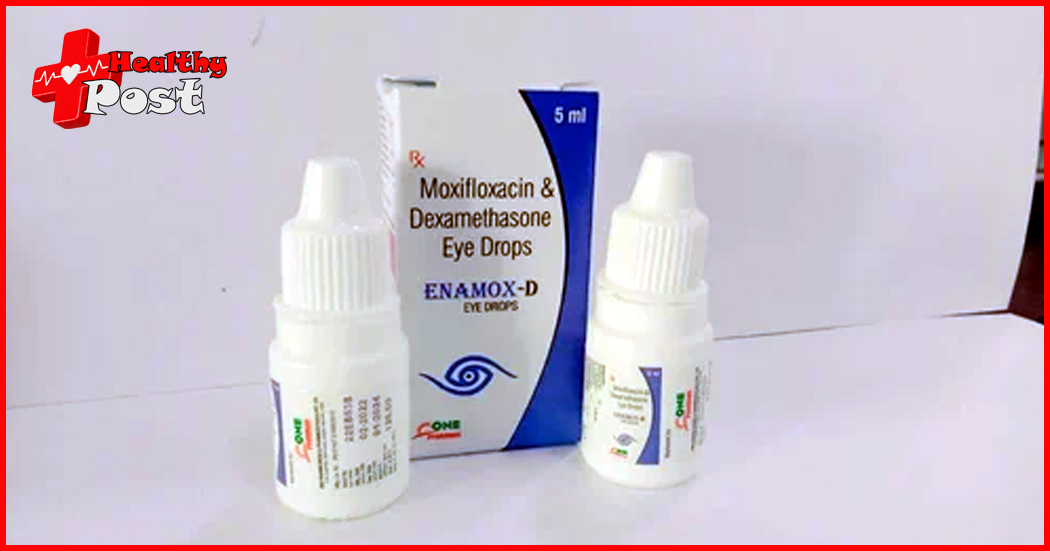
Treating bacterial eye infections is crucial for maintaining overall eye health and preventing complications. One commonly prescribed medication for such infections is Ofloxacin eye drops. These eye drops are highly effective and provide quick relief from symptoms.
Ofloxacin eye drops work by stopping the growth and spread of bacteria in the eyes, allowing the body’s immune system to fight off the infection more effectively. They act like a powerful shield, preventing invaders from entering the fortress of your eyes.
These eye drops are versatile and can be used to treat various conditions, ranging from mild cases of conjunctivitis to more severe infections like corneal ulcers. Doctors often prescribe Ofloxacin eye drops due to their reliability and proven effectiveness.
In this article, we will guide you through the proper use of Ofloxacin eye drops for quick relief. We will discuss each step in detail while also addressing potential side effects and safety precautions. By following these instructions, you can ensure that you get the maximum benefit from your treatment while minimizing any risks or complications.
Understanding Ofloxacin Eye Drops
Ofloxacin eye drops belong to the quinolone antibiotics class and are commonly used to treat bacterial infections in the eyes. These eye drops work by stopping the growth and spread of bacteria, allowing the body’s immune system to effectively eliminate the infection. Let’s dive deeper into how Ofloxacin eye drops work:
1. Creating a Powerful Shield
Imagine your eyes as a fortress that needs protection from bacterial invaders. Ofloxacin eye drops act as a powerful shield that prevents bacteria from entering and causing further damage.
2. Inhibiting Bacterial DNA
Bacteria reproduce by replicating their DNA. Ofloxacin eye drops work by inhibiting an enzyme called DNA gyrase, which is responsible for unwinding and replicating bacterial DNA. By targeting this enzyme, Ofloxacin prevents bacteria from multiplying, leading to their eventual demise.
3. Halting Protein Production
In addition to inhibiting DNA replication, Ofloxacin also interferes with another essential process in bacteria – protein production. Proteins are crucial for bacteria to carry out various functions necessary for their survival and reproduction. By blocking protein synthesis, Ofloxacin impairs bacterial growth and weakens the infection.
4. Broad-Spectrum Effectiveness
Ofloxacin eye drops exhibit broad-spectrum activity, meaning they are effective against a wide range of bacteria that commonly cause eye infections. This versatility makes them a popular choice for treating different types of bacterial conjunctivitis and corneal ulcers.
By understanding how Ofloxacin eye drops work to combat bacterial infections, we can appreciate their effectiveness in providing quick relief for various eye conditions.
Common Uses of Ofloxacin Eye Drops
Now that we have explored the mechanism of action of Ofloxacin eye drops, let’s discuss their common uses in treating bacterial eye infections. These eye drops can effectively combat both mild and severe cases of infections such as:
- Bacterial conjunctivitis (pink eye): This is one of the most common eye infections characterized by redness, itching, discharge, and swelling of the conjunctiva (the thin membrane covering the inner surface of the eyelids and the white part of the eye). Ofloxacin eye drops are often prescribed to alleviate symptoms and eradicate the bacterial infection causing conjunctivitis.
- Corneal ulcers: These are open sores on the cornea, usually caused by bacterial infections. Ofloxacin eye drops can help in treating corneal ulcers by eliminating bacteria and promoting healing.
By understanding the specific conditions that can be treated with Ofloxacin eye drops, we can appreciate their versatility in addressing various bacterial eye infections.
Common Uses of Ofloxacin Eye Drops
Ofloxacin eye drops are a type of quinolone antibiotics that are specifically made to treat bacterial eye infections. They are highly effective in stopping the growth and spread of bacteria, which is why they are commonly recommended by ophthalmologists and used by patients.
Here are some important things to know about the common uses of Ofloxacin eye drops:
1. Versatility in treating different types of bacterial eye infections
Ofloxacin eye drops can effectively treat various types of bacterial eye infections, such as conjunctivitis (pink eye) and corneal ulcers. They work by targeting and stopping the growth of bacteria in the eyes, providing fast relief from symptoms and helping the eyes heal.
2. Wide applicability
Doctors may prescribe Ofloxacin eye drops in different situations, depending on how severe the infection is and what type of infection it is. Here are two examples:
- In mild cases of bacterial conjunctivitis, doctors may suggest using Ofloxacin eye drops as the first treatment option.
- In more serious cases like corneal ulcers, where there is a risk of vision loss or complications, Ofloxacin eye drops may be prescribed along with other treatments to make sure the infection is properly managed.
3. Real-life examples
To give you a better idea of how versatile and useful Ofloxacin eye drops can be, here are two scenarios where doctors might prescribe them:
- A child who has bacterial conjunctivitis and needs quick relief from discomfort, as well as to prevent spreading the infection to others.
- Someone who wears contact lenses and develops a corneal ulcer because their lenses were contaminated with bacteria. They would require immediate treatment with Ofloxacin eye drops to stop further damage to the cornea.
The fact that Ofloxacin eye drops can effectively treat a wide range of conditions caused by bacterial infections shows just how powerful they are. Whether it’s a mild case of conjunctivitis or a more serious corneal ulcer, these drops can provide fast relief and help the eyes heal.
Remember, always follow your doctor’s instructions on how often and for how long you should use Ofloxacin eye drops to get the most out of your treatment.
Using Ofloxacin and Tobramycin Eye Drops for Quick Relief in Just 5 Easy Steps
Applying antibiotic eye drops correctly is crucial to ensure their effectiveness and achieve quick relief from bacterial eye infections. By following these five easy steps, you can ensure proper usage and maximize the benefits of these medications:
Step 1 – Preparing for Application
Before applying Ofloxacin or Tobramycin eye drops, it is essential to clean your hands thoroughly. Think of this step as similar to a surgeon scrubbing in before a critical operation. Washing your hands with soap and water for at least 20 seconds helps eliminate any potential bacteria that could contaminate the medication.
Another crucial aspect of preparation is maintaining the sterility of the dropper tip. To avoid any contamination, make sure the dropper tip does not come into contact with your eyes or surrounding skin. You can achieve this by holding the bottle with one hand and using the other hand to gently pull down the lower eyelid, creating a small pocket for the drops. This technique prevents accidental contact between the dropper tip and your eye.
Step 2 – Administering the Eye Drops
Now that you are prepared, it’s time to apply the eye drops. Tilt your head back slightly and look up towards the ceiling. With your finger on the bottom of the bottle, gently squeeze one drop into the pocket created by pulling down your lower eyelid. Be cautious not to touch your eye or surrounding skin with the dropper tip to prevent any potential infections.
Think of this process as a delicate balancing act where each drop needs to be accurately placed within the pocket of your lower eyelid.
Step 3 – Ensuring Proper Dosage
Following the prescribed dosage instructions provided by your doctor is essential when using Ofloxacin or Tobramycin eye drops. Consistency in using the medication as directed plays a vital role in eradicating the bacterial infection effectively.
Just like finding the right balance on a scale, both overdosing and underdosing can have negative consequences. Therefore, be sure to use the recommended number of drops as instructed by your healthcare professional.
Step 4 – Post-Application Care
After instilling the eye drops, gently close your eyes for a few moments. This allows the medication to spread evenly across the surface of your eye, ensuring maximum coverage and absorption. You can think of this step as allowing the drops to settle in and do their job.
It is important to wait for your vision to clear before engaging in activities that require visual clarity, such as driving or operating machinery. This precaution ensures your safety and prevents any potential accidents due to temporary blurriness or impaired vision immediately after applying the drops.
Step 5 – Handling and Storage
Proper handling and storage of these antibiotic eye drops are crucial to maintain their effectiveness and prevent contamination.
Step 2 – Administering the Eye Drops
Applying Ofloxacin eye drops correctly is essential for obtaining quick relief and maximum effectiveness. Here is a step-by-step process to ensure proper usage:
- Tilt your head back: To begin, tilt your head slightly backward while sitting or lying down in a comfortable position. This angle allows for easier access to your eyes.
- Create a small pocket: Gently pull down your lower eyelid using one hand’s index finger, creating a small pocket between your eye and the eyelid. This pocket will hold the drops and prevent them from rolling off.
Think of this step as a delicate balancing act, where you create a secure space for the drops to be instilled.
- Hold the bottle correctly: With your other hand, hold the bottle of Ofloxacin eye drops between your thumb and fingers. Make sure the dropper tip is pointing downwards, perpendicular to your eye.
- Instill the drops: While looking up, carefully squeeze the bottle to release one drop into the pocket you created with the lower eyelid. Avoid blinking or squeezing your eyes tightly during this process.
- Avoid contact with eyes or skin: It’s crucial to maintain a safe distance between the dropper tip and your eyes or surrounding skin to prevent any accidental splashes or contamination. If contact occurs, rinse your eyes thoroughly with clean water.
Remember, you may need more than one drop per dose as prescribed by your doctor. However, it’s important not to exceed the recommended dosage without medical guidance.
By following these steps, you can ensure that you administer Ofloxacin eye drops accurately and safely, promoting quick relief from bacterial eye infections.
Step 3 – Ensuring Proper Dosage
Proper usage of Ofloxacin eye drops is crucial for achieving quick relief and effectively treating bacterial eye infections. By following the correct dosage instructions, you can ensure maximum effectiveness and minimize the risk of complications. Here’s how to ensure proper dosage:
- Follow Doctor’s Instructions: It is important to carefully follow the dosage instructions provided by your doctor. They will determine the appropriate frequency and duration of treatment based on the severity of your condition. Deviating from the prescribed dosage may hinder the effectiveness of the medication.
- Consistency is Key: Consistency in using eye drops is essential for eradicating the bacterial infection completely. Skipping doses or discontinuing treatment prematurely may result in a relapse or incomplete recovery. Just like a scale requires a delicate balance, maintaining consistency with your dosage ensures optimal results.
- Avoid Overdosing: While it’s important to use Ofloxacin eye drops as directed, it’s equally important not to overuse them. Applying more drops than prescribed will not speed up the healing process and may increase the risk of side effects. Always adhere to the recommended dosage to avoid any potential harm.
- Beware of Underdosing: On the other hand, underdosing can also be detrimental as it may not provide sufficient medication to combat the infection effectively. If you accidentally miss a dose, apply it as soon as you remember unless it’s almost time for your next scheduled dose.
By ensuring proper dosage, you can optimize the therapeutic benefits of Ofloxacin eye drops while minimizing potential risks. Remember, if you have any concerns or questions about your dosage, consult with your healthcare provider for guidance.
Note: This section emphasizes the importance of following proper dosage instructions for effective treatment and highlights the risks associated with both overdosing and underdosing.
Step 4 – Post-Application Care
After applying Ofloxacin eye drops, it’s crucial to ensure proper post-application care for optimal effectiveness and comfort. Here are the essential steps to follow:
- Close Your Eyes Gently: After instilling the drops, gently close your eyes for a few moments. This allows the medication to spread evenly across the surface of the eye, promoting thorough coverage and absorption.
- Wait for Clear Vision: Advise patients to wait for their vision to clear before resuming activities that require visual clarity, such as driving or operating machinery. This precaution ensures safety and prevents any potential visual disturbances that may arise immediately after application.
By following these simple yet important post-application care steps, users can maximize the benefits of Ofloxacin eye drops while minimizing any potential discomfort or complications.
Step 5 – Storage and Disposal Guidelines
Proper storage and disposal of Ofloxacin eye drops are essential to ensure their effectiveness and prevent any potential harm. Here are some guidelines to follow:
- Store at room temperature: It is crucial to store eye drops at room temperature, away from direct sunlight and moisture. Extreme temperatures can affect the medication’s stability and potency. For more information on proper storage practices, refer to this toolkit on vaccine storage and handling.
- Keep out of reach of children and pets: Like any medication, Ofloxacin eye drops should be stored in a safe place where children and pets cannot access them. Consider using a locked cabinet or a high shelf to prevent accidental ingestion or misuse, as recommended in these childcare facility guidelines.
- Avoid contamination: To maintain the sterility of the medication, make sure the dropper tip does not come into contact with any surface, including your eyes or hands. Touching the dropper tip can introduce bacteria and compromise the effectiveness of the eye drops. This is why it’s important to follow hazardous drug handling guidelines which emphasize minimizing exposure.
- Dispose of unused medication properly: Once you have completed the full course of treatment as prescribed by your doctor, you may have some remaining eye drops left. It is important not to keep these for future use or share them with others. Instead, follow these guidelines for safe disposal:
More
- Check if there are any specific instructions on the packaging or provided by your healthcare provider regarding disposal.
- If no specific instructions are given, you can usually dispose of the unused medication in your household trash.
- To prevent accidental ingestion by children or pets, consider mixing the remaining eye drops with an undesirable substance like coffee grounds or kitty litter before sealing them in a plastic bag. This practice is similar to disposing of expired medications safely.
- Do not flush the medication down the toilet unless instructed to do so by your healthcare provider or local waste management guidelines.
By following these storage and disposal guidelines, you can ensure that your eye drops remain effective and reduce the risk of accidental ingestion or misuse. If you have any concerns or questions about storage or disposal, it is always best to consult with your healthcare provider or pharmacist.
Potential Risks and Safety Precautions
Common Side Effects
- Ofloxacin eye drops are generally well-tolerated, but some individuals may experience mild side effects upon application.
- Common side effects include temporary stinging or burning sensation upon instillation, which typically subsides quickly without intervention.
- Patients may also encounter minor discomforts such as redness, dryness, tearing, or temporary sensitivity to light after using Ofloxacin eye drops.
It’s essential for individuals using Ofloxacin eye drops to be aware of these potential side effects. Although they are typically mild and transient, being informed can help users distinguish between expected reactions and more serious issues that require medical attention. By understanding what to anticipate, patients can use the medication with confidence while monitoring their body’s responses.
Important Safety Precautions to Follow
While Ofloxacin eye drops are generally safe to use, they may cause certain temporary side effects, and it’s important to be aware of them for reassurance purposes. Although rare, there are some potential risks and serious side effects associated with the medication that need to be taken seriously, urging readers to seek immediate medical attention if they experience any unusual symptoms.
Here are some important safety precautions to follow when using Ofloxacin eye drops:
- Use Ofloxacin eye drops only for the prescribed duration and not share them with others, to avoid the risk of developing antibiotic resistance or spreading infections.
- Ensure you take the medication safely by:
- Keeping a reminder for regular dosing
- Checking the expiry date before use.
Conclusion
If you think you have a bacterial eye infection, it’s important to see a doctor right away. Talk to your healthcare provider about whether Ofloxacin eye drops could be a good treatment choice for you.
It’s crucial to act quickly and use the right medication properly to get fast relief from these types of infections. Ofloxacin eye drops can be a helpful solution in this situation.

2 Comments
Pingback: Eye Drop Recall 2023: What You Need to Know
Pingback: My eyes are dry. Is this dry eye syndrome? Protect your eyes