

Medical Author & Expert Verification
This clinical guide evaluating the therapeutic uses and protective benefits of an Ear Cap was entirely authored, fact-checked, and clinically verified by Dr. Neha Sood, Otolaryngologist | Cochlear Implant & Phonosurgeon. All recommendations align with modern otolaryngology post-operative and infection-preventative care standards.
Medical Disclaimer: The information outlined regarding ear water protection and post-surgical ear dressings is intended strictly for educational and informational purposes. It is not a substitute for professional medical advice, diagnosis, or personalized clinical treatment. Always consult with a qualified ENT specialist or healthcare provider before managing an active ear infection, a perforated eardrum, or recovering from a recent otolaryngologic surgery.

🏥 Medical Review Board Member & Author
Dr. Neha Sood
Otolaryngologist | Cochlear Implant & Phonosurgeon | BLK-Max Super Speciality Hospital & Sir Ganga Ram Hospital (New Delhi)
Dr. Neha Sood is a highly accomplished Otolaryngologist, Cochlear Implant Surgeon, and Phonosurgeon based in New Delhi, India. With prestigious clinical affiliations at BLK-Max Super Speciality Hospital and Sir Ganga Ram Hospital, she specializes in advanced hearing restoration, voice disorders, and comprehensive ENT care. Dr. Sood is dedicated to translating complex surgical insights and otolaryngological breakthroughs into clear, evidence-based guidance to ensure the highest standards of patient education and medical accuracy.
If you live with recurring ear trouble, an Ear Cap can feel like a small tool with an outsized impact. In our medical editorial practice, we often see patients with chronic drainage, surgery recovery needs, or a sensitive ear canal who simply want to shower without worry. That is where ear caps—also called a medical protective ear cover—become more than an accessory. They may help reduce water exposure, support healing, and lower the day-to-day stress that often comes with chronic otitis media protection or perforated eardrum shower protection.
For many people, the risk is not dramatic. It is routine. A few drops of water in the wrong ear can trigger irritation, odor, discharge, or a setback after treatment. This is especially true after mastoid surgery, grommet placement, or during mastoidectomy recovery care. Most ENT specialists agree on a simple principle: keeping a vulnerable ear dry is often part of protecting it.
If you have ever searched for answers about moisture symptoms, topics like Why Does My Ear Feel Wet But No Wax or Earwax color tells you Is there any disease often come up for a reason. Wetness, fullness, and discharge can overlap. An ear cap does not diagnose the cause, but it may serve as a practical barrier while you seek care and follow medical guidance.
Why ear caps matter more than people expect
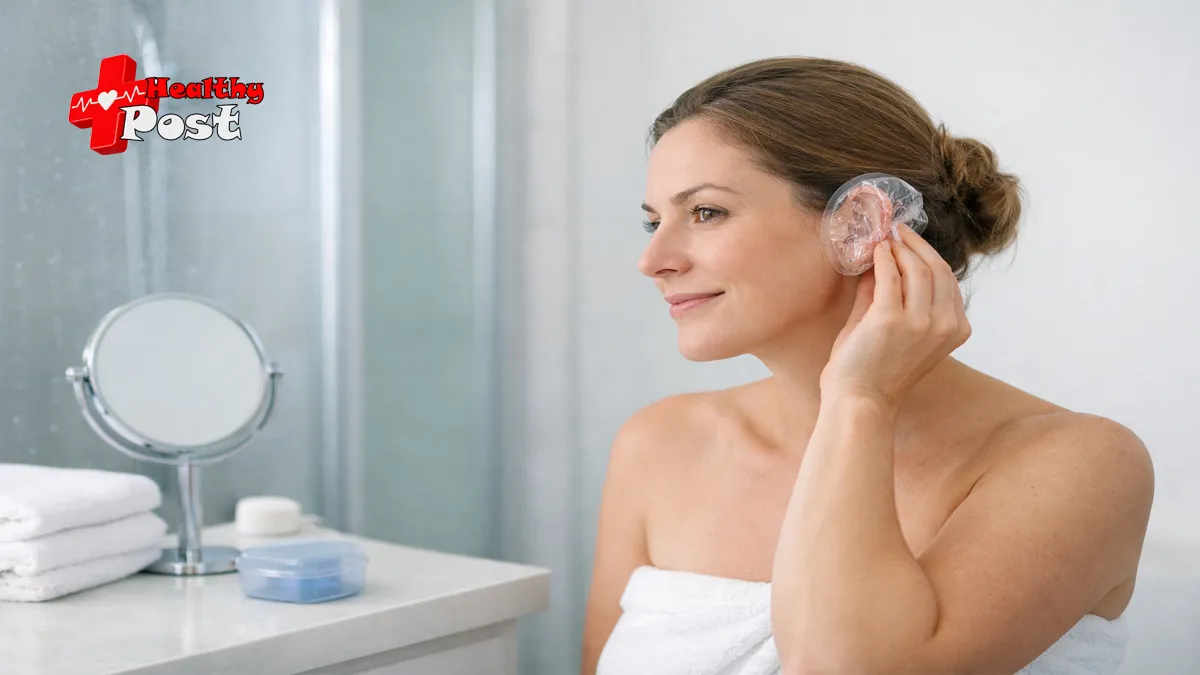
An ear cap is designed to shield the outer ear opening from splashes, steam, contaminated water, and everyday irritants. Depending on the model, it may be made from silicone, soft polymer, or lightweight plastic. Some are reusable. Others are disposable plastic ear caps suited for short-term use, clinical settings, travel, or high-humidity environments.
This matters because moisture changes the ear’s ecosystem. Bacteria and fungi thrive in warm, damp spaces. In patients with a perforation, ear tubes, or surgical wounds, even clean shower water may still irritate healing tissue.
Below are seven important ways an Ear Cap may help.
1. Ear Cap helps reduce water-triggered infections
For many patients, the biggest benefit is straightforward: less water entering the ear area may mean fewer flare-ups. This is one reason waterproof ear covers for showering are often recommended after ENT procedures or during active ear disease.
Conditions commonly affected by moisture include:
- Chronic otitis media
- Swimmer’s ear
- Fungal ear canal irritation
- Post-surgical ear inflammation
- Tympanostomy tube sensitivity
In our review of patient histories, repeated water exposure often shows up as a pattern. A child with tympanostomy tubes may do well for weeks, then develop drainage after frequent bath splashes. An adult with a chronic perforation may notice symptoms worsen after hair washing. That pattern does not prove cause in every case, but it is common enough that ear water protection is standard advice in many ENT clinics.
Trusted institutions such as the Cleveland Clinic and the NHS consistently emphasize infection prevention and follow-up care for persistent ear symptoms.
2. It supports healing after surgery
After ear surgery, dryness is not a minor comfort issue. It is often part of proper recovery. Patients healing from mastoid surgery, tympanoplasty, or tube-related procedures are frequently told to avoid direct water exposure for a period set by their surgeon.
That makes an Ear Cap especially useful in mastoidectomy recovery care. It may help protect:
- Fresh incisions behind the ear
- A healing ear canal
- Post-operative packing
- Delicate graft sites
- A post-surgical ear dressing
This is where a medical protective ear cover becomes practical, not cosmetic. It can help patients bathe more confidently while preserving the dry environment many surgeons want during early healing.
ENT guidance in the UK and hospital discharge instructions from major surgical centers commonly reinforce the same message: avoid water inside or around healing ear structures unless your clinician says otherwise. In otolaryngology recovery tools, few options are as simple and low-burden as a well-fitted protective cover.
3. It may protect sensitive ears from everyday irritation
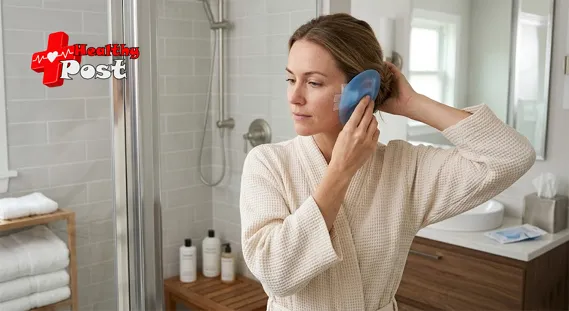
Not every vulnerable ear has an active infection. Some ears are simply sensitive. Steam, shampoo, chlorinated splashes, and soap residue can all irritate the ear opening or outer canal. That is why waterproof ear covers for showering are useful even outside acute illness.
This can be especially relevant for:
- People with eczema around the ear
- Hearing aid users trying to avoid trapped moisture
- Children with narrow or sensitive ear canals
- Adults prone to recurring ear fullness
- Patients practicing tympanostomy tube care
A useful comparison is skin wound care. You would not repeatedly soak healing skin and expect it to stay calm. The ear canal and surrounding tissue often behave the same way. For patients managing Ear water protection, a protective cover helps reduce repeated low-level irritation that can quietly build into bigger symptoms.
If readers are already exploring sensory symptoms, related site topics like Why Does My Ear Feel Wet But No Wax can help distinguish simple moisture from drainage that needs medical review.
4. Disposable options improve hygiene in travel and clinical settings
Reusable products are practical, but disposable plastic ear caps have a real place in care. In hospitals, busy households, and humid travel conditions, single-use protection may lower contamination concerns and simplify routines.
When are disposable options especially helpful?
| Situation | Why disposable caps help | Best use case |
|---|---|---|
| Hospital stay | Fresh, hygienic barrier each time | Early recovery after ENT procedure |
| Travel | Easy to pack and discard | Flights, hotels, humid climates |
| Children’s care | No need to clean between uses | Short showers or assisted bathing |
| Active drainage periods | Limits repeated contamination | Temporary use until follow-up |
| Shared caregiving settings | Simplifies infection control | Elderly or dependent patients |
For some patients, convenience determines adherence. If protection feels complicated, they stop using it. Disposable plastic ear caps solve that problem by making the barrier quick and low effort. The best product is often the one a patient will actually use correctly.
This section also connects with broader hygiene themes seen in nasal-sinus structural shield products and other barrier-based recovery tools used in ENT care.
5. Ear Cap gives peace of mind during showering and hair washing
This benefit is easy to underestimate. Anxiety changes behavior. Patients who fear ear flare-ups often rush through showers, avoid washing their hair properly, or tilt awkwardly to keep one side dry. Over time, that stress affects quality of life.
A well-fitting Ear Cap can restore confidence during:
- Showering
- Hair coloring or rinsing
- Bathing children with tubes
- Spa steam exposure
- Light rain or outdoor humidity
For patients needing perforated eardrum shower protection, this peace of mind matters. A perforated eardrum may leave the middle ear more exposed to fluid and microbes. While not every perforation behaves the same, many ENT clinicians advise a barrier during washing. That advice is especially relevant when symptoms include drainage, pain, reduced hearing, or recent treatment.
We often notice that once patients feel protected, they follow the rest of the care plan more consistently too. That includes medication timing, follow-up visits, and watching for warning signs such as odor, fever, or worsening discharge.
If you are comparing symptom patterns, readers also tend to benefit from related educational pieces such as Earwax color tells you Is there any disease and ear pressure and muffled hearing causes when trying to describe what they feel.
6. It supports children, older adults, and hearing aid users
Not all patients use ear protection in the same way. Children need comfort. Older adults may need ease of placement. Hearing aid users need protection that does not add pressure or interfere with device care.
This is where fit and material quality become essential. Softer silicone or clinician-recommended designs may be better for long-term users than rigid products that pinch or loosen during movement.
Who may benefit most?
Children with recurrent ear infections
Small ear canals and active bath routines make splash protection practical. Soft covers may help reduce conflict at bath time.
Adults with chronic otitis media
Chronic drainage or repeat infections often require consistent chronic otitis media protection, especially when symptoms return after water contact.
Hearing aid users
Moisture is not only an ear issue. It can also damage electronics, worsen fit, and create a cycle of irritation. Protective shower use may help preserve both ear health and device function.
Older adults recovering at home
Simple barrier methods are easier to follow than complicated drying routines. That matters in home recovery plans.
For these groups, an Ear Cap works best as part of a wider care strategy that may also include ear canal dryness, medication adherence, and review by an otolaryngology specialist.

7. It offers a simple, low-cost layer of prevention
The final surprise is that a basic barrier may prevent bigger disruptions. One flare-up can mean antibiotics, lost sleep, missed school, canceled travel, or a delayed surgical recovery check. Ear caps are not a cure. They do not replace diagnosis or treatment. But they may reduce one avoidable trigger: moisture.
That makes them valuable in a prevention plan that also includes:
- Regular ENT follow-up
- Monitoring drainage or hearing changes
- Safe cleaning habits
- Careful tympanostomy tube care
- Appropriate use of waterproof ear covers for showering
Most studies and clinical guidelines agree on the broader principle: reducing water exposure is sensible for high-risk ears. The exact product matters less than fit, hygiene, and consistency.
How to choose the right ear cap
Choosing the best Ear Cap depends on your condition, daily routine, and clinician’s advice.
Look for these features
- Soft, skin-friendly material
- Secure fit without painful pressure
- Reusable or disposable option based on your needs
- Compatibility with post-op instructions
- Reliable seal during showering
Reusable vs. disposable
- Reusable caps suit ongoing home use and reduce waste.
- Disposable plastic ear caps suit travel, hospital use, or periods of active drainage.
When to ask an ENT specialist
Seek professional advice if you have:
- Persistent ear discharge
- Sudden hearing loss
- Severe pain
- Recent ear surgery
- A known perforation
- Dizziness or fever
For people recovering from surgery, custom guidance is best. In mastoidectomy recovery care, your surgeon may recommend a specific cover, timing, or method for bathing.
FAQs
Can an Ear Cap cure an ear infection?
No. An Ear Cap does not treat infection itself. It may help reduce water exposure that can worsen irritation or delay healing, but treatment depends on the cause and should follow medical advice.
Are waterproof ear covers for showering safe for children?
Often, yes—if the fit is gentle and age-appropriate. Parents should use products designed for children and ask an ENT clinician for guidance if the child has tubes, pain, or chronic drainage.
What is the difference between a medical protective ear cover and an ear plug?
A medical protective ear cover usually shields the outer ear area from splashes, while ear plugs sit more directly in or at the canal opening. Some patients need one; others may use both only if advised by a clinician.
Are disposable plastic ear caps better than reusable ones?
Not always. Disposable plastic ear caps are more convenient in travel or clinical settings, while reusable silicone options may be better for routine home care and lower waste.
Do I need perforated eardrum shower protection every day?
Many patients with a perforated eardrum are advised to protect the ear during showering, but the exact recommendation varies. If you have ongoing symptoms, follow your ENT specialist’s instructions closely.
Can ear caps help after grommet or tube surgery?
They may. For some patients, they are part of tympanostomy tube care and general otolaryngology recovery tools, especially during bathing or hair washing.
Final thoughts
An Ear Cap is a simple tool, but for the right patient, it can make daily life easier and safer. It may support chronic otitis media protection, help with perforated eardrum shower protection, and play a meaningful role in mastoidectomy recovery care. Whether you choose reusable silicone protection or disposable plastic ear caps, the real value lies in consistency, fit, and using the product as part of a broader ear-health plan.
If you deal with moisture, drainage, or recovery after an ENT procedure, do not ignore subtle signs. Explore related topics like Why Does My Ear Feel Wet But No Wax, Earwax color tells you Is there any disease, and when ear drainage needs urgent care to better understand symptom patterns. Then bring those observations to a qualified clinician. That combination—self-awareness plus expert care—is often what protects hearing best. 👂
For stronger semantic indexing, this article aligns well with schema.org types such as Article and FAQPage, with entities including Ear Cap, chronic otitis media, perforated eardrum, mastoidectomy, NHS, Cleveland Clinic, CDC, and otolaryngology.
1 Comment
Pingback: What Can Be Mistaken for Trigeminal Neuralgia? Common Conditions Causing Facial Pain