
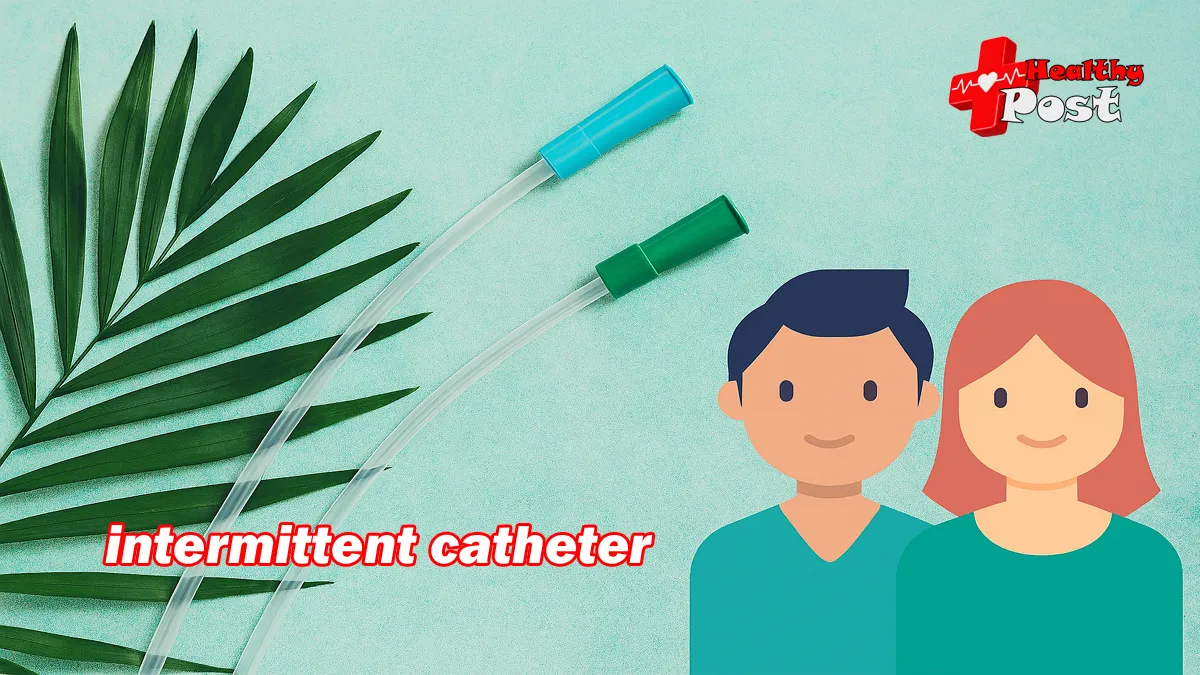
Intermittent Catheter: 7 Proven Benefits for Male & Female Patients You Can’t Ignore
Living with bladder problems can feel overwhelming at first. Many people worry about dignity, comfort, or how life will change. If your healthcare provider has recommended an intermittent catheter, you may feel unsure or even anxious.
This guide explains what an intermittent catheter is and how it can support your daily life. You will learn seven evidence-based benefits for both male and female patients. The aim is to help you feel informed, reassured, and ready to discuss options with your healthcare team.
Note: This article is educational and does not replace medical advice. Always follow the instructions of your doctor or nurse.
What Is an Intermittent Catheter?
An intermittent catheter is a thin, flexible tube used to empty the bladder at set times during the day. It is inserted through the urethra into the bladder, allows urine to drain, and is then removed right away.
It is often called:
- A self-catheter or self-cath
- A single-use catheter
- Intermittent self-catheterization
Unlike a permanent or indwelling catheter, it does not stay inside the bladder between uses. Many people use it several times per day, based on a schedule set with their clinician.
Who Uses Intermittent Catheters?
Both men and women can benefit from this technique. It is used for a wide range of conditions, including:
- Neurogenic bladder from spinal cord injury or multiple sclerosis
- Bladder outlet obstruction or difficulty emptying
- After certain surgeries on the bladder, prostate, or pelvis
- Urinary retention due to nerve or muscle problems
An intermittent catheter male patient may have different anatomical needs than an intermittent catheter female patient. Yet the goals are the same. Safe bladder emptying, protection of kidney function, reliable continence, and support for an active life.
1. More Control and Independence in Daily Life
Bladder problems can make people feel like their body is in charge, not them. Timed self-catheterization helps shift that balance back toward control.
Scheduled Emptying Reduces Surprises
With guidance from your care team, you follow a regular schedule. This might be every four to six hours during the day. By emptying on time, you:
- Reduce the risk of sudden urgency
- Lower the chances of overflow leaks
- Feel less anxious about bathroom access
Example:
A man with spinal cord injury starts a schedule of self-catheterization every four hours. He quickly notices fewer accidents and feels more confident leaving home.
Self-Care Instead of Total Dependence
If you have enough hand function and mobility, you can learn to perform the procedure yourself. This offers:
- Greater privacy in the bathroom
- Less reliance on family or caregivers
- A sense of personal competence and dignity
Even if you need help from a partner or caregiver, the process is still planned and predictable. That can ease stress for everyone involved.
2. Lower Infection Risk Than Long-Term Indwelling Catheters
Infections are one of the biggest concerns with any bladder drainage method. Urinary tract infections (UTIs) can cause pain, fever, and serious illness.
When comparing intermittent catheter vs indwelling catheter, research generally shows a lower infection risk with intermittent use for many patients.
Why Infection Risk Can Be Lower
Here is a simple comparison:
| Feature | Intermittent Catheter | Indwelling Catheter (Foley) |
|---|---|---|
| Time inside body | Inserted only during emptying, then removed | Stays in bladder for days or weeks |
| Path for bacteria | Short-term access during use | Continuous path from outside to bladder |
| Common use | Long-term management for many patients | Hospital, surgery, or select long-term cases |
| Infection likelihood | Often lower with proper technique | Often higher with long-term use |
Because the tube is not constantly in place, bacteria have fewer chances to travel up into the bladder.
Clean Technique Really Matters
Your nurse will teach you either clean or sterile technique, depending on your situation. This usually includes:
- Washing hands before and after
- Cleaning the genital area as instructed
- Using each catheter only once, if it is single-use
- Keeping supplies in a dry, clean storage area
Example:
A woman with multiple sclerosis switches from a long-term Foley to self-catheterization. With careful technique, her UTIs become less frequent over the following year.
3. Better Protection for Kidneys and Bladder
Regular bladder drainage protects not only comfort but also long-term organ health.
Prevents Chronic Overfilling
When the bladder does not empty well, it can become stretched and overfilled. This can:
- Weaken bladder muscle over time
- Increase back pressure on the kidneys
- Raise the risk of kidney damage
Scheduled use of a catheter avoids long periods of high pressure. That helps preserve bladder shape and function.
Improves Bladder Emptying
Some people can pass small amounts of urine but still retain a large volume. This is called incomplete emptying. It may lead to:
- Frequent small trips to the bathroom
- Recurrent UTIs
- Feeling constantly “half full”
Using a catheter to completely drain the bladder can bring a sense of relief. It often reduces infection frequency and sleep disruption from nighttime trips.
Example:
A retired teacher wakes four times per night to urinate but never feels empty. After starting self-catheterization before bed, she sleeps for longer blocks and feels less exhausted.
4. More Comfort and Less Irritation
Many people fear that using a catheter must be painful. In reality, with the right size, lubrication, and training, the process for most patients is quick and only mildly uncomfortable, if at all.
No Constant Tube Inside the Body
An indwelling catheter remains in the urethra and bladder all the time. This can cause:
- Ongoing awareness of the tube
- Irritation of the urethra or bladder wall
- Bladder spasms in some people
With an intermittent device, you only feel the tube during insertion and removal. The rest of the time, your urethra is free. Many patients describe this as more “natural.”
Modern Catheters Are Designed for Ease
Modern products include user-friendly features, such as:
- Smooth, rounded tips for gentler insertion
- Hydrophilic coatings that become very slippery with water
- Pre-lubricated options that reduce mess and handling
- Compact designs for discretion outside the home
Your healthcare provider will help find the right size and type for your body. For example, a man with a larger prostate may need a specific tip style. A woman with limited hand strength may benefit from a grip-friendly design.
5. Flexibility for Travel, Work, and Active Lifestyles
Bladder issues can restrict social life, travel, and work schedules. A well-planned catheter routine helps many people regain freedom.
Discreet Use Outside the Home
Most people use restrooms for the procedure, including:
- Single-stall accessible bathrooms
- Workplace restrooms
- Public toilets in malls or airports
With practice, many patients can complete the process within a few minutes. Supplies are easy to carry in a small bag or backpack.
Benefits of an Intermittent Catheter Kit
An intermittent catheter kit often includes everything needed in one package:
- A sterile catheter
- Lubricant or hydrophilic coating
- Gloves and antiseptic wipes, for some kits
- Sometimes a collection bag
These kits are especially useful for travel, school, or work days. You do not need to gather multiple items in each restroom. Instead, you open a single kit and follow the familiar steps.
Example:
A college student with spina bifida keeps several travel kits in her backpack. She attends classes all day without worrying about finding perfect bathroom supplies.
6. Works for Both Male and Female Patients, with Tailored Approaches
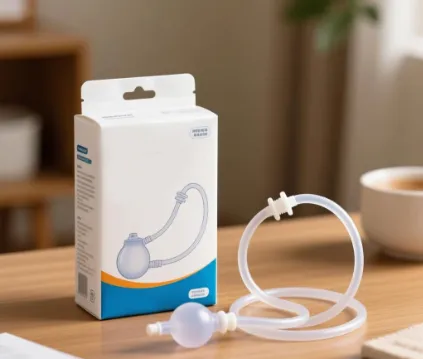
Although the basic idea is the same, there are differences between intermittent catheter male and intermittent catheter female use. Understanding these differences can help you feel more prepared.
For Men
A man’s urethra is longer and passes through the prostate. Points to consider include:
- Catheters are usually longer to match male anatomy
- Special tips may help pass an enlarged prostate
- Positioning may be sitting or standing, depending on balance
Training often focuses on:
- Finding a comfortable position
- Relaxing pelvic muscles
- Handling the longer tube with steady control
Many men appreciate that the device is not visible when not in use. There is no external bag or tube under clothing in everyday life.
For Women
A woman’s urethra is shorter and located close to the vagina. Early practice can feel tricky, but most women become quite skilled.
Key points include:
- Catheters are usually shorter than male versions
- A mirror can help during early learning
- Good lighting and comfortable positioning are important
Female patients often say that, once they learn the technique, the process feels quick and manageable. Many later perform it even in small restrooms or on trips.
Example:
A young mother with spinal cord injury learns self-catheterization with a mirror at home. Within weeks, she can perform the process quickly without a mirror in public restrooms.
7. Long-Term Cost-Effectiveness and Lifestyle Stability
Chronic bladder issues are often lifelong. Choosing a method that supports health and daily life over years is important.
Potential Cost Savings
Costs depend on your region, insurance, and product type. However, some long-term patterns are common:
- Fewer hospital admissions for severe UTIs can reduce medical bills
- Reduced use of long-term indwelling catheters lowers some supply costs
- Some systems allow reuse under specific protocols, if your team approves
Not every patient will save money, and quality of life remains the main goal. Still, many people and health systems find that planned self-catheterization is cost-effective compared with frequent emergencies.
Stable Routine Over the Long Term
Perhaps the greatest “cost” in chronic illness is emotional and social. By creating a reliable daily plan, you gain:
- Predictable bathroom times
- Less worry about sudden leaks
- A routine that can continue for many years
A stable self-care schedule often blends into daily life. Many patients report that the process becomes just another private task, like brushing teeth or taking medication.
Practical Tips for Getting Started
Starting something new, especially involving intimate areas, can feel daunting. Here are some supportive, practical ideas to discuss with your clinician.
1. Take Training Seriously
Ask your nurse or continence specialist to:
- Demonstrate the full procedure slowly
- Watch you perform it while giving feedback
- Help you practice different positions or mirrors
- Address your worries about pain or complications
Never hesitate to ask for repeat demonstrations or extra appointments.
2. Prepare a Discreet Supply System
Many people feel more confident when they know supplies are always ready. Consider:
- A basket or drawer at home with all items together
- A small travel pouch for work or school
- A plan for reordering supplies before you run low
If using a specific kit, ask about prescription refills and shipping times.
3. Monitor for Warning Signs
Call your clinic promptly if you notice:
- Fever, chills, or flank pain near your back
- Burning, cloudy, or foul-smelling urine
- Blood in the urine beyond a small trace
- New difficulty inserting the catheter
Early attention often prevents larger problems.
4. Protect Emotional Well-Being
Bladder issues affect body image, sexuality, and self-esteem. You are not alone in these feelings. Possible supports include:
- Talking openly with a partner or trusted friend
- Asking for a referral to a counselor familiar with chronic illness
- Joining a support group for people who self-catheterize
Many patients say that sharing their experience with others brings relief and confidence.
Frequently Asked Questions
1. Does using an intermittent catheter hurt?
Most people feel pressure or mild discomfort during insertion, not sharp pain. With the right size and lubrication, the process usually becomes easier over time. If pain continues, tell your healthcare provider. A different product or technique may help.
2. How many times per day will I need to use it?
The schedule depends on your bladder capacity, fluid intake, and medical condition. Many people catheterize every four to six hours while awake. Your doctor or nurse will design a plan tailored to your needs and may adjust it over time.
3. Can I still have sex if I use self-catheterization?
Yes. There is no tube or bag left in place between uses. Once the catheter is removed, sexual activity is usually possible. You may need to plan bladder emptying before intercourse for comfort. Speak with your clinician for personal guidance.
4. Is this method safe during pregnancy?
Some women use self-catheterization safely during pregnancy, under close medical supervision. You should not start or change any bladder management method in pregnancy without specialist advice. Always discuss your plans with your obstetrician and urology team.
5. Will people be able to tell that I use a catheter?
Outside the bathroom, that is very unlikely. There is no visible tube or drainage bag in everyday life. Supplies can be carried discreetly in a handbag, backpack, or briefcase.
6. What if I cannot insert the catheter one day?
Do not force the tube if you meet strong resistance or pain. Try changing your position, relaxing, and using more lubrication. If you still cannot pass it, contact your healthcare provider or urgent care service for advice. In an emergency, go to an emergency department.
Conclusion: Making an Informed Choice About Your Bladder Care
Choosing a bladder management method is a personal decision. It should be guided by solid information, your medical team’s advice, and your own comfort. For many men and women, an intermittent catheter offers a practical balance of independence, safety, and quality of life.
By emptying the bladder on a regular schedule, you can lower infection risk, protect your kidneys, and reduce accidents. Modern products, including handy kits, support travel, work, and an active lifestyle. With proper training and support, most patients find that the process becomes routine and manageable.
If you think this approach might help you, speak with your doctor, urology nurse, or continence specialist. Ask about your specific condition, how often you would need to catheterize, and which products might work best. Together, you can design a plan that respects your health, your dignity, and your daily life.


One thought on “Intermittent Catheter: 7 Proven Benefits for Male & Female Patients You Can’t Ignore”