

Close Menu

    Subscribe to Updates

    Get the latest creative news from FooBar about art, design and business.

    What's Hot

    How Does Traumagel Work? 7 Life-Saving Benefits & Guide

    July 4, 2026

    Clinical Benefits of Functional Foods for Metabolic Health: An Expert Guide

    July 1, 2026

    Early Signs of Lupus: 7 Crucial Symptoms to Watch For (2026 Guide)

    June 28, 2026
    Facebook X (Twitter) Instagram
    • About Us
    • Contact Us
    • Our Medical Review Board & Expert Contributors
    • Cancer
    • Cardiology
    • Dental
    • General Disease
    • Gyne
    • Healthy food
    • Medicine
    • Orthopedics
    • Skin
    Button
    Home » Kernig and Brudzinski Signs: 5 Critical Clues You Should Never Ignore
    Patient Education

    Kernig and Brudzinski Signs: 5 Critical Clues You Should Never Ignore

    AdminBy AdminNovember 10, 2025Updated:May 18, 2026No Comments5 Mins Read
    Share Facebook Twitter Pinterest LinkedIn Tumblr Reddit Telegram Email
    kernig and brudzinski signs
    Kernig and Brudzinski Signs: 5 Critical Clues You Should Never Ignore
    Share
    Facebook Twitter LinkedIn Pinterest Email

    In the medical field, understanding the signs and symptoms of various conditions can be the difference between a quick diagnosis and prolonged suffering. One such pair of signs that healthcare professionals often refer to are the Kernig and Brudzinski signs. These signs are particularly significant in the context of meningitis and other central nervous system conditions. This article will explore the importance of these signs, the specific tests associated with them, and why they should never be overlooked.

    What Are Kernig and Brudzinski Signs?

    The Kernig sign and the Brudzinski sign are clinical indicators used to help assess meningeal irritation. They are simple physical examinations that can provide critical information about a patient’s condition. Here’s a brief overview of each:

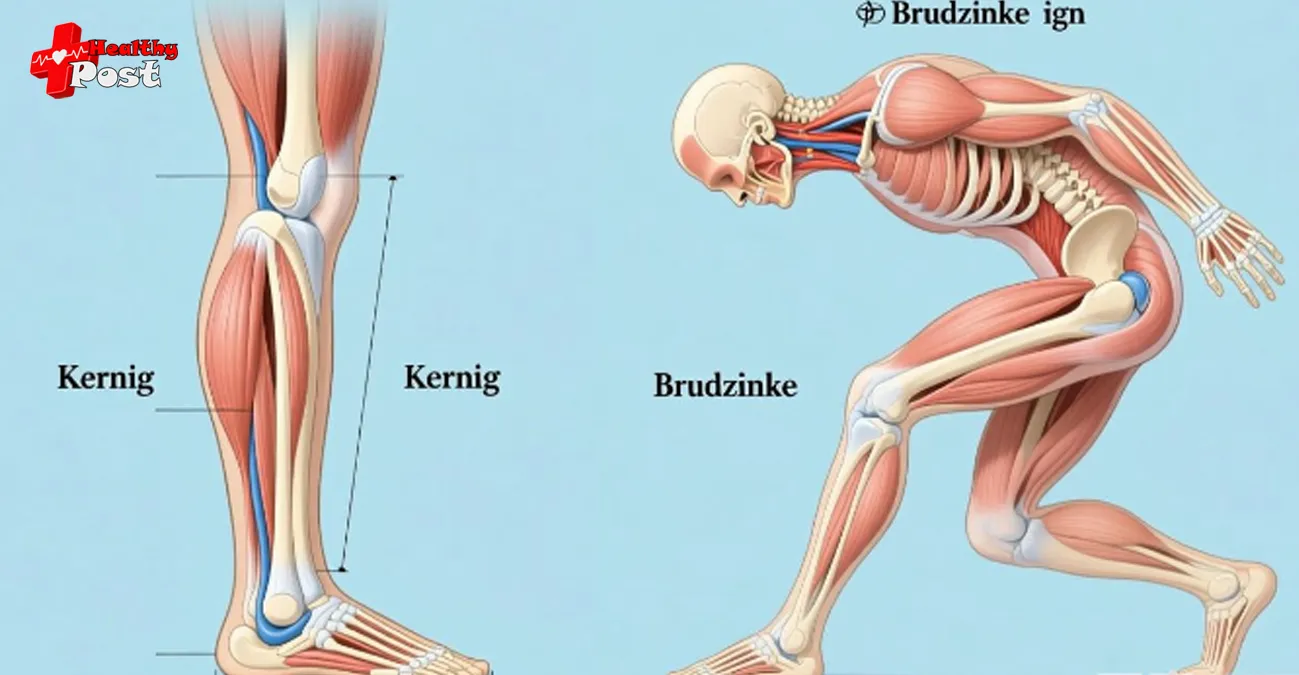
    • Kernig Sign: This sign is tested by having the patient lie flat on their back. The examiner flexes the patient’s hip and knee to 90 degrees and then attempts to straighten the leg at the knee. If the patient experiences pain or resistance, the Kernig sign is considered positive, indicating possible meningeal irritation.
    • Brudzinski Sign: To test for Brudzinski’s sign, the examiner gently lifts the patient’s head while they are lying flat. If this movement causes involuntary flexion of the knees and hips, the sign is positive, suggesting irritation of the meninges.

    These tests are quick, simple, and can reveal critical insights into a patient’s neurological health.

    Why Are Kernig and Brudzinski Signs Important?

    Recognizing the Kernig and Brudzinski signs is essential for several reasons:

    1. Early Detection of Meningitis

    Meningitis is a potentially life-threatening condition that involves inflammation of the protective membranes covering the brain and spinal cord. Early detection is key to effective treatment. A positive Kernig or Brudzinski sign can prompt further testing and intervention.

    2. Indicators of Other Neurological Conditions

    While these signs are primarily associated with meningitis, they can also indicate other conditions affecting the central nervous system, such as subarachnoid hemorrhage or encephalitis. Recognizing these signs can lead to quicker diagnoses and improved patient outcomes.

    3. Assessment of Neurological Function

    The presence of Kernig and Brudzinski signs can indicate compromised neurological function. This information is vital for healthcare providers in determining the severity of a patient’s condition and deciding on the appropriate course of treatment.

    4. Guiding Further Diagnostic Testing

    A positive result from either the Kernig or Brudzinski test often leads to additional diagnostic tests, such as a lumbar puncture (spinal tap) or imaging studies. These tests can provide more detailed information about the underlying cause of the symptoms.

    5. Patient Education and Empowerment

    Understanding the significance of these signs can empower patients and their families. Recognizing symptoms and knowing when to seek medical attention can lead to earlier interventions and better health outcomes.

    How to Perform the Kernig and Brudzinski Tests

    Performing the Kernig Test

    1. Positioning the Patient: Have the patient lie flat on their back on an examination table.
    2. Flexing the Hip and Knee: Carefully raise the patient’s leg, flexing the hip and knee at 90 degrees.
    3. Attempting to Straighten the Leg: Gently attempt to straighten the leg at the knee.
    4. Observing for Pain or Resistance: If the patient experiences pain or an involuntary reaction, the Kernig sign is positive.

    Performing the Brudzinski Test

    1. Positioning the Patient: Again, ensure the patient is lying flat on their back.
    2. Lifting the Head: Gently lift the patient’s head while observing their body.
    3. Watching for Flexion: If the knees and hips flex involuntarily in response to the head lift, the Brudzinski sign is positive.

    Visual Aid: Comparison of Kernig and Brudzinski Signs

    SignTest ProcedurePositive Result Indicates
    Kernig SignFlex hip and knee, then attempt to straighten the legMeningeal irritation or other neurological issues
    Brudzinski SignLift head and observe for knee/hip flexionMeningeal irritation or other neurological issues

    Real-Life Examples

    Case Study: Early Intervention

    Consider a 25-year-old patient presenting with severe headaches, fever, and a stiff neck. Upon examination, the physician performs the Kernig and Brudzinski tests, noting a positive result for both. This finding prompts immediate lumbar puncture, which confirms a diagnosis of viral meningitis. The early intervention leads to a swift recovery, highlighting the critical importance of recognizing these signs.

    Case Study: Missed Diagnosis

    In contrast, a 30-year-old patient visited multiple clinics over several days, complaining of similar symptoms but without neurological examination. Unfortunately, the absence of Kernig and Brudzinski tests resulted in a delayed diagnosis of bacterial meningitis, leading to complications. This emphasizes how critical these signs can be in the diagnostic process.

    Conclusion

    Understanding the Kernig and Brudzinski signs is crucial for both healthcare providers and patients. These simple tests can provide vital clues about serious conditions like meningitis and other neurological issues. By recognizing the importance of these signs, we can facilitate early diagnosis and treatment, ultimately improving patient outcomes.

    In a world where health information is abundant yet often overwhelming, focusing on simple, actionable insights—like identifying Kernig and Brudzinski signs—empowers patients and caregivers alike. Always remember to consult healthcare professionals when you observe concerning symptoms, and never hesitate to advocate for your health.

    Stay informed, stay healthy, and don’t overlook the signs!

    what causes bad breath
    What causes bad breath? 10 most effective home remedies for getting rid of bad breath.
    Editorial Notice & Disclaimer: All material published on this platform is curated strictly for general educational and healthcare informational purposes. Content should not be interpreted as professional medical advice, official diagnosis, or a definitive treatment protocol. We strongly advise consulting a licensed physician or qualified healthcare provider regarding any specific medical concerns or health choices.

    Admin
    Website |  + postsBio ⮌
    • Admin
      Apple Juice Benefits: 8 Proven Health Boosts and 3 Hidden Downsides
    • Admin
      5 Proven Benefits of Invokana Generic for Diabetes Care
    • Admin
      7 Powerful Reasons Why Capron DM Is a Safe Choice for Allergy Relief
    • Admin
      10 Proven Ways on How to Relax Without Stress
    Share. Facebook Twitter Pinterest LinkedIn Tumblr Email
    Previous ArticleDiagnosis and treatment of hydrocephalus in children
    Next Article Are you familiar with gastric lavage, an emergency first-aid technique?

    Related Posts

    Patient Education

    How Does Traumagel Work? 7 Life-Saving Benefits & Guide

    July 4, 2026
    Patient Education

    Clinical Benefits of Functional Foods for Metabolic Health: An Expert Guide

    July 1, 2026
    Patient Education

    What Is a Newborn Sucking Blister? Clinical Causes and Treatment

    June 24, 2026
    Add A Comment
    Leave A Reply Cancel Reply

    You must be logged in to post a comment.

    Recent Posts
    • How Does Traumagel Work? 7 Life-Saving Benefits & Guide
    • Clinical Benefits of Functional Foods for Metabolic Health: An Expert Guide
    • Early Signs of Lupus: 7 Crucial Symptoms to Watch For (2026 Guide)
    • How Do You Know If a Heart Stent Is Blocked Again? Warning Signs
    • What Is a Newborn Sucking Blister? Clinical Causes and Treatment
    Top Posts

    What are the effects of smoking on the lungs?

    March 7, 2024

    What are the causes of headaches? How to prevent it in daily life?

    April 11, 2024

    cardiovascular disease, can do these 4 things, and blood vessels can stay young.

    April 18, 2024
    Latest Reviews
    Most Popular

    How Does Traumagel Work? 7 Life-Saving Benefits & Guide

    July 4, 2026

    Clinical Benefits of Functional Foods for Metabolic Health: An Expert Guide

    July 1, 2026

    Early Signs of Lupus: 7 Crucial Symptoms to Watch For (2026 Guide)

    June 28, 2026

    How Do You Know If a Heart Stent Is Blocked Again? Warning Signs

    June 25, 2026

    What Is a Newborn Sucking Blister? Clinical Causes and Treatment

    June 24, 2026

    Our Medical Board

    Our health platform content is written, reviewed, and vetted by a dedicated board of licensed clinicians and specialists to guarantee clinical accuracy.

    • Dr. Himanshu Gupta Orthopedics & Robotics Amicare Hospital ↗
    • Dr. Paul Hofmann ENT & Otolaryngology Helios Hospital ↗
    • Dr. Jacob Cote, MD Dermatology Specialist The Ottawa Hospital ↗
    • Dr. Yichen Xu Medical Oncology SYSU Cancer Center ↗
    • Dr. Sana Lodhi, MBBS General Medicine LUMHS Hospital ↗
    • Dr. Wang Zhixin Gynecology & Maternal Shenzhen Women's Hosp ↗
    • Dr. John Ma Orthopaedic Surgery Royal Brisbane Hosp ↗
    • Dr. Rachana Bhoite Nutrition Science Dr. Reddy's Labs ↗
    • Dr. Sarita Rao Interventional Cardiology Apollo Hospitals ↗
    • Dr. Mohanned Alghamdi Esthetic & Restorative UniDents Clinic ↗
    • Dr. Sharmila Rathi Pediatrics & Child Care Sir JJ Hosp Mumbai ↗
    • Dr. He Feng Urology & Andrology Bohe Medical Profile ↗
    • Dr. Akram Chang Cardiovascular Care Gulab Devi Hospital ↗
    • Dr. Liping Shen Gyneclinic Oncology Peking Uni Int Hosp ↗
    • Dr. Suleman Khan Dental Surgery Govt Dental College ↗
    Our Picks

    How Does Traumagel Work? 7 Life-Saving Benefits & Guide

    July 4, 2026

    Clinical Benefits of Functional Foods for Metabolic Health: An Expert Guide

    July 1, 2026

    Early Signs of Lupus: 7 Crucial Symptoms to Watch For (2026 Guide)

    June 28, 2026

    How Do You Know If a Heart Stent Is Blocked Again? Warning Signs

    June 25, 2026

    What Is a Newborn Sucking Blister? Clinical Causes and Treatment

    June 24, 2026
    Facebook X (Twitter) Instagram Pinterest
    • About Us
    • Contact Us
    • Disclaimer
    • Our Medical Review Board & Expert Contributors
    • Terms and Conditions
    • Write for Us
    © 2026 Healthy Post. All Rights Reserved.

    Type above and press Enter to search. Press Esc to cancel.