

Medical Disclaimer: This article, “What Do Pumpkin Seeds Do for Your Body? 7 Health Benefits”, written by Dr. Rachana Bhoite (Nutrition Science, Dr. Reddy’s Labs), is provided for informational and educational purposes only. It does not constitute medical advice, diagnosis, or treatment. Always seek the advice of your physician or other qualified health provider with any questions you may have regarding a medical condition or dietary changes.

✍️ HealthyPost Author
Dr. Rachana Bhoite, PhD
Nutrition Science Expert | Dr. Reddy’s Laboratories (Hyderabad, India)
Dr. Rachana Bhoite, PhD, is a nutrition science professional with more than 22 years of experience in foods and nutrition, clinical research, and nutraceutical innovation, according to her professional biography. Her work includes the development of science-based nutrition products and translating complex research into practical nutritional information. At HealthyPost, she contributes to topics related to nutrition science, dietary health, clinical research, and nutraceutical developments, helping readers better understand evidence-based nutrition information.
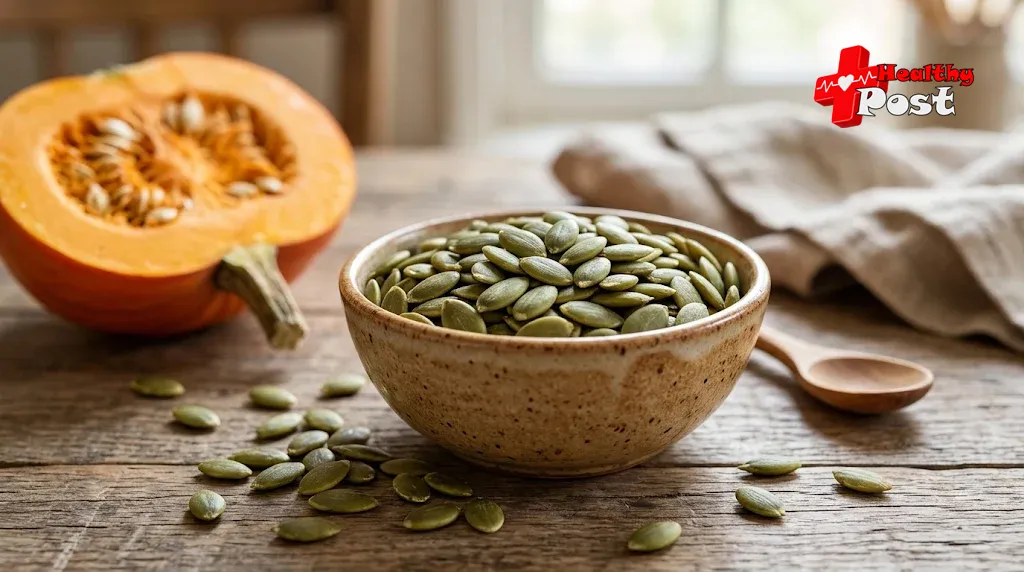
what the nutrients in pumpkin seeds do in the body, and where the evidence for tA small handful of pumpkin seeds does more work than its size suggests. If you have ever wondered what pumpkin seeds do for your body, the short answer is that they supply a dense mix of magnesium, zinc, iron, plant protein and unsaturated fats, along with some fibre and antioxidants such as vitamin E. Those nutrients feed into heart function, muscle and nerve activity, immune defence, digestion and the way the body handles carbohydrate.
Pumpkin seeds (also sold as pepitas) are the edible seeds of pumpkins and other winter squash. They are a useful food, not a treatment for any condition, and the research behind some popular claims is thinner than the marketing implies. This guide separates what the nutrition science supports from what is still uncertain, then covers portion sizes, raw versus roasted seeds, side effects and easy ways to eat them. If you want the practical takeaway first: about 20–30 g a day, unsalted, as part of a varied diet is a sensible amount for most healthy adults.
Pumpkin Seeds Nutrition Facts
Nutrients in Pumpkin Seeds
The nutritional benefits of pumpkin seeds come down to concentration. Per ounce, they are among the richest everyday food sources of magnesium: the US National Institutes of Health lists roasted pumpkin seeds at 156 mg per ounce (roughly 28 g), about 37% of the Daily Value, ahead of chia seeds, almonds and cooked spinach in the same magnesium food-source table. The British Heart Foundation likewise describes them as particularly high in magnesium, zinc and iron.
Beyond those three minerals, pumpkin seeds provide phosphorus, copper, manganese and potassium, plus vitamin E and several B vitamins. Most of their fat is unsaturated, and the kernels also contain plant compounds such as phenolic antioxidants. Each of these has a defined job in the body, which is why the seeds show up so often in nutrition advice, but none of them works in isolation from the rest of your diet.
Calories, Protein, Fat and Fibre
Pumpkin seeds are energy-dense, so portion size matters. Published figures for shelled kernels range from roughly 550 to 600 kcal per 100 g depending on the product, the variety and whether the seeds are roasted. For a practical serving of 30 g of shelled seeds, these approximate values are a reasonable guide:
| Nutrient | Approximate amount per 30 g |
|---|---|
| Calories | 160–180 kcal |
| Protein | 8–9 g |
| Fat | 14–15 g |
| Carbohydrates | 3–5 g |
| Fibre | 1.5–2 g |
| Magnesium | 150–170 mg |
| Zinc | 2–2.5 mg |
These numbers apply to shelled kernels, not whole seeds with their white shells, which contain more fibre but are much harder to eat in quantity. Always check the label on your own product, because brands differ.
7 Potential Health Benefits of Pumpkin Seeds
None of the benefits below should be read as a guarantee. They describehe seeds themselves is limited, that is stated.
1. May Support Heart Health
Several components of pumpkin seeds relate to cardiovascular health. Magnesium contributes to normal blood pressure and heart rhythm, potassium helps regulate blood pressure, and the mostly unsaturated fat content is the kind that supports heart health when it replaces saturated fat in the diet. Vitamin E and other antioxidants help protect cells from oxidative stress.
The British Heart Foundation notes that there is less research on seeds as a food group than on nuts, though their similar nutrient profile means similar benefits are expected. In other words, pumpkin seeds fit naturally into a heart-healthy diet built around vegetables, whole grains, pulses and fish, but eating them will not by itself prevent heart disease or lower cholesterol in everyone.
2. Provide Plant-Based Protein for Muscle and Tissue Repair
A 30 g serving offers around 8–9 g of protein. Protein is needed to maintain and repair muscle, build tissue, make enzymes and other body proteins, and it helps meals feel more satisfying. That makes pumpkin seeds a practical addition to a salad, a bowl of porridge or a snack for people who eat little meat.
They work best as a complement. Seeds are small servings, so they will not replace the bulk of your protein needs, and it is worth looking at other plant sources too; a comparison of black beans and pinto beans shows how much protein and fibre pulses add to a meal.
3. Support Normal Muscle and Nervous System Function
Magnesium is the standout mineral here. It takes part in muscle contraction and relaxation, nerve signalling, energy production and the maintenance of a steady heartbeat. Because roughly 30–40% of dietary magnesium is typically absorbed, regular food sources matter more than a single large serving.
A diet consistently low in magnesium-rich foods can contribute to deficiency, and it helps to know the signs of low magnesium, such as fatigue or muscle twitching. Pumpkin seeds can help you meet your intake, but they do not cure cramps, neurological disorders or a diagnosed deficiency. Persistent symptoms deserve a conversation with a doctor.
4. Help Support Immune System Function
Zinc contributes to the normal function of immune cells, iron supports oxygen transport and immune processes, and copper is involved in several enzyme systems. Vitamin E and other antioxidants help limit oxidative damage to cells.
These nutrients support the immune system doing its ordinary work. That is different from boosting immunity or treating infections, and no single food can do that. A varied diet, adequate sleep and vaccination matter far more than any seed.
5. Support Digestive Health
Dietary fibre adds bulk to stool, supports regular bowel movements and feeds beneficial gut bacteria. Shelled kernels contain a modest amount, roughly 4–6 g per 100 g depending on the product, while seeds eaten with their shells provide more. For a better sense of how fibre and protein each contribute to health, it helps to think of seeds as one small contributor to a much larger daily total.
Increase fibre gradually and drink enough water, otherwise bloating is likely. Pumpkin seeds can add to your daily fibre intake, but they are not a treatment for constipation or digestive disease.
6. Provide Nutrients Involved in Blood Sugar Metabolism
Magnesium plays a role in normal glucose metabolism and in how insulin works. The combination of protein, fat and fibre in unsweetened pumpkin seeds also slows digestion, which can make a snack less likely to cause a sharp rise in blood glucose than a sugary one.
That is a reason to include them in a balanced eating pattern, not a claim that they lower blood sugar reliably. They do not reverse diabetes and cannot replace prescribed medication, so people managing diabetes should treat them as one ingredient in a plan agreed with their care team.
7. Provide Antioxidants That Help Protect Cells
Pumpkin seeds contain vitamin E and plant compounds, including phenolics, that act as antioxidants. In the body, antioxidants help neutralise unstable molecules that can damage cells, which supports normal cell function over time.
Some laboratory studies have looked at pumpkin seed compounds and cancer-related mechanisms, but this work is preliminary. There is not enough evidence to say that pumpkin seeds prevent cancer, and no food can guarantee that. Their value lies in contributing to a nutrient-rich diet.
Pumpkin Seeds Benefits for Men and Women
Potential Benefits for Men’s Health
Zinc contributes to normal reproductive function, and magnesium supports general metabolic and muscle health, so seeds can be a useful part of a man’s diet. Pumpkin seed oil, which is different from eating the seeds, has also been studied for urinary symptoms linked to benign prostatic hyperplasia (BPH), the non-cancerous enlargement of the prostate. A review of plant-based therapies for BPH symptoms lists pumpkin seed oil among the options examined, but trials are small and published reviews have reached different conclusions, so it should not be treated as an established treatment.
There is also no good evidence that eating pumpkin seeds raises testosterone, treats erectile dysfunction or prevents prostate cancer. Urinary changes in particular should be checked by a doctor rather than self-managed with supplements.
Potential Benefits for Women’s Health
Iron is needed to make haemoglobin, the protein in red blood cells that carries oxygen, and women with heavy periods or restricted diets often have lower iron stores. Plant iron is absorbed less efficiently than iron from meat, so pairing seeds with vitamin C foods such as peppers or citrus helps. Zinc supports skin health and wound healing, protein supports tissue maintenance, and magnesium contributes to normal muscle and nerve function.
Claims that pumpkin seeds balance hormones, regulate cycles or treat PMS are not supported by solid evidence. Treat them as a nutritious food, not a hormonal therapy.
Sleep and Bone Health: What Is Realistic?
Pumpkin seeds contain tryptophan, an amino acid the body uses to make serotonin and melatonin, and magnesium supports normal nervous system function. But the amount of tryptophan in a handful is small, so a snack before bed is unlikely to fix insomnia. Seeds are best seen as one part of a calm evening routine, not a sleep aid.
For bones, magnesium and phosphorus both take part in normal bone structure alongside calcium and vitamin D. Pumpkin seeds contribute to that mineral mix, but they are no treatment for osteoporosis.
How Many Pumpkin Seeds Should You Eat a Day?
Recommended Daily Serving
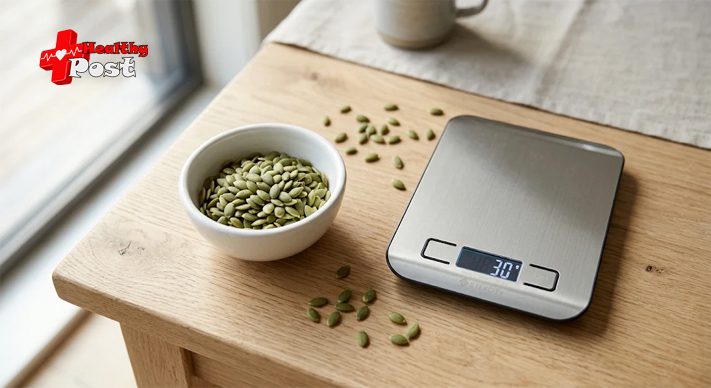
For most healthy adults, about 20–30 g of shelled seeds a day is a practical guide, which is roughly one small handful or two level tablespoons. This is a sensible portion, not an official requirement. The benefits of eating pumpkin seeds daily come from consistency within a varied diet rather than from larger amounts.
Because 30 g supplies around 170 calories, adjust the portion to your energy needs. Someone who is very active may add more without issue, while a person watching their calorie intake may stick to a tablespoon or two. Unsweetened seeds can also suit people with diabetes in modest portions, though individual advice from a dietitian is worth having.
What Happens If You Eat Too Many?
Eating a large bowl at once is easy because the seeds are small and moreish. Overdoing it can add a surprising number of calories, and a large intake of fibre and fat in one sitting can cause gas, bloating or loose stools. A weekly pattern of moderate servings tends to be easier on both digestion and weight.
Raw vs. Roasted Pumpkin Seeds: Which Is Better?
Both forms can fit a healthy diet. The more useful question is what has been added, not whether the seeds were heated.
| Feature | Raw pumpkin seeds | Roasted pumpkin seeds |
|---|---|---|
| Texture | Softer | Crunchier |
| Taste | Mild, nutty | Stronger, toastier |
| Preparation | No roasting required | Heat-treated |
| Nutrition | Original nutrient composition | Some heat-sensitive nutrients may change |
| Sodium | Naturally low if unsalted | Depends on added salt |
| Best choice | Unsalted and fresh | Lightly roasted and unsalted |
Raw is not automatically healthier. Light roasting improves flavour and may make the seeds more appealing to eat regularly, which counts for something. What matters is avoiding heavy salt, sugar coatings and very high-temperature roasting that can scorch the oils.
Potential Side Effects of Pumpkin Seeds
For most people pumpkin seeds are safe in food amounts, but a few precautions are worth knowing:
- Calories: a generous portion adds up quickly, so measure rather than eat from the bag.
- Digestive discomfort: too many seeds at once may cause bloating, gas or abdominal discomfort, particularly if your usual fibre intake is low.
- Allergy: seed allergies are uncommon but possible. Stop eating them and seek medical advice if you notice itching, swelling or breathing difficulty.
- Sodium: salted varieties can contribute more sodium than you expect.
- Shells and choking: shell fragments can irritate the digestive tract, and whole seeds are a choking risk for young children.
People with active digestive symptoms, a diagnosed bowel condition or a prescribed diet should ask their doctor or dietitian. Tolerance varies a lot, and having gastritis or an ulcer does not automatically mean you must avoid seeds.
How to Add Pumpkin Seeds to Your Daily Diet
Because the seeds taste mild, they blend into most meals. Stir them into oatmeal, scatter them over salads and soups, blend a spoonful into a smoothie, or fold them into plain yoghurt. They also work in homemade whole-grain bread, and a mix of pumpkin seeds, other seeds and nuts makes a handy snack.
Storage affects both flavour and safety. Keep seeds in an airtight container in a cool, dry, dark place, and refrigerate or freeze them if you buy in bulk, since their oils can turn rancid. Discard any that smell sour, taste bitter or show mould.
Frequently Asked Questions
Are pumpkin seeds good to eat every day?
For most healthy adults, yes, in a portion of around 20–30 g. Choose unsalted seeds and count them toward your daily calories.
Do pumpkin seeds help you sleep?
They contain tryptophan and magnesium, both linked to sleep-related processes, but the amounts in a handful are small. There is no solid evidence that they treat insomnia.
Are pumpkin seeds good for men’s health?
They provide zinc and magnesium, which support normal reproductive and muscle function. Evidence for effects on testosterone or prostate conditions is limited.
Are pumpkin seeds good for women’s health?
They contribute iron, zinc, protein and magnesium, which support blood, skin and muscle health. They do not balance hormones or treat PMS.
Do pumpkin seeds help lower blood sugar?
Magnesium plays a part in glucose metabolism, and unsweetened seeds are unlikely to spike blood sugar. They are not a reliable blood-sugar treatment and never replace medication.
Can eating pumpkin seeds cause digestive problems?
Large portions may cause gas, bloating or loose stools, and shell fragments can irritate some people. Starting with a tablespoon and increasing gradually usually helps.
Final Thoughts
So what do pumpkin seeds do for your body? They provide magnesium, zinc, iron, protein, healthy fats, fibre and antioxidants in a small package, all of which support everyday heart, muscle, nerve, immune and digestive function. Their benefits are real but modest, and they work best as one of many foods in a balanced diet. A small handful most days, unsalted and enjoyed with a varied diet, is a practical way to use them. If you take regular medication, have diabetes, a digestive condition or an allergy, check with a healthcare professional before changing what you eat.
References
- National Institutes of Health, Office of Dietary Supplements. Magnesium: Fact Sheet for Health Professionals. Magnesium content of pumpkin seeds and other foods; absorption and Daily Value.
- British Heart Foundation. Seeds: what are the health benefits?. Nutrient profile of pumpkin seeds and the state of research on seeds and heart health.
- Antoniou V, Gauhar V, Modi S, Somani BK. Phytotherapy for lower urinary tract symptoms due to benign prostatic hyperplasia. PubMed Central, PMC10003922. Review of plant-based therapies, including pumpkin seed oil.