
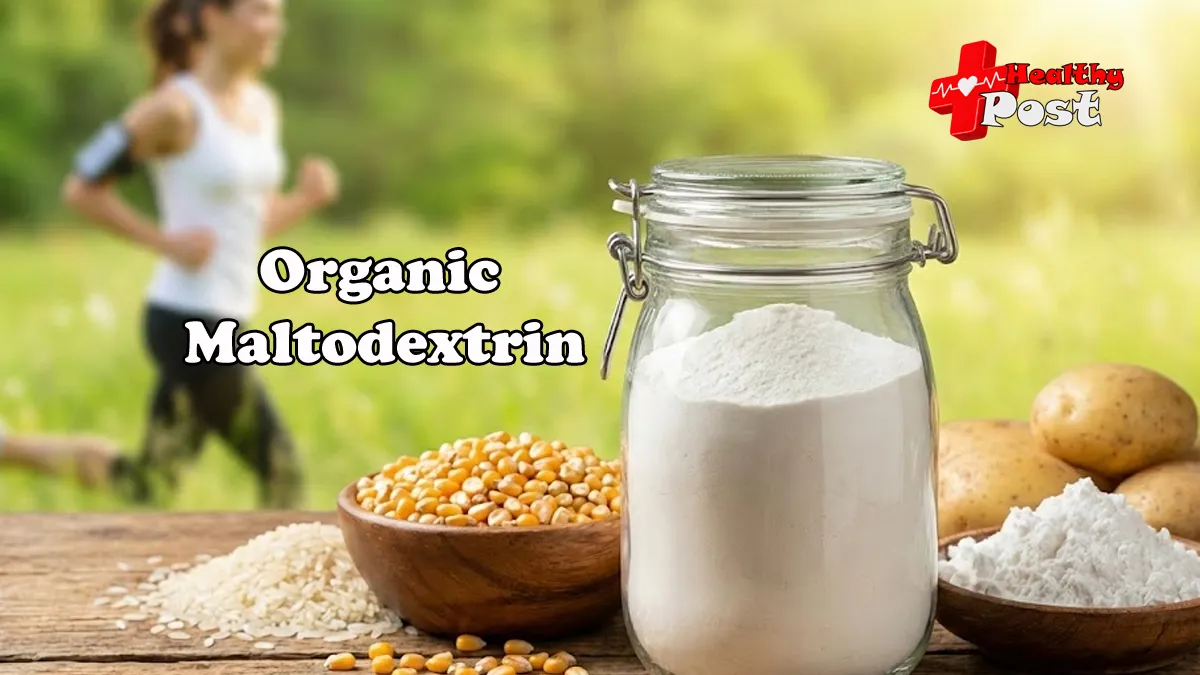
10 Amazing Organic Maltodextrin Benefits That Will Boost Your Health
Staying energized and nourished can feel challenging in a busy world. If you follow an active, health‑conscious, or organic lifestyle, you may have seen organic maltodextrin on ingredient labels and wondered what it really does. 🌿
This gentle, plant‑based carbohydrate shows up in sports drinks, supplements, and even baby food. Used wisely, it can support energy, digestion, and practical everyday nutrition. In this guide, we will unpack how it works, explore key organic maltodextrin benefits, and help you decide if it fits your routine.
What is organic maltodextrin?
To understand what is organic maltodextrin, it helps to start with the basics. Maltodextrin is a carbohydrate made by breaking down starch from plants. Manufacturers usually use corn, rice, potato, or tapioca.
Organic versions follow certified organic farming and processing rules. That means the plants are grown without synthetic pesticides, most synthetic fertilizers, or genetically modified organisms (GMOs).
The starch is cooked and treated with natural enzymes or acids. This breaks long starch chains into shorter ones that your body digests quickly. The final product is a fine, almost tasteless powder that mixes easily with liquids.
Many people prefer the organic form because it matches their values around cleaner farming and fewer chemical inputs. It also supports companies that choose more sustainable growing practices. 🌱
Organic vs conventional maltodextrin at a glance
| Feature | Organic maltodextrin | Conventional maltodextrin |
|---|---|---|
| Source crops | Certified organic corn, rice, potato, or tapioca | Standard crops, may be GMO or heavily sprayed |
| Farming practices | No synthetic pesticides or GM seeds allowed | May use synthetic pesticides, herbicides, and GM seeds |
| Additives in processing | Must follow organic processing rules | Wider range of processing aids allowed |
| Typical use | Organic drinks, clean label snacks, supplements | Standard processed foods, sports drinks, sweets |
If you already choose organic fruits, vegetables, and grains, this organic carbohydrate powder can be a consistent match.
Key health advantages of this organic carbohydrate
Organic maltodextrin often appears on labels in tiny amounts, yet it can still play a meaningful role. Below are the top 10 ways it may support health and lifestyle when used with care. We will also touch briefly on organic maltodextrin benefits and where they fit best.
1. Quick and gentle energy boost ⚡
This ingredient is a fast‑digesting carbohydrate. Your body breaks it down into glucose, which cells use for energy. Because it dissolves easily, it can be ideal when you need quick fuel.
Typical situations include:
- A pre‑workout drink before a run or gym session
- A mid‑game drink for team sports
- A small boost during a long hike
In these moments, a modest serving can help maintain blood sugar and reduce fatigue. It works best alongside water, electrolytes, and sometimes protein for a more balanced intake.
2. Support for athletes and active people 🏃♀️
Endurance and high‑intensity exercise place extra demands on your body. Carbohydrates are the main fuel for moderate to intense activity. Research on the role of carbohydrates in sports nutrition shows that easily absorbed carbs support performance and recovery.
Because this organic powder dissolves well and has a neutral taste, companies often add it to:
- Sports drinks and gels
- Recovery shakes
- Energy bars and chews
For example, a cyclist might sip a drink containing this ingredient during a long ride. The quick carbohydrate can help delay fatigue and support steady power output.
Balanced intake is still important. Pairing it with complex carbs, protein, and healthy fats supports better long‑term health.
3. Helpful for people with low appetite or higher calorie needs
Some people struggle to meet their energy needs from whole foods alone. This can include:
- Older adults with reduced appetite
- People recovering from illness or surgery
- Those with very high activity levels
Because it is almost tasteless, this organic carb can add calories without making food heavy or overwhelming. A dietitian might suggest a small amount in smoothies, soups, or homemade oral nutrition drinks.
One caregiver example: blending fruit, yogurt, nut butter, and a spoonful of this powder. The drink stays easy to swallow yet provides more energy.
4. May be easier on digestion than some sweeteners 🙂
Many people experience gas, bloating, or cramping from sugar alcohols like sorbitol or xylitol. For some, even large amounts of fiber can cause discomfort.
This starch‑based ingredient usually digests higher up in the small intestine. That means less leftover material reaches the colon where gas‑producing bacteria live.
Of course, every body is different. But for many, this carbohydrate feels gentler than some artificial sweeteners or heavy sugar alcohol blends.
5. Useful carrier for nutrients in supplements
Designing a stable supplement or fortified drink is complex. Nutrients like vitamins, minerals, and probiotics can be fragile. Producers often need a “carrier” ingredient to hold them, blend them, and keep them evenly spread.
This organic carb powder works well in that role because it:
- Mixes smoothly with many ingredients
- Has almost no flavor
- Helps keep powders from clumping
That is why you may see it in vitamin powders, electrolyte packets, or probiotic blends. In these products, it helps deliver nutrients in a consistent, easy‑to‑use way.
6. Supports a cleaner, organic ingredient list 🌿
For many people, one key benefit is emotional and ethical. Choosing organic products often feels more aligned with their values.
Using the organic version of this carbohydrate allows brands to create:
- Certified organic sports drinks and recovery mixes
- Organic baby formulas or children’s supplements
- Organic snack bars with simpler labels
Organic certification follows strict rules. You can learn more about USDA organic certification standards from official resources such as the USDA Organic program. This can build trust for those who want consistent standards across their food choices.
7. Versatile in special diets (gluten‑free, dairy‑free, vegan)
This powder is naturally gluten‑free as long as it comes from gluten‑free sources like corn, rice, or tapioca. Many products using it are also dairy‑free and vegan.
That versatility is helpful for:
- People with celiac disease who need gluten‑free ingredients
- Vegans seeking animal‑free supplements
- Families managing multiple food allergies
Still, always read labels carefully. Look for clear gluten‑free or allergy statements when needed.
8. Helps improve texture and stability in healthy recipes
Even small amounts can change how a food or drink feels. This can help healthier products taste more appealing.
For example, it can:
- Make a protein shake feel smoother
- Help a low‑sugar sauce coat food more evenly
- Keep homemade sports drinks more consistent
Better texture can make it easier to stick with healthier choices. When nutritious foods taste pleasant, you are more likely to enjoy them regularly. 😋
9. Can support blood sugar management when used thoughtfully
Maltodextrin has a relatively high glycemic index. That means it can raise blood sugar more quickly than many complex carbs. However, total impact depends on serving size and what you eat with it.
In small, planned amounts, especially around exercise, it can fit into some blood sugar strategies. Pairing it with protein, fiber, and healthy fats may blunt rapid spikes.
For those with diabetes or prediabetes, medical guidance is essential. It is wise to discuss the glycemic index of maltodextrin with a healthcare provider or dietitian before regular use.
10. Makes nutrition more accessible in real‑world situations
Life is busy. Many people cannot prepare every meal from scratch. This is where realistic solutions can help.
Products using small amounts of this ingredient can offer:
- Portable energy during long workdays
- Simple recovery after a demanding workout
- Reliable nourishment during travel or illness
One real‑life example: a parent keeping organic drink mixes on hand for a teen athlete. The convenience helps the teen refuel, while the parent feels better about the cleaner ingredient list.
Where these benefits fit best
When you see discussions of organic maltodextrin benefits, remember that context matters. This ingredient works best as a small supportive tool, not the foundation of a diet.
Whole foods like fruits, vegetables, whole grains, nuts, and legumes should still form the base of your eating pattern. Think of this carb powder as a bridge between ideal nutrition and real‑life demands.
Potential organic maltodextrin side effects and safety tips ⚠️
Despite its advantages, this ingredient is not perfect for everyone. Understanding possible effects can help you use it wisely.
Common concerns
- Blood sugar spikes: Larger servings may raise blood sugar quickly.
- Digestive discomfort: Some people report gas, bloating, or loose stools, especially with high doses.
- Weight gain: Extra calories from any source can contribute to weight gain over time.
Reactions vary widely. Many people tolerate modest amounts well, especially when spaced through the day.
Who should be cautious
- People with diabetes or prediabetes
- Those following very low‑carb or ketogenic diets
- Anyone with unexplained digestive issues
If you fall into these groups, talk with your healthcare provider before making it a regular part of your diet. They can help you interpret research, such as studies on maltodextrin and gut health in scientific journals like PubMed.
Practical safety guidelines
- Keep servings modest, especially at first.
- Avoid taking large amounts on an empty stomach.
- Combine it with protein or fiber for more stable energy.
- Choose products with simple, transparent ingredient lists.
Listening to your body is key. If you notice changes in digestion, blood sugar, or energy, adjust your intake and seek guidance.
Choosing the right organic maltodextrin alternate
Some people decide this ingredient is not a match for their needs. Others want to rotate with different options. In those cases, an organic maltodextrin alternate can help.
Possible whole‑food based alternates
- Bananas or dates: Natural, portable carbs for quick energy.
- Oat flour: Adds both carbs and fiber to smoothies or bakes.
- Cooked and blended sweet potato: Great for thicker shakes or purees.
These options also provide vitamins, minerals, and phytonutrients. They are less processed and can support long‑term health goals.
Other functional carbohydrate powders
- Organic dextrose: Another fast‑acting carb, often used in sports drinks.
- Organic tapioca syrup solids: Sometimes used for gentle sweetness and texture.
- Isomaltulose: A slower‑digesting carb that may support steadier energy.
Each option has pros and cons. Your best choice depends on blood sugar needs, digestive tolerance, and personal values.
How to use this ingredient wisely in daily life
If you choose to include this organic carb, thoughtful use matters. Here are simple ways to fit it into a balanced routine.
Smart timing ideas
- Before workouts: A small amount in water or a smoothie 30–60 minutes before exercise.
- During long workouts: Sipped in a diluted drink for endurance sessions over an hour.
- After intense sessions: Paired with protein to support recovery.
These are general suggestions, not strict rules. Individual needs vary with sport, body size, and goals.
Portion and pairing tips
- Start with the smallest serving suggested on the product label.
- Combine with fruit, yogurt, or nuts rather than taking it alone.
- Avoid using it as the main carbohydrate at every meal.
You can also speak with a dietitian who understands the role of carbohydrates in sports and clinical nutrition to personalize your plan.
FAQs about organic maltodextrin
Is this ingredient natural?
It starts from natural plant starch, such as corn, rice, or tapioca. However, it is considered a processed ingredient, even in organic form.
Is it safe during pregnancy or breastfeeding?
Most products use small amounts that many people tolerate well. Still, pregnant or breastfeeding individuals should discuss any new supplement or drink with their healthcare provider.
Can it be part of a weight‑loss plan?
It provides calories without much fullness. For weight loss, whole foods with fiber and protein are usually better foundations. Small amounts may fit, but they should not crowd out more nutritious choices.
Is it suitable for children?
Many children’s products use it in modest amounts. For kids, focus on whole foods first. Use products containing this ingredient under pediatric guidance, especially for those with medical conditions.
Does it affect the gut microbiome?
Research is still evolving. Some studies suggest high intakes of maltodextrin may influence gut bacteria and inflammation. Moderate use, especially as part of a diet rich in fiber and whole foods, is likely safer.
Is it better than sugar?
“Better” depends on context. Both provide quick energy and calories. This ingredient has a neutral taste and useful technical properties, while sugar is sweeter. Neither should be the main focus of a healthy diet.
Conclusion: finding your balance with organic maltodextrin 🌈
Used thoughtfully, organic maltodextrin can be a practical tool. It offers quick energy, supports active lifestyles, and helps create cleaner, organic products. At the same time, it is still a refined carbohydrate that deserves respect and moderation.
The most important step is aligning your choices with your health needs, values, and daily reality. You might use small amounts before long workouts, rely on it during recovery from illness, or decide to focus instead on whole‑food alternates.
If you are unsure how this ingredient fits your situation, consider speaking with a registered dietitian or healthcare provider. They can help you weigh its pros, potential risks, and the best options for your body.
With mindful choices and a foundation of whole, colorful foods, you can decide if and how organic maltodextrin belongs in your path toward better health. 💚

One thought on “10 Amazing Organic Maltodextrin Benefits That Will Boost Your Health”