

Clinical Authorship & Verification
This article has been written by Dr. Himanshu Gupta (Orthopedics & Robotics, Amicare Hospital ↗), specializing in joint preservation, sports injuries, and musculoskeletal care.
Medical Disclaimer: The information on Healthy Post is for educational and informational purposes only and does not constitute medical advice. Anterior knee pain can stem from various sources, including bursitis, patellar tendinitis, or internal joint derangements, each requiring distinct treatment protocols. Always consult a qualified orthopedic specialist or physician for formal physical examinations, accurate diagnostic imaging, or targeted therapeutic interventions.

🏥 Medical Review Board Member
Dr. Himanshu Gupta
Orthopedic Specialist | Amicare Hospital (Ghaziabad, India)
Dr. Himanshu Gupta is a distinguished medical professional with over 20 years of expertise in orthopedics and joint replacement surgery. As the Chief Orthopedic and Director at Amicare Hospital, he specializes in advanced robotic-assisted procedures and sports injury management, dedicated to enhancing mobility and quality of life for his patients. Dr. Gupta is committed to bridging the gap between complex surgical clinical practice and accessible, evidence-based patient education. His rigorous approach to medical oversight ensures that every piece of content he reviews meets the highest standards of clinical accuracy, safety, and reliability.
Many people experience knee pain , some even repeatedly. However, they often don’t know where the pain is coming from. If you experience frequent knee pain and discomfort, consider prepatellar bursitis.
What is prepatellar bursitis?
Related article:
A set of exercise prescriptions for back pain and knee pain
Talk about the relationship between weight loss and knee pain
Can climbing stairs as a rehabilitation exercise also relieve knee pain?
The patellar bursa is located between the skin, patella, and patellar ligament, covering the lower half of the patella and the upper half of the patellar ligament. Patellar bursaenlargement due to synovial congestion , edema, and increase synovial fluid cause by trauma or infection is call prepatellar bursitis . Prepatellar bursitis generally refers to primary, sterile inflammation of the prepatellar bursa. Inflammation of the bursa in front of the knee is also known as waiter’s knee.
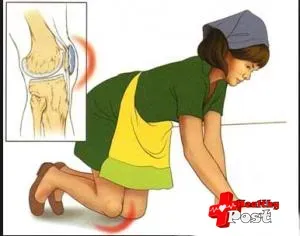
Symptoms : Discomfort on the inside of the knee , pain that worsens when climbing stairs; pain when touched, and a warm feeling, there may be swelling, knee pain, redness, and limited movement.
Cause: Excessive kneeling, directly hitting the front of the knee or the patellar tendon below.
Recovery: Usually recovers within a few weeks with proper treatment
Pathogenesis: How the bursa in front of the patella of the knee joint is caused. The bursa prevents friction between bones and soft tissues (muscles, tendons, skin and ligaments).
When there is a lot of pressure or friction on the bursa, the bursa will secrete more fluid to protect the tissue and reduce friction. At this time, the bursa is filled with fluid and even swollen, resulting in what is called bursitis.
Prepatellar bursitis is common in people who work in a kneeling position for long periods of time, such as miners and cleaners who kneel to scrub floors. Moisture, compression, friction, and minor injuries to the skin are also important causes of the disease.
Acute traumatic bursitis often presents with synovial edema and joint effusion, which resolve rapidly with treatment, allowing the bursa to return to normal. Chronic bursitis, however, causes irreversible pathological damage to the bursa. Initially, bloody exudate and synovial swelling develop, followed by chronic inflammatory changes, cyst wall atrophy, partial pseudovilli hyperplasia, and the formation of irregular fibrous scars as the bloody fluid organizes.
During an acute attack of prepatellar bursitis, conservative treatments such as local blockade and immobilization and rest can be chosen , which have certain effects. When there is a large amount of fluid accumulation, sterile puncture from the side to extract the fluid and then apply pressure bandage can be considered. For those with repeated attacks and hyperplasia of the cyst wall, surgical removal can be perform.
Nursing principles for prepatellar bursitis
1. Pay attention to weather changes and avoid dampness and coldness
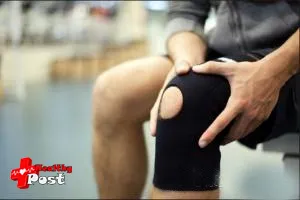
Pay more attention to keeping warm, make sure the room is well-lit, and protect the affected joints with protective sleeves. Exercise regularly to prevent sports injuries, maintain a normal weight, and avoid obesity.
2. Avoid eating irritating, cold, and hard foods
Don’t eat foods that are difficult to digest, and eat foods that are easily digestible. We can choose foods that are both delicious and healthy. Don’t always eat out. The food outside is too greasy and bad for the body.
3. Change bad habits
Avoid excessive drinking and eat a balanced diet. Nutrition should be increase in the diet. Eat more milk, eggs, and soy products to supplement adequate protein and multiple vitamins, especially vitamin C and vitamin D. Also, take foods rich in calcium.
4. Prevent excessive fatigue
During the acute phase, you should reduce activity and avoid forced exercise. You can rest to keep the joints functioning. During the subacute or remission phase, you can perform exercise care to prevent muscle atrophy and joint stiffness. This can maintain optimal joint function.
Remember, accurately diagnosing the cause of your anterior knee pain is the best way to completely resolve your knee problem. This is only the first very important step. Seeking a professional and experienced physical therapist is the right start.
Frequently Asked Questions
What is prepatellar bursitis and what causes it?
Prepatellar bursitis is the inflammation of the bursa—a fluid-filled sac located just in front of the kneecap (patella). It is commonly caused by prolonged or repetitive pressure on the knees (such as frequent kneeling from flooring work, gardening, or cleaning), acute trauma or direct falls on the knee, or underlying inflammatory conditions.
How can I tell the difference between prepatellar bursitis and other knee injuries?
Prepatellar bursitis typically presents with localized swelling, warmth, and tenderness directly over the kneecap, often with a visible fluid cushion. While it can make bending the knee uncomfortable due to tight skin tension, true internal joint issues like meniscus tears or ligament sprains usually cause deep joint instability, locking, or generalized pain throughout the inner or outer joint space.
Is prepatellar bursitis considered a serious medical condition?
In most cases, acute or mild prepatellar bursitis is a manageable inflammatory condition that responds well to conservative care, such as rest, ice, compression, and avoiding repetitive kneeling. However, it requires careful monitoring because it can sometimes become infected (septic bursitis), which necessitates prompt medical evaluation and antibiotics.
What are the standard conservative treatments for knee bursitis?
Initial treatment protocols generally follow the R.I.C.E. method alongside nonsteroidal anti-inflammatory drugs (NSAIDs) to reduce swelling. Physical therapy focusing on surrounding muscle flexibility and ergonomic knee padding is also recommended. In cases of persistent sterile swelling, an orthopedist may perform a gentle fluid aspiration or administer a targeted corticosteroid injection.
When should I see an orthopedic specialist for anterior knee pain?
You should schedule an evaluation with an orthopedic physician if you experience rapidly worsening pain, severe swelling, skin redness spreading outward, or systemic symptoms like fever and chills, as these can indicate an infectious process requiring immediate clinical intervention.