


Clinical Authorship & Verification
This article has been written by Dr. Himanshu Gupta (Orthopedics & Robotics, Amicare Hospital ↗), specializing in joint health, skeletal preservation, and orthopedic care.
Medical Disclaimer: The information on Healthy Post is for educational and informational purposes only and does not constitute medical advice. Bone hyperplasia and mineral absorption dynamics are complex biological processes influenced by joint mechanics, age, and systemic health. Always consult a qualified orthopedic specialist or physician before making changes to your dietary supplement routine or evaluating localized bone spurs.

🏥 Medical Review Board Member
Dr. Himanshu Gupta
Orthopedic Specialist | Amicare Hospital (Ghaziabad, India)
Dr. Himanshu Gupta is a distinguished medical professional with over 20 years of expertise in orthopedics and joint replacement surgery. As the Chief Orthopedic and Director at Amicare Hospital, he specializes in advanced robotic-assisted procedures and sports injury management, dedicated to enhancing mobility and quality of life for his patients. Dr. Gupta is committed to bridging the gap between complex surgical clinical practice and accessible, evidence-based patient education. His rigorous approach to medical oversight ensures that every piece of content he reviews meets the highest standards of clinical accuracy, safety, and reliability.
In daily life, when people talk about bone hyperplasia, they always subconsciously judge that it is a disease caused by excessive calcium supplementation, which leads to bone protrusions based on the word “increase”.
Is bone hyperplasia really caused by excessive calcium supplementation?
Bone hyperplasia: a product of the body’s self-protection mechanism. In fact, it is also commonly known as ” bone spurs .” It is a degenerative change in the human skeleton, where extra bone grows at the edges of normal bones and joints. It is more common in middle-aged and elderly people over 45 years old, and often occurs in weight-bearing and mobile areas such as the cervical and lumbar spine, and the iliac and knee joints of the lower limbs.
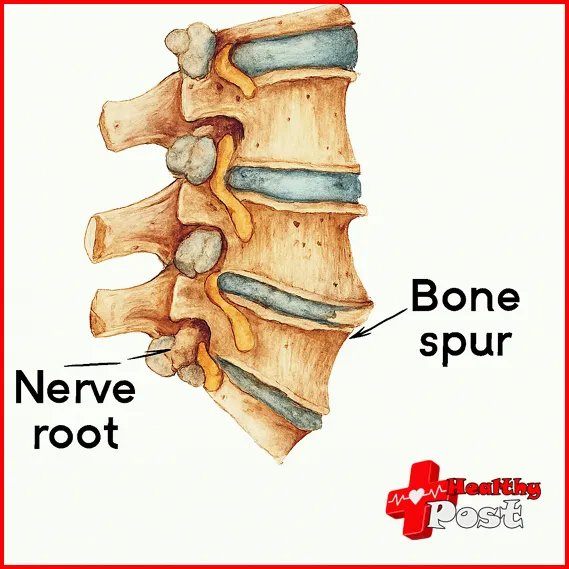
Generally speaking, human bones and joints begin to be damaged at the age of 20; by around the age of 40, after 20 years of consumption and wear, nearly 90% of weight-bearing joints will undergo more or less proliferative changes.
When we are young, our joint cartilage is very elastic and can bear a certain amount of pressure and weight. However, as we age, our joints gradually age, and the cartilage begins to break down and thin. Long-term wear and tear can accelerate the loss of cartilage.
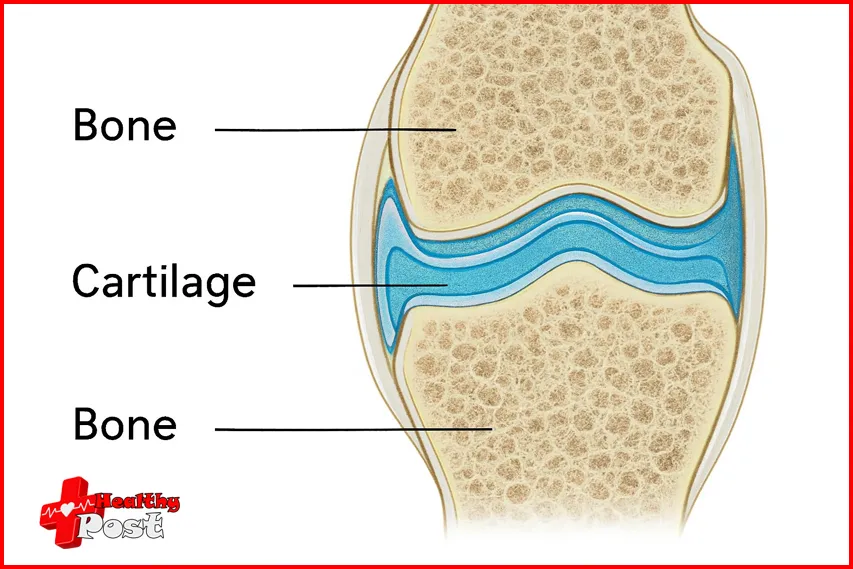
Over time, the balance of joints and bones is broken. In order to restore this balance, the human body will use its own self-protection mechanism to compensate, and it will occur.
Coexistence of bone hyperplasia and osteoporosis
Contrary to the commonly known belief that “osteoporosis is generally caused by calcium deficiency”, most cases of bone hyperplasia are actually caused by calcium deficiency. It generally coexists with osteoporosis. Most patients with bone hyperplasia also suffer from osteoporosis. The two are like two melons on the same vine.
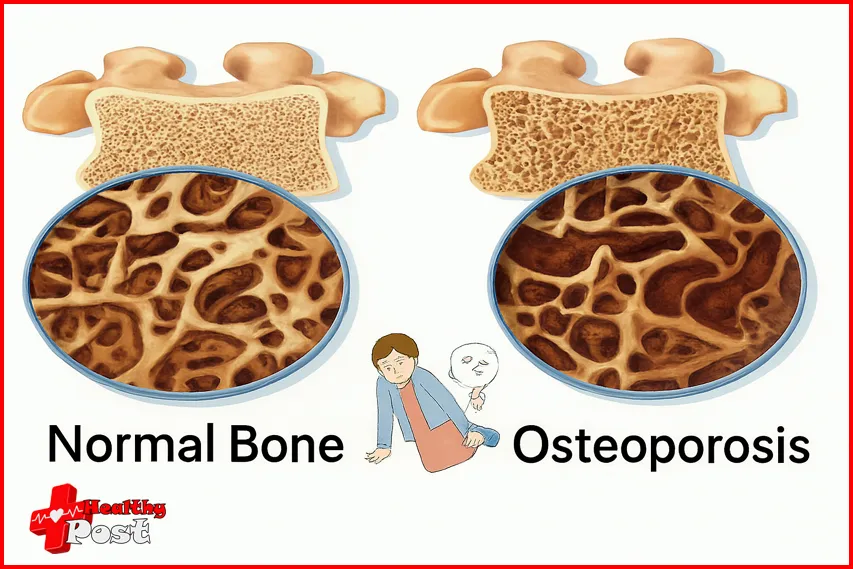
As we age, bone synthesis decreases. If collagen and calcium are not replenished in time, the body will increase the activity of osteoclasts , which will take calcium and phosphorus from the bones for it. As a result, the calcium and phosphorus in the original bones will decrease, and osteoporosis will gradually worsen.
Patients with bone hyperplasia can supplement calcium
Osteoarthritis is primarily caused by aging and strain on the bones. The body’s need to maintain a stable state of long-term or high-intensity activity leads to bone hyperplasia. So, for patients who already have bone hyperplasia (bone spurs), will calcium supplementation make the bone hyperplasia worse?
Here we would like to remind everyone that patients with bone hyperplasia can definitely take calcium supplements. Some people may be influenced by the previous misconception that “bone hyperplasia is caused by excessive calcium supplementation” and therefore hesitate to take more calcium supplements, fearing that further calcium supplementation will aggravate the condition.
The truth may be quite the opposite. Physical examinations of patients with bone hyperplasia may reveal a calcium deficiency. This is because calcium deficiency can affect the shape, structure, and function of bones, which in turn affects joint function and can actually promote bone growth. Therefore, patients with bone hyperplasia can and should take calcium supplements.
How to prevent and slow down it?
Although calcium is the main component of bones, it does not mean that calcium supplementation will continue to make bones grow. Among patients with bone hyperplasia, middle-aged and elderly people account for the vast majority, and many patients with bone hyperplasia are often accompanied by osteoporosis, so don’t be caught off guard by calcium supplementation.
In daily life, some occupations are prone to bone hyperplasia. For example, desk workers and teachers, who spend long periods of time looking down at a computer. They can develop it in the cervical spine. Athletes and those who do heavy physical labor can develop bone hyperplasia in the lumbar spine and legs. Furthermore, those who stay up late for long periods of time are also prone to bone hyperplasia at a young age due to excessive fatigue.
In addition, bone hyperplasia is also related to many factors such as diet, drinking water, race and genes.
To address bone hyperplasia, the first step is to control obesity, as being overweight can easily lead to bone hyperplasia. Second, adjust your work and lifestyle and avoid sitting in one position for extended periods. This can overwork certain muscles or bones, leading to bone hyperplasia. Third, pay attention to your diet. B vitamin intake is associate with it, and a deficiency can exacerbate it.
In addition, I have different suggestions for the elderly and young people. For the young people, I suggest not to overwork and not to over-exercise.
The opposite is true for the elderly. Their bones and muscles are not strong, and they are prone to muscle atrophy. This is when bone growth occurs to replace muscle. Therefore, for the elderly, I recommend moderate physical training to increase trunk and limb muscle strength, as well as exercises to protect the bones, which can reduce bone growth.
It’s also important to emphasize that although calcium is the main component of bones, supplementing with calcium doesn’t necessarily mean bones will continue to grow. The majority of patients with bone hyperplasia are middle-aged and elderly, and many of these patients also suffer from osteoporosis. Therefore, don’t be caught off guard by calcium supplementation.
Frequently Asked Questions
What is bone hyperplasia and how does it develop?
Bone hyperplasia refers to the abnormal or excessive multiplication of normal cells within bone tissue, frequently manifesting as osteophytes or bone spurs. It typically develops as a compensatory response to chronic joint stress, wear and tear, or localized inflammation, where the body attempts to stabilize an unstable or aging joint.
Is bone hyperplasia caused by taking too much calcium?
No, consuming dietary calcium or standard calcium supplements does not directly cause bone hyperplasia or bone spurs. Bone spurs are driven by mechanical stress and localized joint degeneration rather than a simple excess of circulating calcium in the bloodstream.
Can a calcium deficiency directly trigger bone overgrowth?
While a calcium or vitamin D deficiency impairs overall bone density and structural strength (as seen in conditions like osteomalacia or osteoporosis), it does not directly trigger localized bone overgrowth. Instead, weakened joints resulting from mineral imbalances are more prone to mechanical instability, which indirectly accelerates the degenerative changes that form bone spurs.
What are the most common symptoms of bone hyperplasia?
Many bone spurs cause no symptoms and are only discovered incidentally through X-rays. However, when they compress nearby nerves, rub against soft tissues, or restrict joint movement, they can cause localized pain, stiffness, popping or grinding sensations, numbness, and reduced range of motion.
When should I consult an orthopedic specialist about bone spurs?
You should schedule an evaluation with an orthopedic physician if joint stiffness or pain begins interfering with your daily activities, if you experience persistent nerve pain or numbness, or if a joint locks up or swells repeatedly. Professional imaging is required to properly assess the underlying cause and determine the best management strategy.

2 Comments
Pingback: Prepatellar bursitis is a cause of anterior knee pain that cannot be ignored - Healthy Post
Pingback: Bursitis: A Hidden Cause of Anterior Knee Pain