
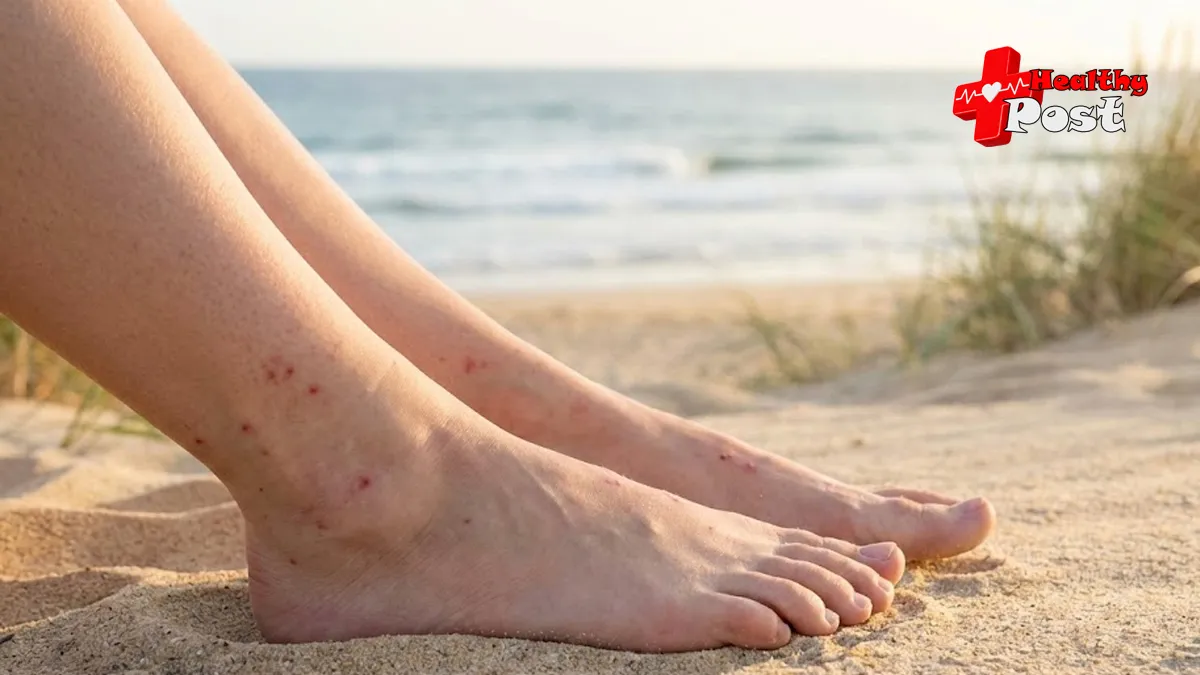
7 Shocking Facts About Sand Flea Bites and Their Treatment
Spending time on the beach should feel relaxing, not scary. Yet many people return from a sunny vacation with intense itching and strange red spots. Often, those are sand flea bites. They can seem harmless at first. Then the swelling, pain, and worry begin.
If you have mysterious bites after a trip to the coast, you are not alone. Many people do not realize how complex these tiny pests can be. Understanding what is really going on under your skin makes treatment easier and safer.
This guide breaks down seven eye‑opening facts about these bites, what they mean for your health, and how to handle them with confidence. 💡
1. Sand Flea Bites Are Not Always From a “Flea” 😬
When people say “sand fleas,” they may mean very different creatures.
There are two main culprits:
- Tiny biting midges (often called “no‑see‑ums”).
- True sand fleas or chigoe fleas (Tunga penetrans), which can burrow.
The first type is common in many coastal areas. These tiny flying insects bite exposed skin. Their bites usually stay on the surface.
The second type is more serious. Chigoe fleas live in sandy areas in parts of:
- Africa
- The Caribbean
- Central and South America
The female flea can burrow into the skin. That condition is called tungiasis. It is more than a simple insect bite. It is an active infestation.
Why this matters:
Surface bites often respond well to home care. Burrowing fleas may need medical removal. Mixing them up can delay proper treatment.
👉 If you walked barefoot on tropical beaches and now see a painful, raised spot, pay close attention. Especially if it is on toes, soles, or under toenails.
2. Many People Misread the Rash and Delay Treatment ⏱️
A big problem is confusion. These bites often look like many other skin issues. People ask online: what do sand flea bites look like? The answer can be tricky.
They can resemble:
- Mosquito bites
- Bed bug bites
- Regular flea bites from pets
- Contact dermatitis
- Allergic hives
Common visible features
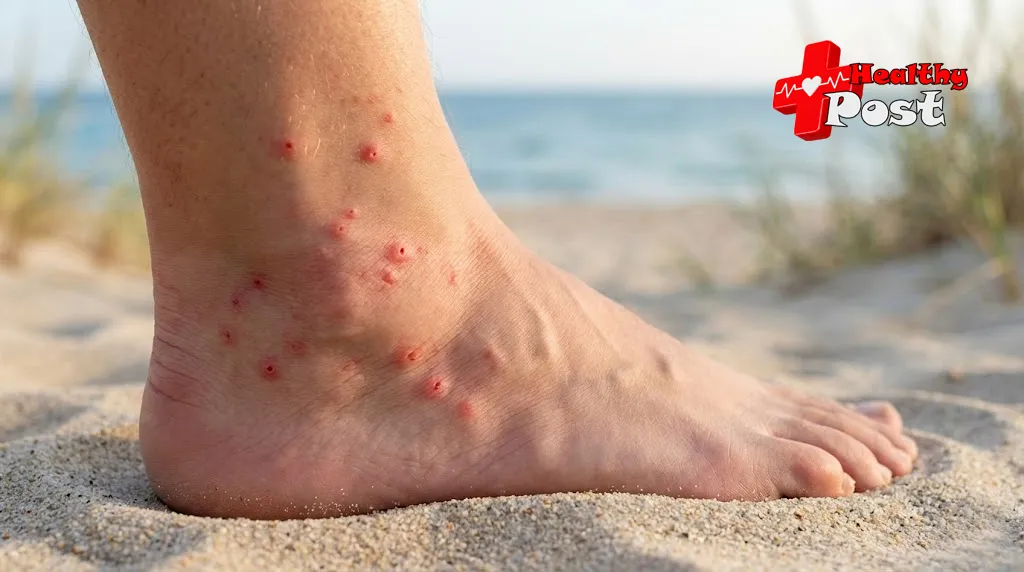
For typical surface bites, you may see:
- Small, red bumps.
- Clusters around ankles, calves, or waistline.
- Strong itch, worse at night or after a hot shower.
- Possible tiny blisters or welts.
For burrowing fleas (Tunga penetrans), the spot can look very different:
- A firm white or skin‑colored bump.
- A black dot in the center (the flea’s back end).
- Rapid increase in size over days.
- Painful pressure when you walk.
Because of this overlap, many people misdiagnose themselves. They treat for bed bugs or allergies. Meanwhile, the problem worsens.
Real‑life example:
A traveler spent a week in Brazil. She thought her painful toe was a blister from walking. Days later, the bump grew, and her nail lifted. The doctor found a burrowing sand flea that needed removal.
Recognizing the pattern early can save you from complications.
3. What Do Sand Flea Bites Look Like Up Close? 🔍
Let’s answer what do sand flea bites look like in more detail. The exact look helps guide what to do next.
Surface “no‑see‑um” type bites
These are the most common on popular beaches.
They often:
- Appear as red, itchy welts.
- Show up in clusters or lines.
- Prefer thin skin: ankles, backs of knees, waist, arms.
- May feel like they appear out of nowhere.
You might notice them mostly after:
- Sitting on the sand without a towel.
- Walking at sunrise or sunset.
- Staying near damp, seaweed‑covered areas.
Burrowing flea lesions
Burrowing fleas usually attack the feet. Especially:
- Between toes
- Under toenails
- On heels and soles
Look for:
- A round bump, about the size of a pea.
- A dark central spot, like a tiny black eye.
- Thick skin forming a rim around the center.
- Discomfort or pain when walking.
If you are unsure, comparing photos from trusted sources can help. For reliable reference, see sand flea bites illustrations and explanations from Healthline.
⚠️ Do not ignore a single painful bump on your foot after travel to tropical regions. It may be more than an ordinary bite.
4. In Some Cases, a Single Bite Can Turn Into a Skin Infestation 😱
This is one of the most shocking facts. A single female chigoe flea can live inside your skin. She feeds on your blood and lays eggs. The bump you see is her enlarged body.
Over about two weeks, the bump can:
- Grow larger and more tense.
- Feel hot, painful, or tender.
- Sometimes ooze or crack.
If not managed correctly, this can lead to:
- Secondary bacterial infection.
- Ulcers and open wounds.
- Deformities of toes or nails.
- Multiple lesions as eggs fall back into the sand.
In areas where tungiasis is common, serious disability can occur. People may have hundreds of lesions. Walking becomes extremely painful.
For most travelers, problems stay limited. Yet even one burrowing flea requires proper care. Attempting to dig it out yourself with a needle or blade can cause more damage and infection.
👉 If you suspect a burrowing flea, seek medical care. Removal under clean conditions is essential.
5. The Itch Is Not “Just Itch” – It’s an Immune Reaction 🧬
The intense itch from bites is not random. It is your immune system reacting to:
- Proteins in the insect’s saliva.
- Local skin damage.
- Possible bacteria introduced by scratching.
When your body detects those foreign proteins, it releases histamine. That chemical causes:
- Redness
- Swelling
- Itching
Some people are very sensitive. They may develop:
- Large, raised welts (called wheals).
- Blistering reactions.
- Secondary eczema from constant scratching.
Others barely react at all. Two people on the same beach can have very different experiences.
Understanding this helps you choose treatment:
- Antihistamines target the allergic part.
- Topical steroids reduce local inflammation.
- Cold compresses calm nerve endings and swelling.
The goal is not just comfort. Reducing itch also lowers the risk of open sores and infection.
6. The Wrong “Home Remedies” Can Make Things Worse 🚫
Many people search online for sand flea bites treatment and try whatever they find first. Sadly, some popular home tips are unsafe or unhelpful.
Risky or unhelpful approaches
Avoid:
- Scratching with sharp objects.
- Digging with needles, tweezers, or pins.
- Applying undiluted essential oils on broken skin.
- Using gasoline, kerosene, or harsh chemicals.
- Burning the skin with cigarettes or heated metal.
These methods can cause:
- Burns
- Scars
- Deeper infection
- Delayed healing
Safer comfort measures ⭐
For typical surface bites, you can try:
- Cool compresses for 10–15 minutes, several times daily.
- Fragrance‑free hydrocortisone cream, as directed.
- Oral antihistamine at night, if approved by your doctor.
- Oatmeal baths to calm widespread itch.
- Loose cotton clothing to reduce friction.
Always keep the skin clean and dry. Wash gently with mild soap. Pat, do not rub.
If you suspect a burrowing flea, do not attempt home removal. That is a medical job.
7. The Right Sand Flea Bites Treatment Matters More Than You Think 🩺
When handled correctly, most cases heal without lasting problems. Choosing the right sand flea bites treatment depends on the type and severity.
Comparing reactions and responses
Here is a quick overview:
| Type of reaction | Main signs | At‑home care options | When to see a doctor |
|---|---|---|---|
| Mild surface bites | Small red itchy bumps, no open sores | Cool compresses, antihistamines, hydrocortisone cream | If not better in 7–10 days |
| Moderate allergic reaction | Large welts, intense itch, sleep problems | Same as above, plus oatmeal baths | If swelling spreads or you feel unwell |
| Suspected burrowing flea (tungiasis) | Painful bump with black center, often on toes or soles | Keep clean, avoid pressure | As soon as possible for safe removal |
| Signs of infection | Pus, warmth, red streaks, fever, increasing pain | Do not self‑treat only at home | Urgent medical evaluation and possible antibiotics |
What doctors may do
Depending on your symptoms, a clinician may:
- Confirm diagnosis by examining the skin.
- Prescribe stronger topical steroids for severe itch.
- Recommend oral antihistamines or short steroid courses.
- Drain or clean any infected areas.
- Remove burrowing fleas with sterile tools.
- Prescribe antibiotics for confirmed infection.
In regions where tungiasis is common, medications like ivermectin may be used in specific cases. That decision belongs to a healthcare professional.
How to Prevent Future Bites and Reduce Risk 🌴
Prevention can be surprising as well. Standard mosquito habits help, but you often need more.
Smart clothing choices
- Wear closed shoes or thick sandals on the beach.
- Avoid walking barefoot in tropical sandy areas.
- Choose lightweight long pants and long sleeves during peak biting times.
- Shake out towels and beach chairs before sitting.
Smarter timing and location
Sand‑dwelling insects are often most active:
- At dawn and dusk.
- Near piles of seaweed.
- Around stagnant pools and damp sand.
If possible:
- Sit closer to dry, clean sand.
- Avoid areas with heavy organic debris.
- Use raised beach loungers rather than lying directly on the sand.
Repellents and barriers
Look for repellents with proven active ingredients. Your pharmacist or doctor can suggest options for your region.
You can also create physical barriers:
- Use a thick towel or mat between you and the sand.
- Consider beach chairs instead of sitting on the ground.
- Keep feet off wet sand when possible.
For more background on bite appearance and risks, see what do sand flea bites look like from Medical News Today. It offers additional clinical images and context.
FAQs About Sand Flea Bites ❓
1. How long do these bites usually last?
Mild surface bites often improve within 3–7 days. Itch can linger a bit longer. If symptoms last more than two weeks, or get worse, seek medical advice.
2. How can I tell if a bite is infected?
Watch for:
- Increasing redness and warmth
- Pus or yellow drainage
- Red streaks spreading from the area
- Fever or feeling ill
These signs suggest infection. You should see a doctor quickly.
3. Can sand fleas live in my house?
Typical beach biting midges do not usually infest homes. Burrowing chigoe fleas live mainly in sandy soil. They do not behave like common cat or dog fleas in carpets. Still, always wash clothes and inspect shoes after travel.
4. Is it safe to pop or squeeze a burrowing flea bump?
No. Squeezing can break the skin and leave parts of the flea behind. That increases infection risk. Proper removal should happen under clean, controlled conditions by a healthcare professional.
5. Are children at higher risk?
Children often play barefoot and sit directly in the sand. That raises exposure. Their skin can react more strongly, with larger welts. Use child‑safe repellents, protective clothing, and close monitoring of any bites.
6. When should I worry about an allergic emergency?
Seek emergency care if you notice:
- Trouble breathing
- Swelling of lips, tongue, or throat
- Dizziness or fainting
- Widespread hives on the body
These signs can indicate a severe allergic reaction.
Bringing It All Together: Understanding and Treating Sand Flea Bites ✅
Time at the beach should bring happy memories, not ongoing discomfort. Yet many travelers and locals struggle with unexplained rashes after sandy adventures. Knowing the facts about sand flea bites turns fear into informed action.
Key takeaways:
- Not all “sand fleas” are the same. Some just bite, some burrow.
- The look of the rash matters. It guides how you respond.
- Itch is an immune reaction, not a sign of weakness.
- Harsh home remedies can do more harm than the bite itself.
- The right sand flea bites treatment depends on whether the problem is surface level or deeper.
- Prevention focuses on footwear, clothing, location choice, and timing.
- Medical care is essential if you suspect a burrowing flea or see infection.
If your skin is already reacting, do not panic. Clean the area gently. Use simple comfort measures. Watch for warning signs. And if something feels “off,” trust that feeling and seek medical advice.
You deserve to enjoy the sand and sea without constant worry. With a better understanding of how these bites work, and how to treat them, your next beach day can feel much safer and more relaxing. 🏝️
