
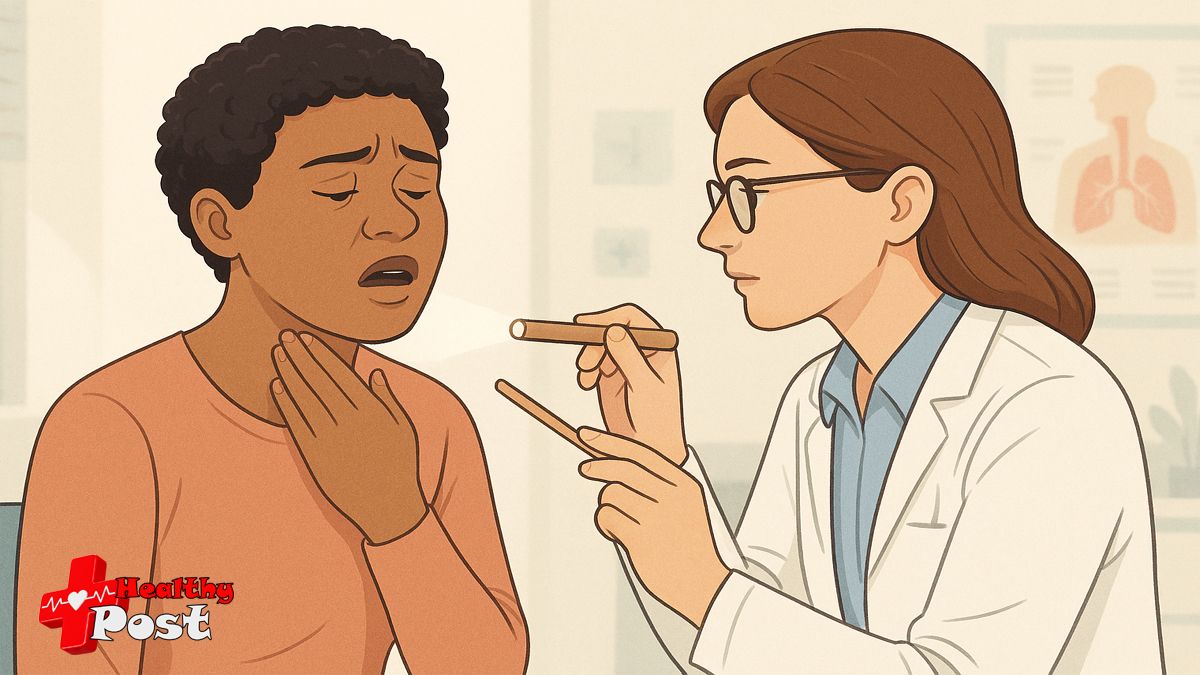
7 Dangerous Throat Infection Symptoms You Must Know
A throat infection can feel like a simple sore throat at first. Yet some warning signs mean your body is asking for urgent help. Knowing these red flag throat infection symptoms can protect your health and even your life. 💬
Many people wait, hoping things will improve on their own. Sometimes they do. Other times, delay leads to serious complications. This guide walks you through seven dangerous symptoms, what they may mean, and when to see a doctor.
1. Difficulty Breathing or Noisy Breathing 😮💨
Struggling to breathe is one of the most serious signs.
Watch for:
- Shortness of breath while resting
- Noisy breathing, like high‑pitched whistling or gasping
- Feeling like you cannot get enough air
These symptoms may mean swelling is narrowing your airway. This can happen with severe infections such as:
- Epiglottitis
- Severe tonsillitis
- Deep neck infections
If breathing becomes hard or noisy:
- Sit upright, avoid lying flat
- Do not try to swallow large pills or food
- Call emergency services immediately
A real example: A teenager with a bad sore throat ignored it for days. One night, he woke up gasping and drooling. In the emergency room, doctors found severe swelling around his airway. Quick treatment prevented a blocked airway and hospitalization in intensive care.
2. Inability to Swallow Fluids or Drooling Constantly 🥤
Some throat infection symptoms go beyond simple pain when swallowing.
Seek urgent care if you notice:
- You cannot swallow saliva and keep spitting it out
- Constant drooling in an older child or adult
- Sharp pain on swallowing that seems to worsen quickly
These signs can point to:
- A deep abscess behind the tonsils
- Epiglottitis, which can block the airway
- Severe swelling of the throat tissues
Trouble swallowing can lead to dehydration. It also suggests the infection is more serious than a routine sore throat.
If you see drooling and trouble swallowing in a child, seek medical help right away. Do not force them to lie down. Keep them sitting up and calm while you travel.
3. Very High Fever or Fever Lasting More Than Three Days 🌡️
Fever helps your body fight infection. Yet some patterns raise concern.
Pay close attention if:
- Fever is 101°F (38.3°C) or higher for more than three days
- Fever reaches 103°F (39.4°C) or more at any time
- Fever comes with chills, confusion, or severe weakness
High or stubborn fever may signal:
- Bacterial infection needing antibiotics
- A spreading infection in the blood
- Complications affecting the lungs, ears, or sinuses
Adults and children should be checked if fever remains high despite rest and fluids. This is especially true when combined with other serious throat infection symptoms, like difficulty breathing or severe pain on one side of the throat.
For more detailed guidance on fever and infection, the Centers for Disease Control and Prevention offers reliable information.
4. Severe One‑Sided Throat Pain or Swelling
Not all sore throats feel the same on both sides. One‑sided pain with swelling is a warning sign.
Common concerning features:
- Pain much worse on one side of the throat
- Ear pain on the same side, without ear infection
- Swelling of the face, neck, or jaw on one side
- Changes in voice, sounding “muffled” or like “hot potato” voice
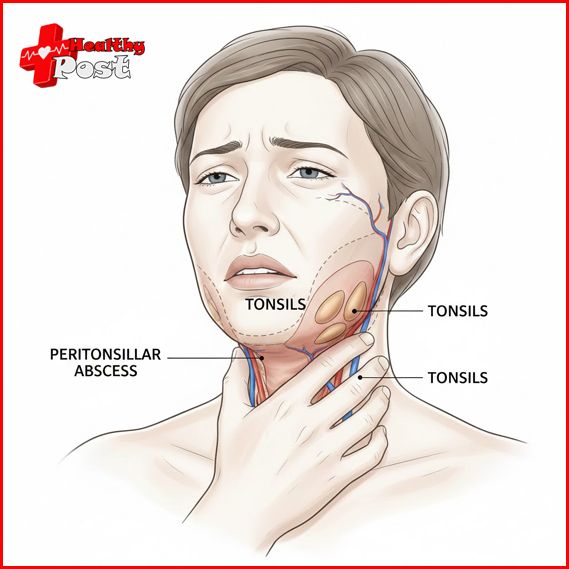
These can suggest a peritonsillar abscess, which is a deep pocket of pus. This condition often needs:
- Urgent evaluation
- Drainage by a trained professional
- Antibiotics
Ignoring a deep abscess can lead to spread into the neck, chest, or bloodstream. That is why sudden one‑sided worsening deserves quick attention.
5. Rash Plus Sore Throat 😷
A skin rash with throat pain can signal more serious illness. Certain bacteria release toxins that affect the skin.
Watch for:
- Red, rough, sandpaper‑like rash on the body
- Bright red tongue, sometimes called “strawberry tongue”
- Peeling skin on hands or feet after several days
These features may appear with scarlet fever, often caused by strep bacteria. It usually needs antibiotics to prevent complications.
Other illnesses can also cause rash with throat symptoms. Examples include some viral infections and allergic reactions. Because the cause is not always clear, it is safer to have a doctor examine any new rash that appears with throat pain and fever.
6. Swollen Neck, Jaw, or Tender Lumps That Grow Quickly
Swollen lymph nodes are common with many infections. They help filter germs. Yet some patterns point to danger.
Seek care promptly if you notice:
- Very large, painful lumps in the neck or under the jaw
- Swelling that grows rapidly over hours or a day
- Red, warm, or firm areas over the swollen nodes
- Difficulty turning your head because of the swelling
These symptoms may mean:
- Deep neck infection
- Abscess around lymph nodes
- Infection spreading into soft tissues
In rare cases, infections in the mouth or tonsils can spread to deep neck spaces. This can threaten both breathing and circulation.
If swelling is paired with fever, weakness, or trouble swallowing, treat it as urgent.
7. Extreme Fatigue, Confusion, or Chest Pain 🧠❤️
Some dangerous signals come from the whole body, not only the throat.
Get immediate help if a sore throat comes with:
- New confusion, trouble staying awake, or odd behavior
- Chest pain, fast heartbeat, or shortness of breath
- Pale, cold, or blotchy skin
- Dizziness or fainting
These could be signs of sepsis, a life‑threatening response to infection. They may also point to heart or lung complications after infections like strep throat or mononucleosis.
A short example: An adult with a bad sore throat stayed at work despite feeling drained. By night, he had chest pain and fast breathing. In the hospital, he was diagnosed with sepsis from a bacterial infection that began in his throat.
Quick Comparison Table: When to Worry About Throat Symptoms
| Symptom or Sign | What It May Mean | When to Seek Help |
|---|---|---|
| Mild sore throat, no fever | Common viral infection | Home care, watch for change |
| Fever under 101°F for 1–2 days | Early infection, often viral | Call doctor if it worsens |
| Trouble breathing or noisy breathing | Airway swelling, severe infection | Emergency care immediately |
| Cannot swallow saliva, drooling | Possible deep abscess, epiglottitis | Urgent or emergency evaluation |
| Very high fever or lasting >3 days | Possible bacterial infection | See doctor within 24 hours |
| Rash with throat pain | Possible scarlet fever or virus | Doctor visit recommended |
| Rapidly growing neck swelling | Deep neck or lymph node infection | Same‑day urgent care |
Use this table as a guide, not a final diagnosis. When in doubt, it is safer to speak with a medical professional.
Other Important Throat Infection Symptoms to Monitor
Not every symptom is an emergency, yet they still matter. Pay attention to:
- White patches on tonsils
- Bad breath with throat pain
- Hoarse voice lasting more than two weeks
- Painful swallowing but able to drink fluids
These can suggest strep throat, tonsillitis, or viral pharyngitis. A clinician can help decide if you need tests or treatment.
The Mayo Clinic provides detailed patient information on sore throat and related conditions.

When a Throat Infection Becomes an Emergency
Certain patterns should never be ignored. Seek emergency care if:
- Breathing is hard, noisy, or painful
- You cannot swallow saliva or keep drooling
- Neck or tongue swelling makes speech difficult
- You feel faint, confused, or extremely weak
For children, trust your instincts. If they look very unwell, struggle to breathe, or refuse all fluids, seek immediate care.
How Doctors Evaluate Serious Throat Problems
In a clinic or hospital, your healthcare professional may:
- Ask about onset and changes in your symptoms
- Examine your throat, ears, nose, and neck carefully
- Check temperature, heart rate, and oxygen level
- Swab your throat for strep testing
- Order blood tests or imaging, like ultrasound or CT, if needed
Treatment depends on the cause. It can include:
- Pain relief and fever control
- Antibiotics for bacterial causes
- Steroids to reduce severe swelling
- Fluids by vein if you cannot drink
- Procedures to drain any abscess
Early treatment usually leads to faster recovery and fewer complications.
FAQs About Serious Throat Infection Symptoms
1. When should I see a doctor for a sore throat?
See a doctor if:
- Pain lasts more than three to five days
- Fever is high or keeps returning
- You notice rash, neck swelling, or ear pain
- You have other medical conditions that affect immunity
Seek emergency care for breathing trouble, drooling, or sudden severe pain.
2. How can I tell if it is viral or bacterial?
You cannot always tell by symptoms alone. Viral illnesses often include cough and runny nose. Bacterial infections like strep may cause sudden intense pain, fever, and swollen neck nodes without cough. Only testing can confirm the cause.
3. Can a throat infection go away on its own?
Many mild viral infections clear within a week. Rest, fluids, and pain relief help. However, some bacterial infections and deep abscesses will not improve without medical treatment. If you worsen or do not improve after a few days, get checked.
4. Are serious throat problems contagious?
Yes, many are. Bacteria and viruses spread through droplets from coughing, sneezing, or close contact. Wash hands often, avoid sharing utensils, and stay home when sick to protect others.
5. How can I reduce my risk of dangerous complications?
You can:
- Treat fevers and stay hydrated
- Avoid smoking and secondhand smoke
- Seek care early for severe or worsening symptoms
- Follow the full course of any prescribed antibiotics
Prompt attention to early throat infection symptoms lowers the risk of serious problems.
6. Should I worry about throat cancer with a sore throat?
Most sore throats come from infections, not cancer. However, see a doctor if pain, hoarseness, or a lump in the neck lasts more than two to three weeks, especially if you smoke or drink heavily.
Conclusion: Listen to What Your Throat Is Telling You 💬
A sore throat is common, but some signs should never be ignored. Difficulty breathing, drooling, very high fever, fast‑growing swelling, and rash with pain are key danger signals. Recognizing these serious throat infection symptoms helps you act quickly and wisely.
If you suspect a serious throat infection, do not wait and hope it passes. Reach out to a healthcare professional, urgent care clinic, or emergency department based on your symptoms. Early care protects your airway, prevents complications, and supports a safer, smoother recovery.
