

Close Menu

    Subscribe to Updates

    Get the latest creative news from FooBar about art, design and business.

    What's Hot

    How to Get Rid of Post Nasal Drip Fast: Effective Relief & Remedies

    August 15, 2026

    Chance of Getting Pregnant After Vasectomy: Failure Rates & Risks

    August 11, 2026

    What Not to Do After IUD Insertion: Dos, Don’ts & Recovery, Dr. Michelle Uzor Advised

    August 10, 2026
    Facebook X (Twitter) Instagram
    • About Us
    • Contact Us
    • Our Medical Review Board & Expert Contributors
    • Cancer
    • Cardiology
    • Dental
    • General Disease
    • Gyne
    • Healthy food
    • Medicine
    • Orthopedics
    • Skin
    Button
    Home » What is dementia ? 9 types of dementia
    Patient Education

    What is dementia ? 9 types of dementia

    AdminBy AdminJanuary 23, 2025Updated:May 18, 2026No Comments4 Mins Read
    Share Facebook Twitter Pinterest LinkedIn Tumblr Reddit Telegram Email
    Dementia
    Share
    Facebook Twitter LinkedIn Pinterest Email

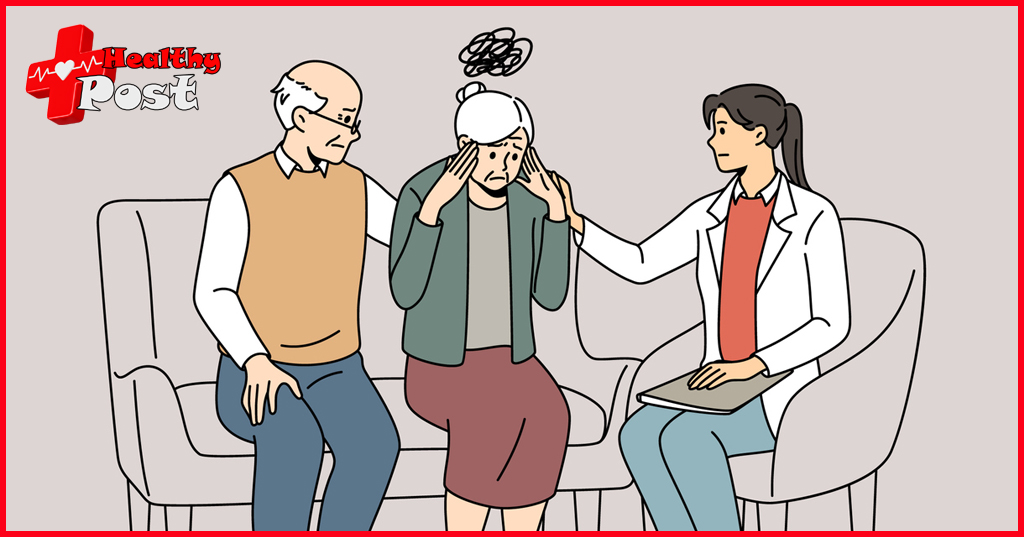
    Dementia is a group of relatively serious mental and psychological problems with cognitive impairment, which is common in the elderly. The older you are, the higher the prevalence rate, which is mainly manifested in intellectual decline , decreased social life ability, and disordered 
    speech and behavior . In severe cases, clinical manifestations of certain severe mental illness
     symptoms may appear 

    It is increasingly being taken seriously in modern society. The elderly themselves have a decline in various functions, especially brain function. Therefore, when you find that some elderly friends have a decline in memory and a decline in their ability to live a daily life at home, you must be careful to see if there are early signs of dementia.

    It is an umbrella term that refers to a range of symptoms associated with a decline in cognitive abilities. In layman’s terms, it means a person’s ability to remember past events/make plans/analyze and solve problems. Alzheimer’s is a specific type of dementia. There are many other types of dementia that do not fall under the umbrella of Alzheimer’s.

    1. Alzheimer’s disease

    Alzheimer’s disease is a progressive dementia. Abnormal protein deposits damage nerve cells, leading to a decline in the ability to think, reason, plan and remember. The first signs are memory loss, personality changes, mood swings, and getting lost in familiar places. Slowly, it may become more difficult to carry out daily life activities and cope with a changing environment. If the disease progresses, tissue in the brain shrinks, making it difficult to communicate.

    2. Lewy body dementia

    The symptoms of Lewy body dementia are similar to those of Alzheimer’s disease. In addition, Lewy body dementia can cause abnormal movements. If an older person has Lewy body dementia, you may notice that they move slowly or unsteadily when they walk. In addition to cognitive changes, there may be visual hallucinations, balance problems, tremors or difficulty swallowing, as well as repeated falls, changes in posture, and loss of coordination.

    3. Vascular dementia

    Vascular dementia refers to cognitive decline associated with a stroke or other types of blood vessel problems in the brain. These problems reduce the amount of blood flowing to the brain, depriving brain tissue of adequate oxygen and causing damage. Elderly people with high blood pressure, diabetes or other chronic cardiovascular and cerebrovascular diseases should pay special attention to following their doctor’s instructions to control their conditions. These diseases cause blood clots or narrowing of blood vessels, increasing the risk of stroke and other vascular problems.

    4. Frontotemporal dementia

    Frontotemporal dementia is caused by changes in the frontal and temporal lobes of the brain. It differs from other forms of dementia in that symptoms usually begin between the ages of 40 and 65. Frontotemporal dementia often causes changes in personality and behavior.

    Dementia
    Dementia

    5. Parkinson’s disease and dementia

    People with Parkinson’s disease may develop dementia due to changes in brain structure and function. Although many symptoms of Parkinson’s disease dementia are similar to those produced by other types of dementia, Parkinson’s disease can cause tremors or difficulty walking, which can have a greater impact on daily life.

    6. Mixed dementia

    If there are two or more types of dementia, it is called mixed dementia. The symptoms of mixed dementia vary depending on several factors, including the types of dementia you have and how advanced they are.

    7. Huntington’s disease

    Huntington’s disease is a genetic disorder that develops symptoms in many people between the ages of 30 and 50. It causes the loss of nerve cells in the brain, which can lead to personality changes, forgetfulness, involuntary movements and other symptoms. If you have Huntington’s disease, it can be difficult to stay organized and multitask, such as making meals and managing finances and bills.

    8. Creutzfeldt-Jakob disease

    CJD is caused by prions, a type of protein that causes other proteins in the brain to fold abnormally, causing them to accumulate in brain tissue. Prion diseases can lead to rapidly progressive dementia, as well as muscle stiffness, confusion, hallucinations, difficulty speaking, and trouble walking. Fortunately, CJD and other prion diseases are very rare.

    9. Reversible dementia

    Normal pressure hydrocephalus, metabolic dementia, brain tumors, poisoning, lack of oxygen, Wernicke-Korsakoff syndrome, and subdural hematoma are some of the diseases that may cause dementia. If the disease is well treated, dementia caused by damage to the brain is usually reversible.

    Editorial Notice & Disclaimer: All material published on this platform is curated strictly for general educational and healthcare informational purposes. Content should not be interpreted as professional medical advice, official diagnosis, or a definitive treatment protocol. We strongly advise consulting a licensed physician or qualified healthcare provider regarding any specific medical concerns or health choices.

    Share. Facebook Twitter Pinterest LinkedIn Tumblr Email
    Previous ArticleWhat is Thai Massage , benefits for health
    Next Article A complete guide to 4D color ultrasound

    Related Posts

    Cancer

    Difference between mouth ulcer and oral cancer: symptoms & precaution

    August 8, 2026
    Patient Education

    Couples Therapy: What to Expect in Your First Session (A Clinical Guide)

    July 20, 2026
    Patient Education

    How Soon Do Doctors Receive CT Scan Results in the ER? A Medical Guide

    July 14, 2026
    Add A Comment
    Leave A Reply Cancel Reply

    You must be logged in to post a comment.

    Recent Posts
    • How to Get Rid of Post Nasal Drip Fast: Effective Relief & Remedies
    • Chance of Getting Pregnant After Vasectomy: Failure Rates & Risks
    • What Not to Do After IUD Insertion: Dos, Don’ts & Recovery, Dr. Michelle Uzor Advised
    • Difference between mouth ulcer and oral cancer: symptoms & precaution
    • Can Cavities Cause Bad Breath? Dr. Mohanned Alghamdi Explained
    Top Posts

    What are the effects of smoking on the lungs?

    March 7, 2024

    What are the causes of headaches? How to prevent it in daily life?

    April 11, 2024

    Cardiovascular Disease, can do these 4 things, and blood vessels can stay young.

    April 18, 2024
    Latest Reviews
    Most Popular

    How to Get Rid of Post Nasal Drip Fast: Effective Relief & Remedies

    August 15, 2026

    Chance of Getting Pregnant After Vasectomy: Failure Rates & Risks

    August 11, 2026

    What Not to Do After IUD Insertion: Dos, Don’ts & Recovery, Dr. Michelle Uzor Advised

    August 10, 2026

    Difference between mouth ulcer and oral cancer: symptoms & precaution

    August 8, 2026

    Can Cavities Cause Bad Breath? Dr. Mohanned Alghamdi Explained

    August 7, 2026

    Our Medical Board

    Our health platform content is written, reviewed, and vetted by a dedicated board of licensed clinicians and specialists to guarantee clinical accuracy.

    • Dr. Rachana Bhoite
      Dr. Rachana Bhoite Nutrition Science Dr. Reddy's Labs ↗
    • Dr. Priyanka Agarwal
      Dr. Priyanka Agarwal Dermatologist Dakai Skin Clinic ↗
    • Dr. Himanshu Gupta
      Dr. Himanshu Gupta Orthopedics & Robotics Amicare Hospital ↗
    • Dr. Michelle Uzor
      Dr. Michelle Uzor OB-GYN Southern Crescent ↗
    • Dr. Kamlesh Verma
      Dr. Kamlesh Verma Surgical Oncology Max Hospital ↗
    • Dr. Mohanned Alghamdi
      Dr. Mohanned Alghamdi Esthetic & Restorative UniDents Clinic ↗
    • Dr. Neha Sood
      Dr. Neha Sood Otolaryngologist (ENT) BLK-Max / Sir Ganga Ram ↗
    • Dr. Sarita Rao
      Dr. Sarita Rao Interventional Cardiology Apollo Hospitals ↗
    Our Picks

    How to Get Rid of Post Nasal Drip Fast: Effective Relief & Remedies

    August 15, 2026

    Chance of Getting Pregnant After Vasectomy: Failure Rates & Risks

    August 11, 2026

    What Not to Do After IUD Insertion: Dos, Don’ts & Recovery, Dr. Michelle Uzor Advised

    August 10, 2026

    Difference between mouth ulcer and oral cancer: symptoms & precaution

    August 8, 2026

    Can Cavities Cause Bad Breath? Dr. Mohanned Alghamdi Explained

    August 7, 2026
    Facebook X (Twitter) Instagram Pinterest
    • About Us
    • Contact Us
    • Disclaimer
    • Our Medical Review Board & Expert Contributors
    • Terms and Conditions
    • Write for Us
    © 2026 Healthy Post. All Rights Reserved.

    Type above and press Enter to search. Press Esc to cancel.