


Close Menu

    Subscribe to Updates

    Get the latest creative news from FooBar about art, design and business.

    What's Hot

    How Does Traumagel Work? 7 Life-Saving Benefits & Guide

    July 4, 2026

    Clinical Benefits of Functional Foods for Metabolic Health: An Expert Guide

    July 1, 2026

    Early Signs of Lupus: 7 Crucial Symptoms to Watch For (2026 Guide)

    June 28, 2026
    Facebook X (Twitter) Instagram
    • About Us
    • Contact Us
    • Our Medical Review Board & Expert Contributors
    • Cancer
    • Cardiology
    • Dental
    • General Disease
    • Gyne
    • Healthy food
    • Medicine
    • Orthopedics
    • Skin
    Button
    Home » What is esotropia?
    Patient Education

    What is esotropia?

    AdminBy AdminOctober 5, 2025Updated:May 18, 20261 Comment4 Mins Read
    Share Facebook Twitter Pinterest LinkedIn Tumblr Reddit Telegram Email
    Esotropia
    What is esotropia?
    Share
    Facebook Twitter LinkedIn Pinterest Email

    Babies over four months old with esotropia should see an ophthalmologist promptly. —American Society of Pediatric Ophthalmology and Strabismus

    What is esotropia?

    Esotropia is an inward deviation of one or both eyes.

    The esotropia may be intermittent or constant and may occur with near vision, distance vision, or both.

    Esotropia can be always in one eye or can alternate between the two. It can occur at any age. It is the opposite of exotropia (when the eye tilts outward).

    Can esotropia be “normal”?

    Esotropia in infants often resolves on its own before 20 weeks of gestation, especially if the malalignment is intermittent and the degree of strabismus is minimal.

    However, any persistent esotropia at any age should be evaluated promptly by a pediatric ophthalmologist. Esotropia that develops after the age of four months (either constant or intermittent) should also be evaluated promptly.

    What are the different types of esotropia ?

    Esotropia can be classified by age of onset (congenital/infantile or acquired); by frequency (intermittent or constant); or by whether it is correctable with glasses (accommodative or nonaccommodative). For more information, see Infantile Esotropia and Accommodative Esotropia .

    Esotropia can also develop secondary to other conditions. Poor vision can cause one eye to turn inward. Various neurological conditions (hydrocephalus, stroke, etc.) can cause esotropia. Certain medical conditions can also cause esotropia ( thyroid eye disease , Duane syndrome , etc.).

    What problems can esotropia cause?

    The effect of esotropia on the visual system depends on the frequency and severity of the eye deviation and the age of the patient.

    Esotropia affects the ability of the two eyes to work together. Newly developed esotropia in older children and adults often causes double vision (double images) and/or a reduced visual field in both eyes . In children, it can lead to vision loss in the deviated eye ( amblyopia ), as well as loss of stereopsis (3D vision) and binocularity (using both eyes simultaneously).

    Does esotropia run in families?

    Strabismus, or misaligned eyes, can run in families.

    However, affected family members do not necessarily have the same type or severity of strabismus. A family history of strabismus itself is a good reason to see the child’s ophthalmologist for an eye examination.

    What conditions increase the risk of esotropia?

    Prematurity, a positive family history, and various neurological and genetic abnormalities increase the risk of eye misalignment. There are also some systemic disorders that can cause eye misalignment (hyperthyroidism, diabetes, etc.).

    Some children may appear to have strabismus, but are their eyes actually aligned normally?

    Pseudostrabismus is a condition that resembles strabismus but is not a true misalignment of the eyes. It is usually caused by the shape of the eyelids and/or a wide nasal bridge. Any child suspected of having misaligned eyes should be fully examined by a pediatric ophthalmologist. Some children may have both pseudostrabismus and true misalignment. Therefore, pseudostrabismus alone does not rule out the possibility of true strabismus.

    How do pediatric ophthalmologists evaluate children with suspected esotropia?

    After taking a careful medical history, your doctor will assess your vision using an examination that is appropriate for your age.

    The key to this measurement is to determine if the visual acuity of both eyes is equal, or if one eye is better than the other. If the eye is misaligned, a measurement is performed to assess the general health of the eye and the refractive state of the eye (i.e., farsightedness, nearsightedness, astigmatism).

    What are the treatments for esotropia?

    There are many factors to consider when treating it. The main principles are:

    █ Restore the correct position of the eye

    Maximize binocular vision

    █ Relieve double vision

    █ Treatment of associated amblyopia

    Treatments to correct eye alignment include glasses (sometimes prisms or bifocals), strabismus surgery (extraocular muscle surgery), and, less commonly, botulinum toxin injections.
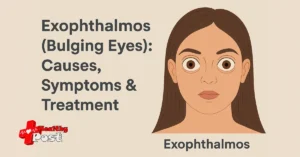
    Exophthalmos
    What is Exophthalmos (bulging eyes) cause, symptoms and treatment
    Editorial Notice & Disclaimer: All material published on this platform is curated strictly for general educational and healthcare informational purposes. Content should not be interpreted as professional medical advice, official diagnosis, or a definitive treatment protocol. We strongly advise consulting a licensed physician or qualified healthcare provider regarding any specific medical concerns or health choices.

    Admin
    Website |  + postsBio ⮌
    • Admin
      Apple Juice Benefits: 8 Proven Health Boosts and 3 Hidden Downsides
    • Admin
      5 Proven Benefits of Invokana Generic for Diabetes Care
    • Admin
      7 Powerful Reasons Why Capron DM Is a Safe Choice for Allergy Relief
    • Admin
      10 Proven Ways on How to Relax Without Stress
    Share. Facebook Twitter Pinterest LinkedIn Tumblr Email
    Previous ArticleDoes leg liposuction hurt? How painful is it?
    Next Article What is melasma and how to treat melasma?

    Related Posts

    Patient Education

    How Does Traumagel Work? 7 Life-Saving Benefits & Guide

    July 4, 2026
    Patient Education

    Clinical Benefits of Functional Foods for Metabolic Health: An Expert Guide

    July 1, 2026
    Patient Education

    What Is a Newborn Sucking Blister? Clinical Causes and Treatment

    June 24, 2026
    View 1 Comment

    1 Comment

    1. Pingback: Myopia Surgery: Which of the 4 Types Is Most Reliable?

    Leave A Reply Cancel Reply

    You must be logged in to post a comment.

    Recent Posts
    • How Does Traumagel Work? 7 Life-Saving Benefits & Guide
    • Clinical Benefits of Functional Foods for Metabolic Health: An Expert Guide
    • Early Signs of Lupus: 7 Crucial Symptoms to Watch For (2026 Guide)
    • How Do You Know If a Heart Stent Is Blocked Again? Warning Signs
    • What Is a Newborn Sucking Blister? Clinical Causes and Treatment
    Top Posts

    What are the effects of smoking on the lungs?

    March 7, 2024

    What are the causes of headaches? How to prevent it in daily life?

    April 11, 2024

    cardiovascular disease, can do these 4 things, and blood vessels can stay young.

    April 18, 2024
    Latest Reviews
    Most Popular

    How Does Traumagel Work? 7 Life-Saving Benefits & Guide

    July 4, 2026

    Clinical Benefits of Functional Foods for Metabolic Health: An Expert Guide

    July 1, 2026

    Early Signs of Lupus: 7 Crucial Symptoms to Watch For (2026 Guide)

    June 28, 2026

    How Do You Know If a Heart Stent Is Blocked Again? Warning Signs

    June 25, 2026

    What Is a Newborn Sucking Blister? Clinical Causes and Treatment

    June 24, 2026

    Our Medical Board

    Our health platform content is written, reviewed, and vetted by a dedicated board of licensed clinicians and specialists to guarantee clinical accuracy.

    • Dr. Himanshu Gupta Orthopedics & Robotics Amicare Hospital ↗
    • Dr. Paul Hofmann ENT & Otolaryngology Helios Hospital ↗
    • Dr. Jacob Cote, MD Dermatology Specialist The Ottawa Hospital ↗
    • Dr. Yichen Xu Medical Oncology SYSU Cancer Center ↗
    • Dr. Sana Lodhi, MBBS General Medicine LUMHS Hospital ↗
    • Dr. Wang Zhixin Gynecology & Maternal Shenzhen Women's Hosp ↗
    • Dr. John Ma Orthopaedic Surgery Royal Brisbane Hosp ↗
    • Dr. Rachana Bhoite Nutrition Science Dr. Reddy's Labs ↗
    • Dr. Sarita Rao Interventional Cardiology Apollo Hospitals ↗
    • Dr. Mohanned Alghamdi Esthetic & Restorative UniDents Clinic ↗
    • Dr. Sharmila Rathi Pediatrics & Child Care Sir JJ Hosp Mumbai ↗
    • Dr. He Feng Urology & Andrology Bohe Medical Profile ↗
    • Dr. Akram Chang Cardiovascular Care Gulab Devi Hospital ↗
    • Dr. Liping Shen Gyneclinic Oncology Peking Uni Int Hosp ↗
    • Dr. Suleman Khan Dental Surgery Govt Dental College ↗
    Our Picks

    How Does Traumagel Work? 7 Life-Saving Benefits & Guide

    July 4, 2026

    Clinical Benefits of Functional Foods for Metabolic Health: An Expert Guide

    July 1, 2026

    Early Signs of Lupus: 7 Crucial Symptoms to Watch For (2026 Guide)

    June 28, 2026

    How Do You Know If a Heart Stent Is Blocked Again? Warning Signs

    June 25, 2026

    What Is a Newborn Sucking Blister? Clinical Causes and Treatment

    June 24, 2026
    Facebook X (Twitter) Instagram Pinterest
    • About Us
    • Contact Us
    • Disclaimer
    • Our Medical Review Board & Expert Contributors
    • Terms and Conditions
    • Write for Us
    © 2026 Healthy Post. All Rights Reserved.

    Type above and press Enter to search. Press Esc to cancel.