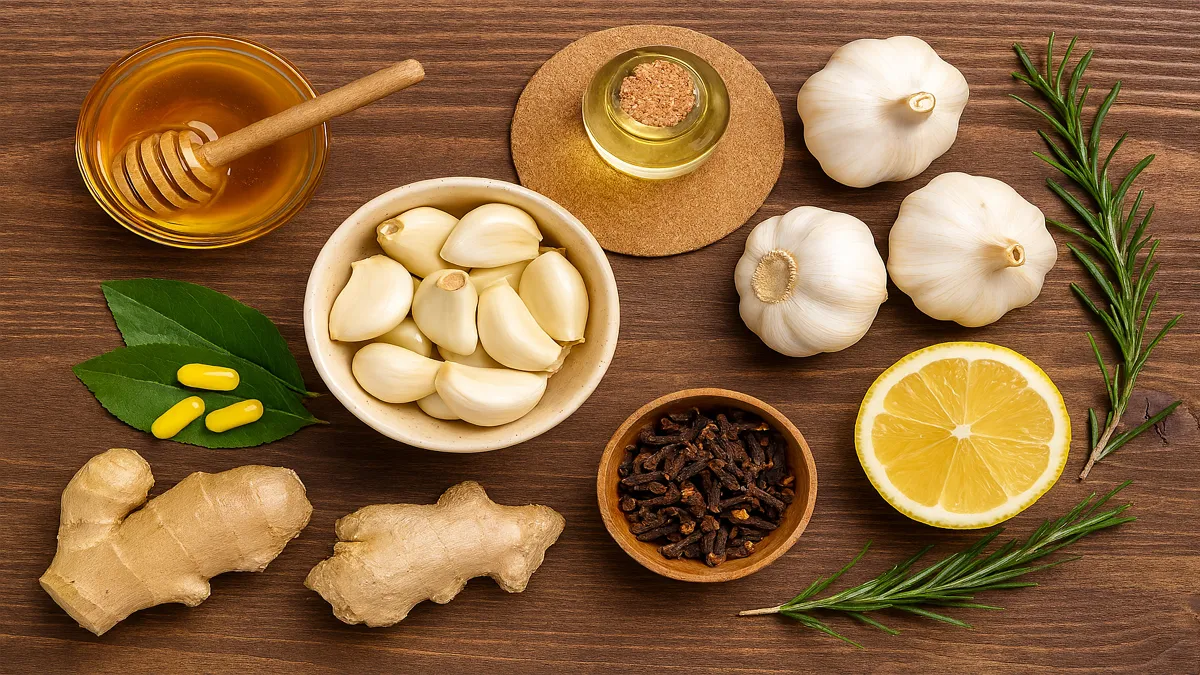
What Is the Strongest Natural Antibiotic for Tooth Infection: 7 Powerful Remedies
If you are searching for what is the strongest natural antibiotic for tooth infection, you are likely in pain. Tooth infections can feel overwhelming. The throbbing, swelling, and worry about seeing a dentist can all build up.
Natural remedies can sometimes calm symptoms and support healing. They may help while you wait for an appointment. They can also support oral health alongside professional care.
However, dental infections can spread and become dangerous. So natural “antibiotics” should never fully replace professional dental treatment. Think of them as helpful support, not the only solution.
In this guide, you will learn about 7 natural remedies with antibacterial or anti-inflammatory properties. You will also see how to use them safely and when to seek urgent care. 😊
Can Natural Remedies Replace Prescribed Antibiotics?
Before we look at specific remedies, it helps to set expectations.
Tooth infections often start as:
- Deep cavities
- Cracks in a tooth
- Gum disease
- A failed root canal or previous treatment
When bacteria reach the pulp or root, they can form an abscess. That abscess can then spread to the jaw, face, or even bloodstream. This situation can become life threatening.
According to the American Dental Association, dental infections sometimes require antibiotics. Many cases also need procedures like drainage, root canal, or extraction.
Natural remedies can:
- Reduce pain and swelling
- Help fight surface bacteria
- Freshen breath
- Support healing after dental treatment
Natural remedies cannot:
- Remove deep pus from inside bone
- Fix a badly decayed tooth
- Replace a needed root canal or extraction
So, what is the strongest natural antibiotic for tooth infection in real life? It is the remedy that gives you some relief while you also get proper dental care. The safest plan combines both approaches.
1. Garlic: A Potent Natural Antimicrobial 🧄
If we had to choose one candidate for what is the strongest natural antibiotic for tooth infection, garlic would be near the top.
Garlic contains allicin. This compound has strong antibacterial and antifungal properties in lab studies. It can fight many oral bacteria, including some linked to gum disease.
How Garlic May Help a Tooth Infection
Garlic may:
- Slow bacterial growth around the tooth and gums
- Reduce inflammation and swelling
- Offer mild pain relief through its warming effect
Some people find that garlic paste calms throbbing pain temporarily.
How to Use Garlic Safely
Try these methods with care:
- Crush one fresh clove to release allicin.
- Mix with a few drops of olive or coconut oil.
- Apply gently to the gum near the sore tooth.
- Leave in place for up to 5–10 minutes.
- Rinse with lukewarm water afterward.
Never press raw garlic directly against the gum for long periods. It can burn the tissue. Stop if you feel strong burning or irritation.
Real-Life Example
Maria woke with sharp pain around a back tooth. She crushed a clove of garlic, mixed it with coconut oil, and dabbed it on the gum. Her pain eased from an eight to a five. She still called her dentist and booked an urgent visit that same day.
Garlic helped her cope, but the dentist treated the true cause.
2. Clove Oil: Classic Toothache Relief 🌿
Clove oil is a well known traditional remedy for tooth pain. Many people keep it in their home first-aid kit.
The active compound in clove oil is eugenol. Eugenol has antibacterial, antifungal, and mild anesthetic effects. It can numb the area and slow bacterial growth.
How Clove Oil Supports Infected Teeth
Clove oil may:
- Reduce pain by numbing nerve endings
- Inhibit bacteria involved in tooth decay
- Decrease local inflammation
According to the National Center for Complementary and Integrative Health, clove oil shows antimicrobial activity in lab studies. However, human studies for dental infections remain limited.
How to Use Clove Oil Safely
Follow these steps carefully:
- Always dilute clove essential oil.
- Mix one drop with one teaspoon of carrier oil.
- Soak a cotton ball with the diluted oil.
- Place gently on the sore gum or tooth.
- Hold for 5–10 minutes, then remove.
Avoid swallowing clove oil. Do not use it on broken skin or in large amounts. For children, pregnant people, or those with liver disease, ask a healthcare professional first.
Real-Life Example
James developed sensitivity in a tooth late at night. He did not have pain medication at home. He used diluted clove oil on a cotton ball and placed it near the tooth. The area felt numb for about 20 minutes. That relief helped him rest until his dental appointment the next morning.
3. Salt Water Rinses: Simple, Soothing Support 🧂
Salt water rinses are one of the safest home remedies for oral discomfort. They are not a true “antibiotic,” but they help the mouth’s natural defenses.
A warm salt solution can draw out fluid, reduce swelling, and create a less friendly environment for bacteria.
How Salt Water Helps
Salt water rinses can:
- Wash away food debris and pus
- Soothe inflamed gums
- Reduce bad breath linked to infection
The Centers for Disease Control and Prevention emphasize the importance of clean oral environments for gum health. Simple rinses are a core part of that care.
How to Use Salt Water Rinses
- Dissolve ½ teaspoon of salt in a cup of warm water.
- Stir until fully dissolved.
- Gently swish around the mouth for 20–30 seconds.
- Focus on the sore area, then spit out.
- Repeat 3–4 times each day.
Do not swallow the salt water. If you have heart, kidney, or blood pressure issues, ask your doctor before using high salt rinses often.
Real-Life Example
Arun had swollen gums around a wisdom tooth. He rinsed with warm salt water morning and night. The swelling decreased slightly, and his breath improved. His dentist later confirmed a partial gum infection and cleaned the area.
4. Turmeric: Anti-Inflammatory Golden Spice ✨
Turmeric has been used in traditional medicine for centuries. Its active compound, curcumin, has anti-inflammatory and antimicrobial properties.
For tooth infections, turmeric may not be the single strongest natural antibiotic. Yet it can support healing and reduce inflammation.
How Turmeric May Help
Turmeric can:
- Ease inflammation around the tooth and gums
- Offer mild antibacterial support
- Reduce discomfort after dental procedures
Some studies suggest turmeric gels and rinses can improve plaque and gingivitis scores. More research is still needed.
How to Use Turmeric for Oral Health
There are several safe options:
- Mix ½ teaspoon turmeric with a few drops of water to make a paste.
- Apply gently to the gum near the painful tooth.
- Leave for 5–10 minutes, then rinse.
You can also create a soothing rinse:
- Add ¼ teaspoon turmeric to a cup of warm water.
- Stir well and swish gently, then spit.
Turmeric stains clothing and can tint the toothbrush. Use old clothes or towels when handling it.
Real-Life Example
Sara had mild gum inflammation after a filling. Her dentist approved topical turmeric paste as an additional comfort measure. She applied it once daily for a week. Her gums looked calmer, and the sensitivity faded.
5. Thyme or Oregano Oil: Strong Herbal Extracts 🌱
Thyme and oregano essential oils are strong herbal antimicrobials. Lab studies show they can inhibit several oral bacteria and fungi.
Thymol and carvacrol, their main active compounds, appear to damage bacterial cell walls. This action can reduce microbial counts.
How These Oils Support Tooth Infection Care
They may:
- Fight bacteria on the gum surface
- Reduce plaque buildup
- Refresh the breath
Because these oils are very concentrated, they must be diluted. Used correctly, they can be part of a home care routine.
How to Use Thyme or Oregano Oil Safely
- Add one drop of essential oil to two teaspoons carrier oil.
- Mix well.
- Dip a cotton swab into the mixture.
- Lightly apply to the gum near the painful tooth.
- Leave for a few minutes, then rinse.
You can also make a diluted mouth rinse:
- Add one drop of essential oil to a full glass of warm water.
- Swish gently for 20–30 seconds, then spit.
Never apply undiluted essential oil directly to the gum. It can burn and irritate tissues. Avoid swallowing.
Real-Life Example
Lena wanted a natural way to freshen her mouth after meals. She used a very diluted thyme oil rinse under her dentist’s guidance. Her breath improved, and her gums felt less tender.
6. Aloe Vera: Gentle Soother for Gums 🌿
Aloe vera gel has cooling, anti-inflammatory, and antimicrobial properties. It is often used for skin burns and irritations. It can soothe irritated gums as well.
How Aloe Vera Helps
Aloe vera may:
- Calm inflamed gum tissue
- Reduce plaque formation
- Support healing after dental scaling
Some mouthwashes already contain aloe vera to improve gum comfort.
How to Use Aloe Vera for Oral Discomfort
- Choose pure, food-grade aloe vera gel.
- With clean hands, apply a small amount to the sore gum.
- Leave in place for several minutes.
- Rinse gently if desired.
You can also look for aloe-based mouthwashes. Avoid products with high alcohol content if your gums are very sensitive.
Real-Life Example
After a deep cleaning, David’s gums felt tender and swollen. His dental hygienist suggested a gentle aloe-based gel. He applied it twice daily. Within a few days, his gums felt more comfortable.
7. Green Tea: Antioxidant and Antibacterial Support 🍵
Green tea contains catechins, especially EGCG, which have antioxidant and antibacterial properties. These compounds can support gum health and reduce plaque.
How Green Tea Helps the Mouth
Green tea may:
- Inhibit growth of certain oral bacteria
- Reduce inflammation in the gums
- Decrease bad breath
Some studies suggest people who drink green tea regularly may have better gum health. More research is still needed, but results are promising.
How to Use Green Tea Safely
- Brew a cup of plain green tea.
- Let it cool to a warm, comfortable temperature.
- Sip slowly, allowing it to bathe the sore area.
- You can also swish and then swallow or spit.
Avoid adding sugar or honey if you have active decay. Too much sugar can feed harmful bacteria.
Real-Life Example
Nadia switched from sweetened sodas to unsweetened green tea between meals. Over several months, her gums bled less when brushing. Her dentist noticed less plaque buildup at her checkup.
Comparison Table: Natural Remedies for Tooth Infection Support
| Remedy | Main Benefit | Typical Use | Key Cautions |
|---|---|---|---|
| Garlic | Strong antimicrobial effects | Crushed clove mixed with oil, applied briefly to gum | Can burn tissues if used undiluted or too long |
| Clove oil | Numbs pain and fights bacteria | Diluted oil on cotton ball near sore tooth | Do not swallow; always dilute; caution in children |
| Salt water | Soothes and cleans area | Warm rinse several times daily | Ask doctor if you have salt restrictions |
| Turmeric | Anti-inflammatory support | Paste applied to gum or mild rinse | Can stain clothes and surfaces |
| Thyme / Oregano oil | Strong herbal antimicrobial effect | Highly diluted oil dabbed on gum or used as rinse | Never use undiluted; avoid swallowing |
| Aloe vera | Soothes irritated gums | Food-grade gel applied to gum | Ensure product is safe for oral use |
| Green tea | Antioxidant and antibacterial support | Unsweetened tea sipped or swished | Avoid sugar; limit if sensitive to caffeine |
So, What Is the Strongest Natural Antibiotic for Tooth Infection?
From current evidence, garlic and some essential oils, like clove or oregano, may be among the strongest natural antibiotics for tooth infection support. They show meaningful antimicrobial action in lab studies.
However, there is an important difference between lab results and deep tooth infections. In the mouth, bacteria hide in tiny canals, under gums, and inside bone. A home remedy placed on the surface often cannot fully reach these areas.
So when you ask, “what is the strongest natural antibiotic for tooth infection,” the honest answer is this:
- Garlic and certain herbal oils may offer strong support.
- Yet none of them can replace a dentist’s tools and prescribed antibiotics when those are needed.
Think of natural remedies as helpers. The core treatment for a serious dental abscess will still be professional care.
For an overview of reliable evidence on dental treatments, resources like the Cochrane Library can be helpful.
How to Use These Remedies Safely
To get the best from natural support, follow these safety principles:
1. Always Dilute Essential Oils
Essential oils are very concentrated. Undiluted use can burn your gums and cheeks.
- Use a carrier oil like coconut or olive oil.
- Typical ratio: one drop essential oil to one or two teaspoons carrier.
2. Test a Small Area First
Allergic reactions can happen, even with “natural” products.
- Apply a tiny amount to one part of the gum.
- Wait several hours.
- Stop if you see increased redness, swelling, or itching.
3. Avoid Swallowing Large Amounts
Most of these remedies are for topical use. Swallowing large doses of essential oils or clove oil can be toxic. Children are especially sensitive.
4. Use Remedies as Short-Term Support
Do not rely on herbs or home care for weeks while pain worsens. Use them as short-term comfort while you arrange dental treatment.
5.Discuss With a Professional
If you are pregnant, nursing, or have chronic illnesses, speak with a dentist or doctor before using herbal remedies. Trusted sources, such as the National Center for Complementary and Integrative Health, also provide balanced safety information.
When to See a Dentist Immediately
Some symptoms mean you should seek urgent dental or medical care. Do not wait or rely only on natural remedies if you notice:
- Facial swelling, especially around the eye or jaw
- Difficulty breathing or swallowing
- Fever, chills, or feeling very unwell
- Rapidly spreading redness in the face or neck
- Severe, unrelenting pain that medications do not touch
These signs may mean the infection is spreading. Emergency treatment can be life saving.
Even if your pain improves with garlic or clove oil, still see a dentist soon. The underlying infection often remains. Only a professional exam and possibly X‑rays can confirm the true state of the tooth.
Frequently Asked Questions
1. Can natural remedies cure a tooth abscess completely?
Natural remedies may ease pain and reduce surface bacteria. They usually cannot remove deep pus or fix damaged tooth structure. A tooth abscess often needs drainage, root canal treatment, or extraction by a dentist.
2. How long can I use garlic or clove oil on a tooth infection?
Use them only as short-term support. If pain lasts more than one to two days, or worsens, contact a dentist. Prolonged or heavy use of strong herbs can irritate the tissues.
3. Is it safe to use these remedies for children?
Children’s mouths and bodies are more sensitive. Essential oils can be dangerous if swallowed. For children, focus on gentle salt water rinses (if they can spit) and seek pediatric dental care promptly. Ask a professional before using any herbal remedies.
4. Which natural remedy works fastest for tooth pain?
Diluted clove oil often numbs pain within minutes. Garlic paste can also bring quick relief. Salt water rinses help more gradually but are very safe. Remember, fast relief does not equal a cure.
5. Can I avoid antibiotics completely with natural remedies?
Sometimes mild gum infections improve with professional cleaning and home care alone. However, serious or spreading infections often require antibiotics. Your dentist will decide based on your exam, symptoms, and medical history.
6. How can I prevent future tooth infections naturally?
Maintain strong daily habits:
- Brush twice daily with fluoride toothpaste
- Floss or use interdental cleaners every day
- Limit sugary snacks and drinks
- Drink water regularly
- Visit your dentist for checkups and cleanings
These simple steps reduce the chance that bacteria will reach the tooth pulp.
Conclusion: Combining Natural Support with Professional Care
Understanding what is the strongest natural antibiotic for tooth infection can give you a sense of control. Garlic, clove oil, thyme or oregano oil, turmeric, salt water, aloe vera, and green tea can all support your mouth’s defenses.
Among them, garlic and certain essential oils may offer the strongest antimicrobial effects. But even the most promising natural antibiotic for tooth infection is not a complete substitute for dental treatment.
Use these remedies as partners to professional care. They can:
- Ease pain
- Calm inflammation
- Support healing after treatment
If you suspect an infection, schedule a dental appointment as soon as possible. Use gentle natural remedies while you wait, not instead of that visit.
Your oral health is deeply connected to your overall well-being. With the right mix of professional care, smart home habits, and carefully chosen natural support, you can protect your teeth and smile with confidence. 💙