


Medical Accuracy Verified
This article has been authored and clinically reviewed by Dr. Rachana Bhoite, Nutrition Science Specialist at Dr. Reddy’s Labs.
Medical Disclaimer: The information provided on Healthy Post is intended for educational purposes only and does not constitute professional medical advice, diagnosis, or treatment. Dietary changes can have significant effects on your health, hormone balance, and metabolic function. Always seek the advice of your physician or another qualified healthcare provider with any questions you may have regarding a medical condition or before making significant changes to your diet or lifestyle. Never disregard professional medical advice or delay seeking it because of something you have read on this website. If you believe you are experiencing a medical emergency, please contact your doctor or local emergency services immediately.

🏥 Medical Review Board Member
Dr. Rachana Bhoite, PhD
Nutrition Science Expert | Dr. Reddy’s Laboratories (Hyderabad, India)
Dr. Rachana Bhoite, PhD, is a distinguished industry veteran with over 22 years of expertise in Foods & Nutrition and clinical research. With a career deeply rooted in medical nutrition and nutraceutical innovation, she has successfully designed and launched numerous scientifically differentiated products across global markets. Dr. Bhoite is dedicated to bridging the gap between complex clinical data and accessible, evidence-based nutrition. Her commitment to rigorous research ensures that every piece of content she reviews meets the highest standards of scientific accuracy and consumer safety.
If you have ever wondered how diet affects sexual health in women, you are asking an important and often overlooked question. In our clinical practice, we see that sexual well-being is rarely shaped by one factor alone. Hormones, stress, sleep, relationship quality, medications, and medical conditions all matter. But food choices matter too—sometimes more than women realize.
A woman’s sexual health is closely linked to her overall health. The same dietary habits that support the heart, brain, and hormones may also support desire, arousal, comfort, and energy. On the other hand, a pattern of processed foods, excess sugar, and low nutrient intake is often associated with fatigue, inflammation, blood sugar swings, and lower confidence. All of these can affect intimacy.
This is also why readers exploring women’s health often move from questions about libido to broader topics such as Women who have gone through menopause should eat these foods, skin health, energy, or even digestive comfort. The body works as one system. Sexual wellness does not sit outside it.
Most studies agree on one central point: a balanced diet rich in whole foods, healthy fats, fiber, antioxidants, and key micronutrients may help support female sexual function by improving blood flow, mood, hormone signaling, and stamina. This article explains the science in clear language, with practical steps you can actually use.
1. Sexual health begins with whole-body health
When patients describe low desire or reduced arousal, the conversation often starts with symptoms but quickly expands to lifestyle. That is because the relationship between diet and sexual well-being is deeply connected to circulation, hormone balance, metabolic health, and mental well-being.
Sexual response in women depends on several systems working together:
- Healthy blood flow to genital tissues
- Balanced hormone signaling
- Stable energy levels
- Low to moderate inflammation
- Emotional comfort and lower stress
- Good sleep and recovery
A poor-quality diet can interfere with several of these at once. For example, meals high in refined carbohydrates and trans fats may contribute to insulin resistance, inflammation, and vascular dysfunction. Over time, that may reduce nitric oxide production, which helps blood vessels relax and expand. In simple terms, poorer circulation can mean lower physical arousal.
By contrast, dietary patterns such as the Mediterranean style of eating are associated with better cardiovascular and metabolic health. That matters because vascular health and female arousal are closely related.
2. Hormones respond to nutrition more than many women think
One of the most important nutritional impacts on female hormone balance involves getting enough essential nutrients—not just cutting out “bad” foods. Hormones need raw materials, and the body needs steady nutrition to produce and regulate them well.
Zinc, vitamin D, and healthy fats matter
Several nutrients are especially relevant:
- Zinc supports hormone regulation and immune health. Low zinc intake may be linked with reduced libido in some women.
- Vitamin D plays a role in endocrine function and may influence mood, estrogen activity, and overall vitality.
- Omega-3 fatty acids help support cell membranes, hormone signaling, and vascular health.
- B vitamins assist with energy production and nervous system function.
- Magnesium supports sleep, stress regulation, and muscle relaxation.
Food sources can include:
- Shellfish, lean meat, and pumpkin seeds for zinc
- Fatty fish, fortified dairy, and eggs for vitamin D
- Salmon, sardines, walnuts, and flaxseeds for omega-3s
- Legumes, leafy greens, and whole grains for magnesium and B vitamins
This is where hormone-balancing foods for women become clinically relevant. They do not “fix” every case of low libido. But in women with nutritional gaps, poor dietary habits, chronic dieting, or menopause-related changes, they may help support better baseline function.
Real-life clinical pattern
A common pattern we notice is the woman who skips breakfast, survives on coffee, grabs ultra-processed snacks, and ends the day exhausted. She may assume her low interest in intimacy is purely emotional. Sometimes it is partly that—but often her body is also running on unstable blood sugar, poor sleep, and nutrient shortfalls.
That is why lifestyle factors influencing female libido should never be discussed without including food quality.

3. Blood flow plays a major role in arousal
This point deserves more attention. Just as heart health depends on healthy circulation, sexual arousal also relies on blood flow. Among the best foods that support healthy blood flow and energy are those that protect the blood vessels and encourage nitric oxide production.
Foods that may support circulation
- Leafy greens such as spinach and rocket
- Beets, which are naturally rich in nitrates
- Oily fish such as salmon and mackerel
- Walnuts and flaxseeds
- Berries rich in antioxidants
- Olive oil, especially extra virgin olive oil
These foods may help support endothelial function, which is the ability of blood vessels to open and close properly. Better vascular function is not just about heart disease prevention. It may also affect genital sensation, natural lubrication, and arousal response.
Women with obesity, high blood pressure, diabetes, or metabolic syndrome may be more likely to experience sexual dysfunction partly because these conditions can impair circulation and increase inflammation. This is one reason the relationship between diet and sexual well-being is so important in long-term health planning.
For readers already interested in broader wellness, this overlaps with topics like Asian Soup Benefits for Health, especially when meals are built around vegetables, legumes, herbs, and anti-inflammatory ingredients rather than processed convenience foods.
4. Energy, mood, and confidence are part of the picture
Sexual health is not only physical. It is also emotional, cognitive, and relational. A nourishing diet can support the mind as much as the body.
Low-quality diets are often associated with:
- Blood sugar crashes
- Irritability
- Low stamina
- Poor concentration
- Lower self-esteem related to body discomfort or weight changes
By comparison, steady meals based on protein, fiber, and healthy fats can support more stable energy and mood. This matters because many women do not describe their issue as “low libido.” They say, “I’m too tired,” “I never feel in the mood,” or “I don’t feel like myself anymore.”
That is where the nutritional impact on female libido becomes very practical. Sometimes the first improvement is not dramatic desire. It is better energy at 7 p.m., less bloating, fewer crashes, and a greater sense of physical ease in the body.
A practical daily example
Compare these two patterns:
- Breakfast pastry + sweet coffee, skipped lunch, takeaway dinner, wine late at night
- Greek yogurt or eggs in the morning, lentils or fish at lunch, vegetables and whole grains at dinner
The second pattern is more likely to support steady glucose levels, better micronutrient intake, and fewer energy dips. That can create a more favorable backdrop for sexual well-being.
5. The Mediterranean diet stands out in research
If one eating pattern appears repeatedly in discussions of women’s wellness, cardiovascular health, and reduced inflammation, it is the Mediterranean diet. Research has linked the Mediterranean diet for women’s health with better metabolic outcomes and, in some studies, improved sexual function.
Its core features include:
- Vegetables and fruits
- Whole grains
- Beans and legumes
- Nuts and seeds
- Olive oil
- Fish and seafood
- Moderate dairy
- Limited ultra-processed foods and added sugar
This way of eating may help because it addresses several root issues at once:
- Supports healthier blood vessels
- Reduces inflammatory load
- Helps weight and insulin management
- Provides omega-3 fats and antioxidants
- Encourages more stable energy
For many women, this approach is more sustainable than restrictive diets. It is flexible. It fits family meals. And it often feels less punishing, which matters because extreme food rules can themselves increase stress.
If menopause is part of the story, dietary shifts become even more meaningful. Estrogen changes may affect vaginal tissues, sleep, fat distribution, and mood. That is why guides like Women who have gone through menopause should eat these foods are often useful companion reading for midlife women trying to support both general and sexual health.
6. What to eat more of—and what to limit
The goal is not perfection. It is pattern.
Foods to prioritize
- Fatty fish: salmon, sardines, mackerel
- Nuts and seeds: walnuts, flaxseeds, pumpkin seeds
- Leafy greens: spinach, kale, fenugreek leaves
- Colorful produce: berries, citrus, tomatoes, beetroot
- Whole grains: oats, brown rice, quinoa
- Legumes: lentils, chickpeas, beans
- Fermented dairy or yogurt if tolerated
- Olive oil and avocado
Foods to limit
- Ultra-processed packaged snacks
- High-sugar desserts and sugary drinks
- Frequent deep-fried foods
- Trans fats
- Excess alcohol
- Very low-calorie crash diets
None of these foods are “forbidden” in absolute terms. But if they dominate the diet, they may undermine dietary habits and sexual wellness over time.
Quick Comparison Table: Diet and Female Sexual Health
| Factor | Positive Impact | Negative Impact |
|---|---|---|
| Diet quality | Mediterranean-style eating may support blood flow, hormones, and libido | Processed foods may increase inflammation and fatigue |
| Hormone support | Zinc, vitamin D, omega-3s, and magnesium support healthy signaling | Nutrient deficiencies may contribute to low desire |
| Energy | Whole grains, legumes, and protein help stabilize stamina | High sugar intake may cause energy crashes |
| Vascular function | Leafy greens, beets, olive oil, and fish support circulation | Metabolic syndrome may impair arousal response |
| Mood and confidence | Balanced meals may support emotional steadiness | Restrictive dieting and poor nutrition may worsen stress |
| Lifestyle pairing | Exercise and sleep amplify dietary benefits | Chronic stress and excess alcohol can reduce libido |
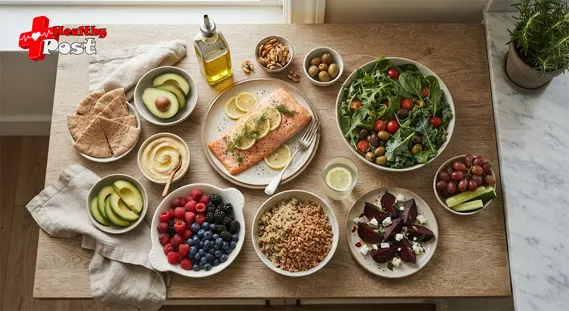
7. Lifestyle factors can strengthen or weaken diet’s effects
A healthy diet helps, but it works best when paired with other supportive habits. This is especially true when discussing lifestyle factors influencing female libido.
Stress
Chronic stress raises cortisol, which may suppress sexual desire. It can also disrupt sleep and push women toward irregular eating patterns.
Sleep
Poor sleep affects mood, appetite regulation, insulin sensitivity, and hormonal health. A woman who sleeps badly for months may notice lower desire regardless of diet.
Movement
Regular physical activity improves circulation, body image, endurance, and stress control. It is one of the most reliable natural ways to improve sexual desire when combined with better nutrition.
Alcohol
Small amounts may feel relaxing for some people, but regular excess alcohol can impair arousal, sleep quality, and hormone balance.
Women asking broader sexual health questions may also look into topics such as How harmful is oral sex for health, especially when trying to understand the difference between pleasure, safety, infection risk, and overall intimate wellness. These conversations are related because sexual health is never just one symptom.
8. When diet alone is not enough
It is important to be medically realistic. Not every sexual health concern is caused by food, and diet does not replace individualized medical care.
Please consider a professional review if symptoms are persistent, distressing, or new—especially if there is:
- Pain during sex
- Vaginal dryness that does not improve
- Sudden loss of libido
- Depression or severe anxiety
- Medication side effects
- Menopause-related symptoms
- Thyroid disease, diabetes, or cardiovascular risk factors
In our clinical review work, the most useful approach is not blame but pattern recognition. Diet may be one meaningful lever, particularly when low desire exists alongside fatigue, poor sleep, weight changes, insulin resistance, or inflammatory conditions.
FAQs
1. Can certain foods directly increase female libido?
No single food acts like a guaranteed switch. However, nutrient-dense eating patterns may support hormones, energy, mood, and blood flow, which can all influence desire.
2. What are the best foods that support healthy blood flow and energy?
Fatty fish, walnuts, flaxseeds, leafy greens, beets, legumes, and whole grains are among the best-supported options for circulation and sustained energy.
3. Does sugar affect women’s sexual health?
Excess sugar may contribute to inflammation, energy crashes, weight gain, and insulin resistance, all of which can affect the relationship between diet and sexual well-being.
4. Is the Mediterranean diet helpful for women in menopause?
It may be. The Mediterranean pattern supports cardiovascular health, inflammation control, and nutrient intake, all of which matter during menopause. Related reading: Women who have gone through menopause should eat these foods.
5. Are there natural ways to improve sexual desire besides diet?
Yes. Sleep, exercise, stress management, treatment of medical conditions, relationship support, and reducing excess alcohol can all help. Diet is one important part of the larger picture.
6. Can soups and lighter meals still support libido and hormone health?
Yes, if they contain enough protein, fiber, and healthy fats. Balanced, nourishing meal patterns matter more than whether a dish is heavy or light. Readers interested in easy meal ideas may also enjoy Asian Soup Benefits for Health.
Conclusion
Understanding how diet affects sexual health in women can be empowering because it shifts the conversation from shame to support. Food is not a magic cure, and sexual health is influenced by many factors. Still, the evidence strongly suggests that a balanced eating pattern rich in whole foods, omega-3 fats, fiber, minerals, and antioxidants may help support desire, arousal, and overall intimate well-being.
The biggest insight is this: sexual wellness often mirrors overall wellness. When women eat in a way that supports cardiovascular function, hormone balance, stable energy, and emotional resilience, intimacy may benefit too. That is why the nutritional impacts on female hormone balance, foods that support healthy blood flow and energy, and broader dietary habits and sexual wellness deserve more attention in everyday care.
If symptoms persist, worsen, or come with pain, dryness, mood changes, or major hormonal shifts, medical evaluation is important. A thoughtful care plan may include nutrition, sleep, exercise, medication review, menopause support, or mental health care. For many women, small daily changes create the most lasting improvement. 🌿
For a more complete approach to intimate and midlife wellness, readers may also explore How harmful is oral sex for health and Women who have gone through menopause should eat these foods as part of a broader women’s health journey.