


Written by Author
This article detailing the clinical benefits of functional foods for metabolic health has been written by Dr. Rachana Bhoite, PhD, Nutrition Science Expert & Industry Veteran (Hyderabad, India).
Medical Disclaimer: The nutritional insights, dietary strategies, and metabolic health benefits discussed in this article are intended strictly for educational and general informational purposes. While incorporating functional foods and evidence-based nutrition into your diet can support overall metabolic wellness and physiological balance, it does not replace professional medical diagnosis, personalized nutritional therapy, or prescribed clinical treatments for metabolic conditions. Always consult a qualified physician or registered dietitian before making radical changes to your dietary routine, introducing new nutraceuticals, or altering your medical management plan.

🏥 Medical Review Board Member
Dr. Rachana Bhoite, PhD
Nutrition Science Expert | Dr. Reddy’s Laboratories (Hyderabad, India)
Dr. Rachana Bhoite, PhD, is a distinguished industry veteran with over 22 years of expertise in Foods & Nutrition and clinical research. With a career deeply rooted in medical nutrition and nutraceutical innovation, she has successfully designed and launched numerous scientifically differentiated products across global markets. Dr. Bhoite is dedicated to bridging the gap between complex clinical data and accessible, evidence-based nutrition. Her commitment to rigorous research ensures that every piece of content she reviews meets the highest standards of scientific accuracy and consumer safety.
Metabolic problems rarely arrive all at once. In clinical practice, we often see a pattern develop slowly: rising waist circumference, borderline blood sugar, stubborn triglycerides, fatigue after meals, and blood pressure that keeps edging upward. That is where the clinical benefits of functional foods for metabolic health become especially relevant. These are not miracle cures. They are evidence-based foods and food components that may support better glucose control, lipid balance, gut health, and inflammation when used alongside medical care, movement, sleep, and appropriate medication.
For many patients, the most helpful changes are not dramatic. They are steady. Adding fermented foods, increasing viscous fiber, replacing ultra-processed snacks with whole-food options, and using omega-3-rich foods more intentionally can shift metabolic markers over time. Most studies agree that functional foods work best as part of a broader lifestyle pattern, not as isolated “superfoods.”
If you already explore food-based healing topics like Powerful Foods That Reduce Phlegm Naturally or , this topic fits naturally into the same bigger picture: using nutrition strategically, safely, and realistically.
What are functional foods, exactly?
Functional foods are foods that provide health benefits beyond basic nutrition. They contain bioactive compounds that may influence metabolic pathways, inflammation, the gut microbiome, or cardiovascular risk.
Examples include:
- Yogurt or kefir with live probiotic cultures
- Oats and barley rich in beta-glucan fiber
- Fatty fish that provide omega-3 fatty acids
- Fermented soy foods such as tempeh
- Berries, green tea, and cocoa rich in polyphenols
- Prebiotic foods like onions, garlic, legumes, and resistant starches
- Mushrooms and plant foods with unique fibers and phytochemicals
In patient counseling, we often explain this simply: some foods do more than fill you up. They interact with your biology.
1. Functional foods may improve insulin sensitivity
One of the clearest metabolic health benefits of functional foods is their potential role in insulin regulation. Insulin sensitivity matters because when cells stop responding well to insulin, blood sugar rises, fat storage increases, and the risk of type 2 diabetes grows.
Several categories stand out:
Probiotics and fermented foods
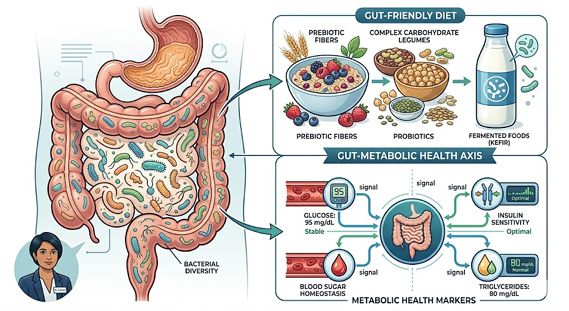
Probiotics such as Lactobacillus and Bifidobacterium are among the most studied strains. These microbes may help reduce low-grade inflammation and support gut barrier integrity, which in turn may improve metabolic signaling.
Fermented foods linked to these benefits include:
- Kefir
- Unsweetened yogurt
- Kimchi
- Tempeh
- Traditional fermented dairy drinks such as lassi
This connects closely with the role of gut microbiome in metabolic syndrome. When gut bacteria become less diverse, inflammatory signals can increase. In contrast, a healthier microbial balance is often associated with better glucose handling.
Fiber-rich foods that slow glucose absorption
Oats, legumes, flaxseed, chia, vegetables, and resistant starches can help blunt post-meal glucose spikes. For patients with prediabetes, this can make everyday meals metabolically gentler.
A practical example: replacing a sugary breakfast cereal with oats, nuts, and plain yogurt may improve satiety and reduce the blood sugar swing that often drives mid-morning hunger.
2. They can support healthier cholesterol and triglyceride levels
Patients often focus on sugar and forget lipids. Yet metabolic syndrome also includes elevated triglycerides, low HDL cholesterol, and often increased LDL particles. Here, nutraceuticals for metabolic syndrome management have a meaningful role.
Omega-3 fatty acids
Omega-3s from salmon, sardines, mackerel, walnuts, and flax may help lower triglycerides and support cardiovascular health. Clinical guidance from major organizations consistently recognizes their value, especially for people with elevated triglycerides.
Soluble fiber and plant sterols
The impact of dietary fiber on lipid profiles is well established. Soluble fiber binds bile acids, which may help reduce LDL cholesterol. Foods like oats, beans, psyllium, barley, apples, and lentils are especially useful.
Plant sterols, found in some fortified foods, may also reduce cholesterol absorption in the gut.
Here is a simple overview:
| Functional Food | Key Bioactive Component | Potential Metabolic Effect | Best Practical Use |
|---|---|---|---|
| Oats and barley | Beta-glucan soluble fiber | May lower LDL cholesterol and improve satiety | Breakfast porridge, grain bowls |
| Kefir and yogurt | Probiotics | May support gut health and insulin sensitivity | Snack or breakfast |
| Fatty fish | Omega-3 fatty acids | May lower triglycerides | 2 servings weekly |
| Berries and green tea | Polyphenols | May reduce oxidative stress and support glucose metabolism | Daily snack or beverage |
| Legumes | Fiber, resistant starch, plant protein | May improve fullness and post-meal glucose | Soups, salads, stews |
| Tempeh | Fermented soy compounds, protein | May support gut and cardiometabolic health | Meat alternative in meals |
For some readers, practical meal planning matters more than theory. A lentil soup with olive oil and herbs often offers more metabolic value than a low-fat packaged snack marketed as “healthy.”

3. Functional foods may reduce chronic low-grade inflammation
A major reason clinicians care about functional foods is inflammation. Metabolic syndrome is not just about calories. It is also about chronic, smoldering inflammation that affects insulin action, blood vessels, and liver health.
Polyphenols and anti-inflammatory compounds
Polyphenols found in green tea, berries, olives, cocoa, and grapes may help reduce oxidative stress and inflammatory signaling. Resveratrol and catechins get attention in research, though whole-food intake usually matters more than hype around isolated compounds.
Probiotics and prebiotics for systemic inflammation
The phrase probiotics and prebiotics for systemic inflammation is more than an SEO concept. It reflects a real clinical trend. When patients improve fiber intake and add fermented foods gradually, we often see better digestion, more stable appetite, and sometimes improved metabolic lab markers over time.
Prebiotic foods include:
- Garlic
- Onion
- Asparagus
- Bananas
- Beans
- Oats
- Cooked and cooled potatoes or rice for resistant starch
These foods feed beneficial microbes, which may produce short-chain fatty acids. Those compounds are linked to better colon health, immune regulation, and metabolic resilience.
4. They may help with fatty liver and liver-related metabolic dysfunction
Nonalcoholic fatty liver disease, now often described under broader metabolic dysfunction-associated liver disease terminology, commonly travels with obesity, insulin resistance, and high triglycerides.
This is where bioactive compounds for glucose metabolism and liver fat regulation start to overlap.
Postbiotics and microbial metabolites
Postbiotics are compounds produced by beneficial microbes. Short-chain fatty acids are a leading example. Early evidence suggests they may help regulate inflammation and hepatic metabolism.
Emerging ingredients
Recent global research has explored fibers from ingredients such as Flammulina velutipes (enoki mushroom). These emerging compounds may help counter some lipid changes linked to high-fat diets. The evidence is promising, though not yet strong enough to replace standard treatment.
Patients should think of these foods as supportive tools. If liver enzymes are elevated or imaging shows fatty liver, medical follow-up still matters.
5. Functional foods may increase satiety and help with weight regulation
Weight regulation is complicated. Hormones, medications, sleep, stress, menopause, food access, and mental health all play a role. Still, one practical benefit of evidence-based functional food interventions is that they often help people feel fuller on fewer calories.
Why satiety matters
Satiety reduces the “rebound hunger” that follows highly refined meals. Fiber, protein, fermentation, and food structure all matter here.
The food matrix effect is an important concept. A whole apple behaves differently from apple juice. Whole oats behave differently from instant sweetened oat drinks. The physical structure of food changes digestion speed, absorption, and fullness.
This may be one reason minimally processed functional foods often outperform heavily marketed wellness products.
A brief clinical example: when reviewing patient histories, we notice that people trying to “eat lighter” often replace solid meals with sweet smoothies or bars. They usually get hungrier, not healthier. In contrast, a breakfast with eggs, oats, berries, and plain yogurt tends to hold better through the morning.
6. Precision nutrition is changing how we use functional foods
Not every patient responds the same way to the same intervention. This is one of the most important updates in modern nutritional science.
Precision nutrition and metabolic disease prevention
Precision nutrition and metabolic disease prevention recognizes that genetics, microbiome composition, age, medications, sleep, and cultural dietary patterns influence outcomes.
For example:
- One person may do well with increased fermented dairy
- Another may respond more strongly to fiber and legumes
- A third may need more emphasis on meal timing and protein balance
This matters when discussing clinical research on dietary interventions for metabolic health. Group averages are useful, but real people are variable. Personalized plans usually work better than generic lists.
If your cultural diet includes fermented vegetables, lentils, yogurt, soups, or soy foods, those traditions may already contain functional food patterns worth preserving. Articles such as Best Time to Drink Bone Broth for Gut Health and Herbal Drinks for Better Digestion and Bloating often reflect the same principle: traditional food practices can support modern metabolic goals when used thoughtfully.
7. Functional foods work best as part of nutritional therapy, not in isolation
This is where expectations need to stay realistic. Nutritional therapy for type 2 diabetes management is rarely about one ingredient. It is about patterns.
Most studies agree on a few consensus points:
- More fiber is generally helpful
- Less ultra-processed food is beneficial
- Fermented and minimally processed foods may support gut and metabolic health
- Omega-3-rich foods are helpful for many patients with cardiometabolic risk
- Long-term consistency matters more than short bursts of perfection
Functional foods should complement, not replace:
- Prescribed medications
- Structured diabetes care
- Blood pressure and lipid monitoring
- Sleep improvement
- Physical activity
- Smoking cessation where relevant
For patients already taking medication, especially for diabetes or hypertension, it is wise to discuss significant dietary changes with a clinician. Food can change lab values, appetite, and medication needs over time.
Real-life ways to add functional foods to a metabolic health plan
Here are simple, sustainable options:
- Add oats or barley to breakfast 4–5 days a week
- Include beans or lentils in at least one meal daily
- Use plain yogurt or kefir if tolerated
- Eat fatty fish twice weekly
- Swap sugary desserts for berries and nuts several times a week
- Drink green tea instead of sugar-sweetened beverages
- Build meals around vegetables, protein, and fiber first
If you enjoy culturally familiar comfort foods, keep them. Modify them. A traditional soup, fermented side dish, or lentil-based meal is often more helpful than a trendy packaged supplement.
FAQs
Are functional foods the same as supplements?
No. Functional foods are actual foods or food products with beneficial bioactive components. Supplements may help in some cases, but whole foods often offer a better matrix of nutrients, fiber, and absorption patterns.
Can functional foods reverse metabolic syndrome?
They may help improve several markers, such as blood sugar, triglycerides, satiety, and inflammation. But they do not replace medical care, exercise, or medication when needed.
Which functional foods are best for prediabetes?
Oats, legumes, plain yogurt, kefir, berries, nuts, seeds, and high-fiber vegetables are commonly recommended. The best choice depends on the person’s overall eating pattern and health status.
Is there strong evidence behind nutraceuticals for metabolic syndrome management?
Yes, for some categories more than others. Omega-3s, soluble fiber, and certain probiotic approaches have meaningful evidence. More research is still needed for newer ingredients and long-term outcomes.
How does the role of gut microbiome in metabolic syndrome affect treatment?
The gut microbiome may influence inflammation, insulin sensitivity, appetite, and even liver fat metabolism. That is why fermented foods, prebiotic fibers, and diverse plant intake are receiving so much clinical attention.
What related food topics support metabolic health?
Readers often benefit from broader nutrition strategies, including Powerful Foods That Reduce Phlegm Naturally, Asian Soup Benefits for Health from, Best Time to Drink Bone Broth for Gut Health, and Herbal Drinks for Better Digestion and Bloating.
Conclusion
The clinical benefits of functional foods for metabolic health are no longer a fringe idea. They are increasingly supported by mainstream nutrition and metabolic research. Used well, these foods may help improve insulin sensitivity, lipid levels, satiety, inflammation, and gut microbiome balance. That makes them valuable tools in the broader care of obesity, prediabetes, type 2 diabetes, fatty liver disease, and metabolic syndrome.
The most effective approach is usually the least glamorous: consistent, culturally appropriate, fiber-rich, minimally processed eating. That is where the real metabolic health benefits of functional foods tend to show up. If you are considering major dietary changes, especially with diabetes, high cholesterol, or liver disease, it is worth reviewing your plan with a qualified clinician or dietitian. Small changes, repeated daily, often matter most. 🌿
For further reading, see NICE, CDC, and PubMed for ongoing clinical research on dietary interventions for metabolic health and evidence-based guidance.
References
- CDC – diabetes prevention and management guidance
- NICE – evidence-based clinical guidance on metabolic conditions
- PubMed – indexed studies on functional foods, probiotics, fiber, and metabolic syndrome
2 Comments
Pingback: Are Mild Headaches a Known Side Effect of Taking Retatrutide?
Pingback: Butter vs. Margarine: Which Is Healthier? Dr. Rachana Bhoite's Guide -