




⚖️ Medical Review & Disclaimer
This article was written by Dr. Sana Lodhi and has been medically reviewed for clinical accuracy by Dr. Rachana Bhoite, PhD (Nutrition Science & Clinical Research). This content is intended solely for informational and educational purposes. The dietary advice, food recommendations, and nutritional strategies outlined here do not substitute for professional medical advice, individualized diagnosis, or custom treatment plans.
Always consult your primary care physician or a qualified healthcare provider before making significant changes to your diet to manage respiratory symptoms, especially if you suffer from chronic conditions like asthma, COPD, or severe allergies. Never disregard professional medical advice or delay seeking it because of information you have read on this website.
If you often wake up with a heavy chest, a sticky throat, or that constant urge to clear your throat, diet may be part of the answer. Certain foods that reduce phlegm can help thin mucus, calm irritation, and make breathing feel easier. While food will not replace medical care for asthma, COPD, sinus infections, or reflux, it can support your lungs and airways in a practical daily way.
Phlegm is not always the enemy. Your body makes mucus to trap dust, germs, and irritants. Trouble starts when it becomes thick, excessive, or hard to clear. That can leave you congested, hoarse, and tired. The right foods can help by improving hydration, lowering inflammation, and reducing triggers that worsen mucus buildup.
In this guide, you will learn which foods may help, which ones may make symptoms worse, and how to build simple meals that support clearer breathing.
Why Diet Matters for Phlegm Control
Think of mucus like a protective gel. In healthy amounts, it works quietly in the background. But when your body is irritated by infection, allergies, smoke, pollution, or reflux, that gel can become thick and sticky.
Food affects this process in several ways:
- It can change hydration levels
- It can increase or reduce inflammation
- It can trigger reflux, which often irritates the throat
- It can support immune health and recovery
That is why many doctors suggest lifestyle changes along with treatment. If you are looking for natural ways to loosen mucus, eating well is one useful piece of the puzzle.
1. Broth-Based Soups and Warm Fluids Help Loosen Mucus
Warm liquids are often the first comfort people reach for when congestion hits. That instinct makes sense. Heat and hydration help thin mucus, making it easier to cough out or drain from the sinuses.
Best options to try
- Chicken broth
- Vegetable broth
- Clear lentil soup
- Ginger tea
- Warm water with honey and lemon
- Tulsi or herbal teas
A warm bowl of soup can soothe an irritated throat while also replacing fluids lost from fever, dry air, or mouth breathing. Clinical evidence suggests that honey can work as effectively as common over-the-counter suppressants to soothe the throat and reduce cough frequency, which helps prevent excess mucus from being trapped in the airways.
Creamy soups are different. Heavy cream and excess fat may leave some people feeling more coated or trigger reflux. Clear soups usually work better when mucus is a problem.
2. Fatty Fish and Other Omega-3 Foods Support Lung Health
Inflammation often sits behind ongoing mucus production. That is where omega-3 fats may help. These healthy fats are known for their anti-inflammatory effects, and some research suggests they may support better respiratory function.
Foods rich in omega-3s
- Salmon
- Sardines
- Herring
- Tuna
- Walnuts
- Chia seeds
- Flaxseed
- Soybeans
- Canola oil
A simple example: grilled salmon with steamed vegetables gives you protein, hydration from vegetables, and anti-inflammatory fats in one meal.
The NIH Office of Dietary Supplements explains that omega-3s support many systems in the body, including inflammatory balance.
3. Garlic, Onions, Leeks, and Shallots May Reduce Mucus Triggers
Allium vegetables have a long history in home remedies for colds and chest congestion. Garlic and onions contain plant compounds with anti-inflammatory and antimicrobial effects.
They are not magic cures. Still, they may help support recovery, especially when respiratory infections are involved.
Easy ways to use them
- Add garlic to broth or lentil soup
- Cook onions into vegetable stew
- Use leeks in light soups
- Mix shallots into warm grain bowls
In many South Asian kitchens, garlic and onion form the base of healing meals during colds. That tradition has logic behind it. Warm, lightly spiced meals are easier on the throat and often more hydrating than processed foods.
4. Fiber-Rich Foods Support the Gut, Immunity, and Airways
Fiber may seem unrelated to phlegm, but the connection is real. A high-fiber diet supports gut health, and gut health affects inflammation and immune function. Some research also links higher fiber intake with better lung outcomes.
Top fiber-rich choices
Fiber also helps digestion. That matters because poor digestion and reflux can worsen throat clearing and mucus.
If you tend to snack on chips or fried foods when sick, try swapping in oatmeal with fruit or a light lentil soup. These feel gentler and often leave less throat irritation afterward.

5. Hydrating Fruits and Vegetables Keep Phlegm Thinner
Mucus becomes harder to clear when you are dehydrated. Water is essential, but foods with high water content also help.
Hydrating foods to add more often
- Cucumber
- Celery
- Watermelon
- Melons
- Oranges
- Strawberries
- Lettuce
- Zucchini
These foods are especially helpful in hot weather, during illness, or if indoor heating dries your throat and sinuses.
A practical idea: pair lunch with cucumber slices and melon instead of salty packaged snacks. You support hydration and avoid extra sodium, which may leave you thirstier.
6. Ginger and Turmeric Add Gentle Anti-Inflammatory Support
Although not on every medical list, ginger and turmeric deserve mention because they are widely used in respiratory comfort foods. They fit well into a phlegm-conscious diet and are common in South Asian home remedies. Scientific research published in the National Library of Medicine suggests that ginger contains bioactive compounds that can help relax airway muscles and thin mucus for easier breathing.
Why people use them
- Ginger may soothe throat irritation
- Turmeric may support inflammation balance
- Both work well in warm drinks and soups
Try:
- Fresh ginger tea
- Turmeric milk made with a non-dairy option if dairy bothers you
- Ginger added to broth or stir-fried vegetables
These are not replacements for treatment, but they can make meals more soothing when congestion flares.
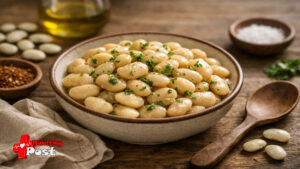
7. Lentils and Legumes Offer Protein Without Heavy Grease
Your body needs protein to heal, but very fatty meals can worsen reflux and make throat mucus feel worse. Lentils, beans, and chickpeas offer a lighter option.
Smart choices include
- Red lentil soup
- Mung dal
- Chickpea stew
- Black bean soup
- Hummus with cucumber
Legumes also bring fiber, minerals, and steady energy. That makes them one of the most useful foods that reduce phlegm indirectly through better digestion, lower inflammation, and improved overall nutrition.
8. Herbal Options and Supplements May Help Some People
Some people use supplements or herbal remedies for mucus control. These can help in certain cases, but they are not right for everyone.
Common options
- N-acetylcysteine (NAC): May help thin mucus
- Sinupret: Herbal blend used for sinus and bronchial symptoms
- Mullein: Traditional expectorant
- Elecampane: Traditional herb for chest congestion
Evidence varies. NAC has stronger clinical support than many herbs. If you have chronic lung disease, take medications, or are pregnant, ask a clinician first.
The Mayo Clinic advises medical review when symptoms are persistent, severe, or linked with fever, wheezing, or shortness of breath.
9. Foods That May Worsen Phlegm and Congestion
It is just as important to know what can make mucus worse. Some foods do not increase mucus directly, but they can irritate the throat, trigger reflux, or leave secretions feeling thicker.
Common problem foods
- Dairy products for those who are sensitive
- Chocolate
- Coffee
- Alcohol
- Carbonated drinks
- Fried foods
- Highly processed foods
- Very salty foods
- Spicy foods if they trigger reflux
- Histamine-rich foods like aged cheese and processed meats
Dairy is a common concern. For many people, milk does not actually create more mucus. However, its texture may make saliva and throat secretions feel thicker. If you notice a pattern, reduce it for a week or two and observe.
Chocolate, coffee, fizzy drinks, and alcohol can all trigger reflux in some people. Reflux often causes chronic throat clearing, postnasal drip feelings, and stubborn phlegm.
10. Lifestyle Habits Make These Foods Work Better
Even the best foods that reduce phlegm work better when paired with smart daily habits. If your environment constantly irritates your airways, food alone may not be enough.
Helpful habits to combine with diet
- Drink water throughout the day
- Use a humidifier in dry rooms
- Try saline nasal spray
- Avoid smoking and secondhand smoke
- Limit exposure to dust and pollution
- Wash bedding often if allergies are a trigger
- Eat smaller meals if reflux worsens symptoms
A short example: if you drink ginger tea but sleep in a very dry room with dust buildup, your throat may still feel congested. Diet helps most when it supports a larger routine.
Best Foods and Foods to Limit at a Glance
| Category | Helpful Choices | Why They Help | Foods to Limit | Why They May Worsen Phlegm |
|---|---|---|---|---|
| Fluids | Broth, herbal tea, warm water | Thin and loosen mucus | Alcohol | Dehydrates and irritates airways |
| Healthy fats | Salmon, sardines, walnuts, flaxseed | May reduce inflammation | Fried foods | Can trigger reflux and irritation |
| Vegetables | Garlic, onions, leeks, cucumber, celery | Support immunity and hydration | Very spicy foods | May worsen reflux in some people |
| Fiber foods | Lentils, oats, fruit, whole grains | Support gut and immune health | Processed snacks | Low fiber, often high salt and fat |
| Drinks | Warm ginger tea, non-caffeinated herbal tea | Soothe throat | Coffee, carbonated drinks | Can trigger reflux and throat clearing |
| Dairy alternatives | Fortified oat or almond milk if tolerated | Lighter for some people | Dairy if sensitive | May feel coating or trigger symptoms |

A Simple One-Day Anti-Phlegm Meal Idea
If you want to turn this into action, start with one calm, balanced day of eating.
Breakfast
Oatmeal with chia seeds, berries, and warm ginger tea.
Lunch
Clear lentil soup with garlic, onions, and a cucumber salad.
Snack
Pear slices with a few walnuts.
Dinner
Baked salmon with steamed vegetables and brown rice.
Evening drink
Warm herbal tea or plain warm water.
This kind of menu supports hydration, fiber, and lower inflammation without feeling restrictive.
When to See a Doctor
Food can help, but ongoing or severe symptoms need medical attention. Seek care if you have:
- Phlegm lasting more than a few weeks
- Blood in mucus
- Wheezing
- Chest pain
- Fever
- Shortness of breath
- Unexplained weight loss
Persistent mucus may point to asthma, chronic bronchitis, sinus disease, allergies, GERD, or infection.
FAQs
What are the best foods that reduce phlegm quickly?
Warm broth, herbal tea, hydrating fruits, cucumber, and clear soups often help fastest because they thin mucus.
Does dairy really increase mucus?
Not for everyone. Dairy may make throat secretions feel thicker, especially if you are sensitive or allergic.
Can coffee make phlegm worse?
Yes, in some people. Coffee can trigger reflux, which may irritate the throat and increase mucus symptoms.
Are spicy foods good for clearing mucus?
Sometimes they create temporary drainage. But they can worsen reflux and throat irritation in sensitive people.
Is ginger good for phlegm?
Yes, ginger may soothe the throat and support easier breathing when used in tea or warm meals.
Can diet alone cure chronic mucus problems?
No. Diet helps manage symptoms, but chronic phlegm may need treatment for allergies, asthma, reflux, or infection.
Conclusion
Living with constant mucus can feel draining, especially when it disrupts sleep, speech, and breathing. The encouraging part is that small choices can help. Warm broths, omega-3-rich fish, garlic, onions, fiber-rich foods, hydrating produce, and simple herbal options can all support easier mucus clearance. At the same time, limiting alcohol, processed foods, reflux triggers, and problem dairy may reduce irritation.
The best approach is steady, not extreme. Start with one or two foods that reduce phlegm, drink more water, and notice how your body responds. If symptoms continue or worsen, talk with a healthcare professional. Food is not a cure, but it can be a reliable part of breathing easier every day.
4 Comments
Pingback: Doxycycline Dosage for Chest Infection How Many Days? Safe Recovery Guide
Pingback: Best Vitamin B12 Supplement: 10 Best Choices for Amazing Energy
Pingback: Clinical Benefits of Functional Foods for Metabolic Health: Expert Guide
Pingback: How to Get Rid of Post Nasal Drip Fast: Effective Relief & Remedies