


Medical Disclaimer: This article has been written by Dr. Michelle Uzor, OB-GYN at Southern Crescent. The content provided is for informational and educational purposes only and is not intended as a substitute for professional medical advice, diagnosis, or treatment. Always seek the advice of your physician or other qualified health provider with any questions you may have regarding a medical condition.

🏥 Medical Review Board Member
Dr. Michelle Uzor, MD
Board-Certified Obstetrician-Gynecologist | Southern Crescent Women’s HealthCare
Dr. Michelle Uzor, MD, is a board-certified Obstetrician-Gynecologist with extensive clinical experience dedicated to comprehensive women’s healthcare, obstetrics, and reproductive medicine. Practicing with Southern Crescent Women’s HealthCare, she is committed to providing evidence-based patient guidance and clinical oversight. Dr. Uzor ensures that every piece of women’s health content she reviews meets the highest standards of medical accuracy, safety, and clinical integrity.
The first time it happens, many people stop mid-step. A sudden, electric jolt shoots through the pelvis, lasts a few seconds, and vanishes before you can work out what just happened. If you have landed here asking what is lightning crotch, you are probably in the third trimester and a little alarmed. It is the popular name for a brief, sharp, shooting pain in the vagina, pelvis or rectum. It tends to appear late in pregnancy, usually when the baby presses on the cervix or the nerves around it. It can be startling and occasionally intense, but it is generally regarded as a normal pregnancy symptom rather than a warning sign.
The label covers a lot of ground, though, and not every sharp pelvic twinge fits it. This guide explains what the pain feels like, why it happens, how it differs from contractions and other pregnancy aches, what may ease it, and which symptoms need a call to your midwife or doctor.
1. What Is Lightning Crotch?
Lightning crotch is an informal term, not a clinical diagnosis. Pregnant people use it for a sudden stab of sharp, burning or shooting nerve pain in the vaginal area. Cleveland Clinic’s patient guide to lightning crotch says it typically means the baby is pressing on the cervix or the nerves around it. It describes the symptom as normal and not usually a cause for concern.
Because it is a colloquial label, your midwife or obstetrician will not diagnose or treat it as a condition in its own right. They will still want to hear about it. They can confirm that what you are feeling fits this harmless pattern, and they may have suggestions for easing it.
The name is slightly misleading. The pain is not confined to one spot, and it can spread across the pelvic area or reach the rectum. It is also distinct from menstrual cramps and from contractions, which come from the uterus tightening and releasing. Lightning crotch comes from pressure on the cervix and surrounding nerves.
2. When Lightning Crotch During Pregnancy Usually Starts
Lightning crotch during pregnancy is mainly a third-trimester experience. Cleveland Clinic places most cases between weeks 28 and 40. The baby is getting bigger and moving lower into the pelvis ahead of birth, which leaves less room to move without bumping a sensitive area.
Common triggers include:
- A roll, stretch, kick or turn from the baby
- A quick change of position, such as standing up fast or twisting to reach something
- The baby’s head pressing down against the cervix
It is most often felt when the baby is head-down and settling into the pelvis, but a head-down position is not required. Kicks and punches can set it off too, and if the baby is positioned just right, even a small movement can be enough. For a sense of how size and position change over these weeks, a guide to how a baby develops week by week is a useful companion. By about 36 weeks many babies are head-down, though not all.
The pattern is most typical late in pregnancy. Sharp pelvic pain that appears much earlier, or that behaves differently, is worth mentioning to your midwife rather than assuming it is lightning crotch.
3. What Does Lightning Crotch Feel Like?
The same words keep coming up when people describe it: sharp, stabbing, stinging, burning, electric. The electric shock feeling in the vagina during pregnancy is probably the most common comparison. It arrives without warning, peaks instantly and fades just as fast. Some people feel it as shooting pain in the pelvis that fans out across the whole pelvic area or toward the rectum. Others notice it mainly as sharp vaginal pain during pregnancy, low and deep, near the cervix.
Cleveland Clinic notes that intensity usually depends on the baby’s position and size. For some it is a brief wince, and for others it briefly takes their breath away.
The most useful clue is duration. An episode typically lasts no longer than about 30 to 45 seconds, and you should not have it all day. Think of a camera flash rather than a spotlight.
It also should not feel like a steady ache, a band of tightening across the belly, or the rhythmic cramping of contractions. Third trimester pelvic pain has many sources, which is why timing matters. Constant pregnancy pelvic pressure, or pain that builds and repeats, is a different pattern and worth a call to your care team.
4. What Causes Lightning Crotch?
The explanation offered by Cleveland Clinic is baby pressure on the cervix. As the baby grows heavier and sinks lower, the cervix and nearby nerves get squeezed, kicked or nudged. The result is a sudden, sharp pain that can radiate through the vaginal and pelvic area. Fetal movement can trigger it, and so can the head pressing down as it descends.
One caveat is that this is an informal label rather than a defined condition. The explanation rests largely on clinical understanding of how a baby’s position affects nearby nerves, not on a precisely mapped mechanism. It will not be identical in every pregnancy, which is one reason two people at the same stage can have very different experiences.
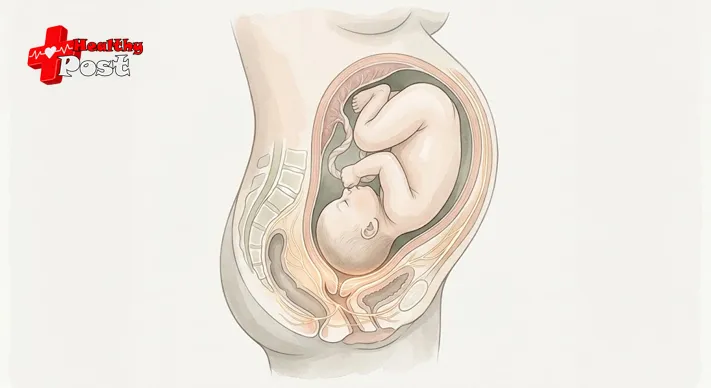
How lightning crotch differs from other pregnancy pain
Several kinds of pelvic and abdominal pain can show up in the same weeks. The location and pattern are what separate them.
| Type of pain | Where you feel it | What it is like |
|---|---|---|
| Lightning crotch | Vagina, cervix area, pelvis, sometimes rectum | Sudden, sharp or shooting; usually over within 30–45 seconds; mostly third trimester |
| Round ligament pain | Front of the belly or toward the groin | Similar sharp feel, linked to loosening, stretchy ligaments; more common in the second trimester |
| Pelvic girdle pain | Pubic bone, lower back, between vagina and anus, thighs | Often worse with walking, stairs, turning in bed or moving the legs apart; may include clicking or grinding |
| Labour contractions | Across the womb, sometimes the back | Womb tightens and relaxes in a pattern that grows longer, stronger and closer together |
Pelvic girdle pain is worth knowing about because it is common. The NHS guidance on pelvic girdle pain says it affects up to 1 in 5 pregnant women to some degree, and that it is not harmful to the baby but can make getting around hard. It advises calling your midwife or GP if moving around is difficult or if getting out of a car, turning over in bed or climbing stairs hurts, because physiotherapy can help.
5. Is Lightning Crotch a Sign of Labor?
Not by itself. Cleveland Clinic’s wording is careful: lightning crotch may mean labour is near, but you can also have it for weeks or even months beforehand. Pregnancy care providers do not use it as an indication that labour has started.
The reasoning is straightforward. Lightning crotch suggests the baby is low and pressing on the cervix, not that the cervix has begun to open. That pressure can contribute to the cervix thinning and dilating over time, but lightning crotch does not set contractions off. If your provider ever suggests assessing your cervix, an overview of how cervical checks work in pregnancy can help you know what to ask.
Lightning crotch vs contractions
The two behave very differently. Lightning crotch is sudden, sharp and over quickly, and it tends to arrive at random, often when you or the baby moves. Contractions involve the womb tightening and relaxing. As labour establishes, they settle into a recognisable rhythm and become longer, stronger and closer together.
Signs that point more convincingly toward labour include:
- Regular tightenings or contractions that keep building in strength
- A “show”, which is the mucus plug passing, sometimes streaked with blood
- Waters breaking or fluid leaking from the vagina
- Backache that comes with the tightenings
If you notice these signs, contact your maternity unit. Do so promptly if you are before 37 weeks, when labour would be preterm.
6. How to Ease Lightning Crotch
Cleveland Clinic states plainly that lightning crotch cannot be cured or prevented. Some habits may reduce how often it strikes or how sharp it feels:
- Move more slowly. Getting out of bed or the car deliberately, rather than in one quick motion, can help. Quick, jerky movements tend to provoke more pain.
- Change position when a jolt hits, rather than pushing through it.
- Try a belly support band or belt, which can take some pressure off the pelvis.
- Keep up gentle, regular exercise. Cleveland Clinic highlights swimming as a good option.
- Take a warm bath or have a prenatal massage to relax muscles and joints.
In practice, it is the small habits that matter. Imagine standing at the kitchen counter at 35 weeks and spinning around quickly when someone calls your name. Turning your whole body slowly, with your feet moving first, gives the baby less chance to jolt against a sensitive spot.
It also helps to jot down when episodes happen and what you were doing. Your provider can use that pattern. None of these measures is a guaranteed fix. Talk to your maternity care provider before starting a new exercise routine, buying a support band or booking a massage.

7. When to Call Your Doctor or Midwife
An occasional brief jolt is expected, but not every sharp pelvic pain is lightning crotch. Contact your maternity team if the pain:
- Is constant rather than brief, or comes with cramping
- Happens more than a few times a day
- Comes with vaginal bleeding
- Comes with leaking fluid
- Arrives in a regular pattern, which could mean labour
- Is joined by a change in your baby’s usual movements
The last point deserves emphasis. The NHS says babies are usually felt moving from around 16 to 24 weeks, and that any change in movement can sometimes signal a problem and should be checked. A reassuring explanation for pelvic pain never replaces getting reduced or different movement assessed.
Fluid also needs care. Thin, milky discharge often increases late in pregnancy, and this normal discharge is known as leukorrhea. A sudden gush or a steady trickle that soaks a pad is different, because it could be amniotic fluid and warrants an immediate call.
In the UK, the NHS advises contacting a midwife or maternity unit from around 20 weeks if you are worried. It says to call 999 in a life-threatening emergency, and 111 if you are unsure what to do or services are closed. Its list of pregnancy symptoms that need medical help also covers severe headache, sudden vision problems, sudden swelling and a high temperature. These matter whether or not you have pelvic pain. If you are elsewhere, use your local maternity unit or emergency number in the same way.
Frequently Asked Questions
What is lightning crotch, and should I mention it to my midwife?
It is the everyday name for brief, sharp pelvic or vaginal pain in late pregnancy. Mention it at your next appointment, even though it is usually harmless. Your midwife can confirm the pattern fits, check that nothing else is going on and suggest ways to cope. Call sooner if you notice any of the warning signs above.
Can lightning crotch hurt the baby?
Cleveland Clinic describes it as a normal symptom that is not usually a cause for concern. The caveat is that persistent pain, bleeding or leaking fluid is not lightning crotch, and those symptoms need assessment.
Does lightning crotch mean the baby has dropped?
It can go along with a baby sitting low, and it is most common when the baby is head-down. It cannot confirm position, though, because kicks and punches can cause it in other positions. Your midwife can assess position at antenatal appointments.
How often is too often?
Cleveland Clinic suggests you should not feel it all day. If sharp, shooting pains happen more than a few times a day, it is worth discussing with your care provider.
Will it stop after the baby is born?
Yes. Cleveland Clinic says lightning crotch goes away once the baby is born.
Conclusion
So, what is lightning crotch in practice? It is a brief, startling jolt of pelvic or vaginal pain, most often in the third trimester, caused by a growing baby pressing on the cervix and nearby nerves. It is usually harmless and does not reliably signal that labour is starting. Its main giveaway is the pattern: sudden, sharp and over within seconds.
Slowing down, changing position and using gentle support can take the edge off. Meanwhile, let your midwife know about it at your next appointment. If the pain turns constant, frequent or severe, or comes with bleeding, leaking fluid or changes in your baby’s movements, contact your maternity team without delay.
This article is for general education and does not replace advice from your midwife or doctor.
References
- Cleveland Clinic. Lightning Crotch: Pain, Cause & Treatment. https://my.clevelandclinic.org/health/symptoms/lightning-crotch
- NHS. Pelvic pain in pregnancy. https://www.nhs.uk/pregnancy/common-symptoms/pelvic-pain/
- NHS. Pregnancy symptoms you need to get help for. https://www.nhs.uk/pregnancy/common-symptoms/pregnancy-symptoms-you-need-to-get-help-for/